


Primary sourcePainting1728
One Hundred Horses
Giuseppe Castiglione · 1728
A long silk handscroll of a hundred horses painted in 1728 by the Jesuit court painter Giuseppe Castiglione for the Yongzheng Emperor's court.
This handscroll was commissioned for Yongzheng's court, showing the Sino-European art he sponsored, though he died before it was finished.

About this source
What it is
This is a 7.76-metre-wide silk and ink handscroll by Giuseppe Castiglione, an Italian Jesuit missionary known in China as Lang Shining, painted in 1728 for the Yongzheng Emperor. It shows many horses resting, drinking and galloping across a landscape with trees, rocks and a river, and is now held by the National Palace Museum in Taipei.
Why it matters
Castiglione blended Western techniques such as perspective, shading and realistic proportion with Chinese painting traditions, creating a new style at the Qing court. Though commissioned under Yongzheng, the finished work was only praised as a masterpiece by his successor, the Qianlong Emperor. It shows how the Qing court brought European artists into its service and mixed artistic traditions.
Look closer
- What differences can you spot between how the horses, trees and landscape are painted compared to traditional Chinese brush painting?
- Why might an emperor want a European-trained artist working at his court?
- What might the choice of horses as a subject tell you about Qing court culture?
This painting is part of the curated material that grounds the AI version of Yongzheng Emperor on Humy.ai — when students ask about related events, the AI can quote it and cite it.
More Yongzheng Emperor sources
Browse all 86 →Primary source
Da Yi Jue Mi Lu
Yongzheng Emperor
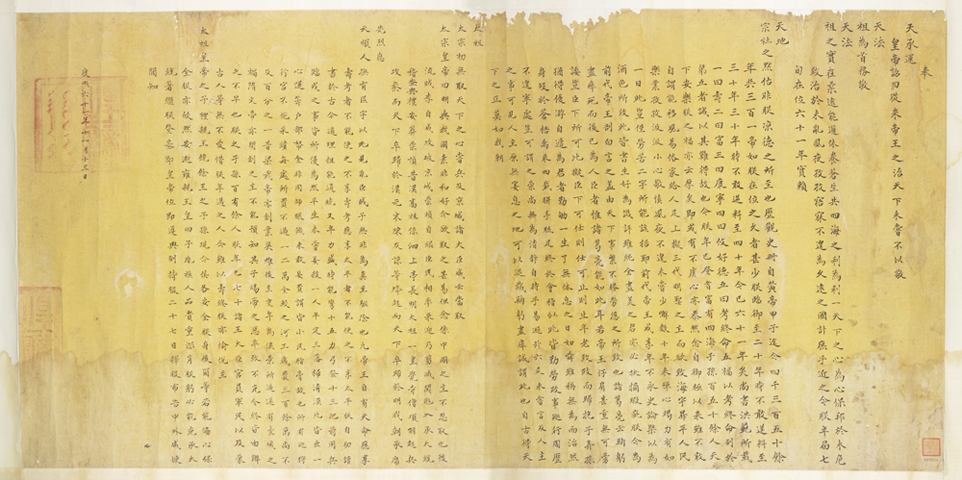 Document
Primary source
The Kangxi Emperor's Last Will and Testament
Kangxi Emperor
 Painting
Primary source
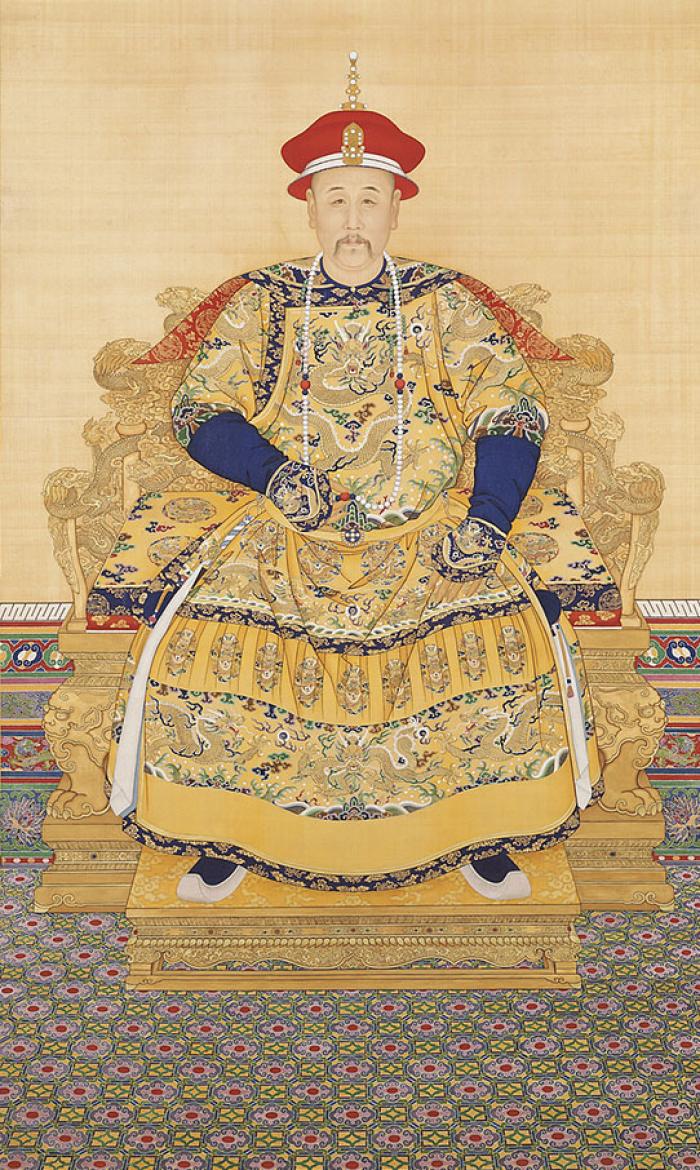
Portrait of the Yongzheng Emperor in Court Dress
anonymous court artists · 1723-1735
 Document
Primary source
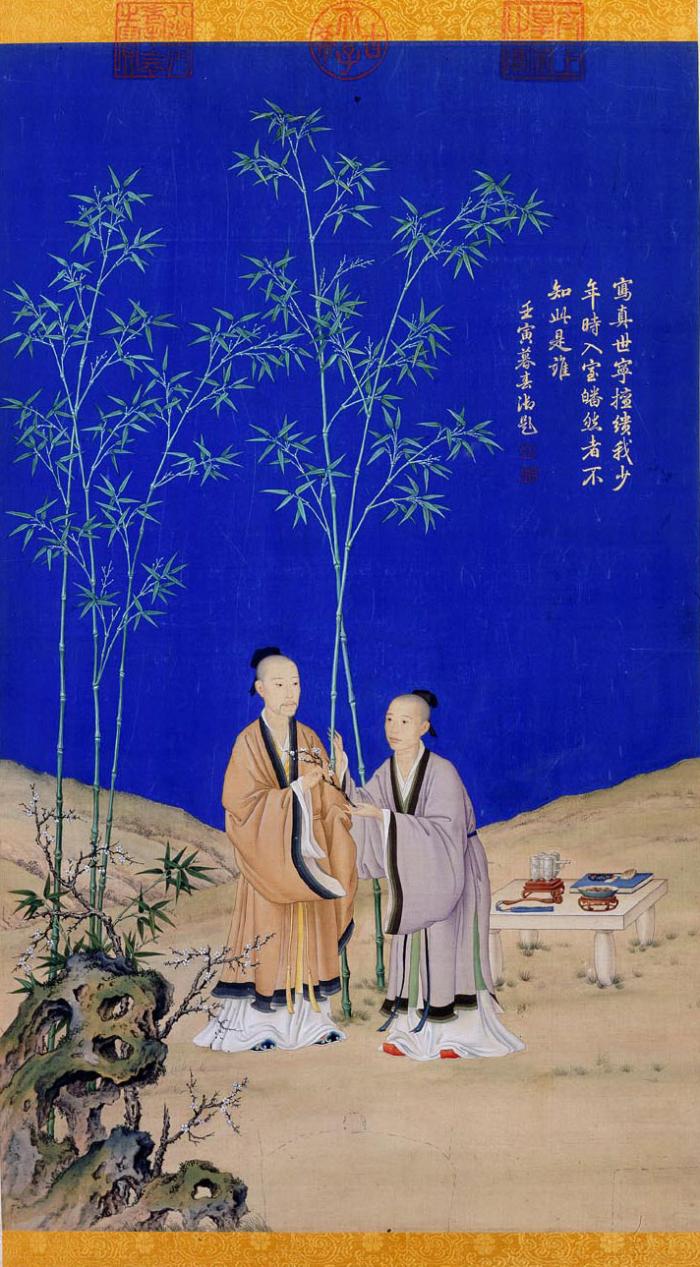
Palace Memorial on the Respectful Return of Previous Vermilion Rescripts
Yongzheng Emperor

Free account
Read every Yongzheng Emperor source
Sign up free →
Ready when you are
Start chatting with Yongzheng Emperor now.
20 messages free · No credit card · Available in 50+ languages.