


Primary sourcePainting1950
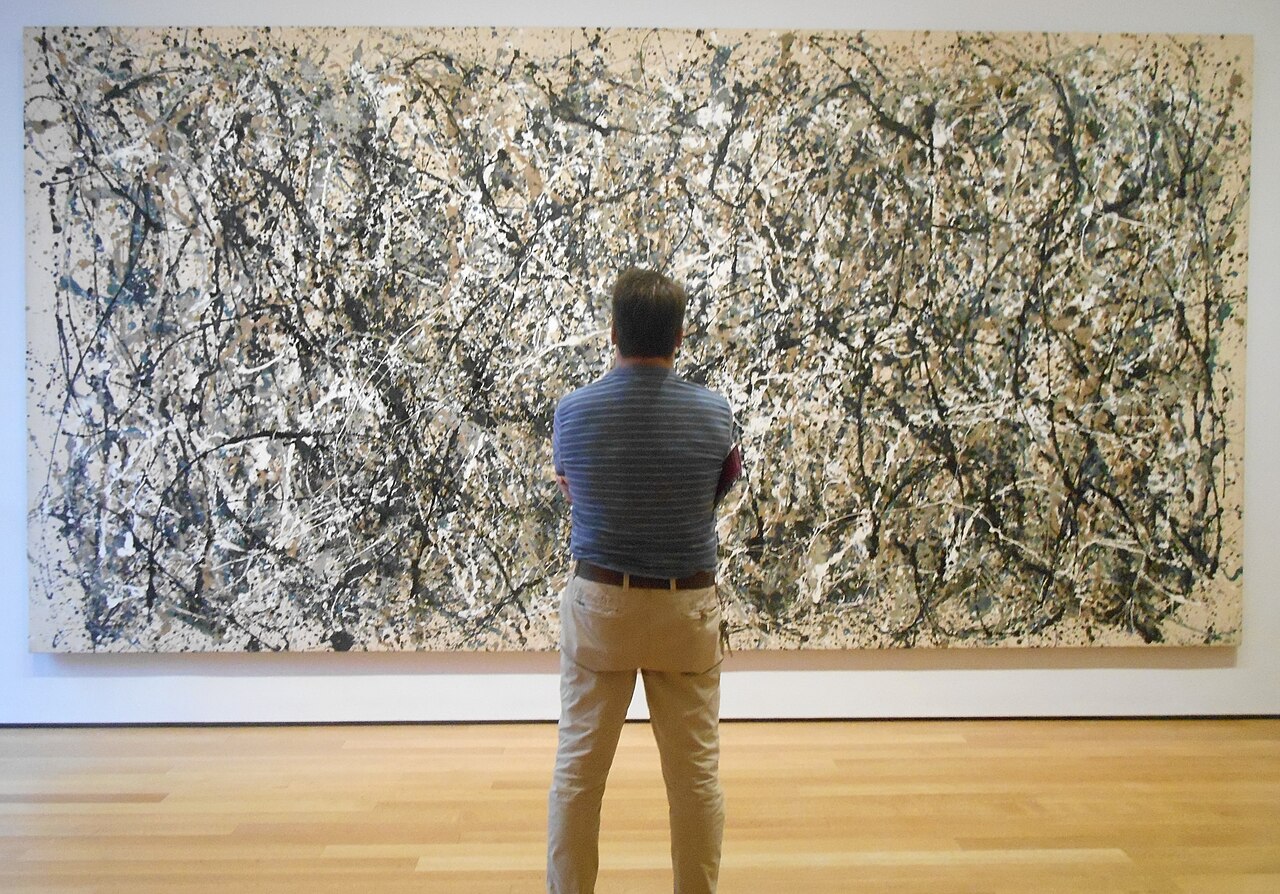
One: Number 31, 1950
Jackson Pollock · 1950
A huge drip painting by Jackson Pollock, made the same year photographer Hans Namuth filmed him at work, now at MoMA.
Pollock created this painting himself in 1950, exemplifying his signature drip technique at the height of his career.
About this source
What it is
This is a large painting made by Jackson Pollock in 1950, using his drip technique of flinging oil and enamel paint onto a canvas laid on the floor. It is held by the Museum of Modern Art in New York, which bought it in 1968 from a private collector.
Why it matters
It is one of Pollock's largest and most famous drip paintings, made at his East Hampton barn studio the same year photographer Hans Namuth documented him painting. The work shows how Pollock worked without a fixed focal point, covering the whole canvas edge to edge, and is seen as a key example of Abstract Expressionism's mural-scale ambitions.
Look closer
- What do you notice first when you look at the overlapping lines and colors?
- Why might Pollock have insisted there was "no accident" in how he made it?
- What does painting on the floor, rather than an easel, suggest about how Pollock saw his own body and movement as part of the art?
This painting is part of the curated material that grounds the AI version of Jackson Pollock on Humy.ai — when students ask about related events, the AI can quote it and cite it.
More Jackson Pollock sources
Browse all 19 →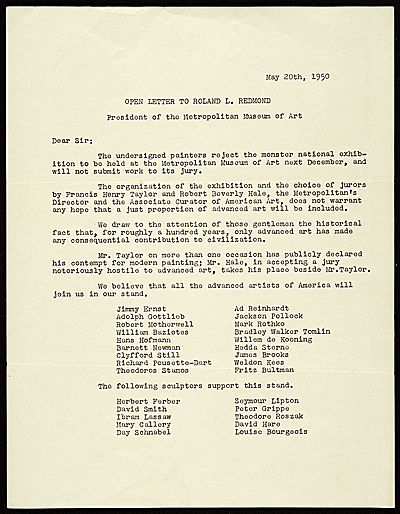 Document
Primary source
Open Letter to Roland Redmond
Jimmy Ernst, Adolph Gottlieb, Robert Motherwell, William Baziotes, Hans Hofmann, and others · 20 May 1950
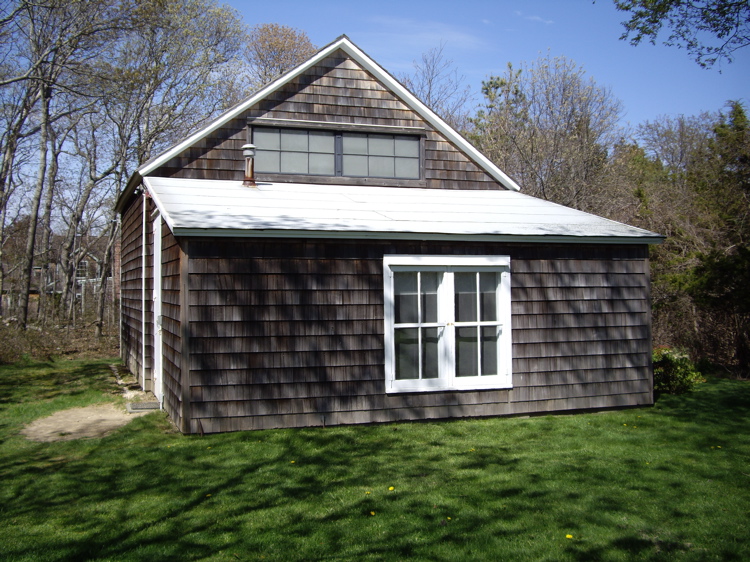 Artifact
Primary source
Pollock-Krasner House and Studio
1879 (building); occupied 1945-1956
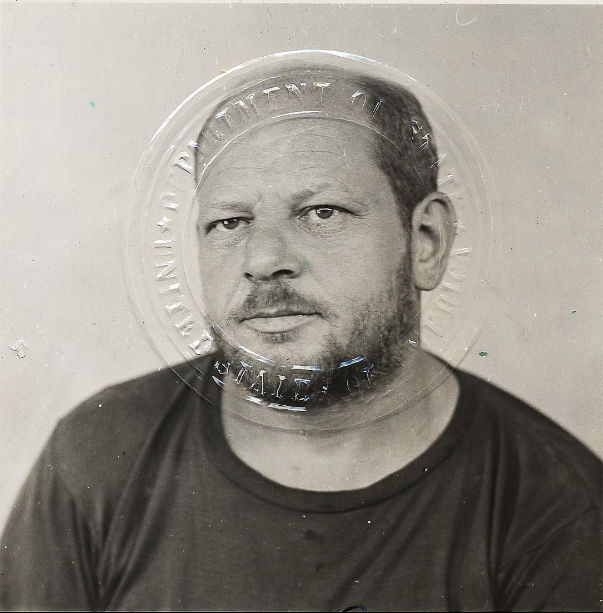 Photograph
Primary source
Jackson Pollock's Passport Photograph
Unknown
 Document
Primary source
Signature of Jackson Pollock
Jackson Pollock
Free account
Read every Jackson Pollock source
Sign up free →
Ready when you are
Start chatting with Jackson Pollock now.
20 messages free · No credit card · Available in 50+ languages.