


Secondary sourceBook
One Thousand and One Nights
A collection of Middle Eastern folktales compiled during the Islamic Golden Age, in which Harun al-Rashid appears as a legendary character.
Harun al-Rashid appears as a legendary character in these tales, which shaped his lasting reputation as a golden-age caliph.
Free Humy account · No credit card · 120,912 sources to read
About this source
What it is
One Thousand and One Nights, also known as The Arabian Nights, is a collection of folktales compiled in Arabic during the Islamic Golden Age, drawing on Persian, Arabic, Mesopotamian and Indian sources. There is no single original text; it grew over centuries through many authors and translators. In the frame story, Scheherazade tells her husband one tale each night to delay her execution.
Why it matters
Among its many fantastical tales, the collection includes the historical figures Harun al-Rashid, his vizier Ja'far al-Barmaki, and the poet Abu Nuwas, even though the stories mixing them with jinn and magic are fiction. This shows how Harun's court became the legendary symbol of a glittering Baghdad golden age in popular imagination, far beyond the historical facts of his reign.
- Why might storytellers have chosen a real caliph like Harun al-Rashid as a character in fictional tales?
- What is the difference between how historians and how storytellers remember a ruler?
- How can a legendary reputation like Harun's affect what people believe is historically true?
This book is part of the curated material that grounds the AI version of Harun al-Rashid on Humy.ai — when students ask about related events, the AI can quote it and cite it.
More Harun al-Rashid sources
Browse all 31 →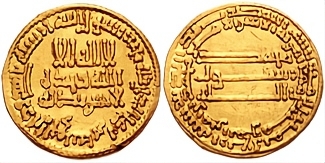 Artifact
Primary source
Gold Dinar of Harun al-Rashid
Abbasid mint · 786–809
 Artifact
Primary source
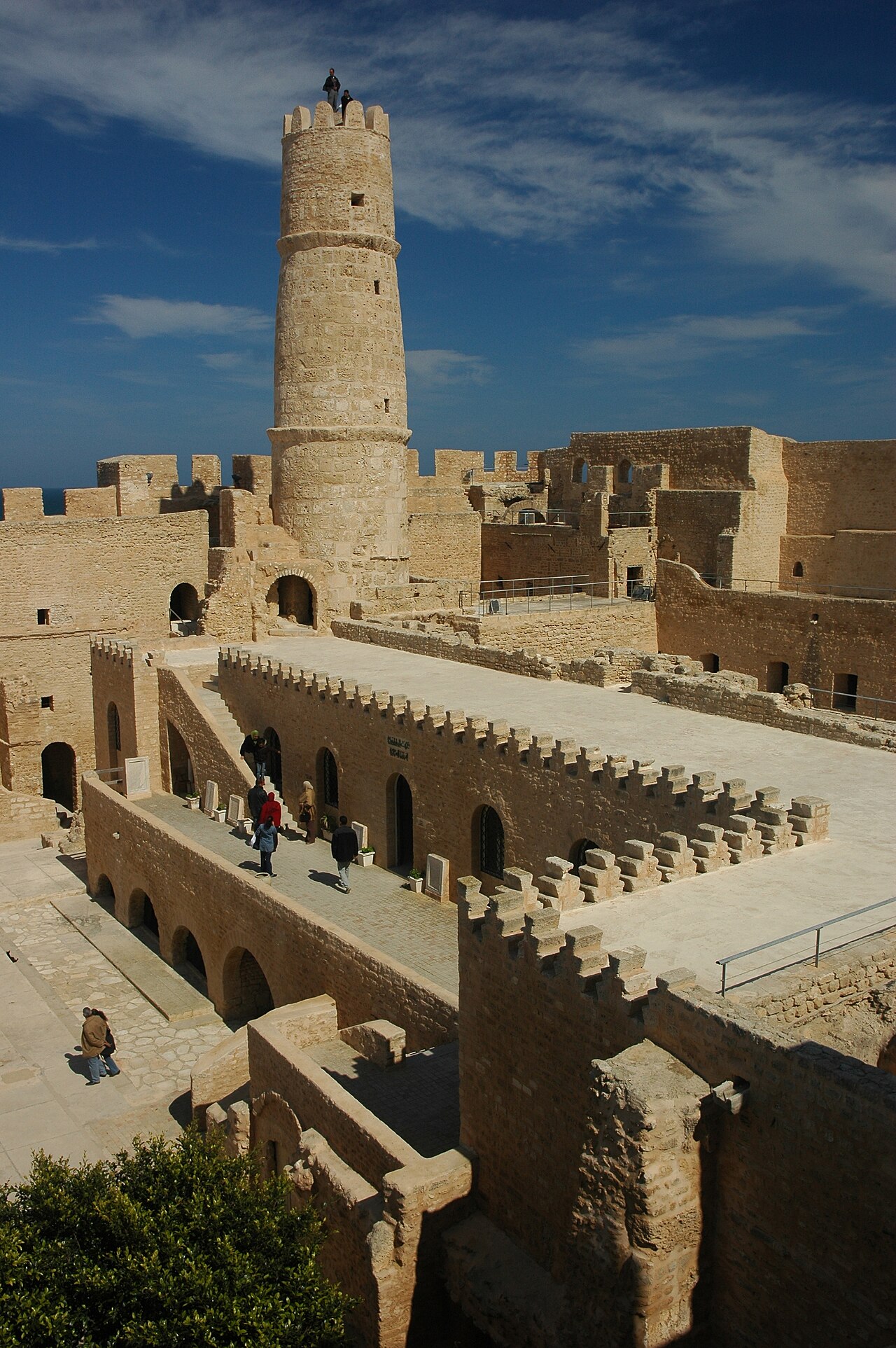
Pool of the Arches
789
 Document
Primary source
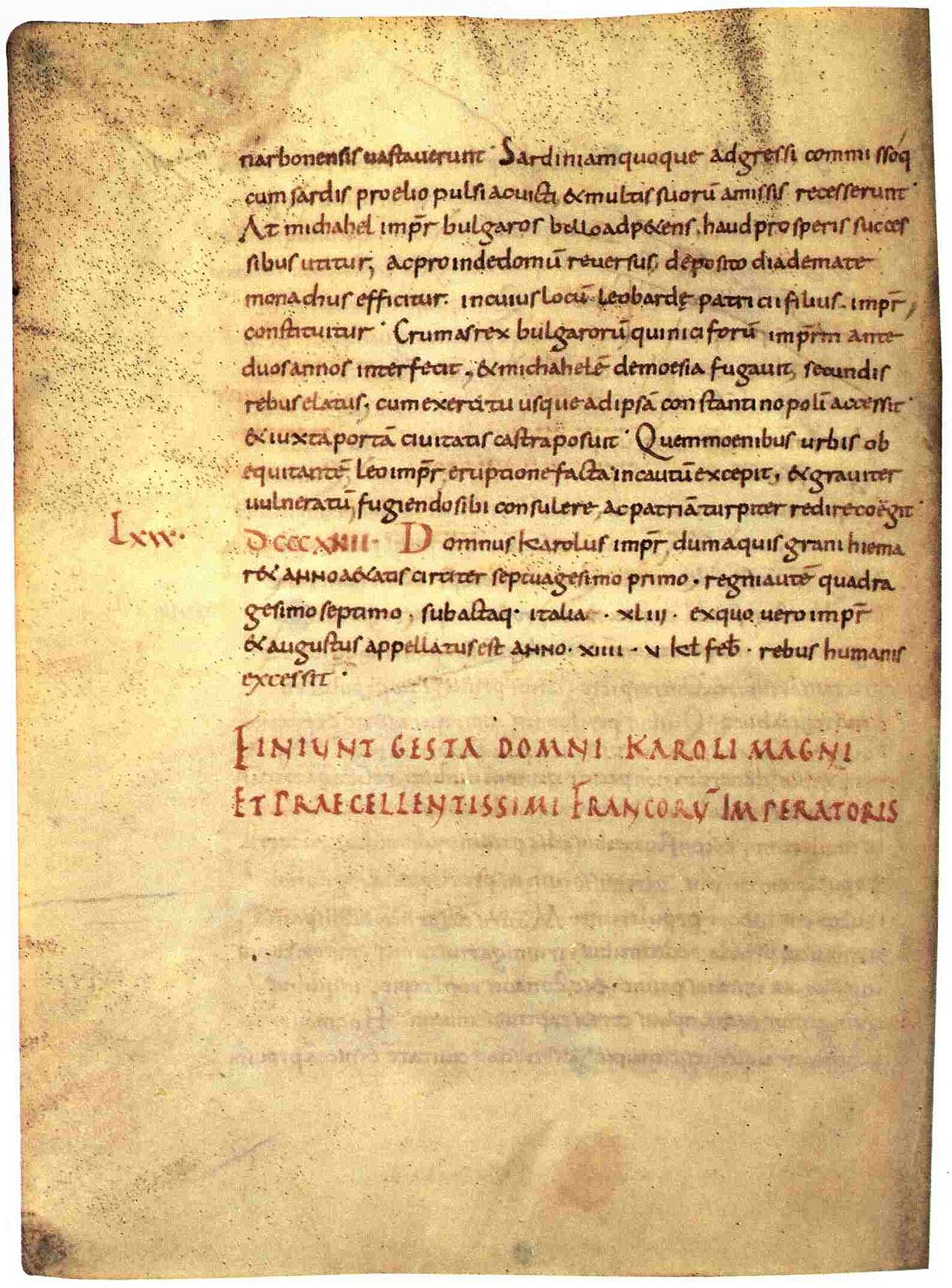
Royal Frankish Annals
741-829, this manuscript c. 900
 Book
Secondary source
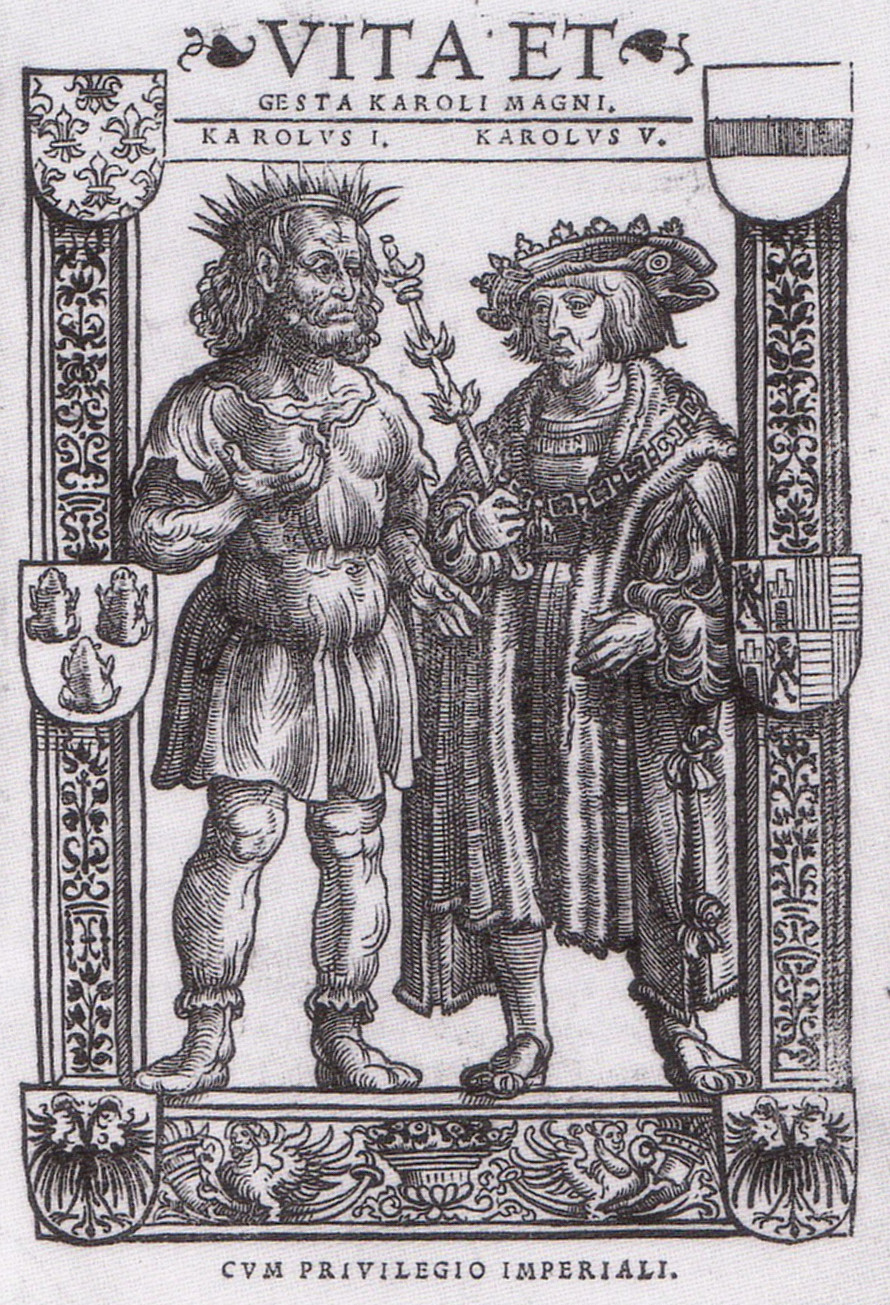
Vita Karoli Magni
Einhard · c. 817-833
Free account
Read every Harun al-Rashid source
Sign up free →
Ready when you are
Start chatting with Harun al-Rashid now.
20 messages free · No credit card · Available in 50+ languages.