


Secondary sourceArtifact17th-18th century
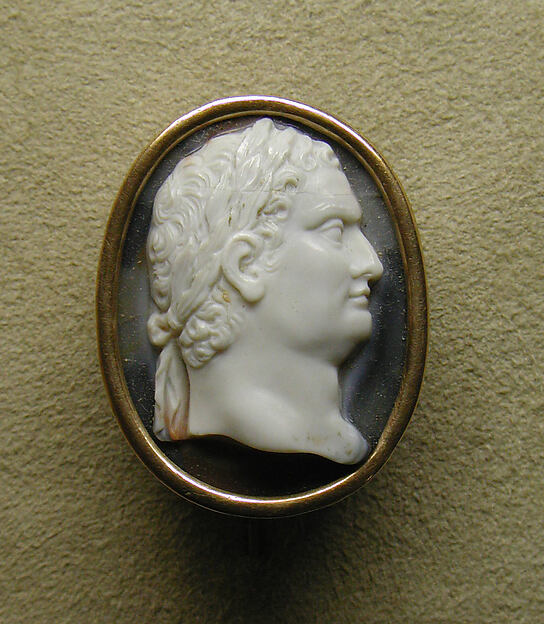
Onyx and Gold Cameo of Titus
17th-18th century
A carved onyx cameo set in gold, made in the 17th or 18th century and showing a later imagined likeness of Titus. Its likeness is of limited reliability.
Shows a later imagined likeness of Titus carved as a portrait object, so it reflects how later collectors pictured the emperor.
About this source
What it is
This is an oval cameo carved in layered white and grey stone, set in a gold frame and mounted on a stickpin. It shows a male head in profile facing right, with curly hair, a wreath-like band, and a bare neck. The Metropolitan Museum of Art dates it to the 17th to 18th century and holds it as part of the Milton Weil Collection, acquired in 1939. The label names Titus, Flavius Sabinus Vespasianus, with dates given as 40 or 41 to 81 A.D.
Why it matters
Titus ruled Rome from 79 to 81. Cameos like this one were carved long after his death, so the face is an imagined likeness rather than a record from life. Objects such as this show how later collectors and carvers kept interest in Roman emperors alive.
Look closer
- What features of the face and hair does the carver emphasise?
- Why might a later owner want a cameo of an ancient emperor?
- How can you tell from the object itself that it was not made during Titus's lifetime?
This artifact is part of the curated material that grounds the AI version of Titus on Humy.ai — when students ask about related events, the AI can quote it and cite it.
More Titus sources
Browse all 98 →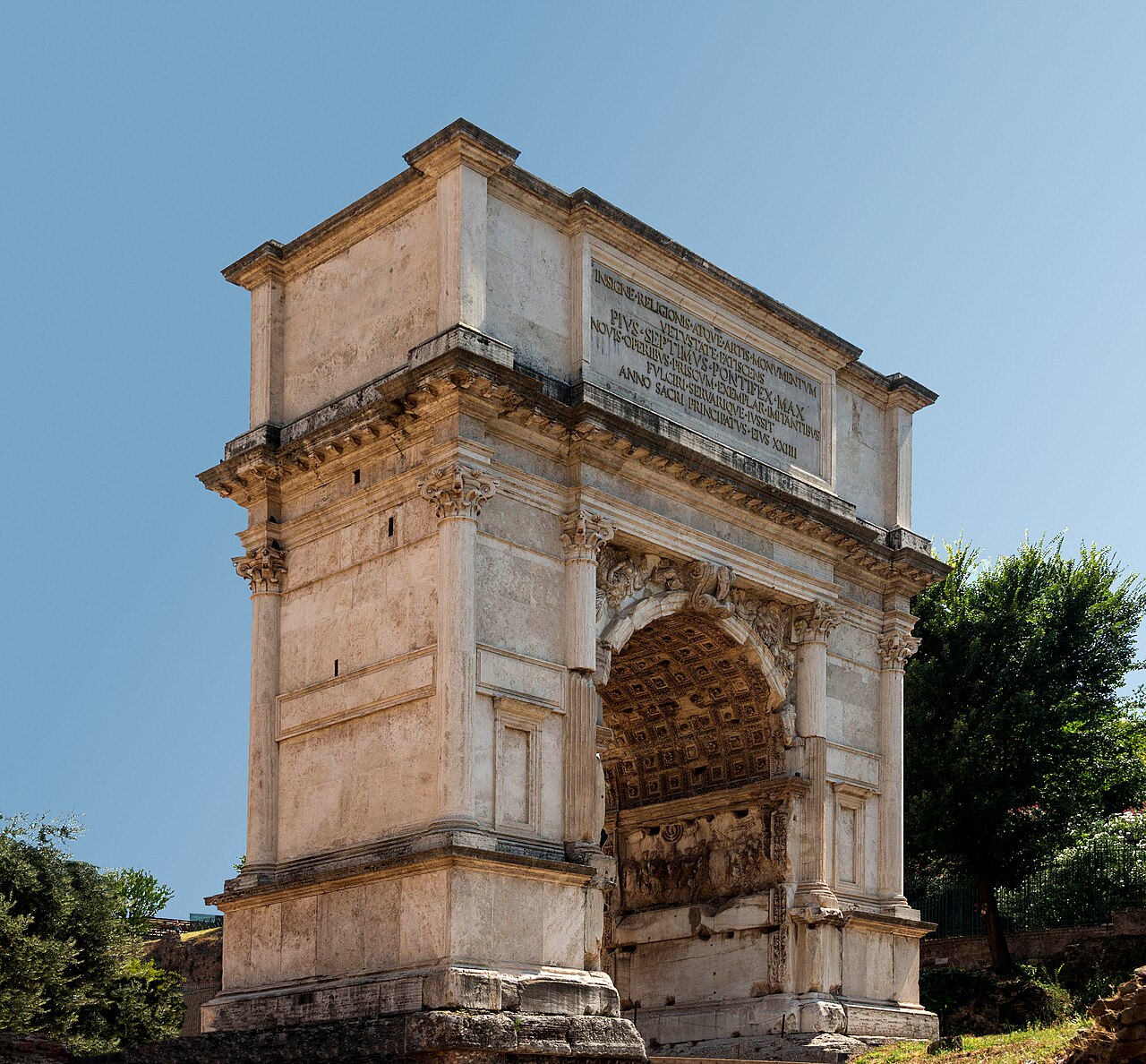 Artifact
Primary source
Arch of Titus
Rabirius · c. 81–82 AD
 Sculpture
Secondary source
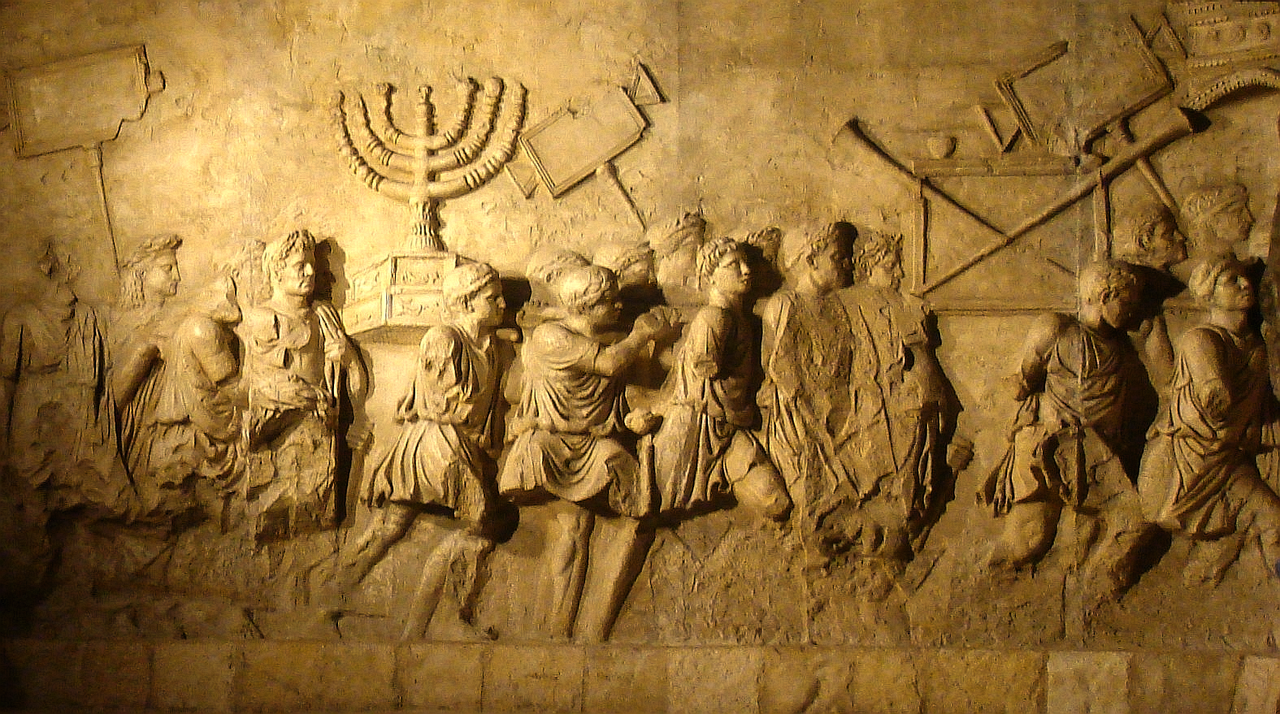
Spoils of Jerusalem Relief (Menorah Panel)
Roman sculptors under Domitian · c. 81–82 AD
 Book
Secondary source
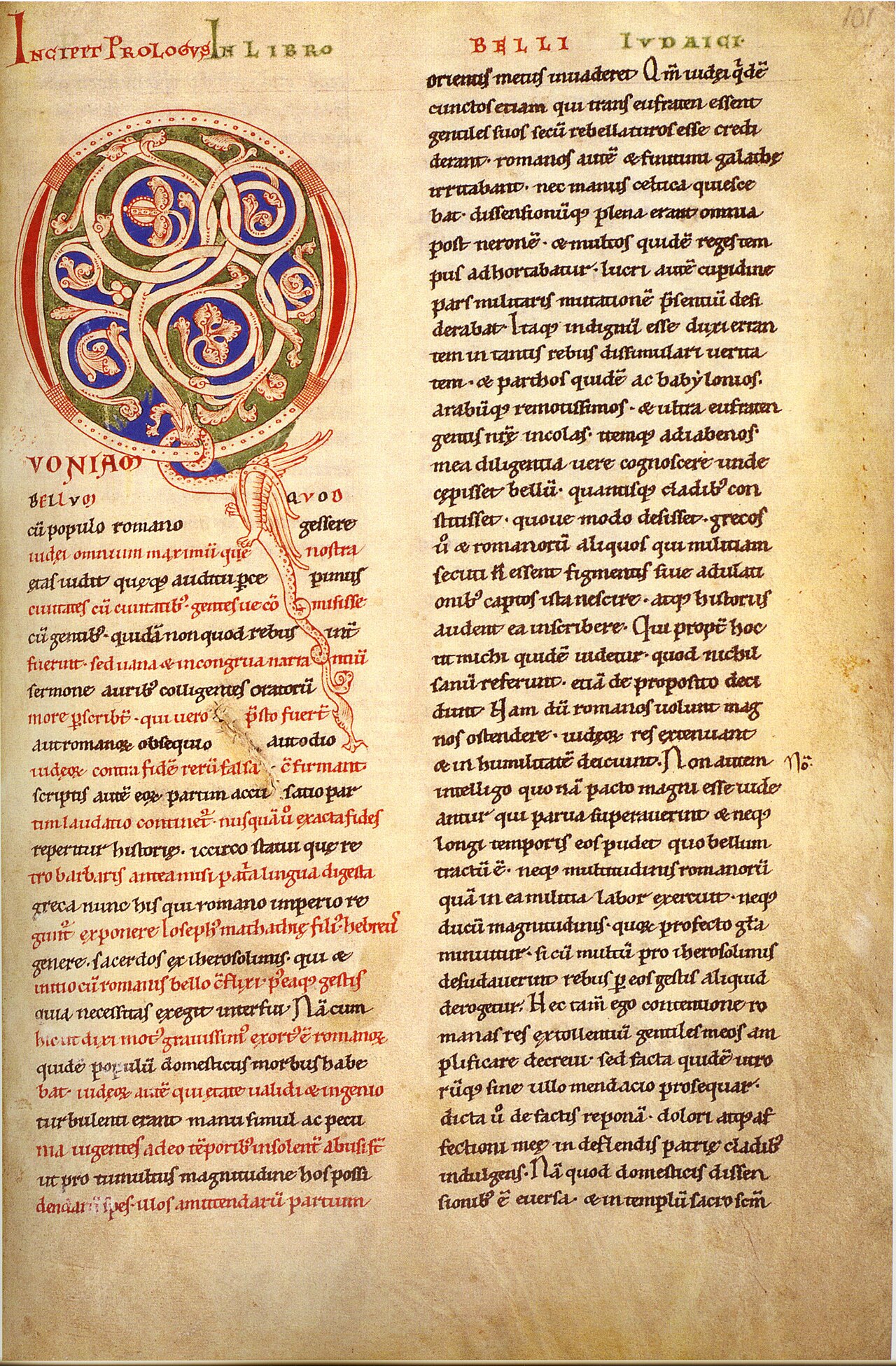
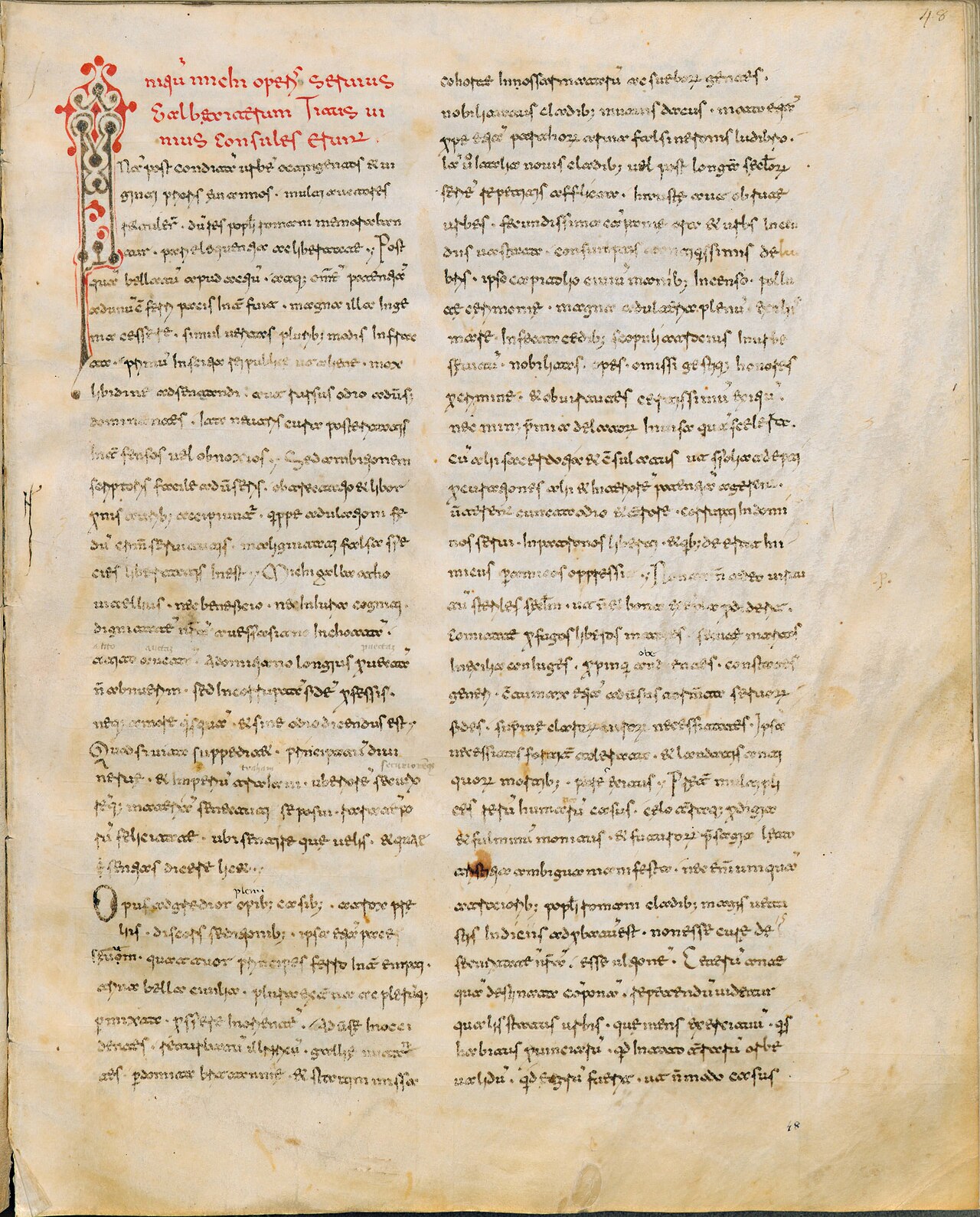
The Jewish War
Josephus · c. AD 75
 Artifact
Primary source
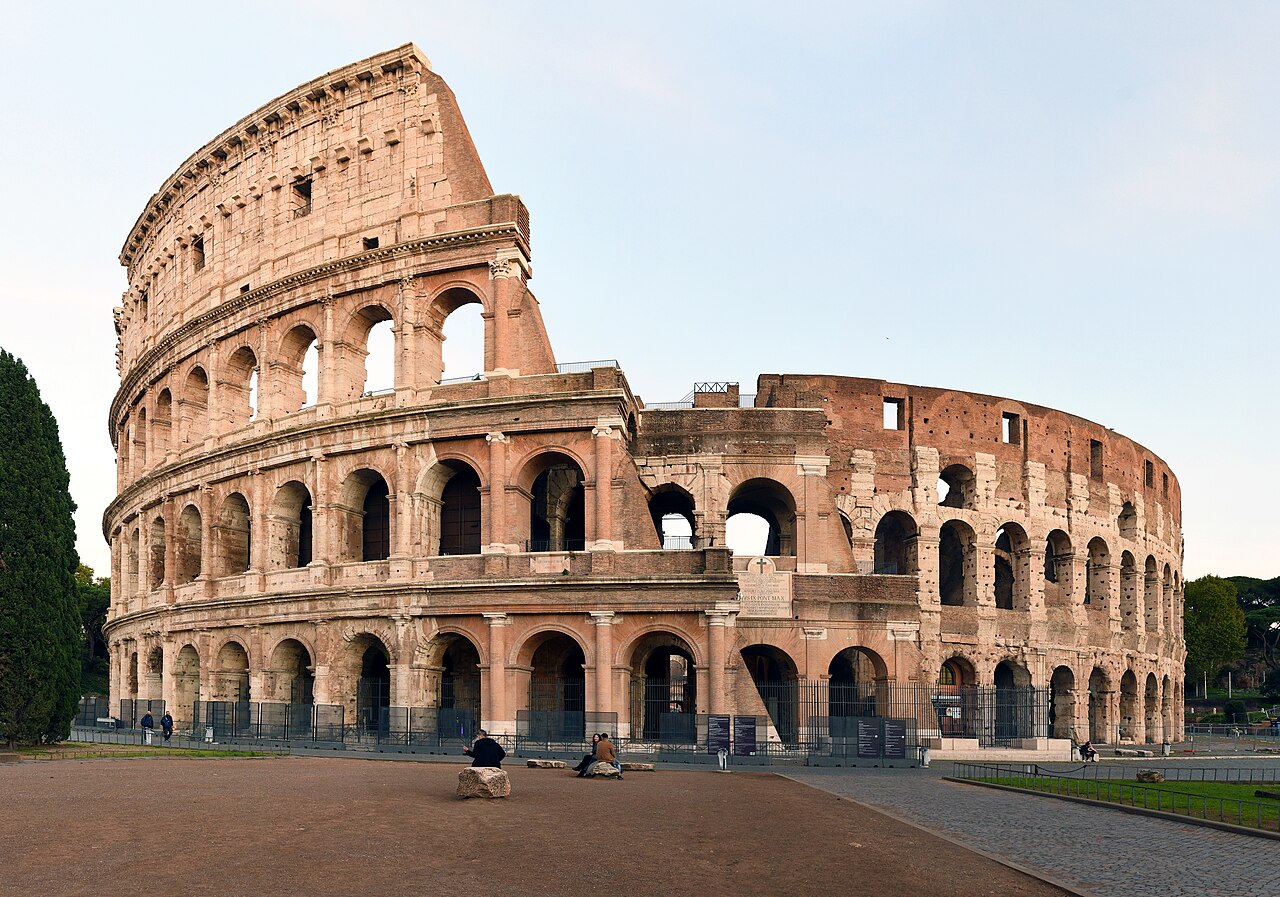
Colosseum
begun 72 AD, completed 80 AD
Free account
Read every Titus source
Sign up free →
Ready when you are
Start chatting with Titus now.
20 messages free · No credit card · Available in 50+ languages.