


Secondary sourcePainting1873
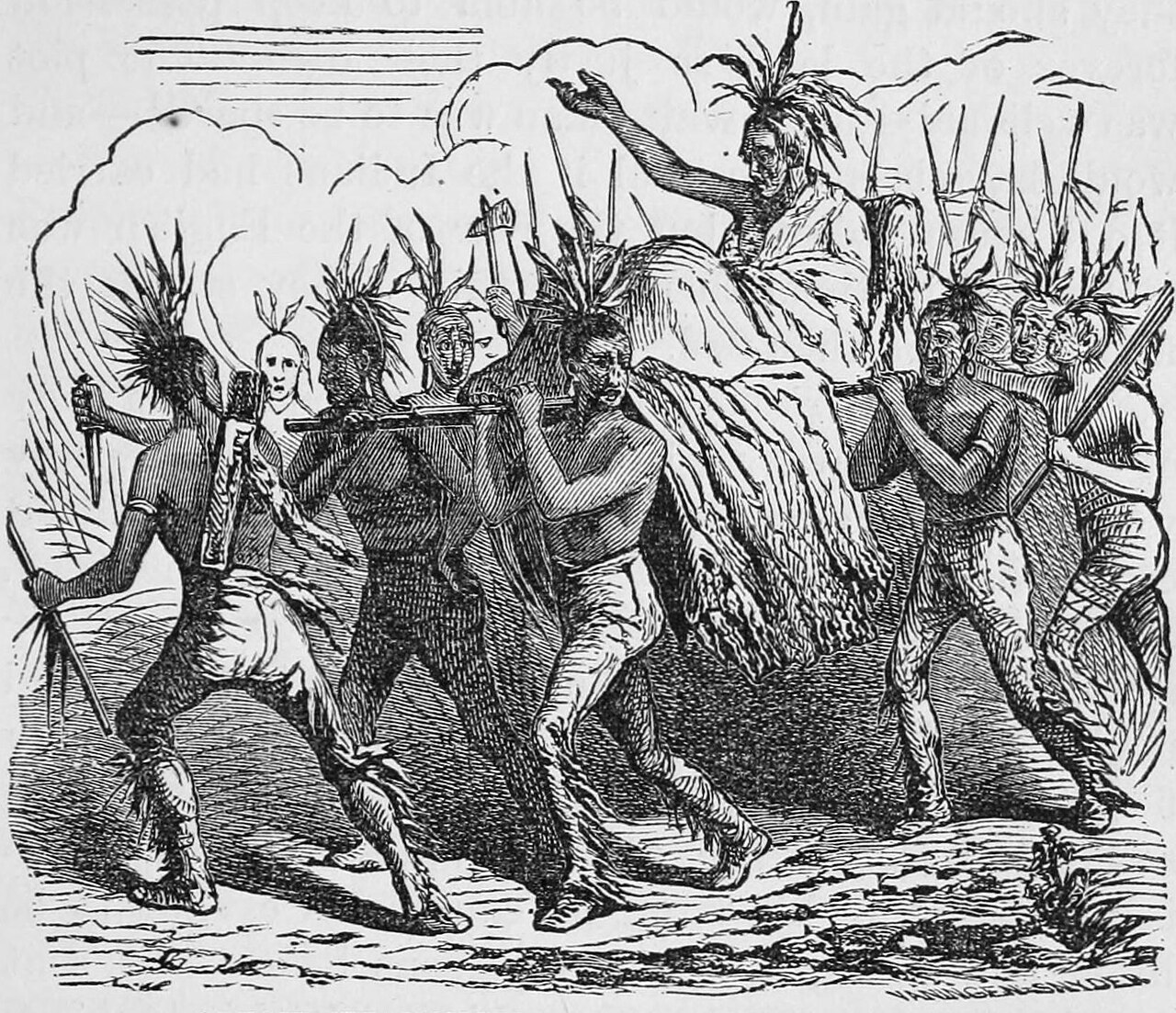
Opechancanough Leading His Warriors
Van Ingen and Snyder · 1873
A 19th-century schoolbook illustration of the elderly Opechancanough carried on a litter while leading the 1644 uprising against Virginia colonists.
Shows the elderly Opechancanough leading the 1644 uprising, as taught in a post-Civil War Virginia schoolbook.
About this source
What it is
This engraving, by Van Ingen and Snyder, appeared in Mary Tucker Magill's 1873 school history of Virginia. It shows Opechancanough, by then elderly and unable to walk, being carried on a litter before his warriors during the uprising of 1644.
Why it matters
According to the accompanying text, Opechancanough organized this final uprising after decades of concealed hatred toward English settlers, despite his advanced age and physical frailty. The image and text reveal how Virginia schoolchildren after the Civil War were taught to remember him: as a determined but ultimately doomed enemy of the colony.
Look closer
- Why does the artist show Opechancanough being carried rather than walking?
- What words does the 1873 text use to describe Native motives, and how might that differ from how Opechancanough saw his own cause?
- How might a history written for children shape what students believed about this event?
This painting is part of the curated material that grounds the AI version of Opechancanough on Humy.ai — when students ask about related events, the AI can quote it and cite it.
More Opechancanough sources
Browse all 30 →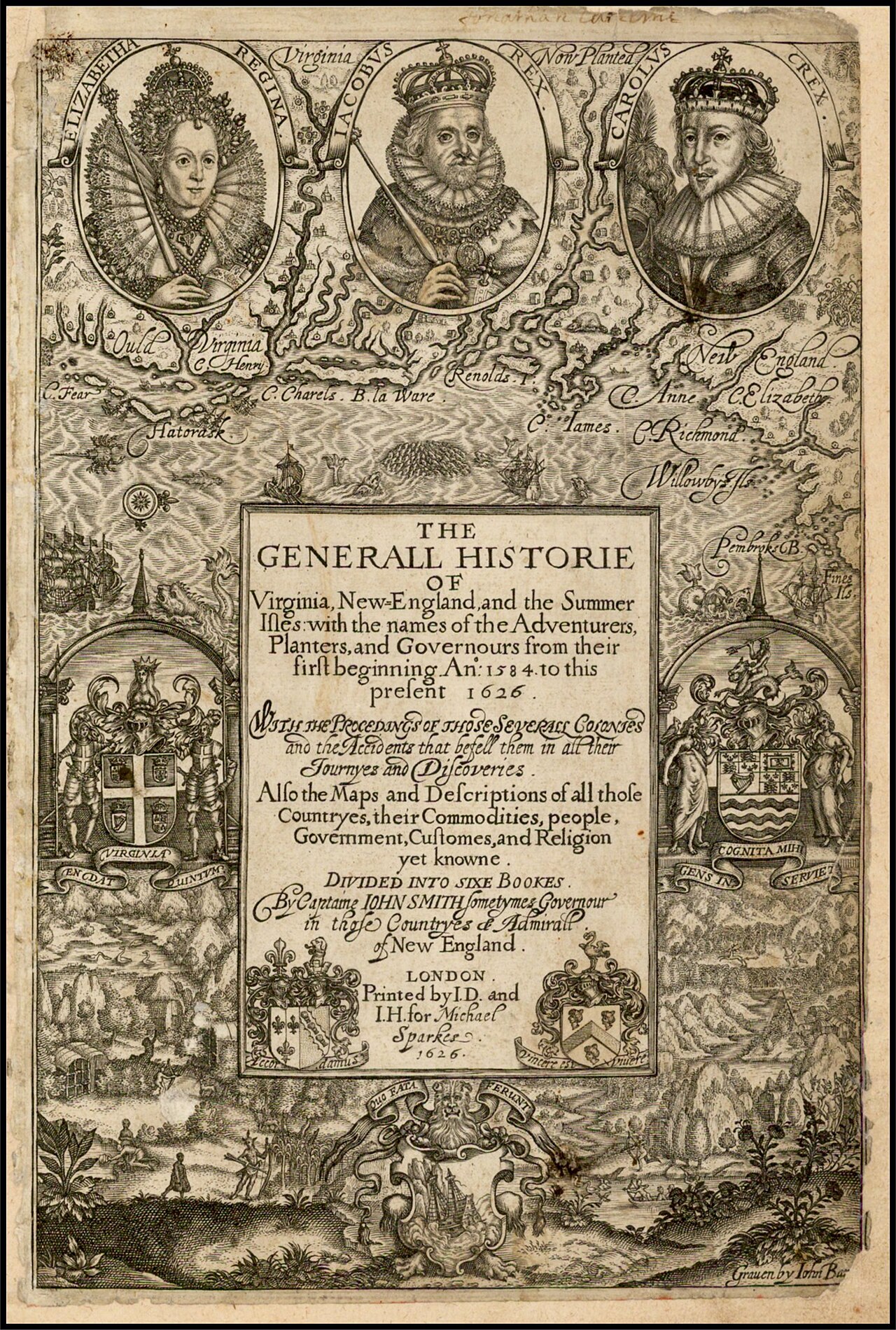 Book
Primary source
The Generall Historie of Virginia, New-England, and the Summer Isles
John Smith · 1624
 Painting
Primary source
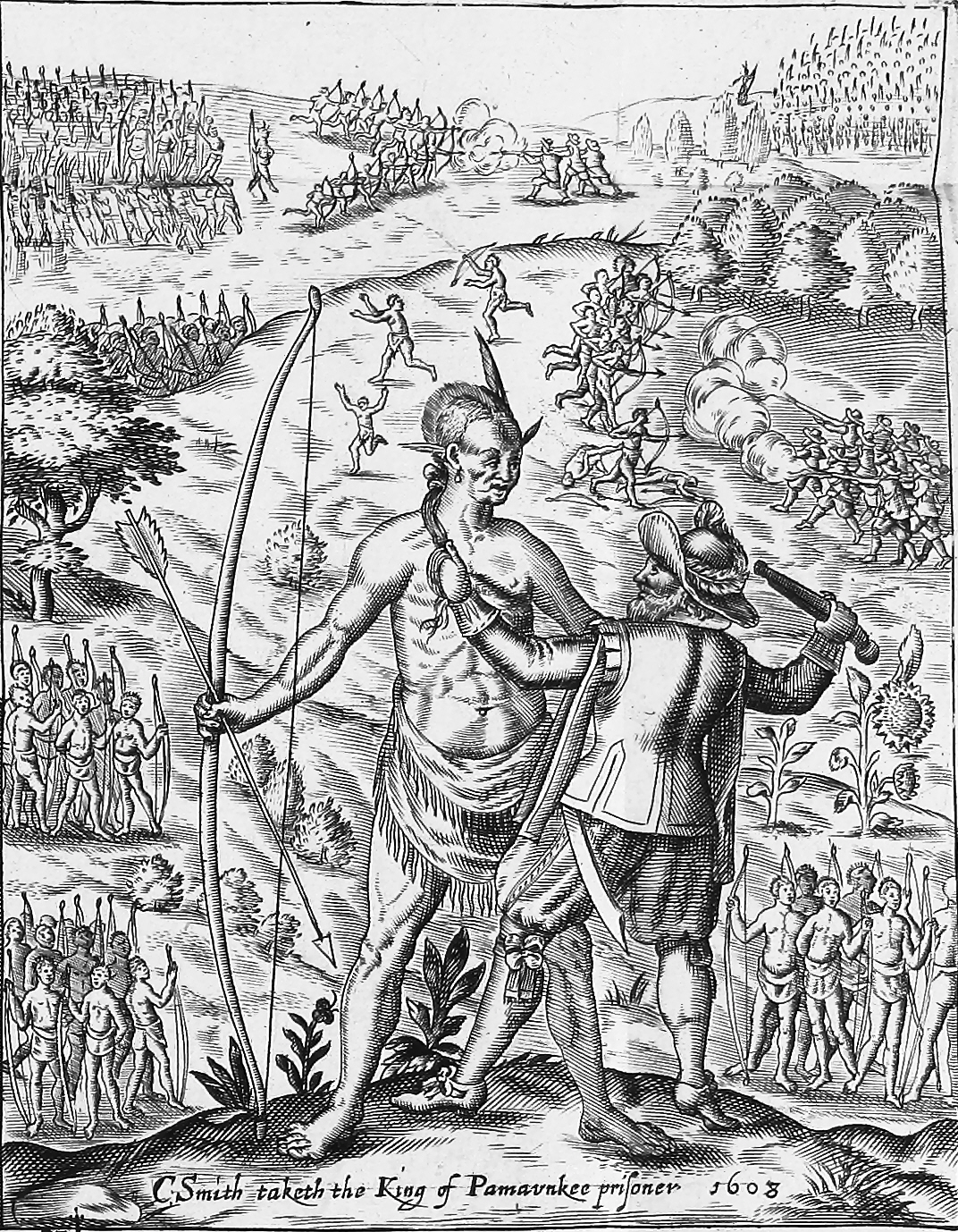
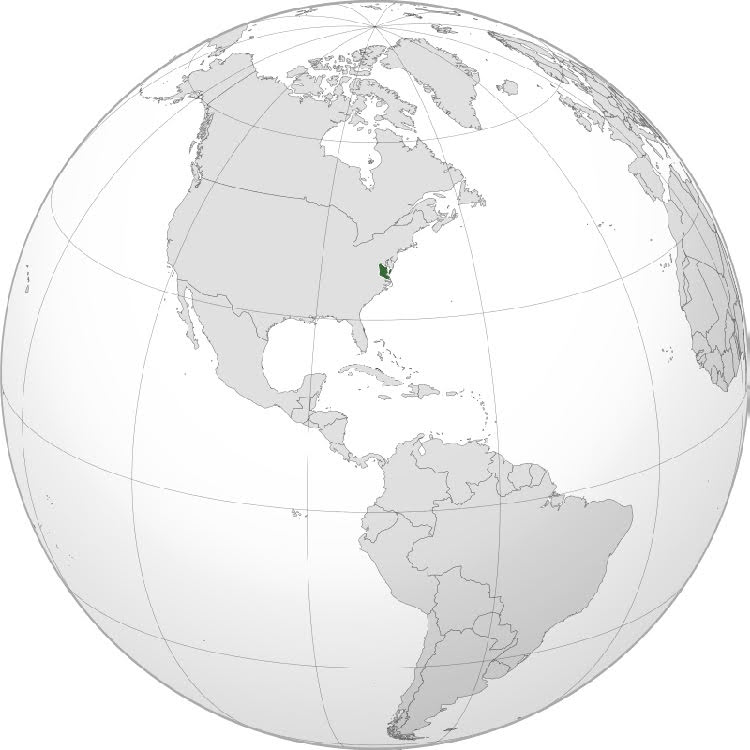
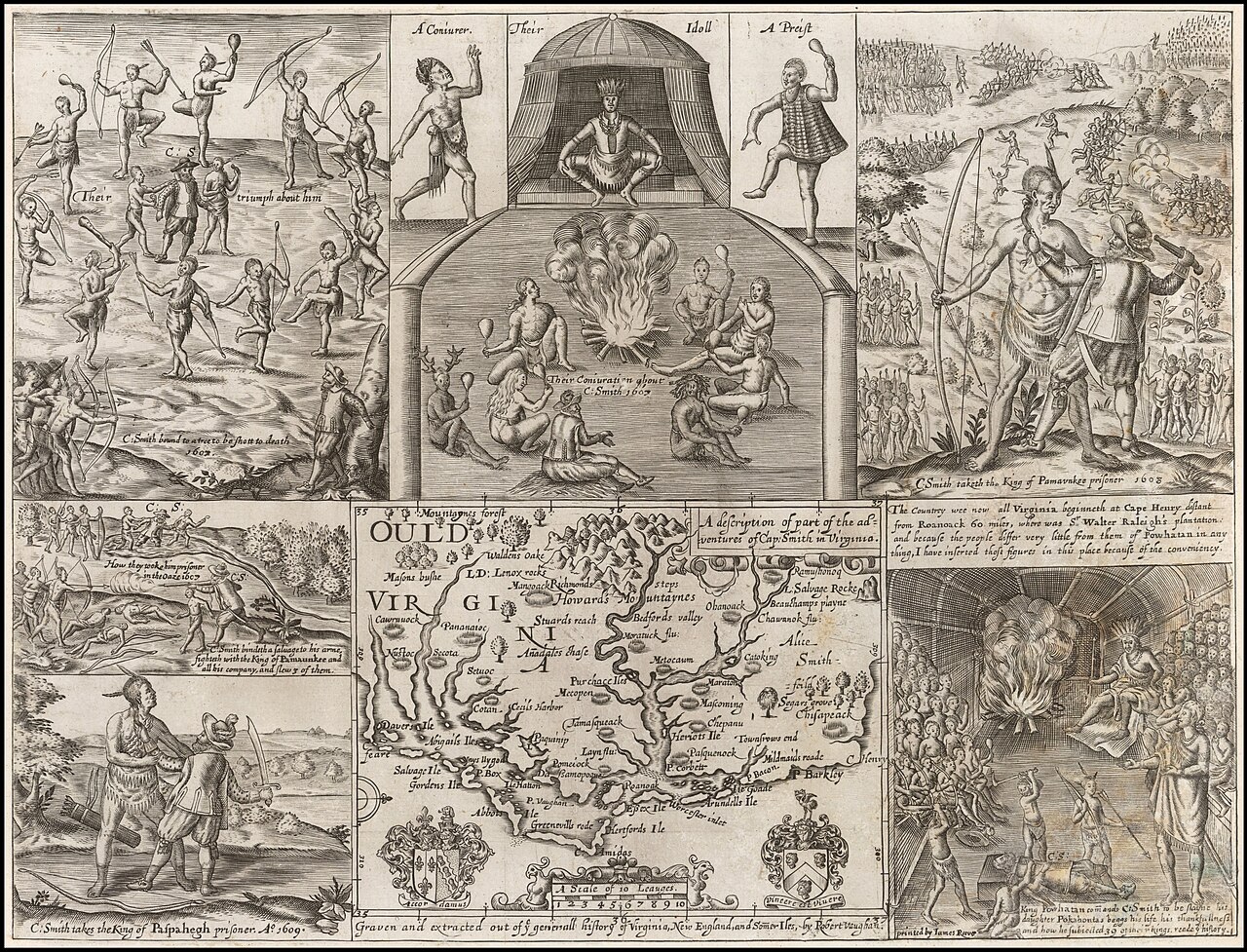
John Smith taking the King of Pamunkee prisoner
Robert Vaughan · 1624
Secondary source
The History and Present State of Virginia
Robert Beverley · 1705
Secondary source
The First Republic in America
Alexander Brown · 1898
Free account
Read every Opechancanough source
Sign up free →
Ready when you are
Start chatting with Opechancanough now.
20 messages free · No credit card · Available in 50+ languages.