


Secondary sourcePainting1846–1853
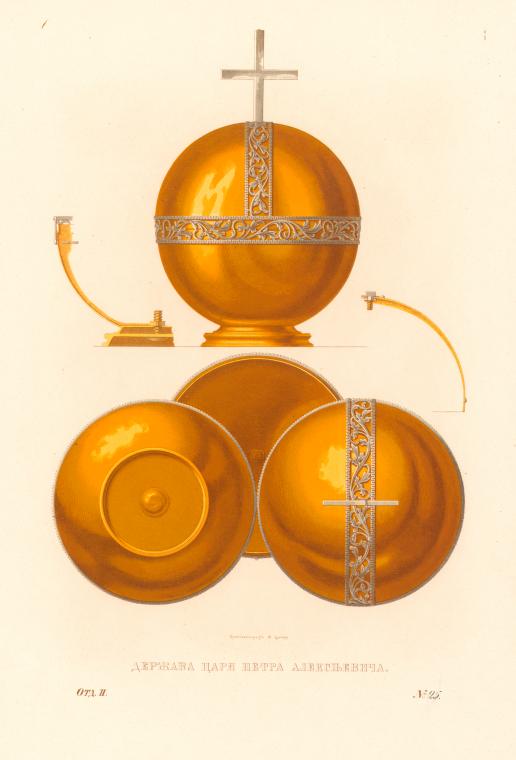
Orb of Tsar Peter I
Fyodor Grigoryevich Solntsev · 1846–1853
A 19th-century engraving of the imperial orb of Peter the Great, which Peter II ordered placed in the Kremlin Armoury in 1728.
Peter II issued the 1728 decree ordering this orb's safekeeping, showing his exercise of imperial authority.
About this source
What it is
This colour lithograph, made between 1846 and 1853 by artist Fyodor Grigoryevich Solntsev, depicts the golden orb that had belonged to Tsar Peter I. According to the accompanying record, the orb was deposited in the Kremlin Armoury in 1728 by decree of Emperor Peter II.
Why it matters
The orb was part of the Russian coronation regalia, a symbol of imperial power. Peter II's decree ordering its safekeeping shows him exercising imperial authority as a boy emperor, managing the treasures of his grandfather Peter the Great.
Look closer
- What do the gold, silver, and jewels on the orb suggest about its symbolic importance?
- Why might a young emperor like Peter II have ordered this object preserved so carefully?
- How does an illustration made over a century later differ from seeing the real object?
This painting is part of the curated material that grounds the AI version of Peter II of Russia on Humy.ai — when students ask about related events, the AI can quote it and cite it.
More Peter II of Russia sources
Browse all 47 →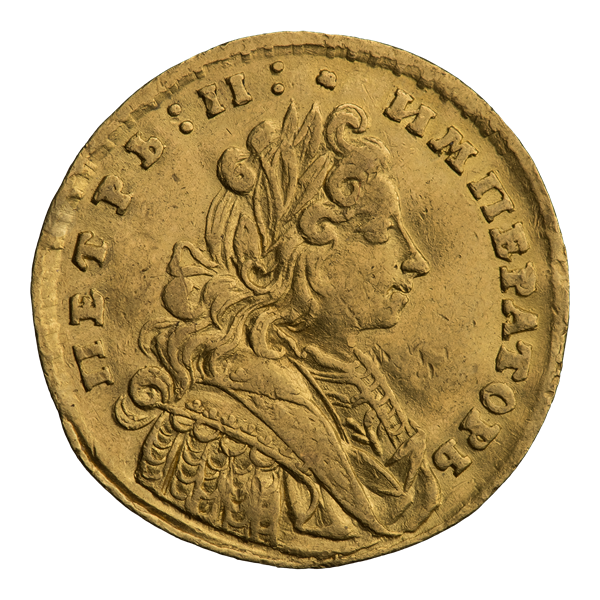 Artifact
Primary source
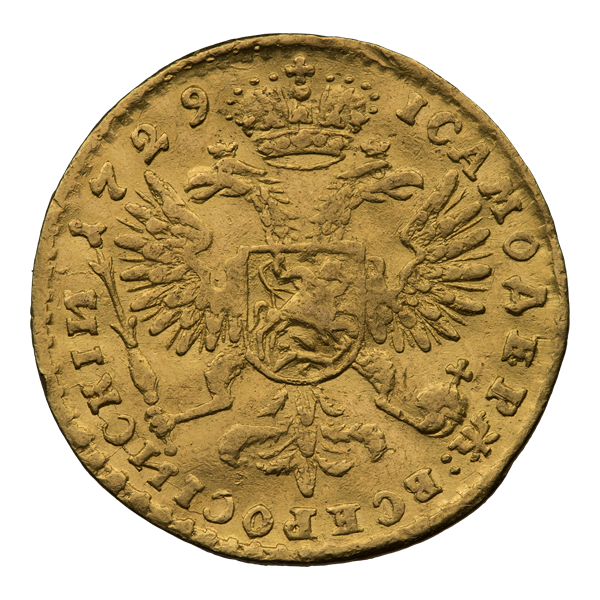
Chervonets of 1729 (obverse)
1729
 Artifact
Primary source
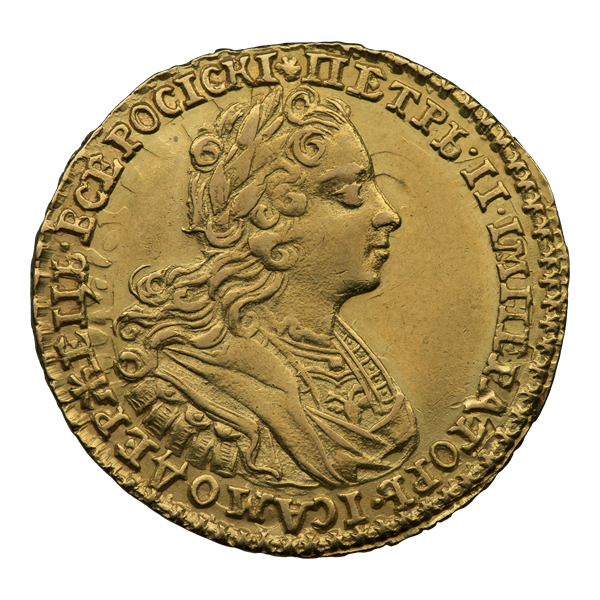
Two Roubles of 1727 (obverse)
1727
 Document
Primary source
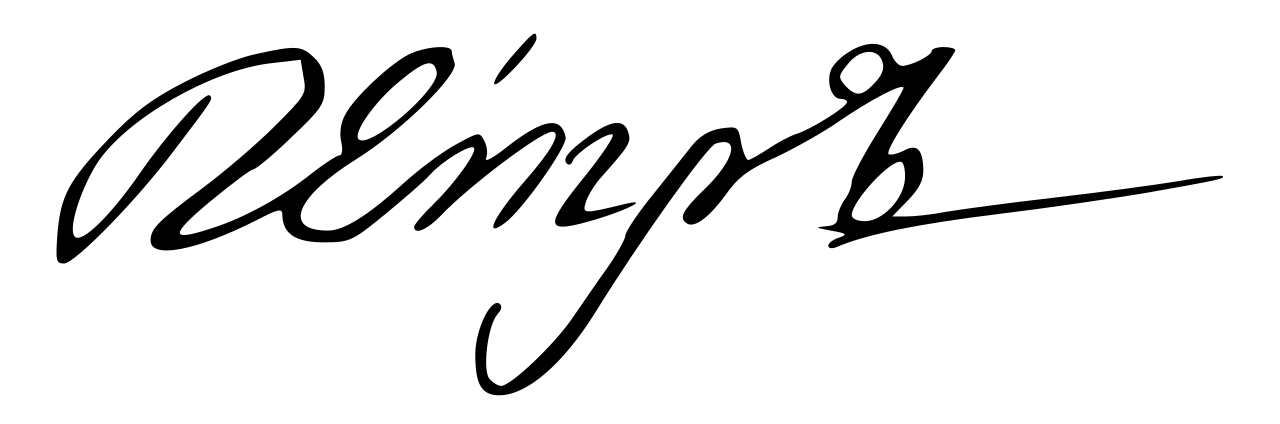
Signature of Peter II of Russia
Peter II of Russia
 Painting
Secondary source
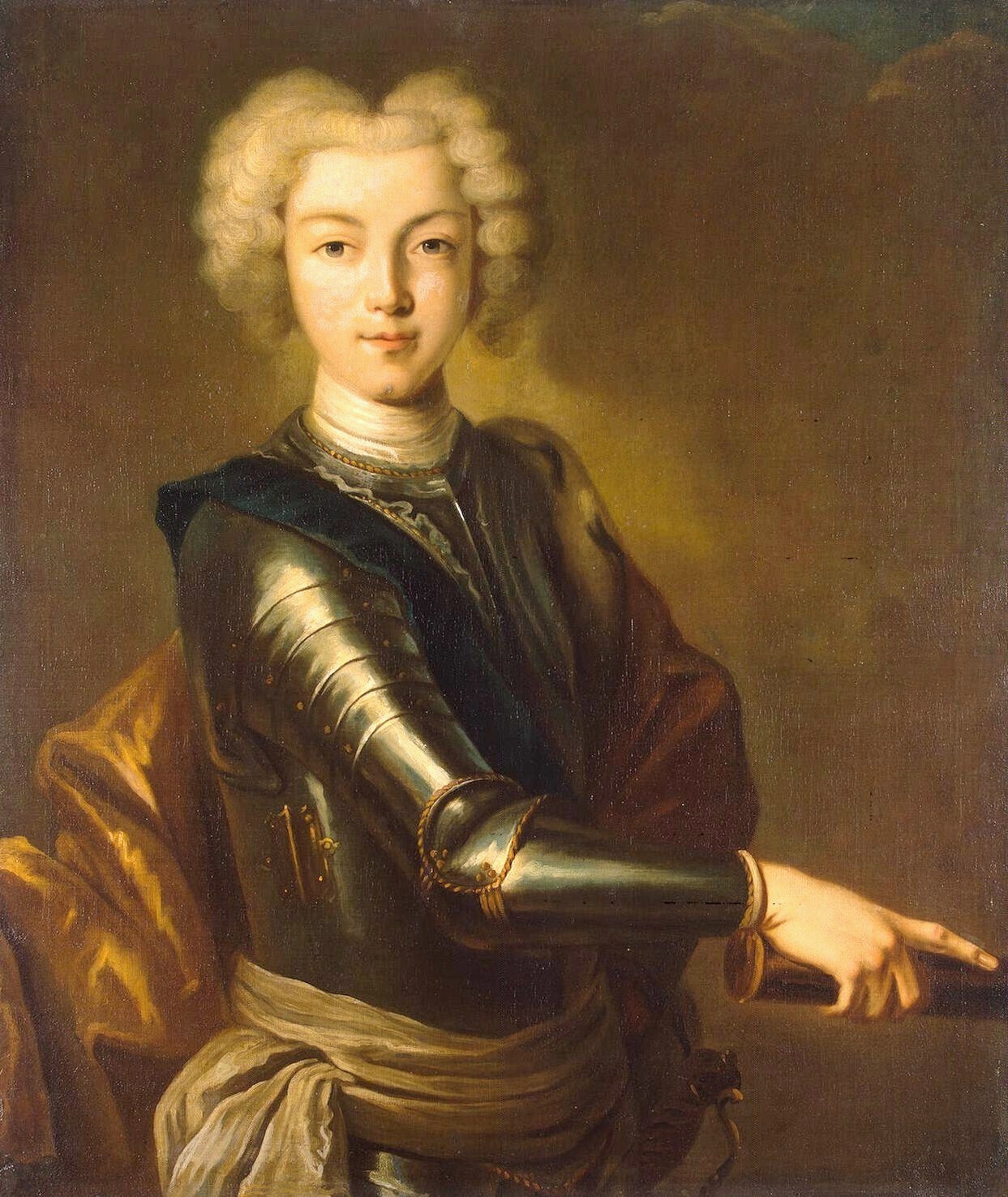
Portrait of Peter II
Unknown painter · 1755
Free account
Read every Peter II of Russia source
Sign up free →
Ready when you are
Start chatting with Peter II of Russia now.
20 messages free · No credit card · Available in 50+ languages.