


Primary sourceBook1910
Osteopathy: Research and Practice
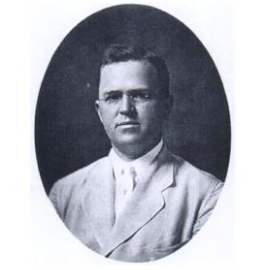
A. T. Still · 1910
A 1910 text by A. T. Still, founder of osteopathy, representing the medical tradition Cayce credited in his approach to healing.
Represents the osteopathic medical tradition that Cayce credited as part of his healing approach, though not about him.
Free Humy account · No credit card · 120,288 sources to read
About this source
What it is
Written by Andrew Taylor Still, the founder of osteopathy, this 1910 book sets out his research and practice of osteopathic medicine, describing the human body region by region and relating disease to nerve and blood supply.
Why it matters
Osteopathy was one of the alternative medical traditions of the era, and Still was its founding figure. Edgar Cayce is known to have credited osteopathy among the practices he drew on in his own claimed healing readings, although this book makes no mention of Cayce himself.
Look closer
- Why might alternative medical movements like osteopathy have grown popular in this period?
- What does this book's dedication reveal about Still's own beliefs about the human body?
- How might a figure like Cayce have borrowed ideas from an established medical founder like Still?
This book is part of the curated material that grounds the AI version of Edgar Cayce on Humy.ai — when students ask about related events, the AI can quote it and cite it.
More Edgar Cayce sources
Browse all 15 →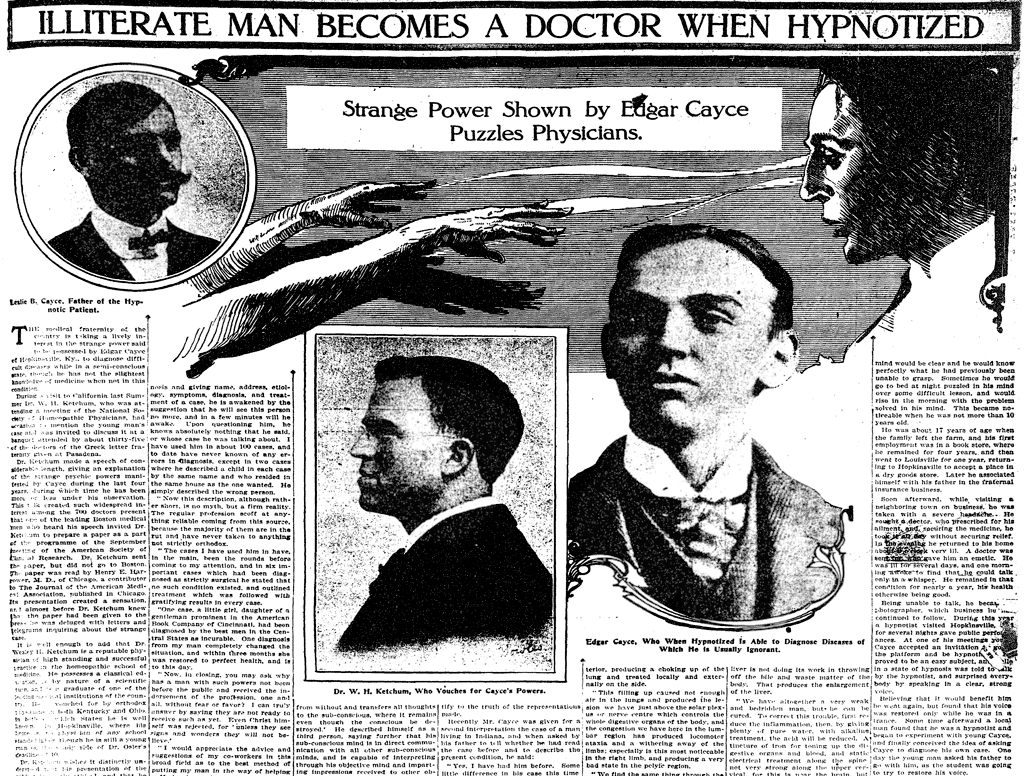 Newspaper article
Primary source
Illiterate Man Becomes a Doctor When Hypnotized
New York Times · 9 October 1910
 Photograph
Primary source
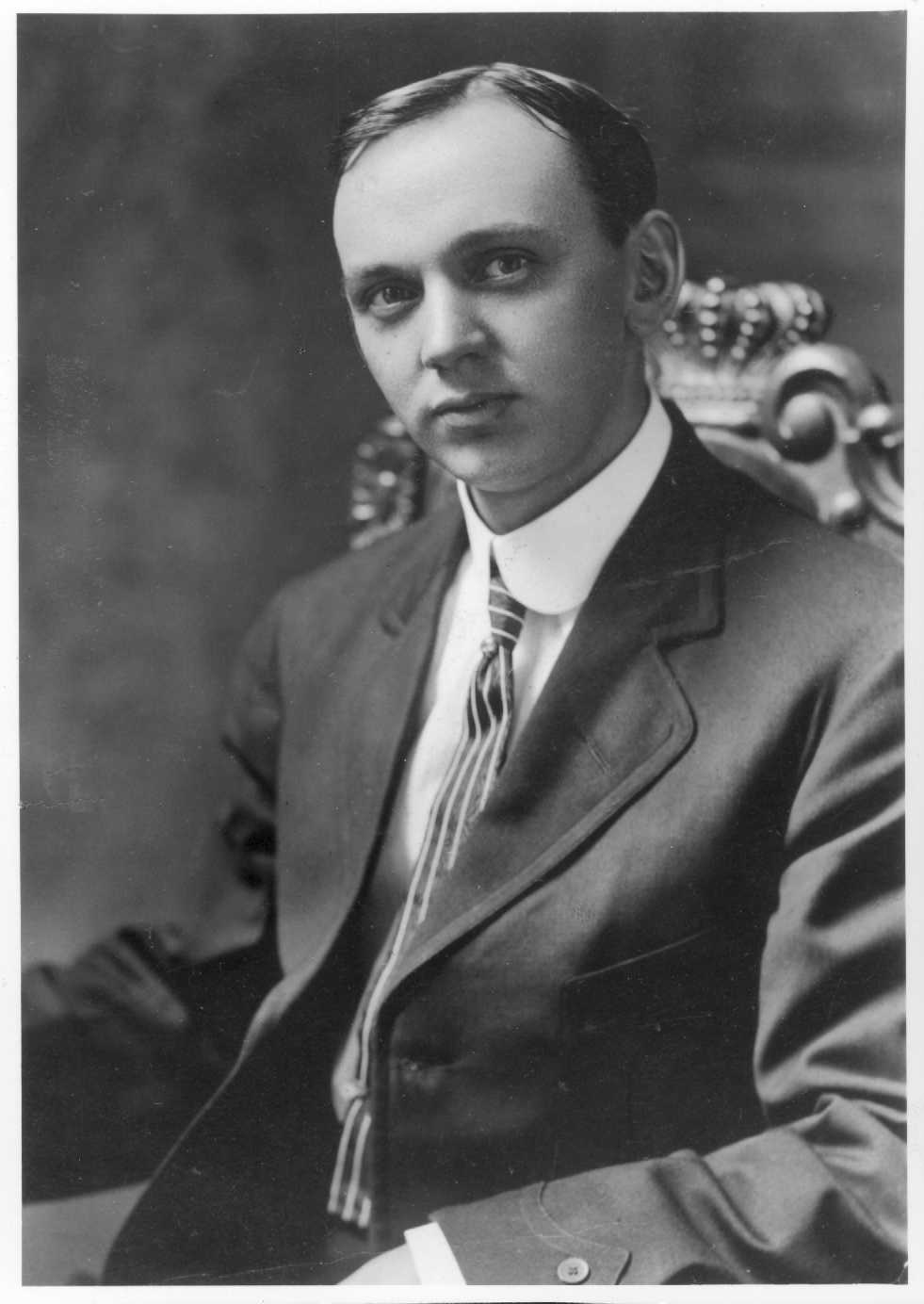
Portrait of Edgar Cayce
c. 1910
 Book
Secondary source
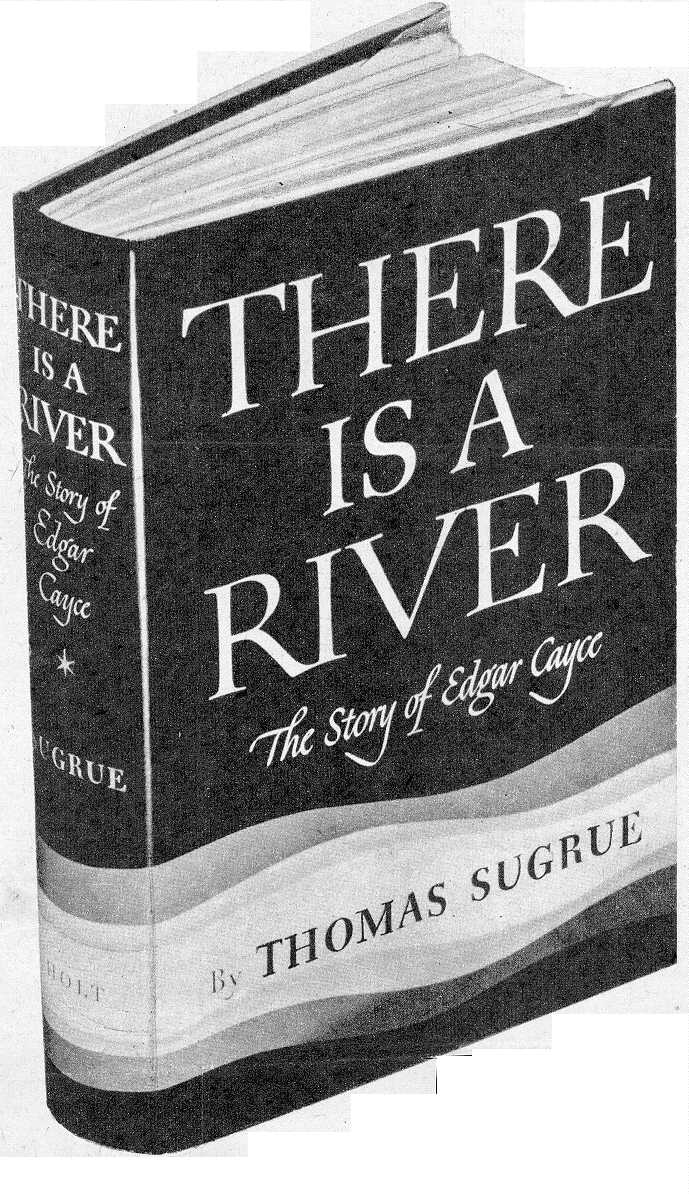
There Is a River Original Book Cover
Thomas Sugrue · 1942
 Artifact
Primary source
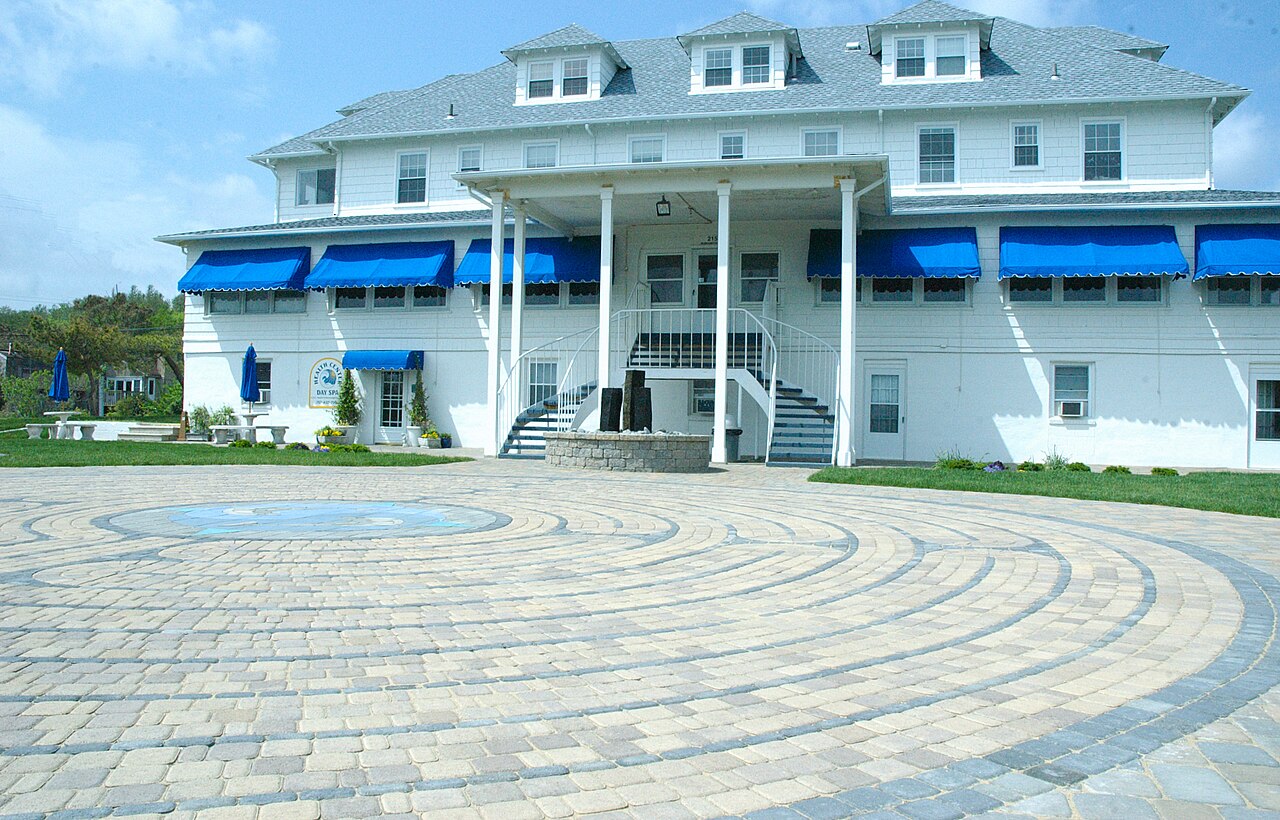
Cayce Hospital Building
1928–1929

Free account
Read every Edgar Cayce source
Sign up free →
Ready when you are
Start chatting with Edgar Cayce now.
20 messages free · No credit card · Available in 50+ languages.