


Primary sourceArtifact2006
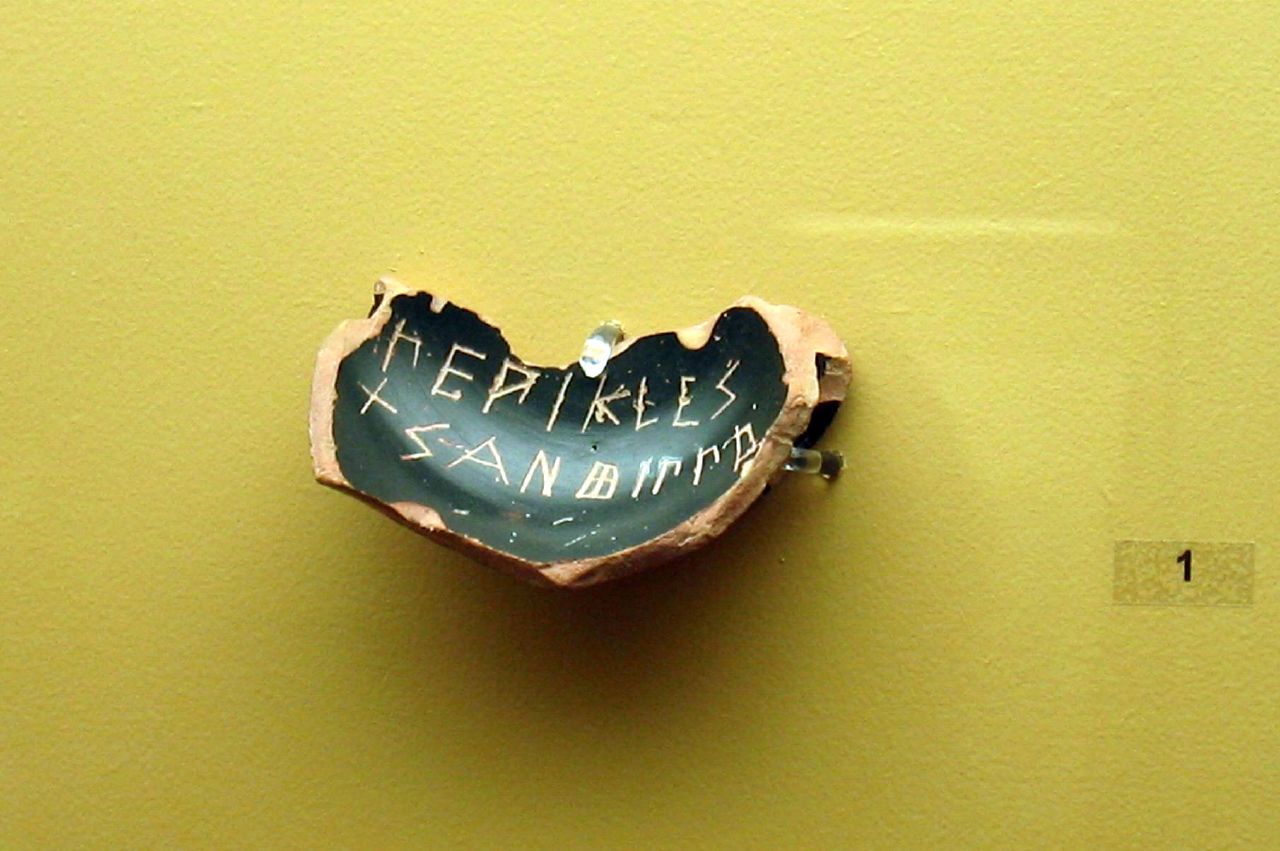
Ostrakon bearing the name of Pericles
2006
A broken pottery sherd with the name of Pericles scratched on it, used as a voting token in ancient Athens. It is displayed at the Ancient Agora Museum.
Shows Pericles's name on a voting token, a direct trace of how Athenians could vote against him through ostracism.
About this source
What it is
This is a broken pottery sherd, an ostrakon, with a dark glaze and scratched Greek letters reading ΠΕΡΙΚΛΕΣ, which is Pericles's name, with ΣΑΝΘΙΠΠΟΣ written below it. A small label reading 1 appears at the lower right. The sherd is mounted on a yellow wall at the Ancient Agora Museum in Athens. The photograph was taken on 25 April 2006 by wallyg.
Why it matters
Ostraca like this one were used in Athens to vote on which citizen should be sent away, and this example shows Pericles's name on the ballot. The second name, Santhippos, is the name of Pericles's father in ancient sources, which links the sherd to his family. The object is a direct trace of a political vote, which makes it unusually close to the events it records.
Look closer
- What does the second name on the sherd suggest about how the voting was organized?
- Who wrote these letters, and why would a citizen choose to write a name on pottery?
- What does the object leave out about the voters who did not write the names, or about the people who were not allowed to vote?
This artifact is part of the curated material that grounds the AI version of Pericles on Humy.ai — when students ask about related events, the AI can quote it and cite it.
More Pericles sources
Meet the AI Pericles →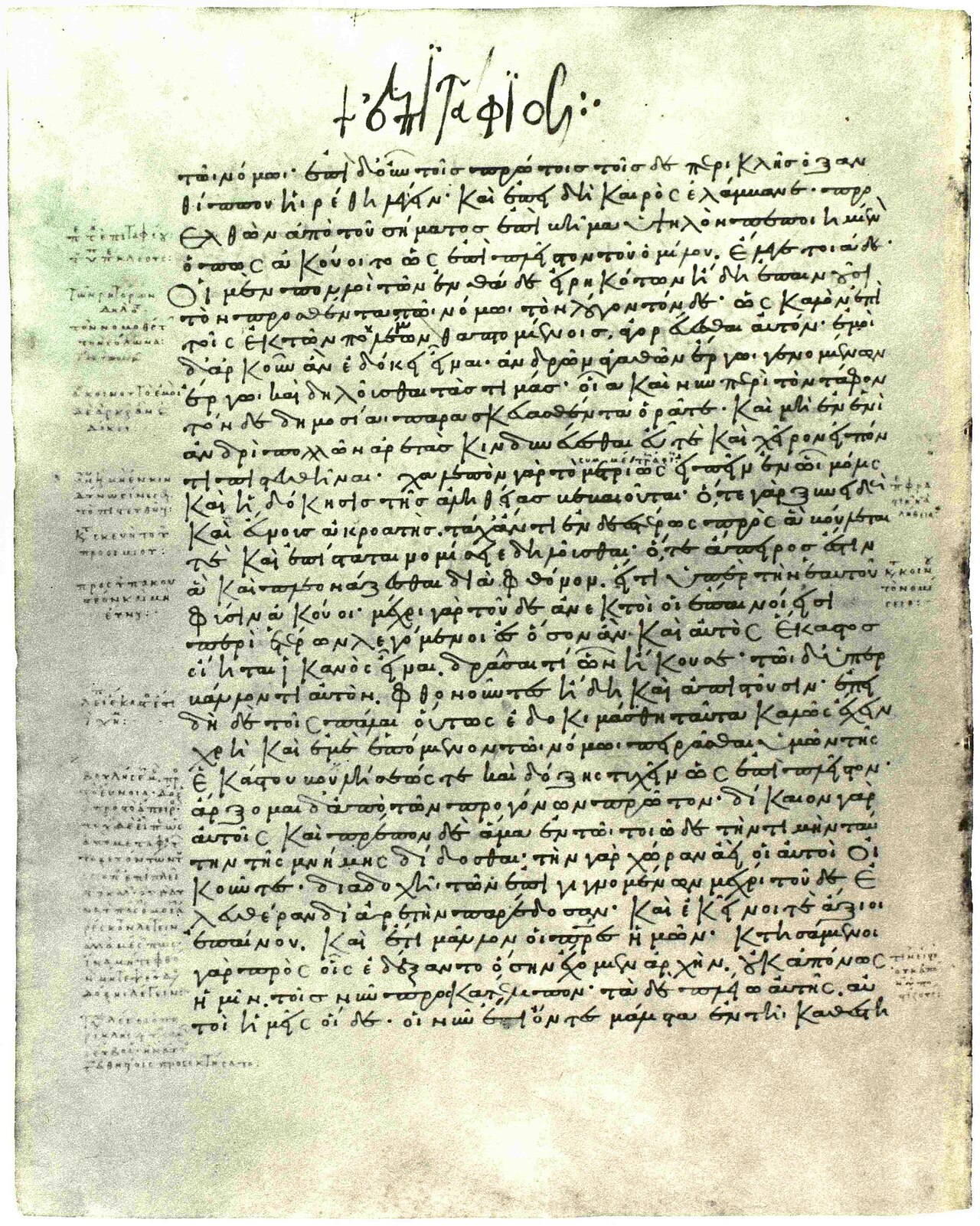 Speech
Secondary source
Pericles' Funeral Oration
Thucydides · 431/430 BCE
 Artifact
Primary source
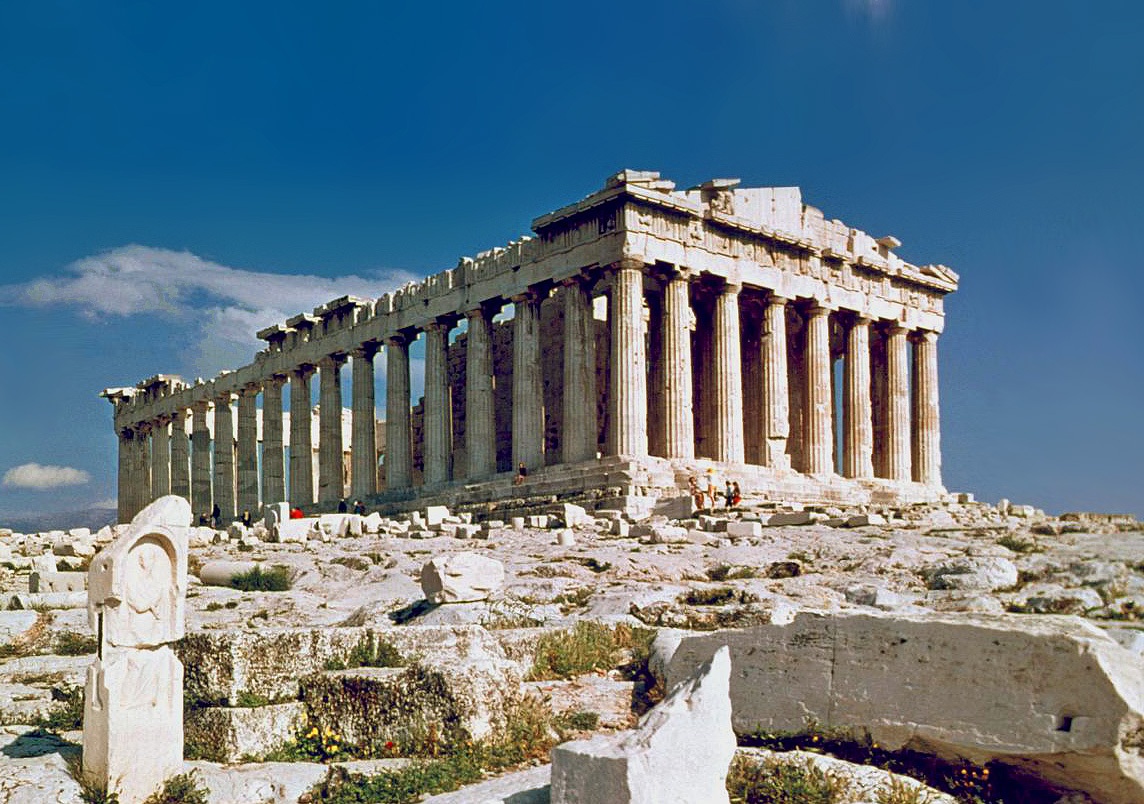
Parthenon
447-432 BCE
 Sculpture
Secondary source
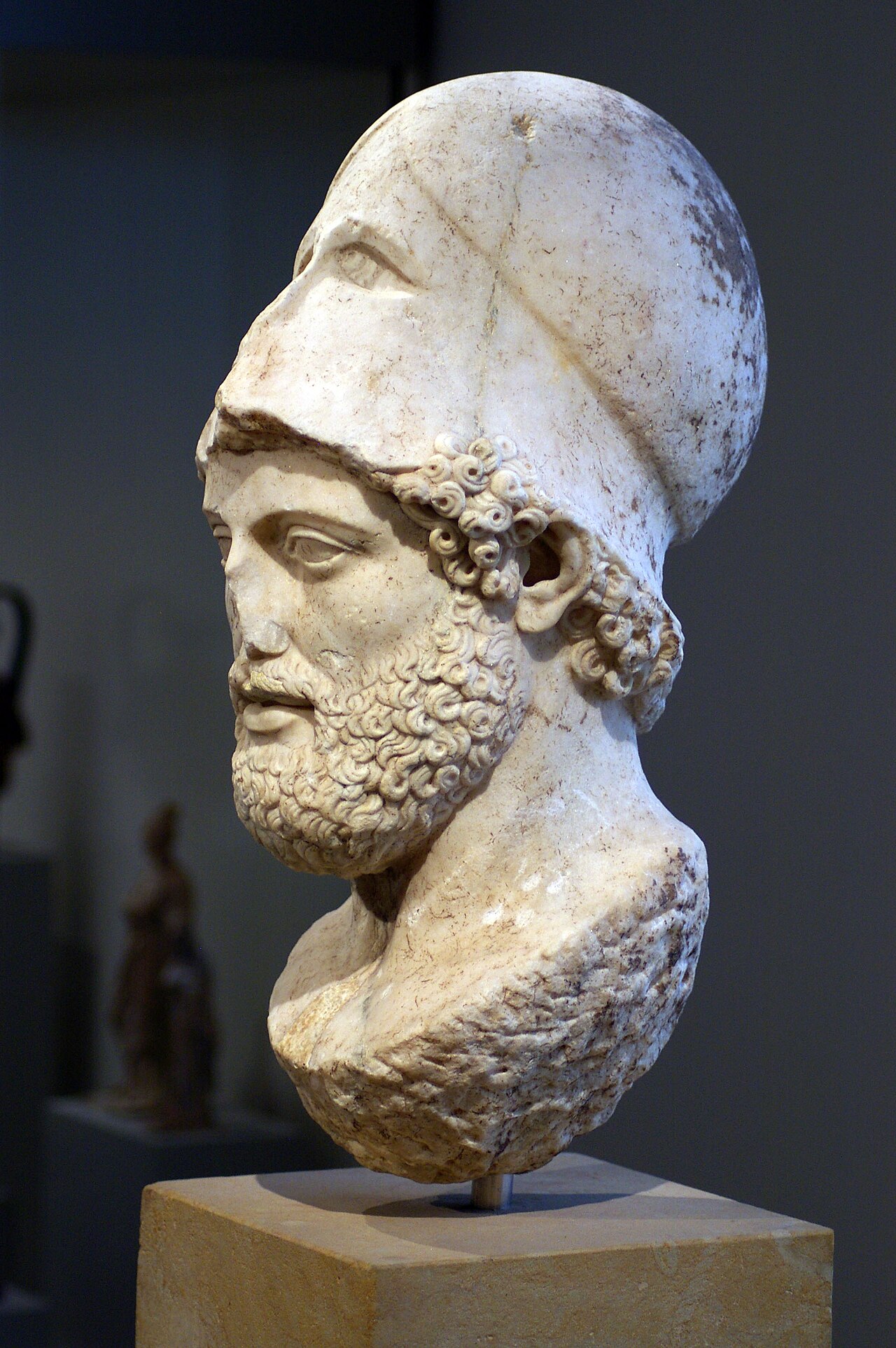
Pericles with the Corinthian Helmet
Kresilas · Roman copy, from a Greek original near Pericles' lifetime
 Book
Primary source
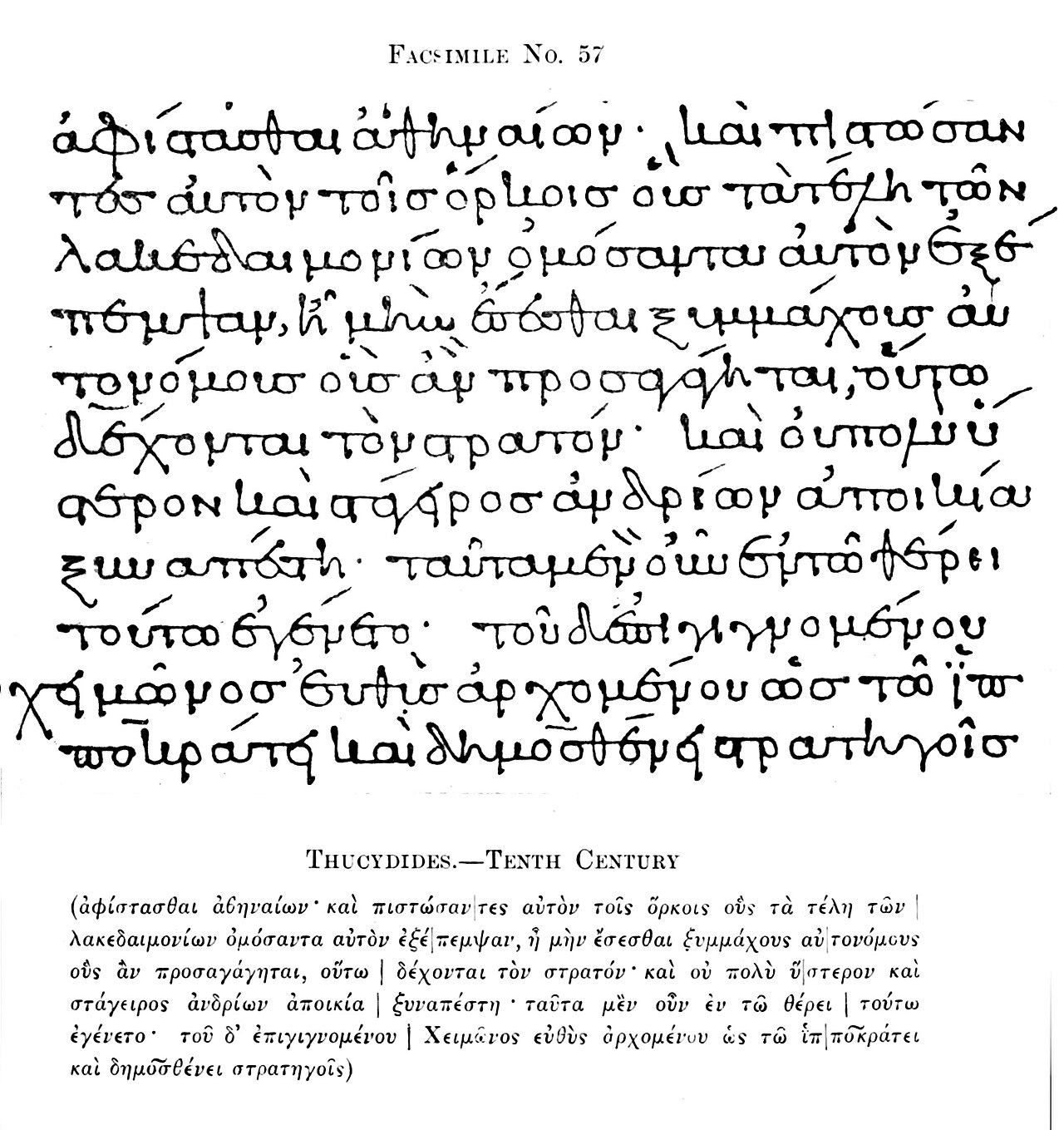
History of the Peloponnesian War
Thucydides · 5th century BCE
Secondary source
Life of Pericles
Plutarch
Ready when you are
Start chatting with Pericles now.
20 messages free · No credit card · Available in 50+ languages.