


Primary sourceArtifact444 BC
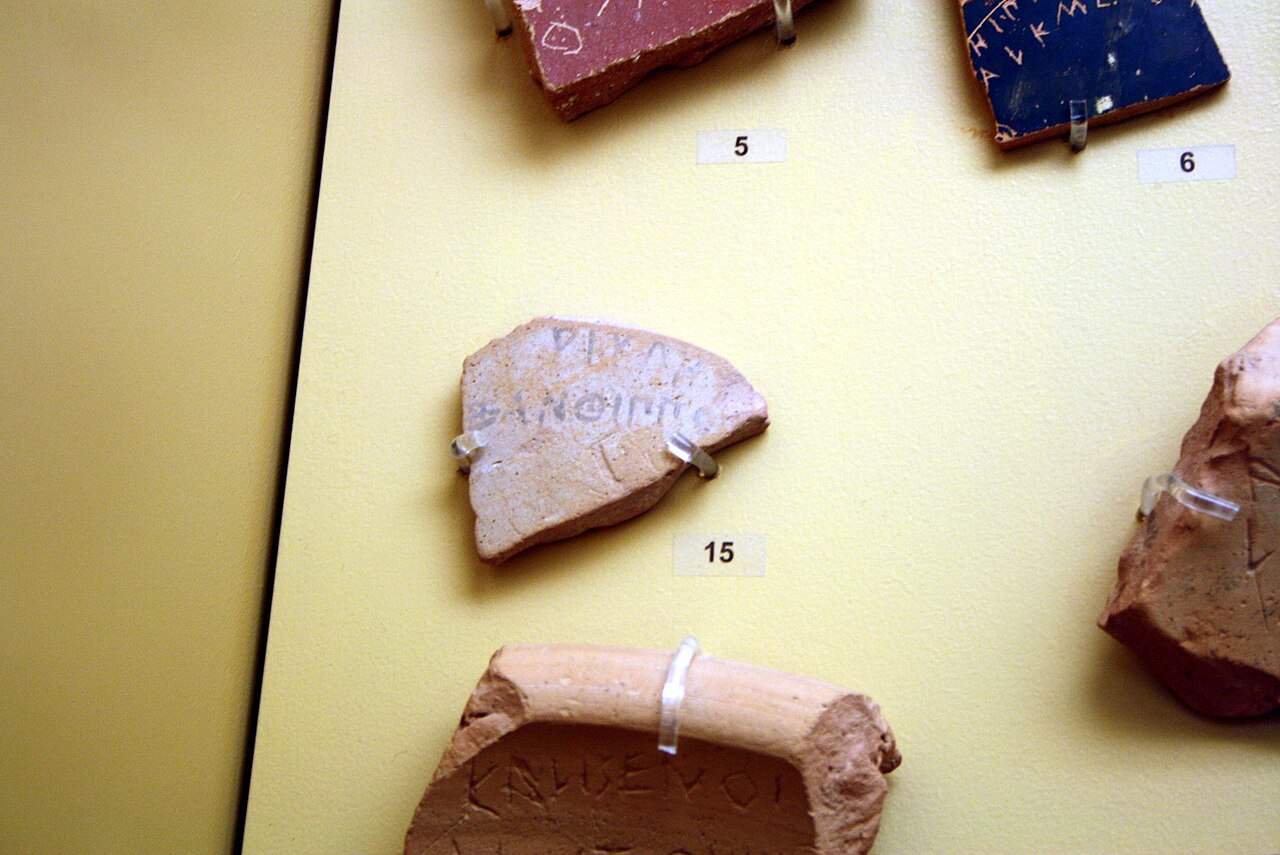
Ostrakon Proposing Pericles' Exile, 444 BC
444 BC
An ancient pottery ballot inscribed with Pericles' name, cast in a vote to possibly exile him in 444 BC.
A ballot cast against Pericles himself, showing he was personally subject to an ostracism vote in 444 BC.
About this source
What it is
This is a single ostrakon, a piece of pottery inscribed with a politician's name for an ostracism vote. This specimen names Pericles, who was put to such a vote in 444 BC. It is displayed in the Ancient Agora Museum in Athens, housed in the Stoa of Attalus. The photograph was taken in 2009.
Why it matters
This fragment is a direct, physical trace of Athenian democratic practice and of Pericles' political career. It shows that even as one of Athens' most powerful leaders, Pericles faced the same risk of exile as any other citizen under this voting system.
Look closer
- What does the faded, handwritten quality of the inscription tell you about who made it?
- Why might citizens have wanted to vote Pericles into exile in 444 BC?
- What does a single vote like this not tell you about the outcome?
This artifact is part of the curated material that grounds the AI version of Pericles on Humy.ai — when students ask about related events, the AI can quote it and cite it.
More Pericles sources
Meet the AI Pericles →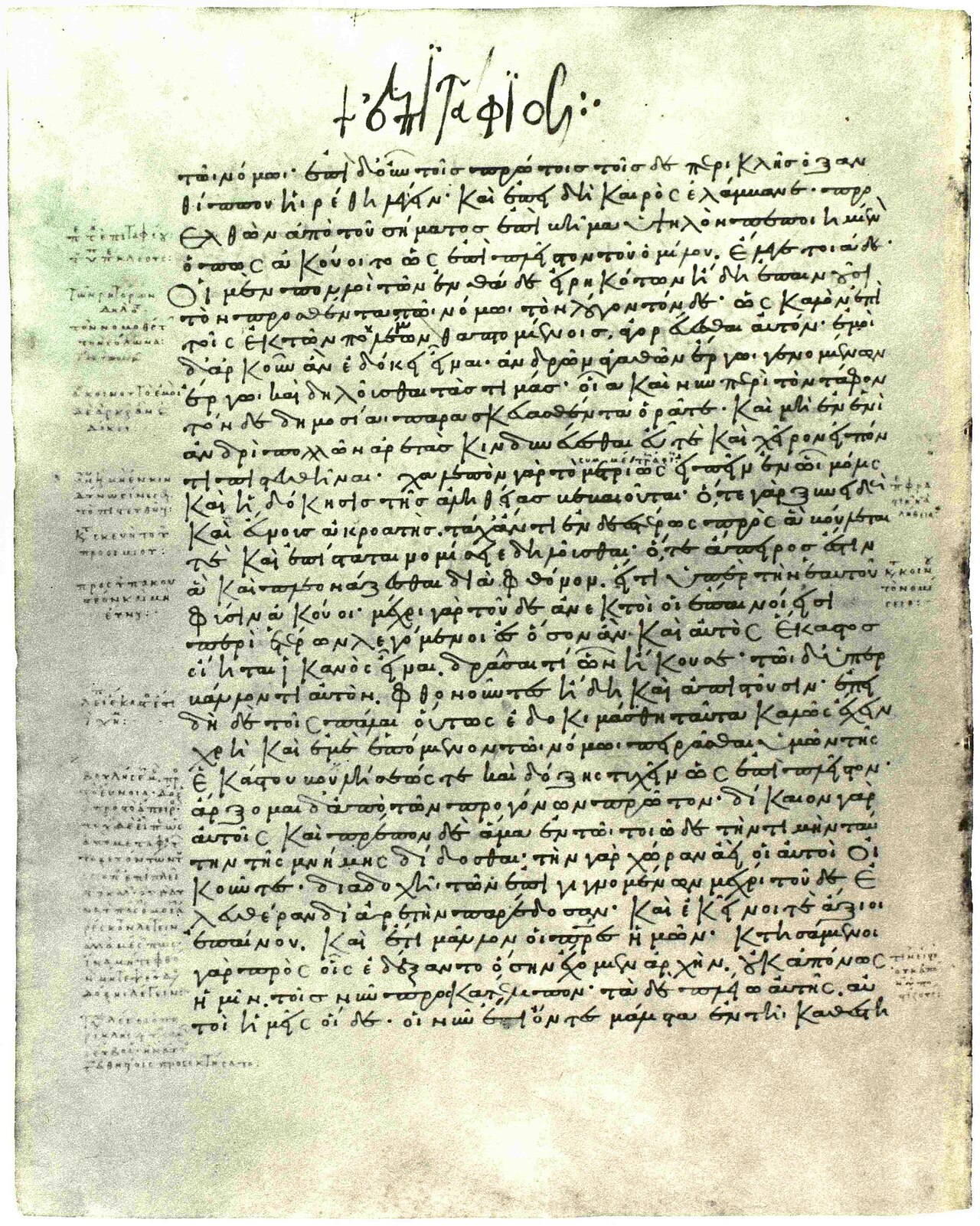 Speech
Secondary source
Pericles' Funeral Oration
Thucydides · 431/430 BCE
 Artifact
Primary source
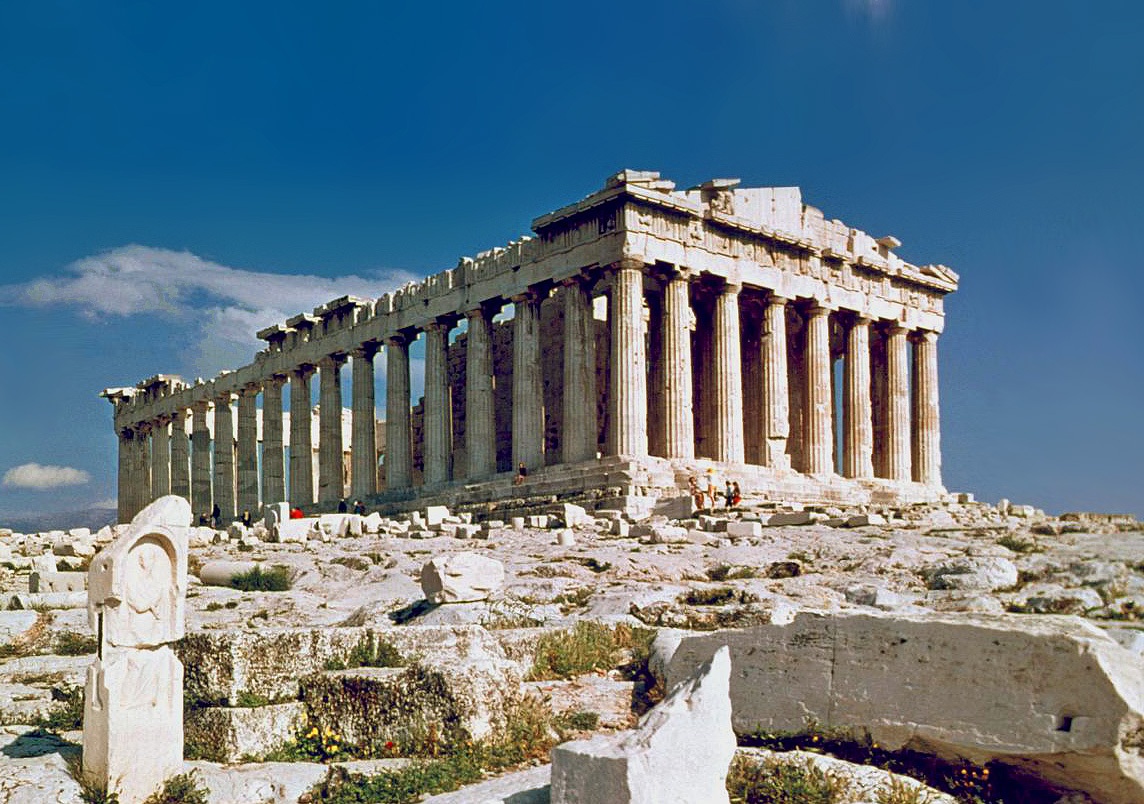
Parthenon
447-432 BCE
 Sculpture
Secondary source
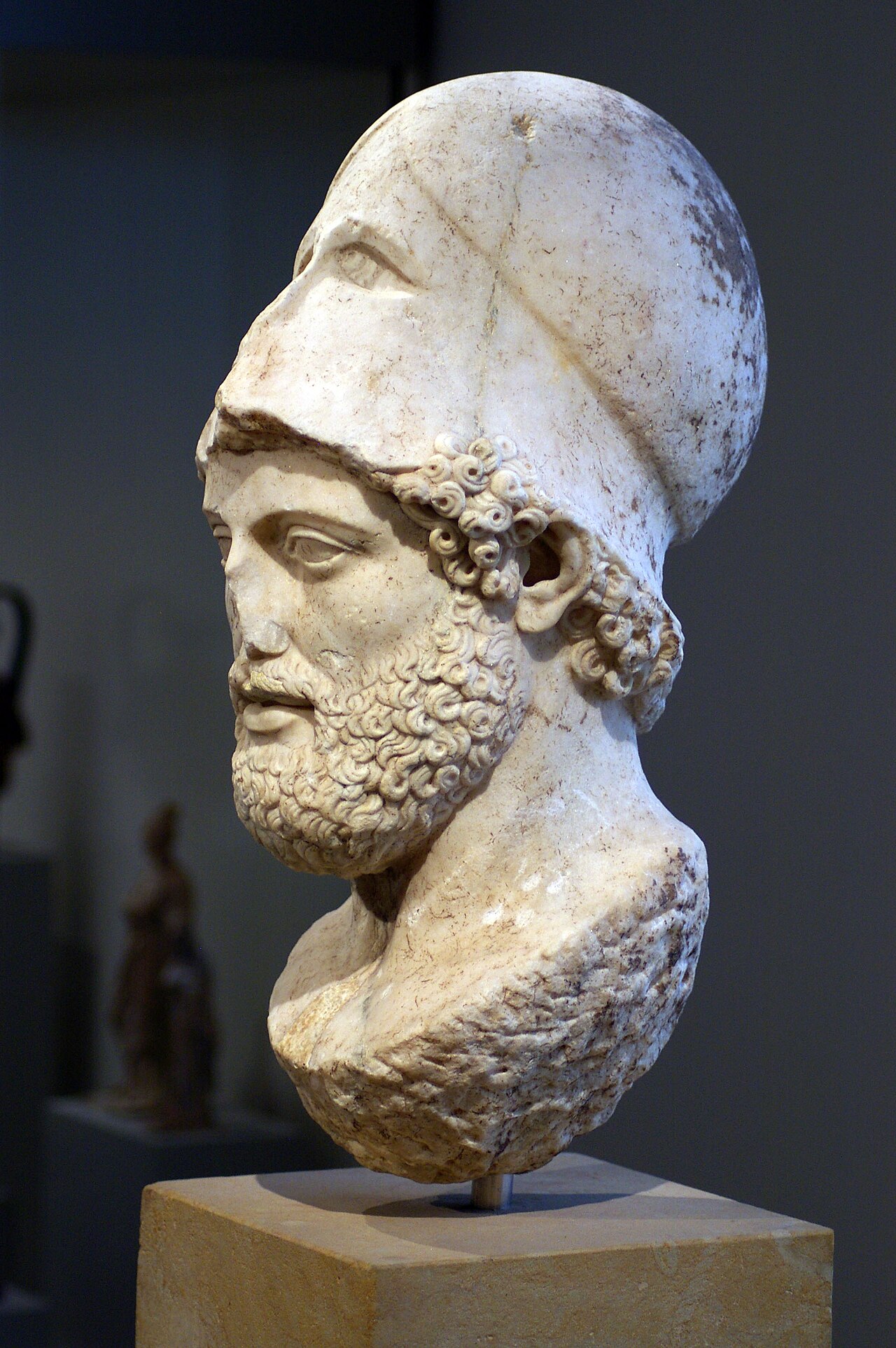
Pericles with the Corinthian Helmet
Kresilas · Roman copy, from a Greek original near Pericles' lifetime
 Book
Primary source
History of the Peloponnesian War
Thucydides · 5th century BCE
Secondary source
Life of Pericles
Plutarch
Ready when you are
Start chatting with Pericles now.
20 messages free · No credit card · Available in 50+ languages.