


Secondary sourcePainting19th century
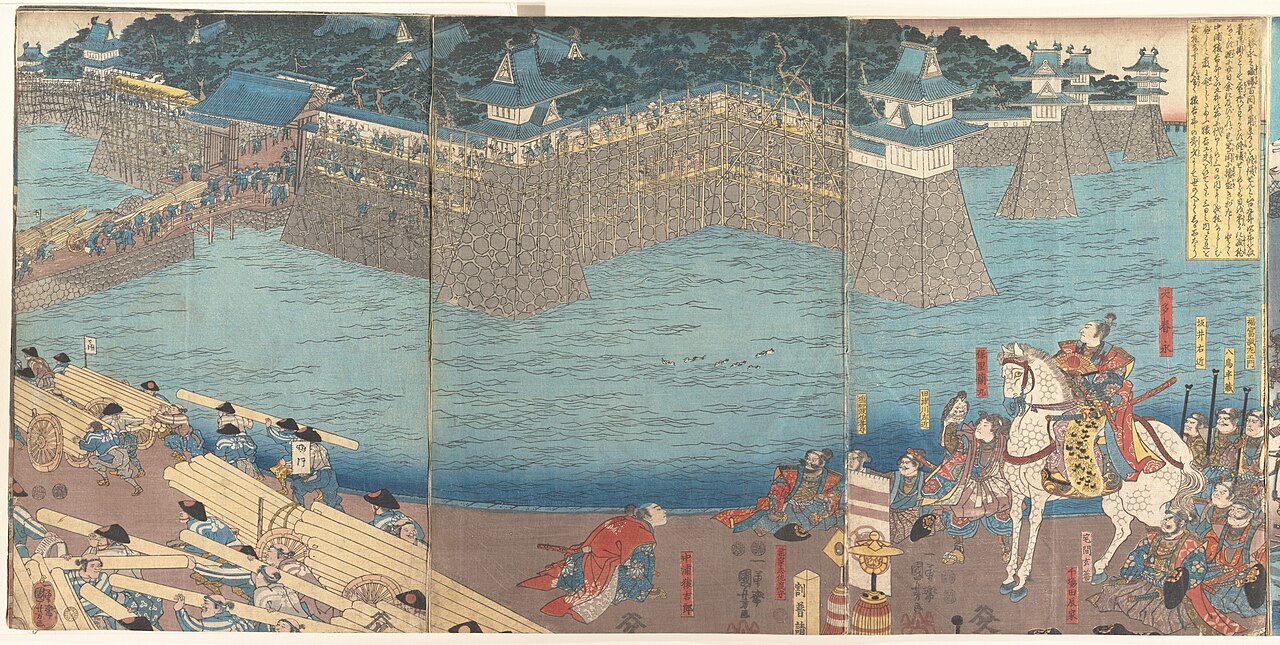
Ōta Harunaga kō Jōhei hyakken
Utagawa Kuniyoshi · 19th century
A 19th-century ukiyo-e print by Utagawa Kuniyoshi that uses a disguised name to depict scenes understood to represent Nobunaga's world.
This Edo-era print imagines scenes connected to Nobunaga under a disguised name, showing his later popular legend.
About this source
What it is
This three-panel woodblock print was made by the ukiyo-e artist Utagawa Kuniyoshi. It shows workers carrying timber and building a castle wall, and a mounted warrior with attendants and banners, under the disguised name "Ōta Harunaga".
Why it matters
During the Edo period, strict censorship rules often stopped artists from directly depicting historical warlords like Nobunaga, so Kuniyoshi used substitute names and scenes to evoke him instead. This print shows how popular culture in later centuries kept Nobunaga's memory alive as a dramatic, larger-than-life figure, even when he could not be shown directly.
Look closer
- Why might an artist use a disguised name instead of showing the real historical figure?
- What do the scenes of building work and a mounted warrior tell us about how Nobunaga was remembered?
- How does this print differ from a contemporary portrait made during Nobunaga's own lifetime?
This painting is part of the curated material that grounds the AI version of Oda Nobunaga and Toyotomi Hideyoshi on Humy.ai — when students ask about related events, the AI can quote it and cite it.
More Oda Nobunaga sources
Browse all 89 →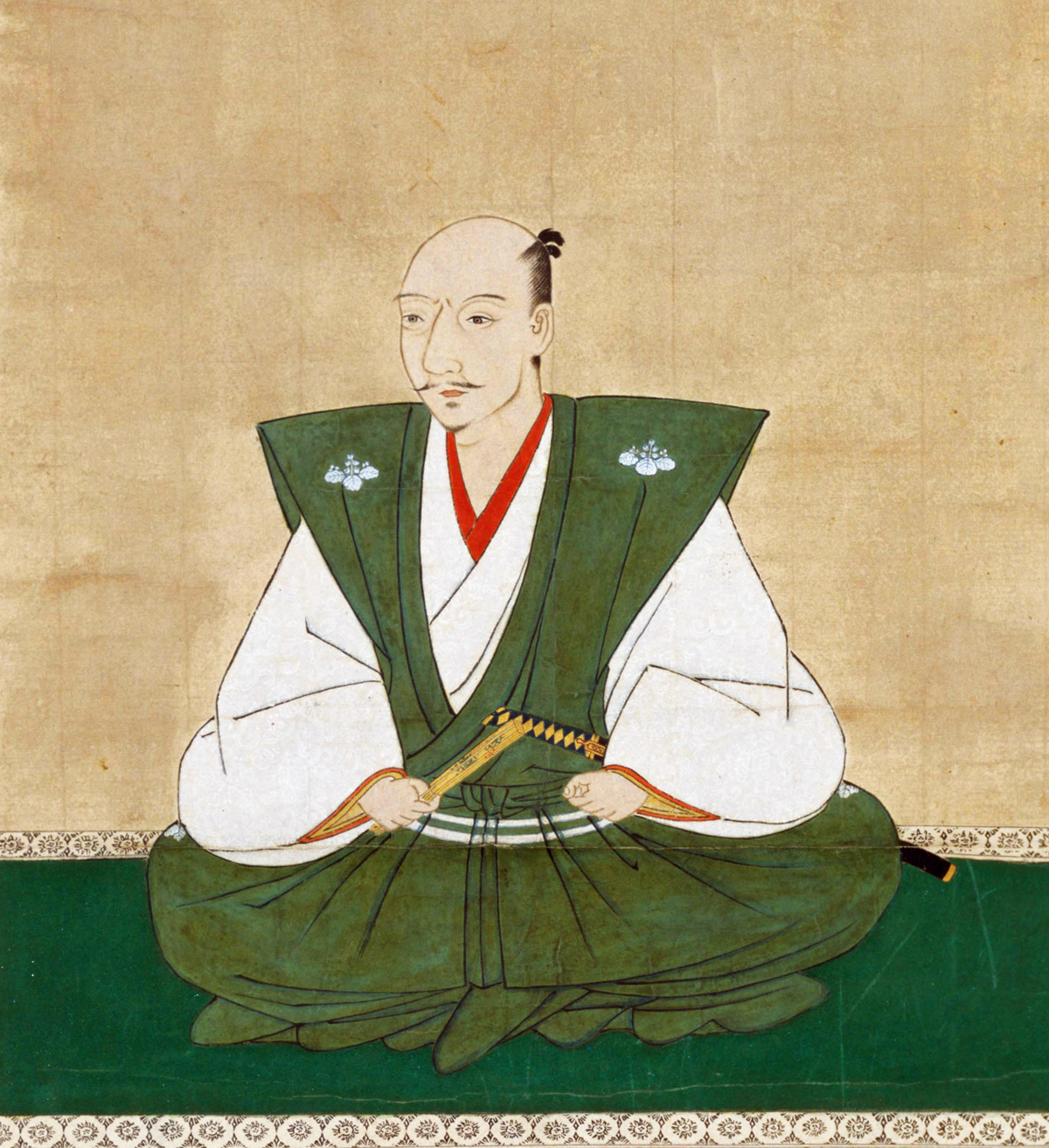 Painting
Secondary source
Portrait of Oda Nobunaga
Kanō school
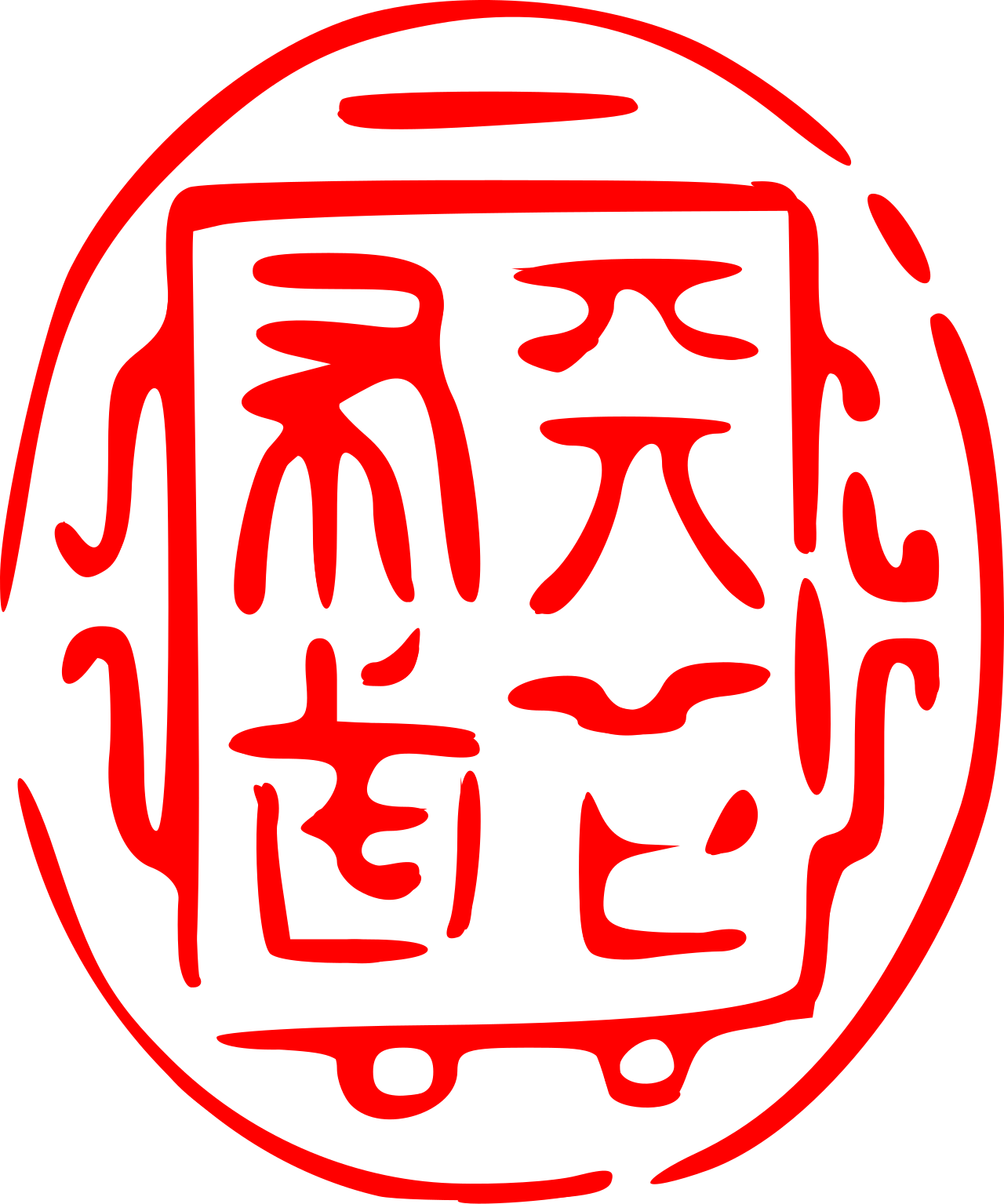 Artifact
Primary source
Tenka Fubu Seal
Oda Nobunaga · after 1567
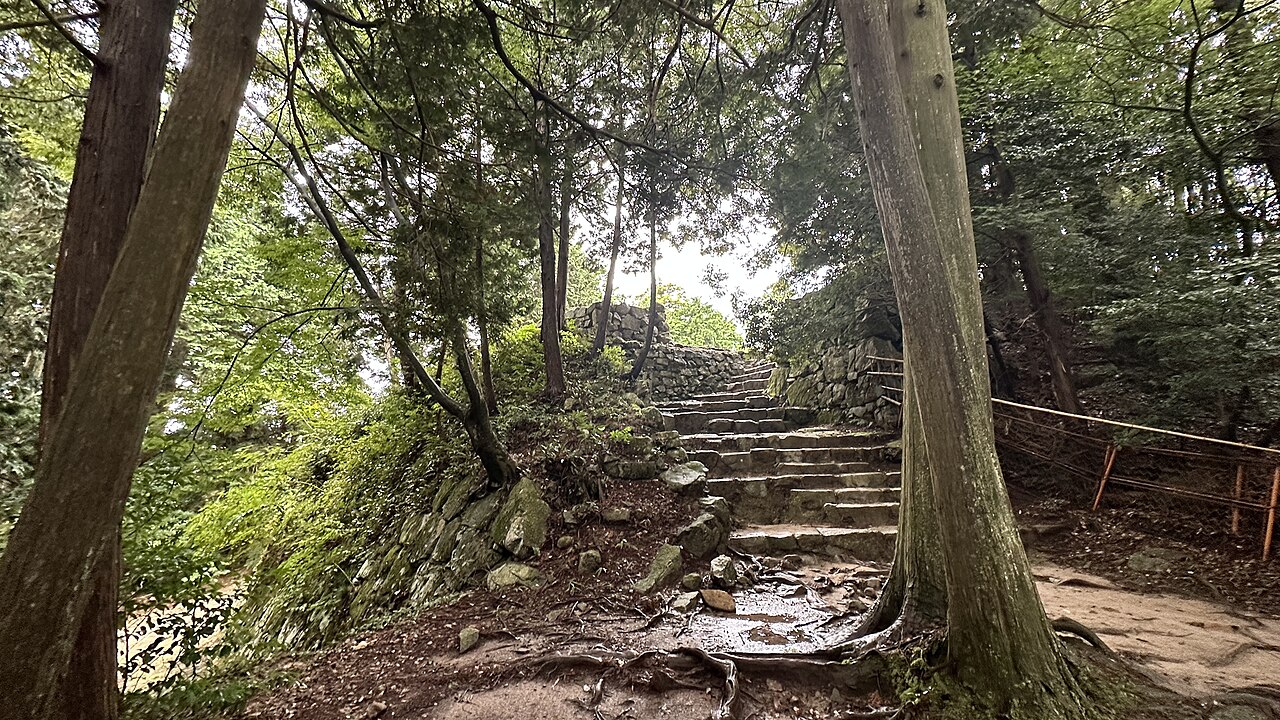 Artifact
Primary source
Azuchi Castle
1576-1579
 Letter
Primary source
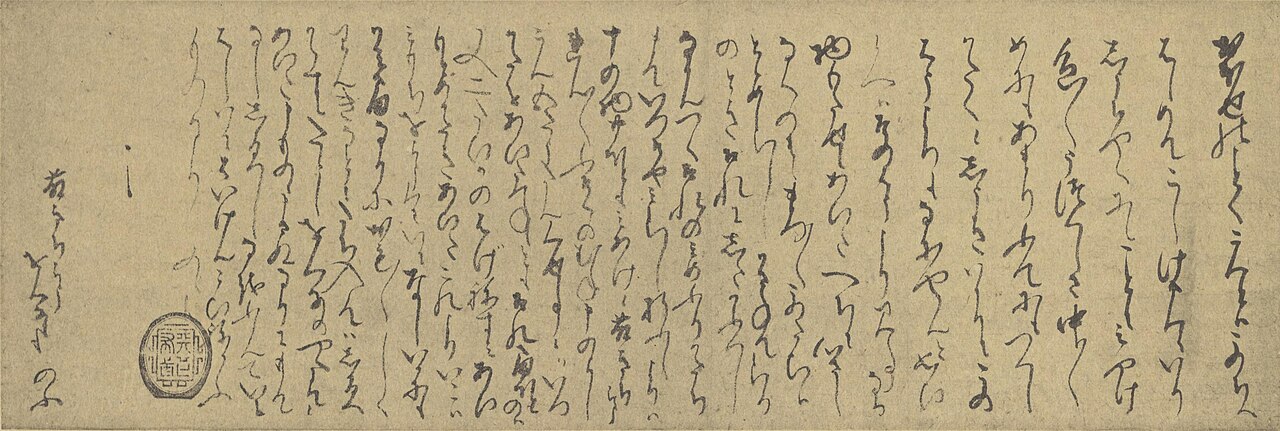
Letter from Oda Nobunaga to Nene
Oda Nobunaga
Free account
Read every Oda Nobunaga source
Sign up free →
Ready when you are
Start chatting with Oda Nobunaga now.
20 messages free · No credit card · Available in 50+ languages.