


Primary sourceBook1880
Our Indian Wards
George W. Manypenny · 1880
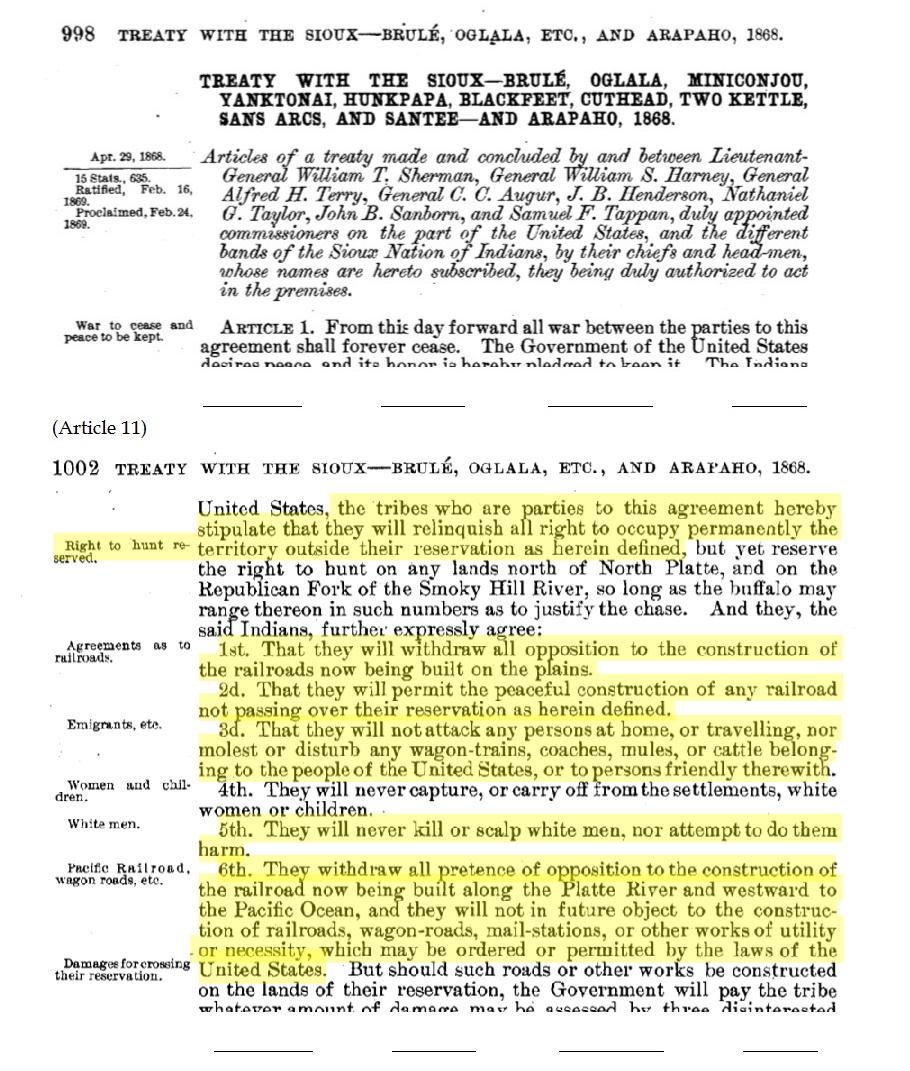
An 1880 account by former Indian Commissioner George W. Manypenny on federal Indian policy, giving background to the treaty and reservation conflicts Crazy Horse faced.
Provides policy background on the treaty disputes and reservation pressures Crazy Horse resisted, though it does not mention him directly.
Free Humy account · No credit card · 120,288 sources to read
About this source
What it is
This is a book written in 1880 by George W. Manypenny, who had served as U.S. Commissioner of Indian Affairs and later chaired the Sioux Commission of 1876. It describes the history of government dealings with Native nations, from early European contact through later treaties and wars.
Why it matters
Manypenny was directly involved in federal policy toward Plains nations, including the Sioux. His book shows how a government official of the time viewed and justified these policies, offering context for the pressures and broken agreements that shaped Crazy Horse's resistance to reservation life.
Look closer
- Why might a former government official choose to write critically about Indian policy?
- What does the quote from Chief Ouray at the start suggest about the book's viewpoint?
- Whose voice is missing from this account of Indian-government relations?
This book is part of the curated material that grounds the AI version of Crazy Horse on Humy.ai — when students ask about related events, the AI can quote it and cite it.
More Crazy Horse sources
Browse all 66 →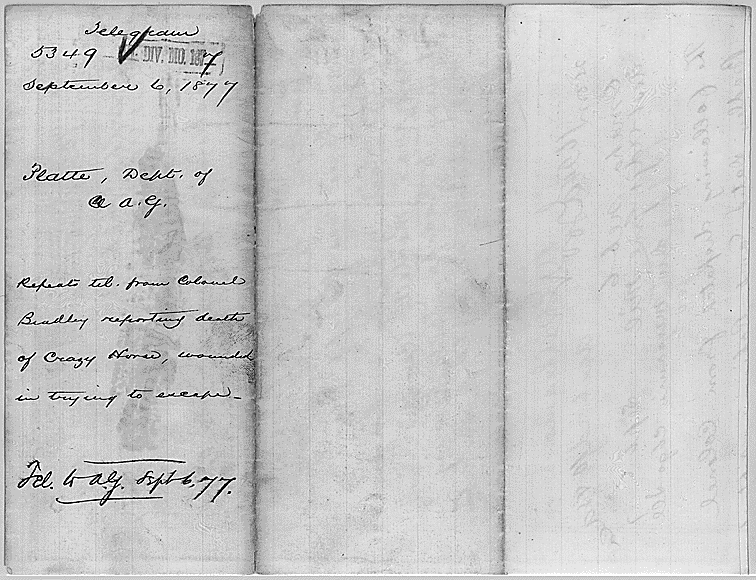 Document
Primary source
Telegram Reporting the Arrest and Death of Crazy Horse
6 September 1877
 Painting
Primary source
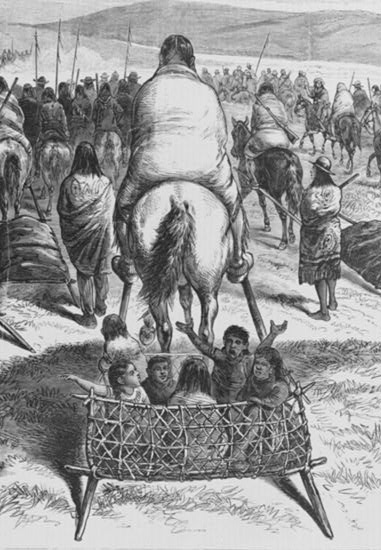
Crazy Horse Travois Drawing
Unknown Lakota artist
 Painting
Secondary source
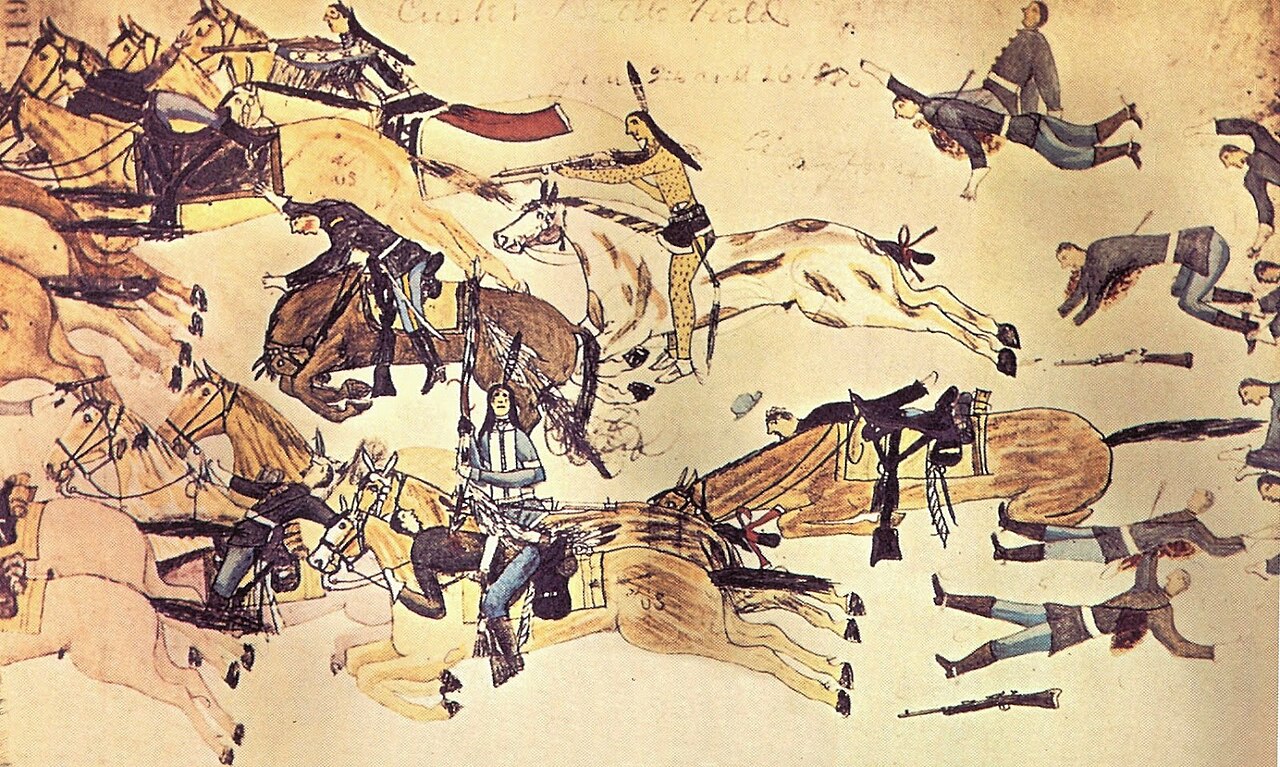
Battle of the Little Bighorn with Crazy Horse
Amos Bad Heart Bull · after 1890
 Sculpture
Secondary source
Crazy Horse Memorial
Korczak Ziolkowski · 1948–ongoing
Free account
Read every Crazy Horse source
Sign up free →
Ready when you are
Start chatting with Crazy Horse now.
20 messages free · No credit card · Available in 50+ languages.