


Primary sourceSculpturelate 12th century
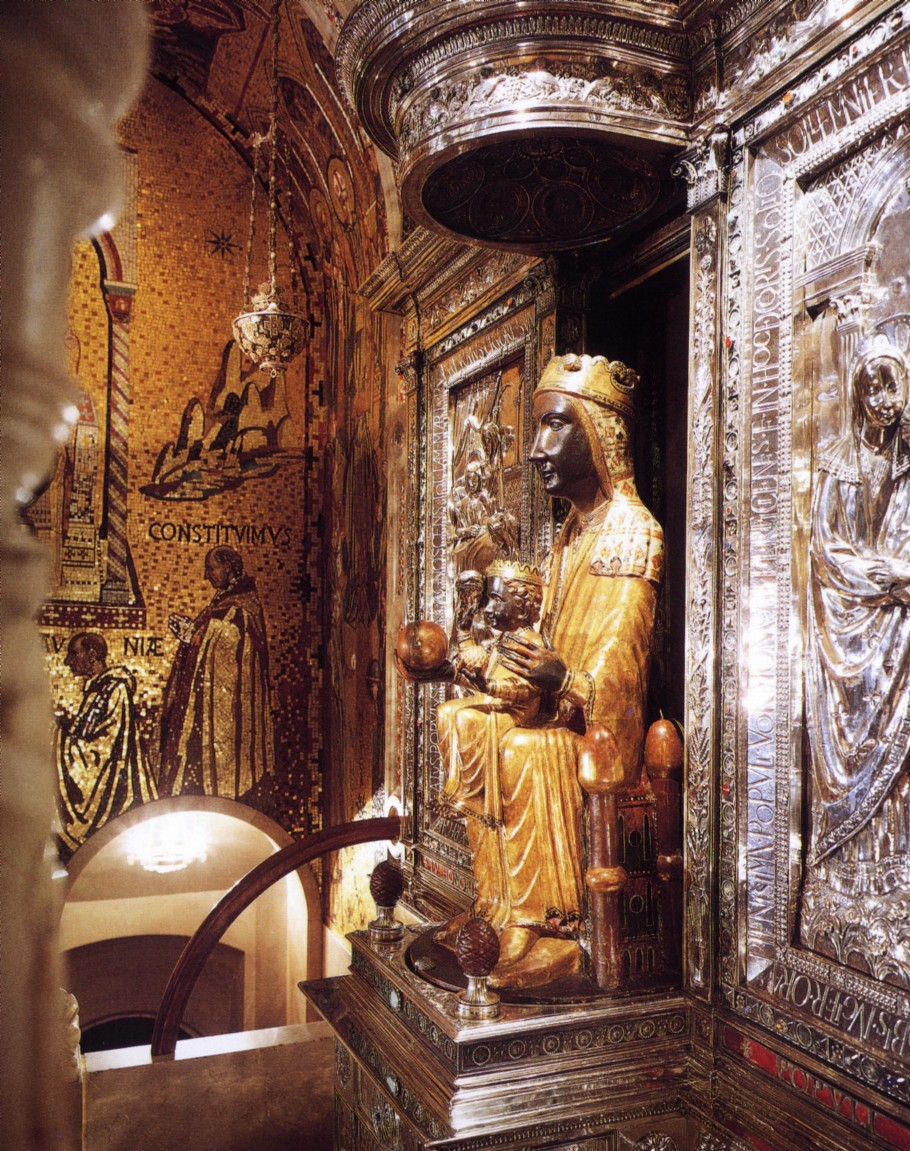
Our Lady of Montserrat
late 12th century
A Romanesque statue of the Virgin and Child at Montserrat monastery, before which Ignatius of Loyola kept an all-night vigil in 1522 and gave up his sword and dagger.
Before this statue, Ignatius held an all-night vigil in 1522 and laid down his sword, marking his turn from soldier to religious founder.
About this source
What it is
This is a wooden statue of the Virgin Mary and the Christ Child, carved in the late 12th century and kept at the monastery of Santa Maria de Montserrat in Catalonia, Spain. It is one of the Black Madonnas of Europe and is venerated as a patron image of Catalonia.
Why it matters
In March 1522, after recovering from a battle wound, Ignatius of Loyola spent a night in vigil before this statue and hung up his sword and dagger at its altar. This act marked his turn away from life as a soldier toward the religious path that led him to found the Society of Jesus.
Look closer
- Why might someone give up a weapon in front of a religious image?
- What do the statue's gold shrine and setting tell you about how important it was considered?
- How might this one night have changed the course of Ignatius's life?
This sculpture is part of the curated material that grounds the AI version of Ignatius of Loyola on Humy.ai — when students ask about related events, the AI can quote it and cite it.
More Ignatius of Loyola sources
Browse all 87 →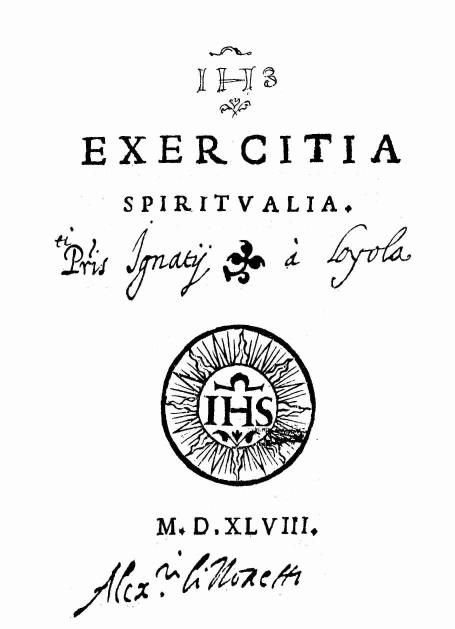 Book
Primary source
Spiritual Exercises
Ignatius of Loyola · 1548 (first printed edition)
 Document
Primary source
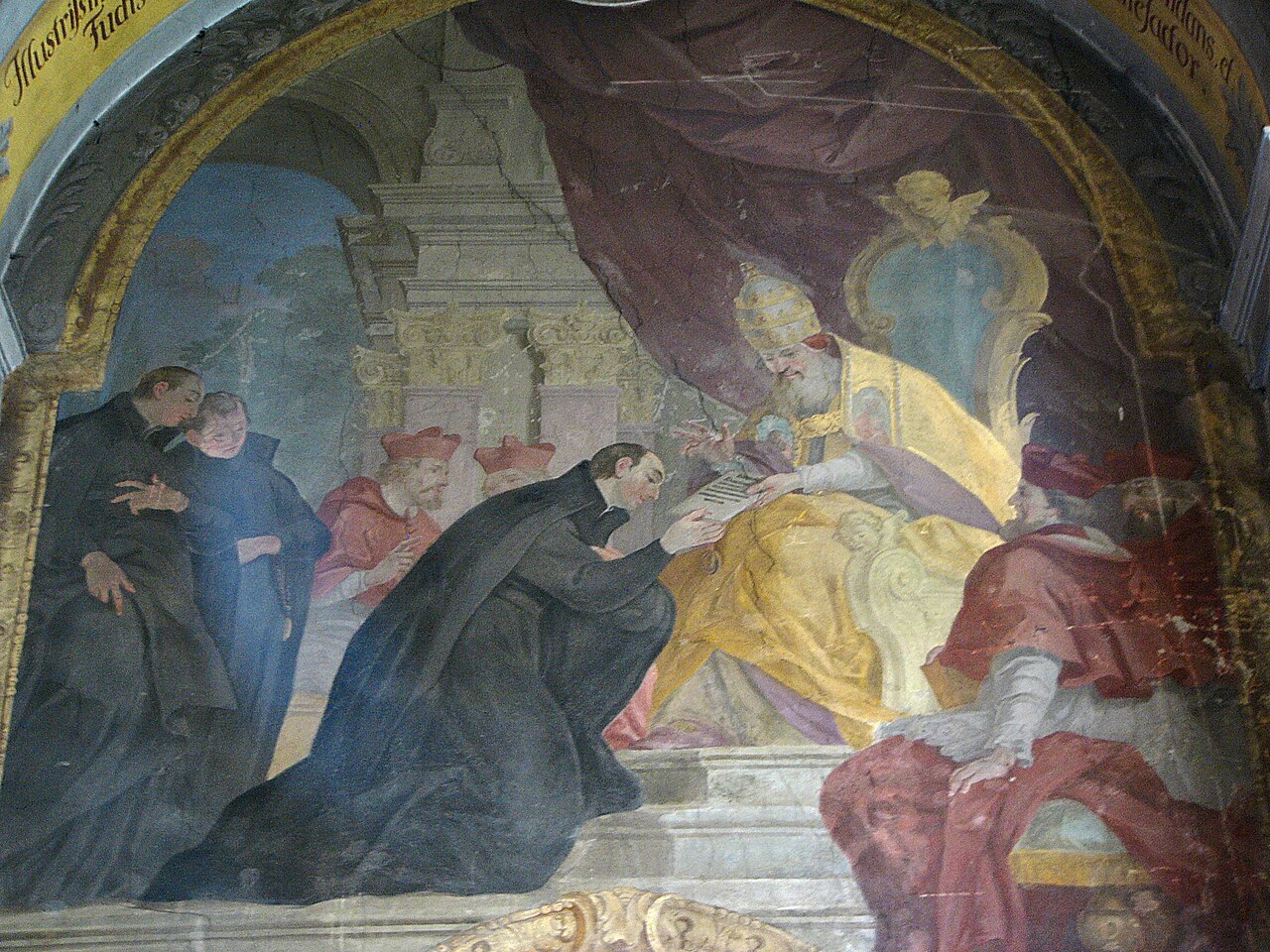
Regimini militantis Ecclesiae
Paul III · 27 September 1540
 Painting
Primary source
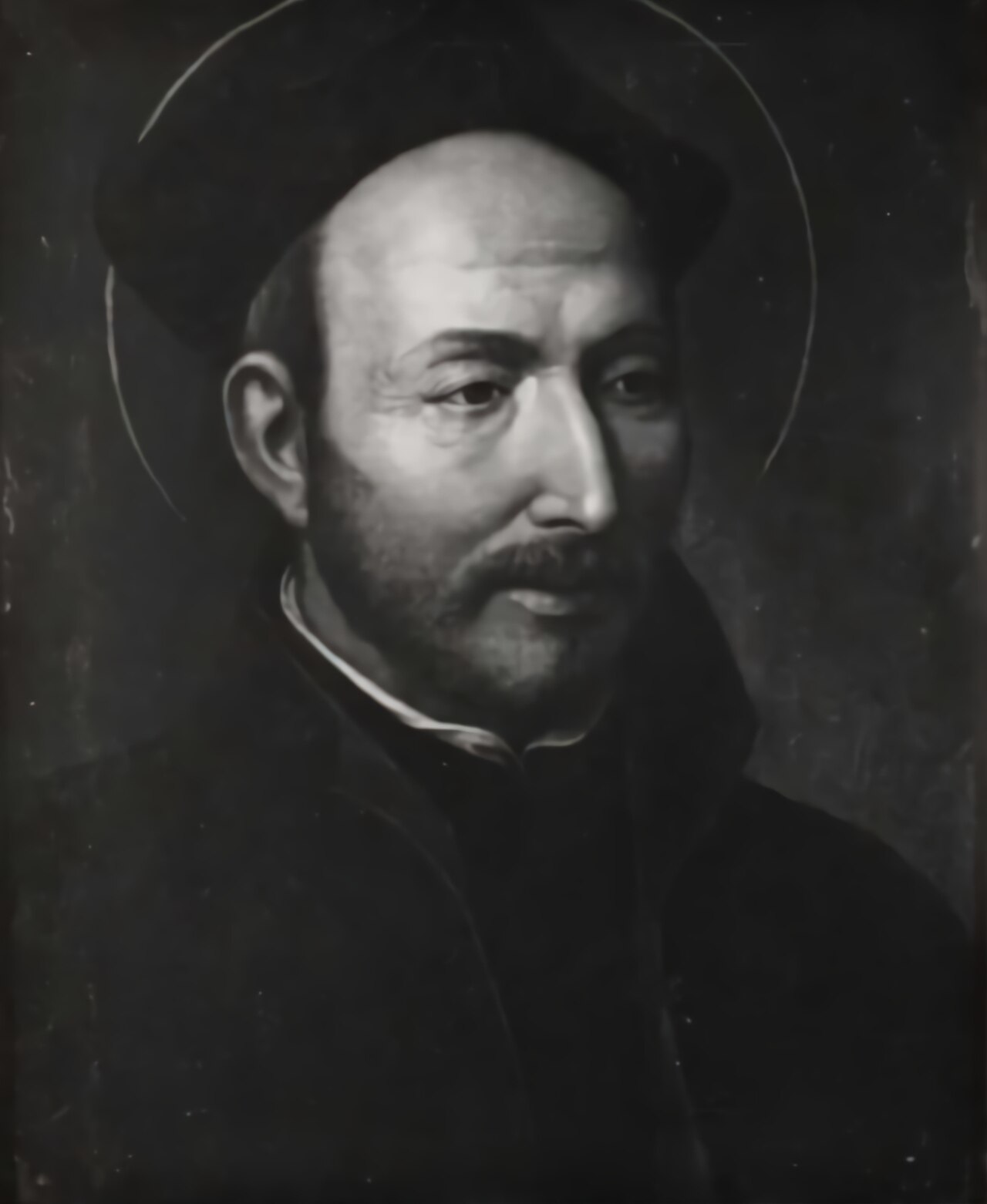
Portrait of Ignatius of Loyola
Jacopino del Conte · 1556
 Artifact
Primary source
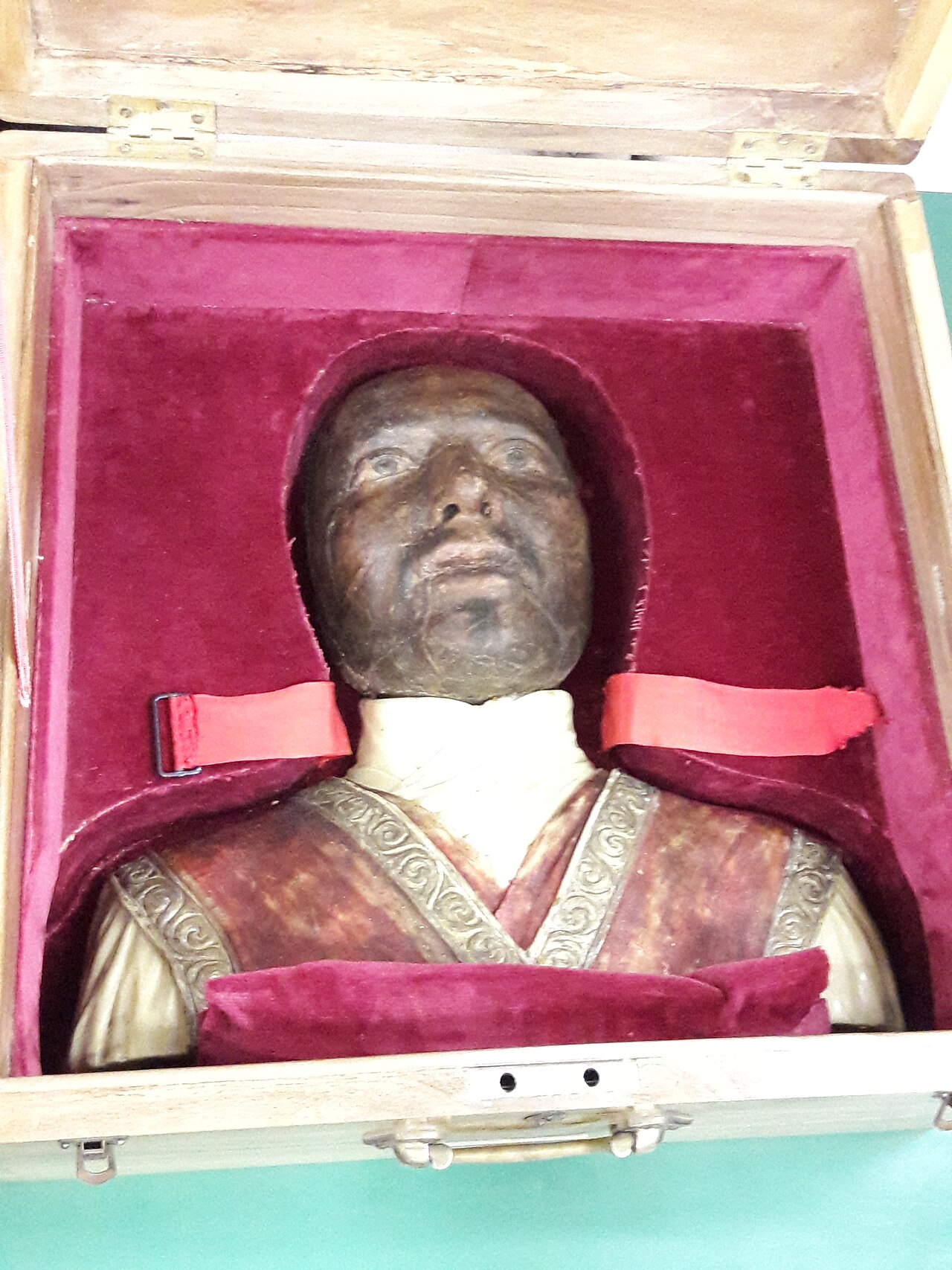
Death Mask of Ignatius of Loyola
Unknown · 1556
Free account
Read every Ignatius of Loyola source
Sign up free →
Ready when you are
Start chatting with Ignatius of Loyola now.
20 messages free · No credit card · Available in 50+ languages.