


Primary sourceSculpture1971 (designed 1962)
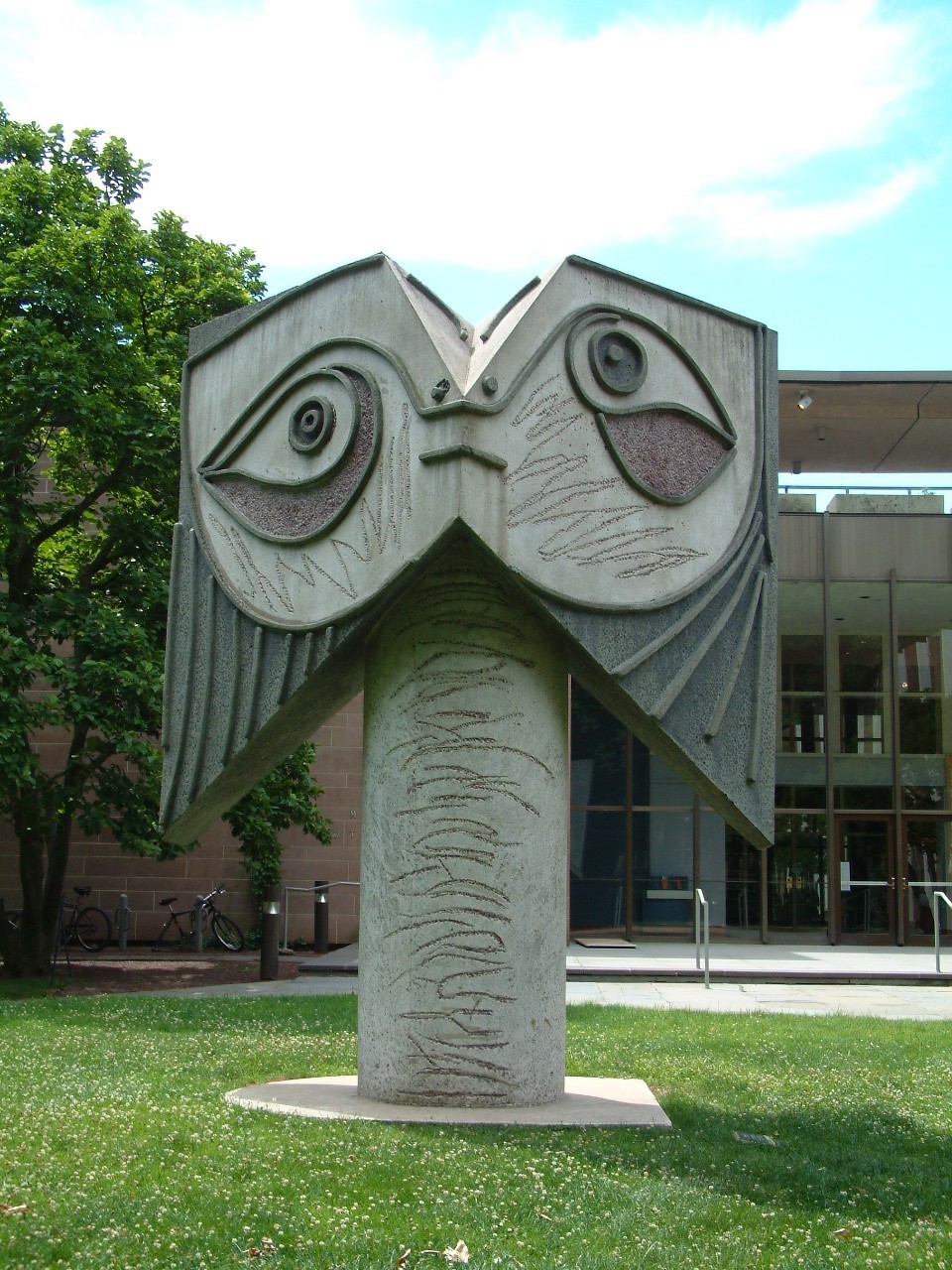
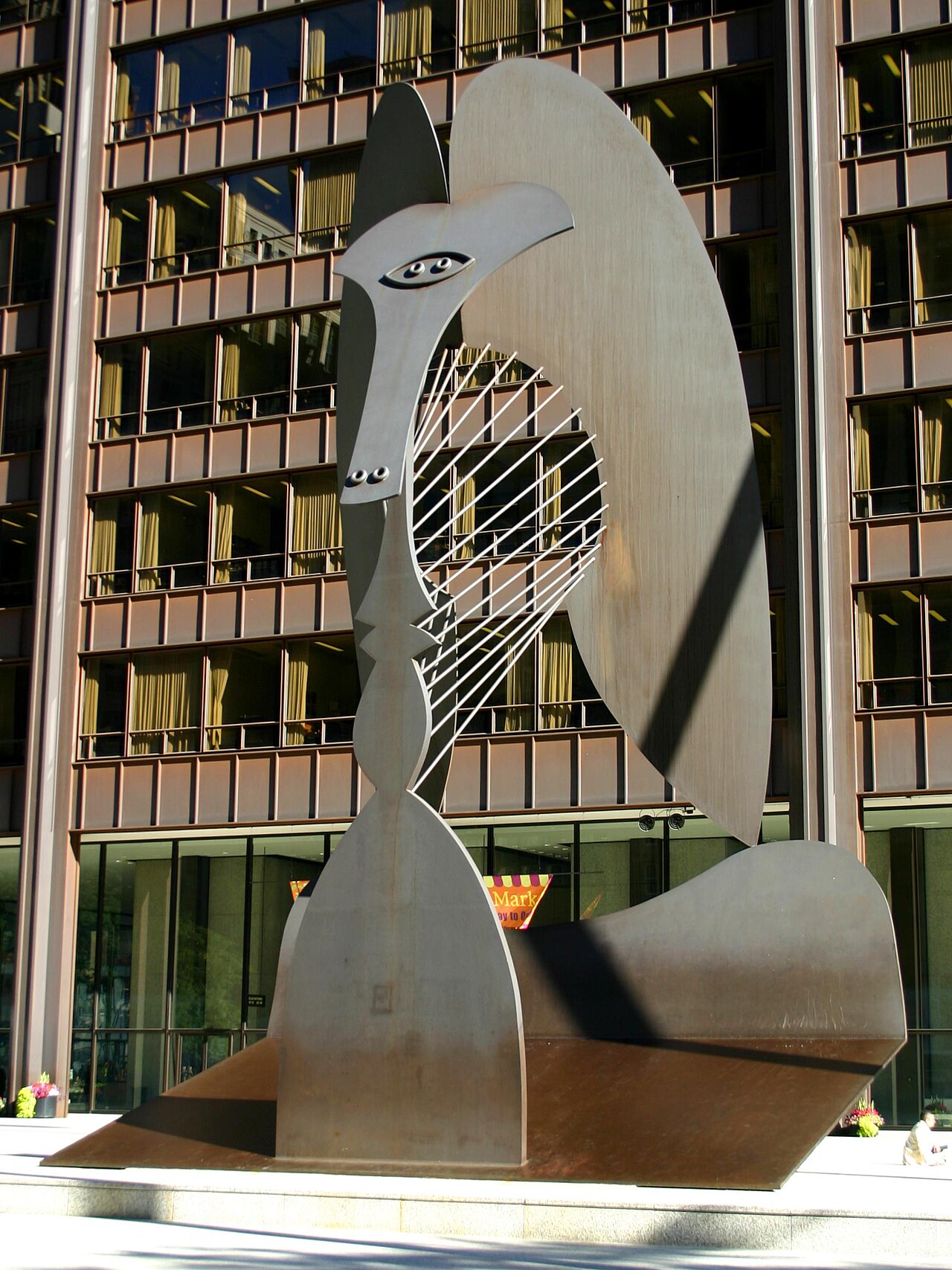
Owl sculpture designed by Picasso and assembled by Carl Nesjar
Pablo Picasso (design); Carl Nesjar (assembly) · 1971 (designed 1962)
A large concrete sculpture of an owl at Princeton, designed by Picasso in 1962 and assembled by Carl Nesjar in 1971. It shows Picasso's ideas working at public scale.
Shows a public sculpture made from Picasso's own design, assembled during his lifetime, reflecting his late work beyond the studio.
About this source
What it is
This is a photograph of a large grey concrete sculpture of a stylized owl. Its two big round eyes and pointed center sit on a single cylindrical column above a circular base. The photo shows grass and a glass-fronted building behind it. The Commons file is credited to the Princeton University Museum, and it states that Picasso designed the work in 1962 and that the Norwegian artist Carl Nesjar assembled it in 1971.
Why it matters
Picasso is known mostly for paintings and drawings, but in his later years he also made designs for public works. Nesjar was an artist who helped carry out such designs in concrete. The work shows how a famous painter could share ideas with a skilled assistant and reach a wide public outside the museum. Picasso was still alive when the owl was assembled.
Look closer
- How does the sculpture use simple shapes to suggest an animal?
- Who do you think was responsible for the design, and who for the building of it?
- What does a photograph of a public sculpture leave out about how it feels to stand near it?
This sculpture is part of the curated material that grounds the AI version of Pablo Picasso on Humy.ai — when students ask about related events, the AI can quote it and cite it.
More Pablo Picasso sources
Browse all 93 →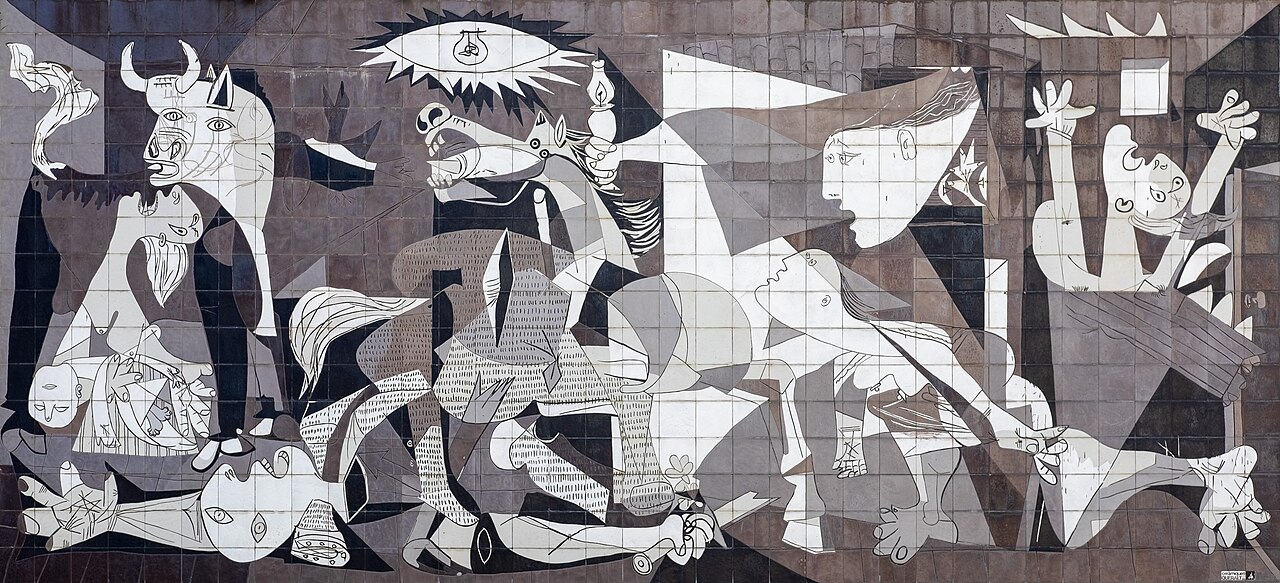 Painting
Primary source
Guernica
Pablo Picasso · 1937
 Photograph
Primary source
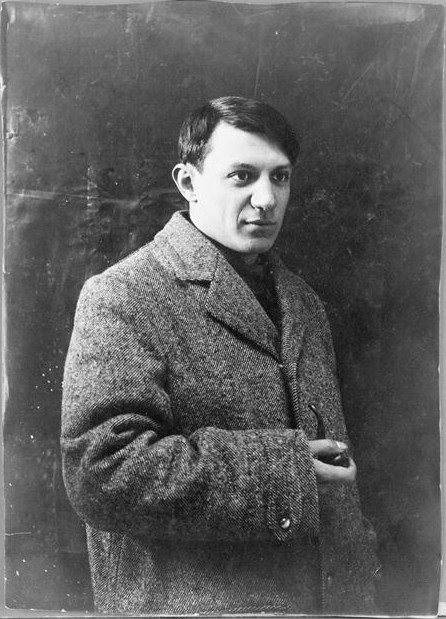
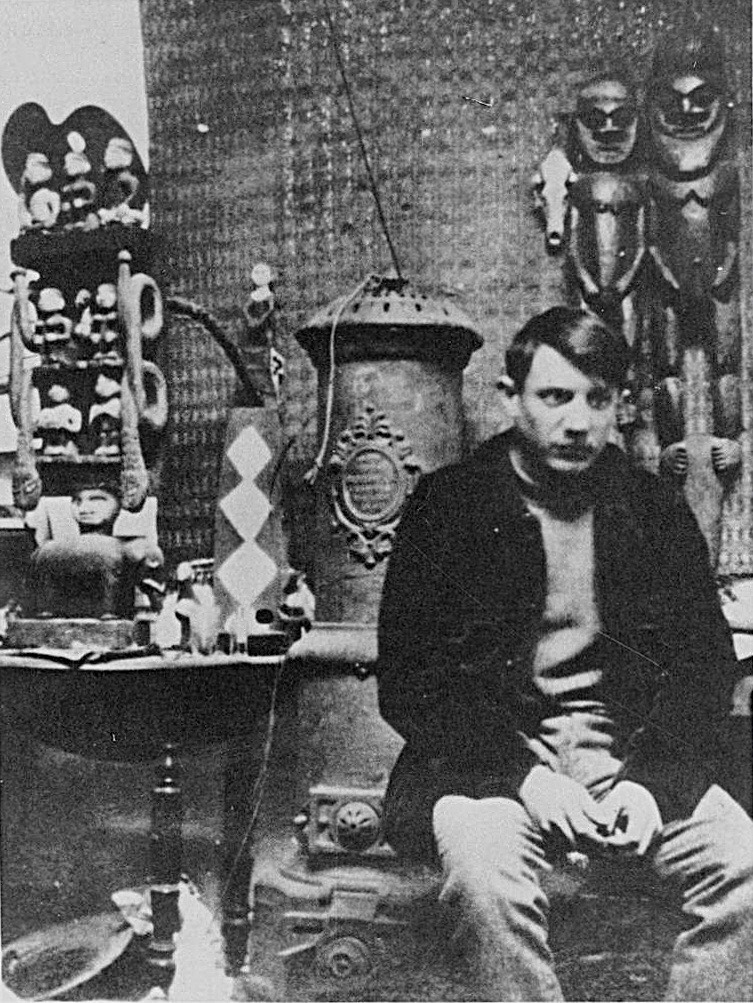
Portrait de Picasso, 1908
Anonymous Unknown author · 1908
Primary source
Recording of the voice of Pablo Picasso
Pablo Picasso
 Painting
Primary source
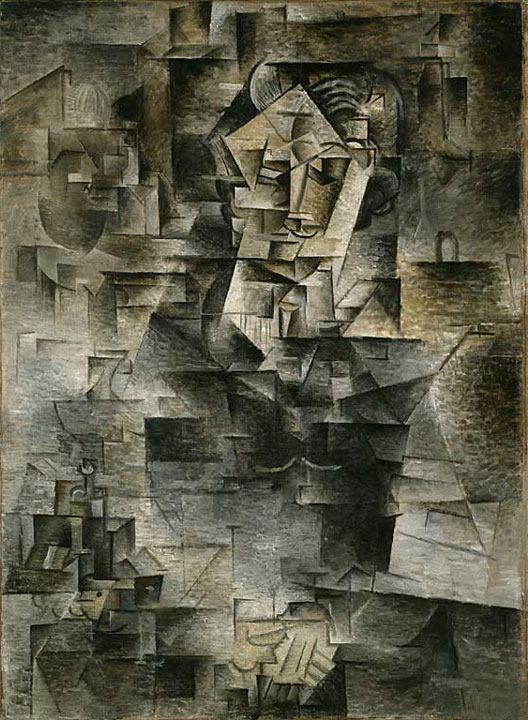
Portrait de Daniel Henry Kahnweiler
Pablo Picasso · 1910
Free account
Read every Pablo Picasso source
Sign up free →
Ready when you are
Start chatting with Pablo Picasso now.
20 messages free · No credit card · Available in 50+ languages.