


Primary sourceBook
Pace non trovo, et non ò da far guerra
Petrarch
A paradox-filled sonnet by Petrarch about the contradictions of love, later widely imitated in England.
This sonnet by Petrarch demonstrates the paradox-based style that later English poets imitated from him.
Free Humy account · No credit card · 120,288 sources to read
About this source
What it is
This sonnet was written in Italian by Petrarch as part of his Canzoniere. It is built entirely on pairs of opposites, such as finding no peace yet having no war to wage.
Why it matters
The poem's use of paradox became one of the most imitated devices in European love poetry, especially by English poets such as Thomas Wyatt, who translated and adapted it. It shows how Petrarch's techniques spread far beyond Italy and shaped literature in other languages.
Look closer
- How many opposite pairs can you find in the poem, and what effect do they create?
- Why might contradiction be a good way to describe the feeling of love?
- What does it mean that later poets in other countries copied this technique?
This book is part of the curated material that grounds the AI version of Petrarch on Humy.ai — when students ask about related events, the AI can quote it and cite it.
More Petrarch sources
Browse all 95 →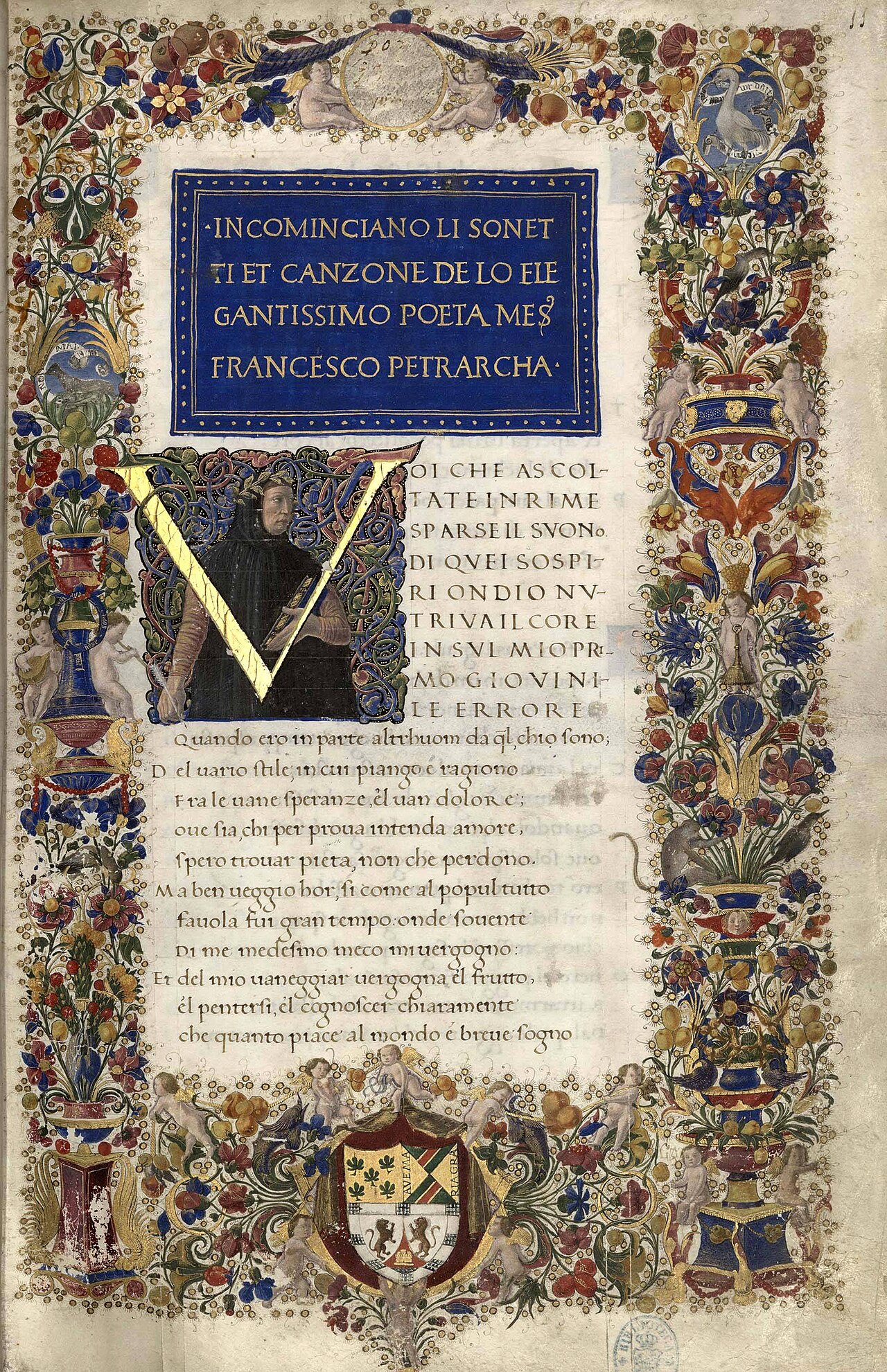 Book
Primary source
Il Canzoniere
Petrarch · 1304-1374 (composed over decades)
Primary source
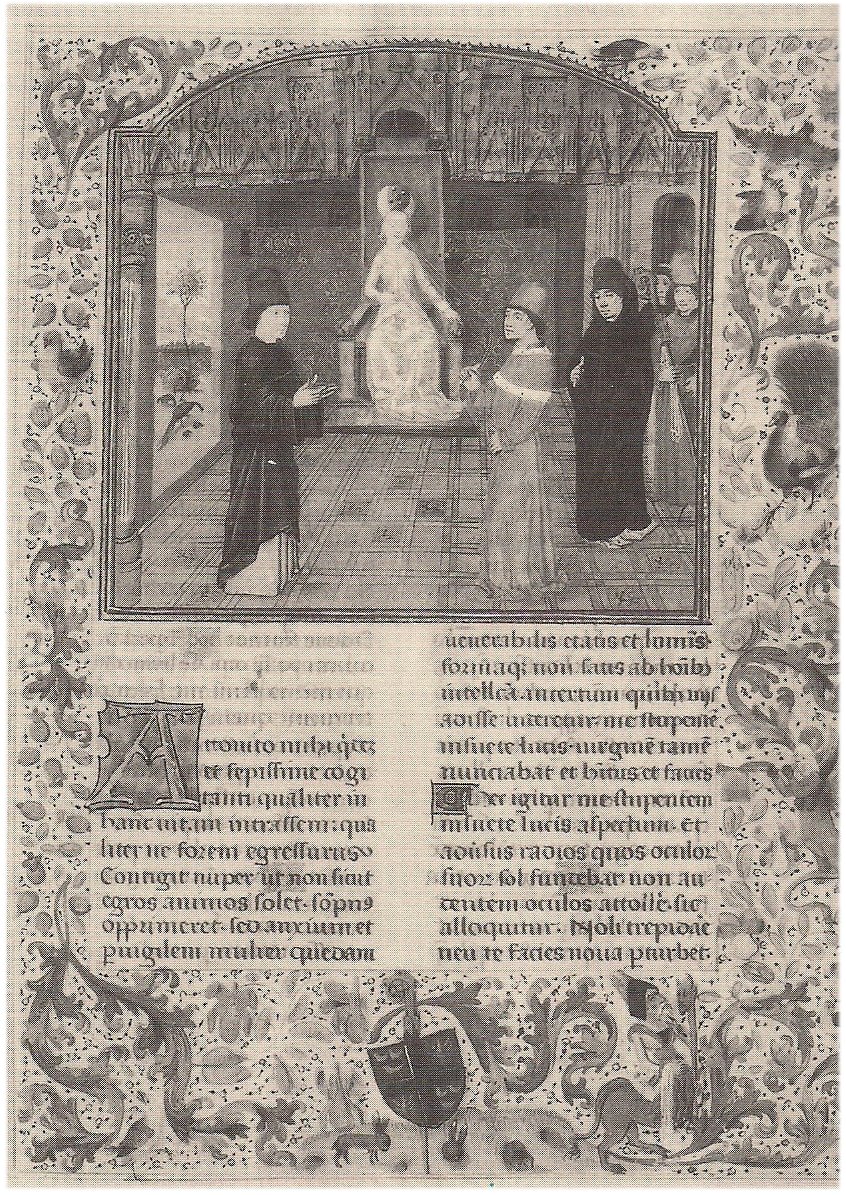
Ascent of Mont Ventoux
Petrarch · c. 1350 (describing events of 26 April 1336)
Primary source
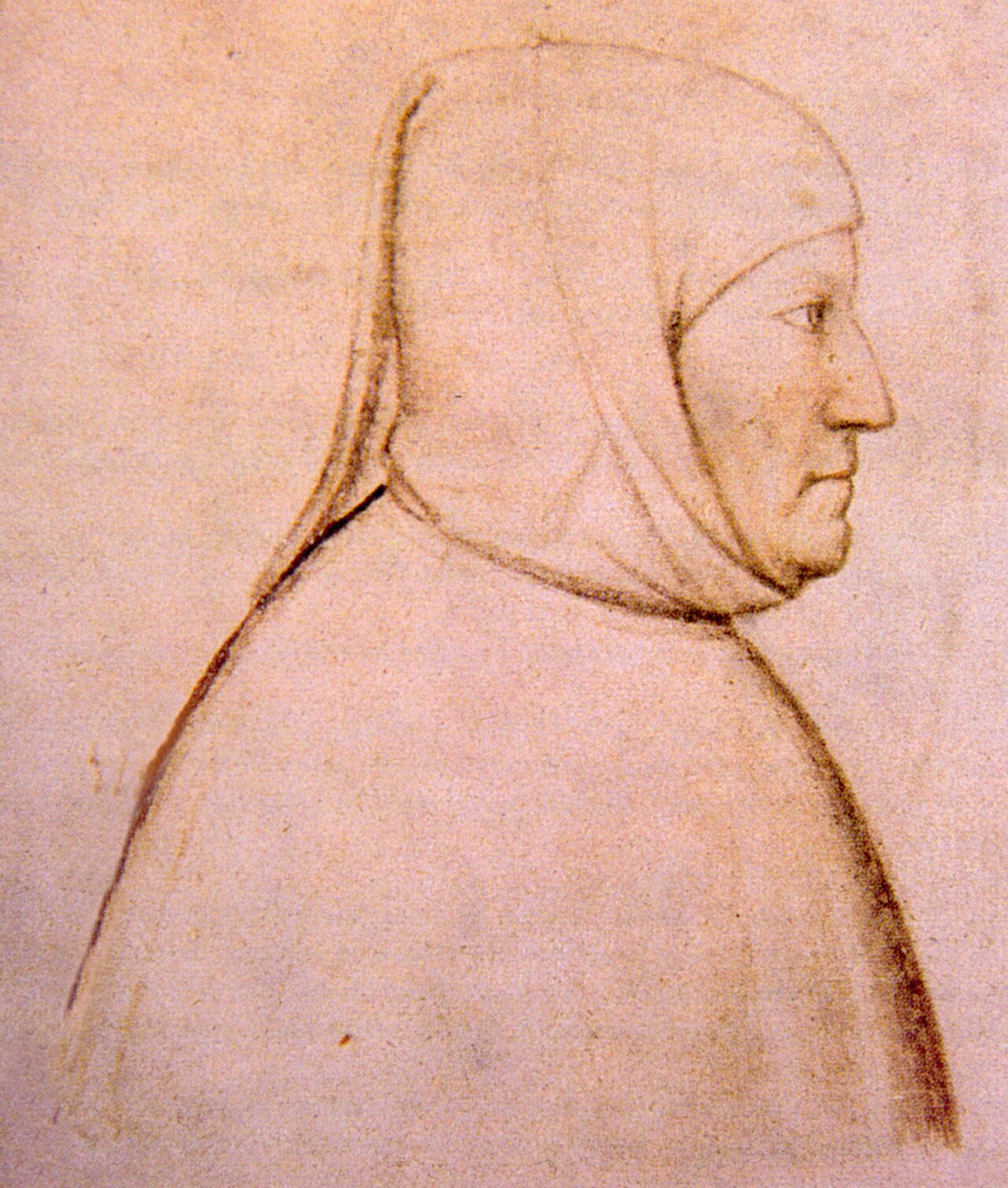
Epistola Posteritati
Petrarch
Primary source
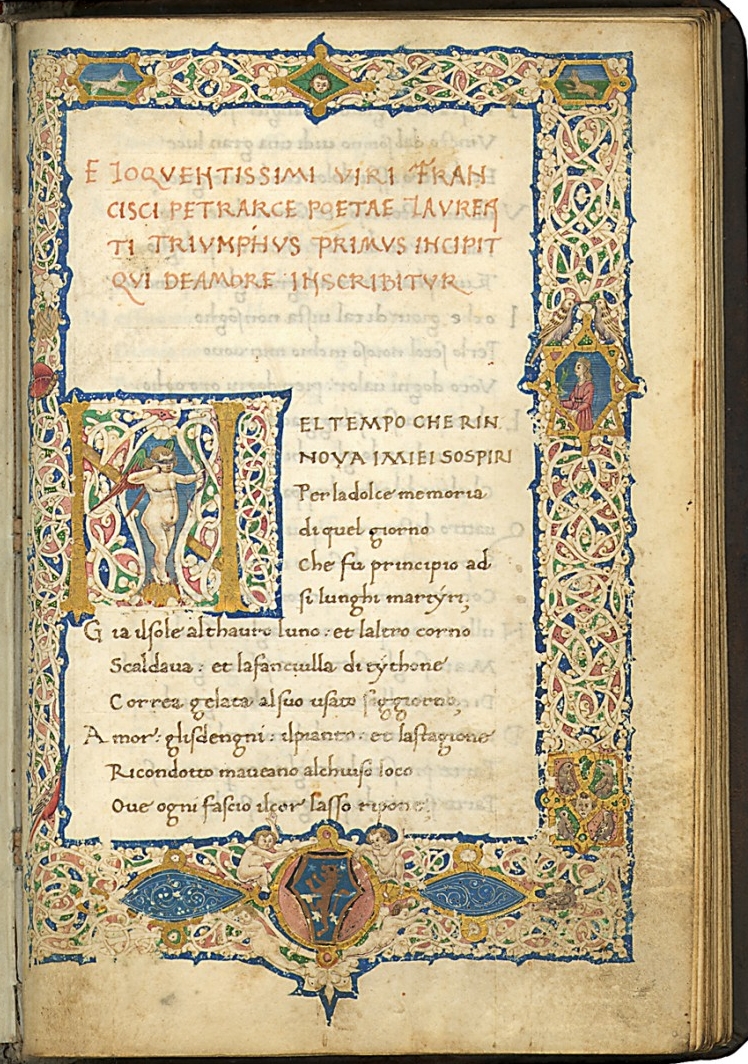
Voi ch'ascoltate in rime sparse il suono
Petrarch · 1347
Free account
Read every Petrarch source
Sign up free →
Ready when you are
Start chatting with Petrarch now.
20 messages free · No credit card · Available in 50+ languages.