


Secondary sourcePaintingcirca 1842
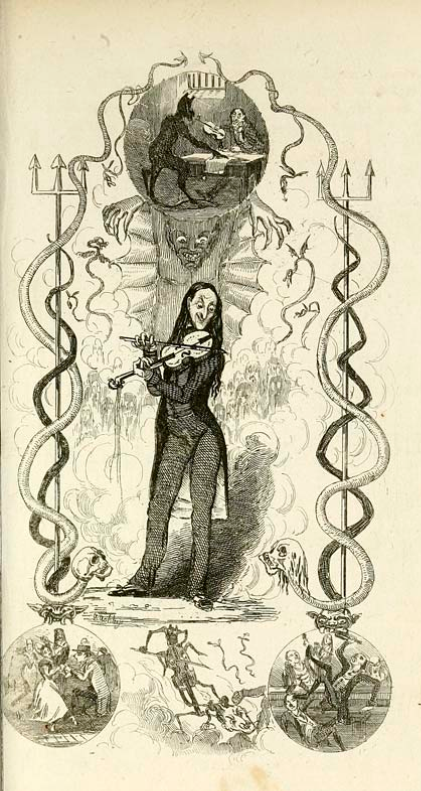
Paganini and the Devil
A. Ashley · circa 1842
An engraved illustration from around 1842 showing Paganini playing violin beneath a horned devil, reflecting the legend of a pact with the devil. It was made after his death.
It shows the legend of Paganini's supposed pact with the devil, a story told about him that appeared after his death.
About this source
What it is
This is an engraved illustration, drawn by A. Ashley and dated to around 1842. A man in a long dark coat plays violin at the centre, with a horned devil figure above him. The frame is made of two twisting serpents topped with trident-like spears. Small vignettes at the bottom show a dancing couple and skeletal figures.
Why it matters
The picture belongs to a legend that grew up around Paganini's skill on the violin, the idea that he had made a deal with the devil. The illustration was made after his death in 1840, so it shows how the public told stories about him rather than what he did. Caricatures like this were a way for audiences of the time to explain his extraordinary playing.
Look closer
- How does the artist connect the violinist to the devil, and what does the frame add to that message?
- What do the dancing couple and skeletons suggest about the story being told?
- Why might audiences in the 1840s enjoy a legend about a musician's pact with the devil?
This painting is part of the curated material that grounds the AI version of Niccolò Paganini on Humy.ai — when students ask about related events, the AI can quote it and cite it.
More Niccolò Paganini sources
Browse all 93 →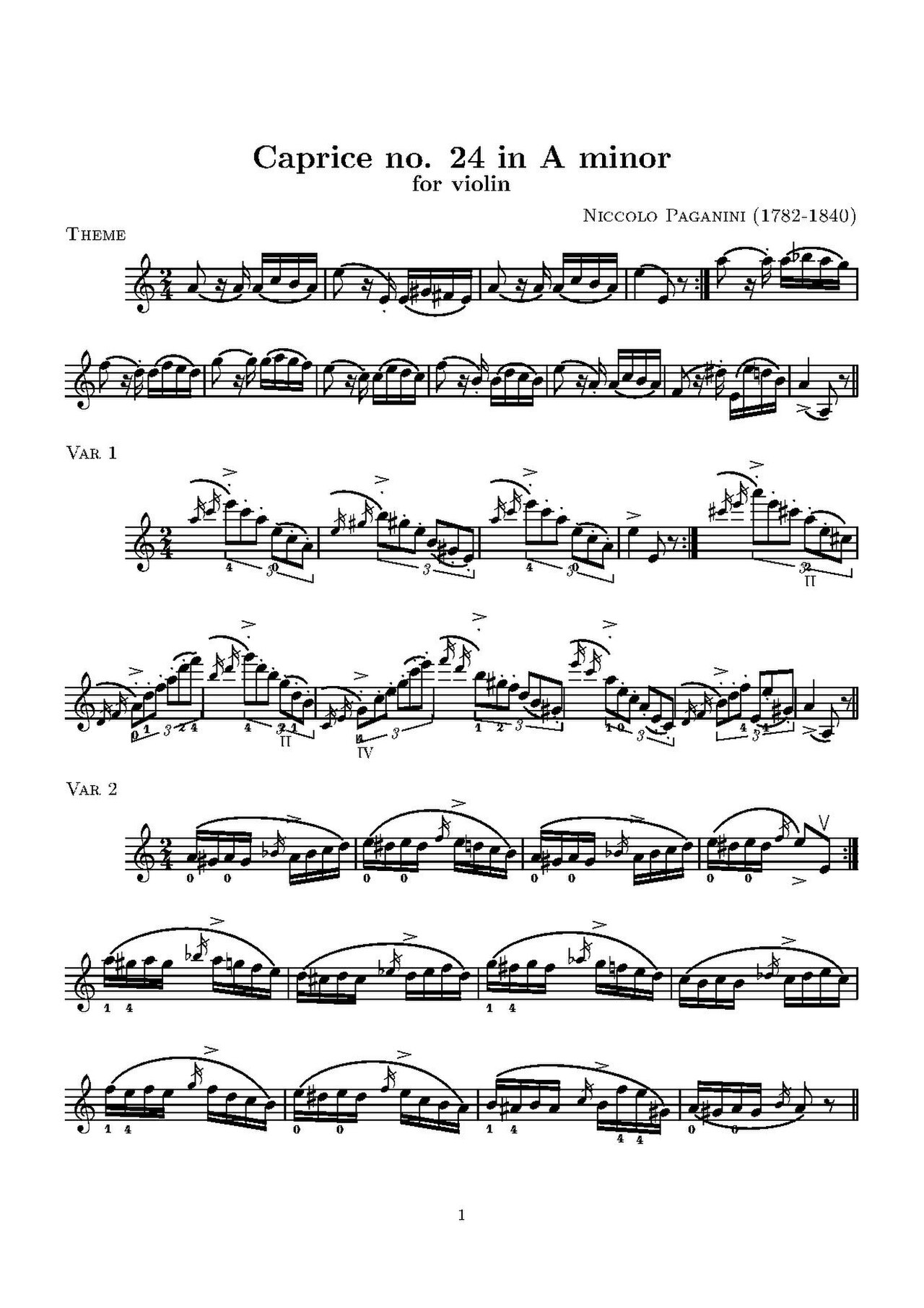 Book
Primary source
24 Caprices for Solo Violin
Niccolò Paganini · 1802–1817
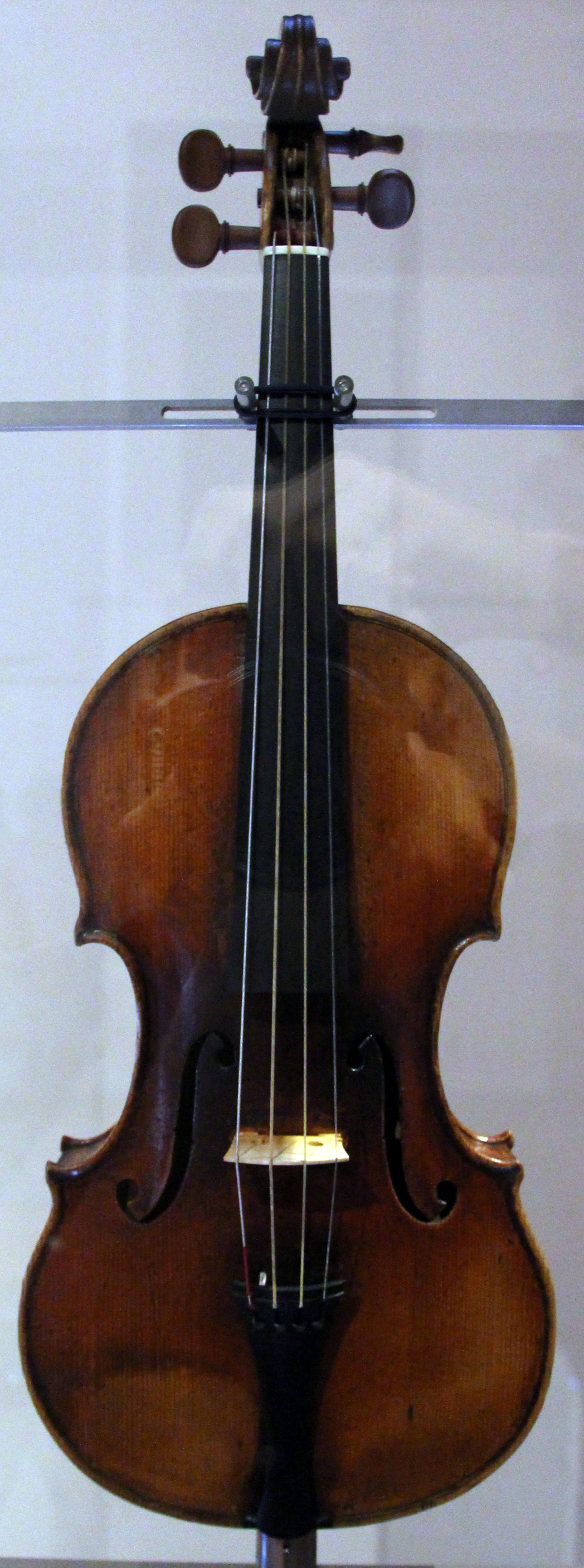 Artifact
Primary source
Il Cannone Guarnerius
Giuseppe Guarneri · 1743
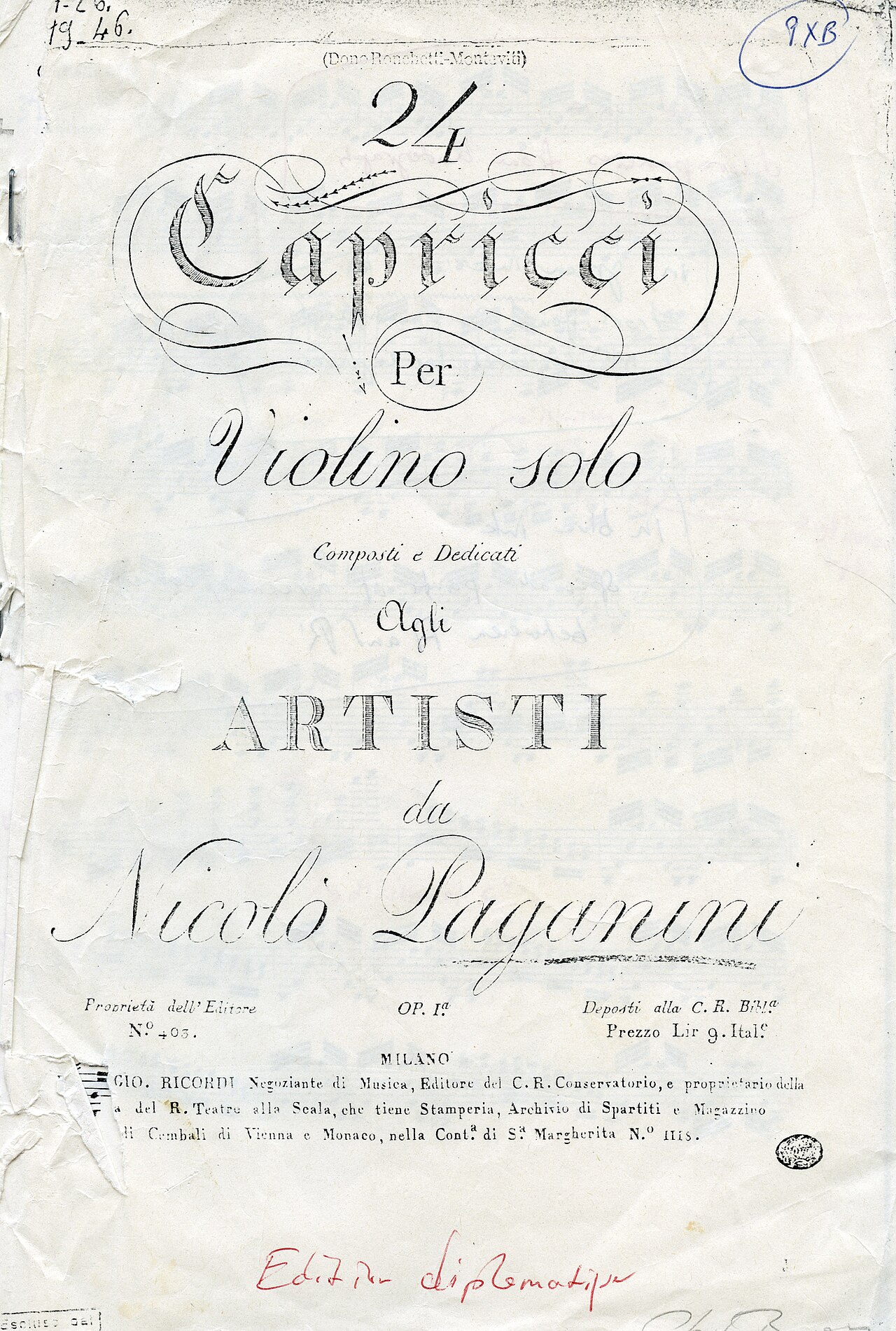 Document
Primary source
24 Capricci, prima edizione, Ricordi 1820
Niccolò Paganini · 1820
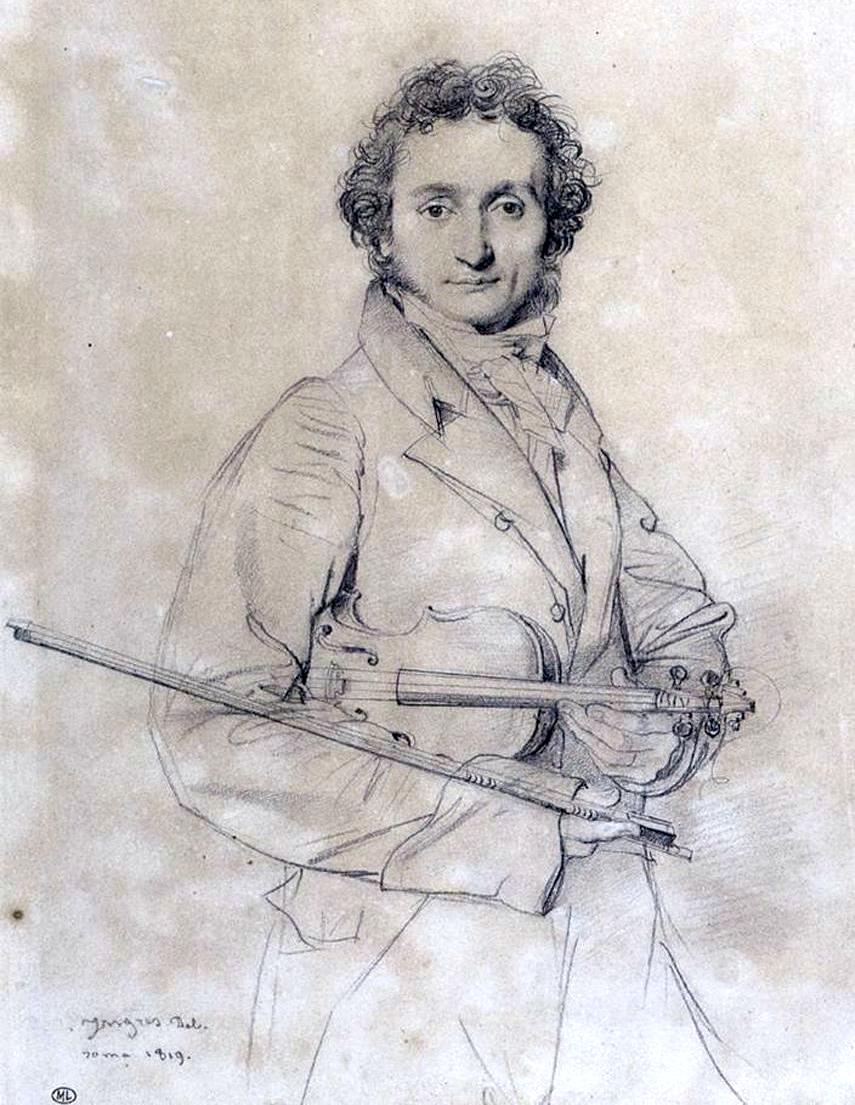 Painting
Primary source
Portrait of Niccolò Paganini
Jean-Auguste-Dominique Ingres · 1819
Free account
Read every Niccolò Paganini source
Sign up free →
Ready when you are
Start chatting with Niccolò Paganini now.
20 messages free · No credit card · Available in 50+ languages.