


Secondary sourceArtifact1742
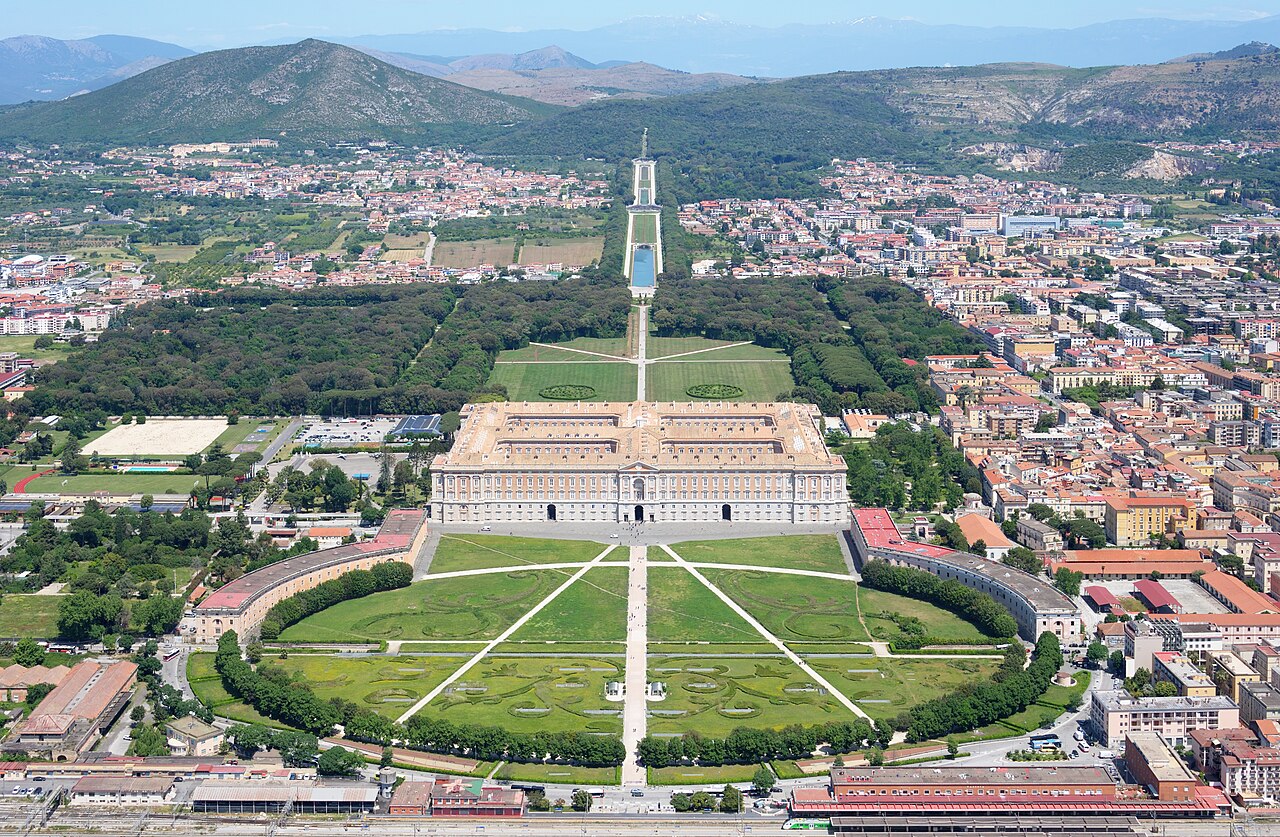
Palace of Capodimonte
1742
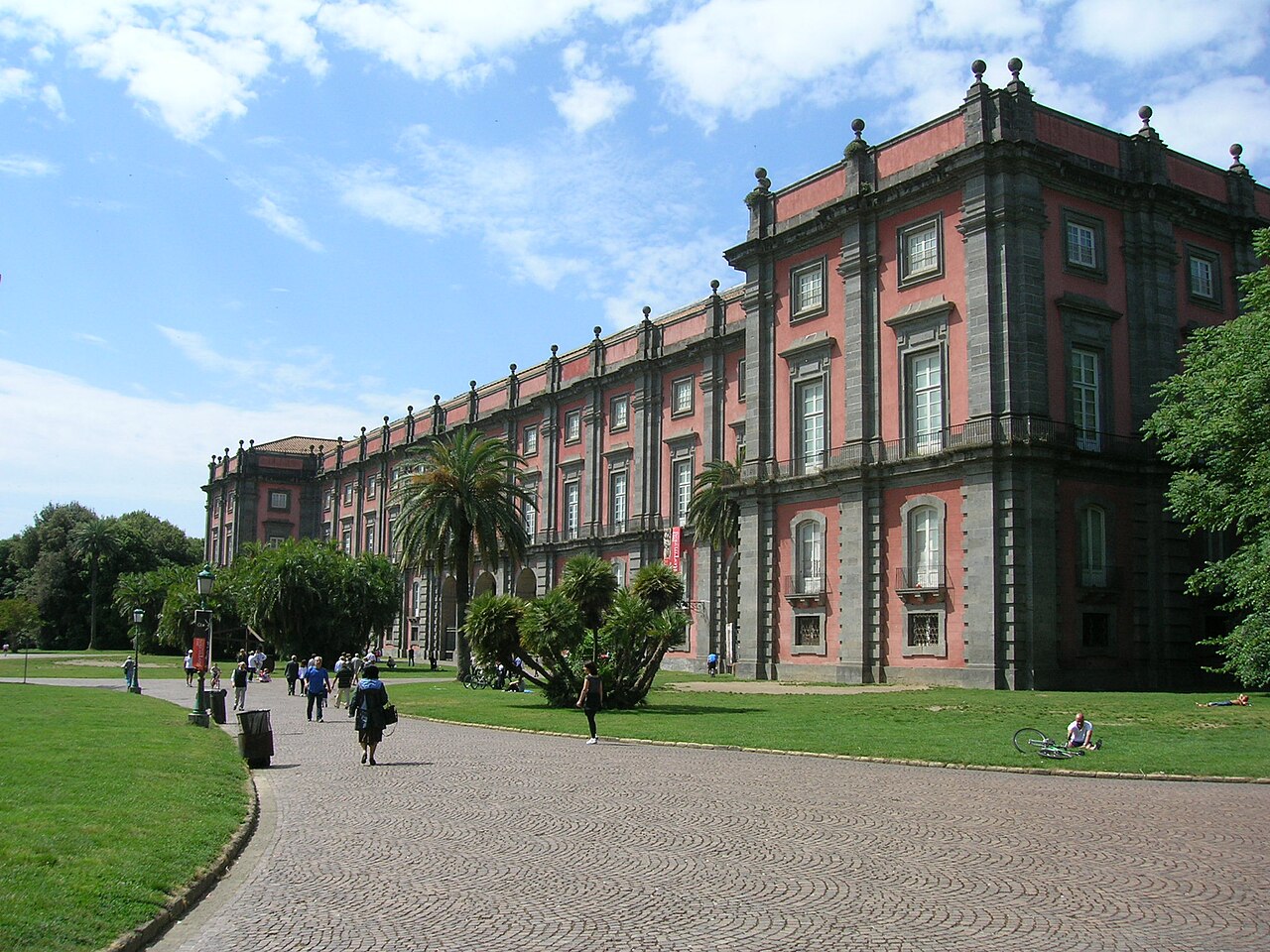
A grand Naples palace begun by Charles in 1738 to house the art collection he inherited from his mother, now a museum.
Charles commissioned this palace to house the art collection inherited from his mother, showing his role as patron and collector.
About this source
What it is
The Palace of Capodimonte is a large palazzo in Naples, Italy. King Charles decided in 1738 to build it as a grand residence, partly to house the Farnese Collection he had inherited from his mother, Elisabetta Farnese. Architects including Giovanni Antonio Medrano worked on its design, and construction took over a century. Today it holds the National Museum of Capodimonte.
Why it matters
The palace shows how Charles used architecture and inherited art collections to display royal wealth and taste before he became King of Spain. Its building history also reveals how later rulers, including Ferdinand IV and the House of Savoy, continued shaping it, and how war and occupation affected its collections.
Look closer
- Why might a king choose a hilltop location for his palace instead of the city center?
- What does housing a huge inherited art collection tell you about royal power and family connections?
- How did the palace's use change after Charles left Naples for Spain?
This artifact is part of the curated material that grounds the AI version of Charles III of Spain on Humy.ai — when students ask about related events, the AI can quote it and cite it.
More Charles III of Spain sources
Browse all 94 →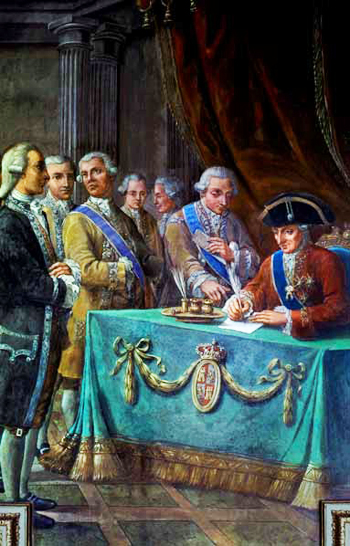 Document
Secondary source
Free Trade Regulations
Pere Pau Muntanya · 1778
 Painting
Primary source
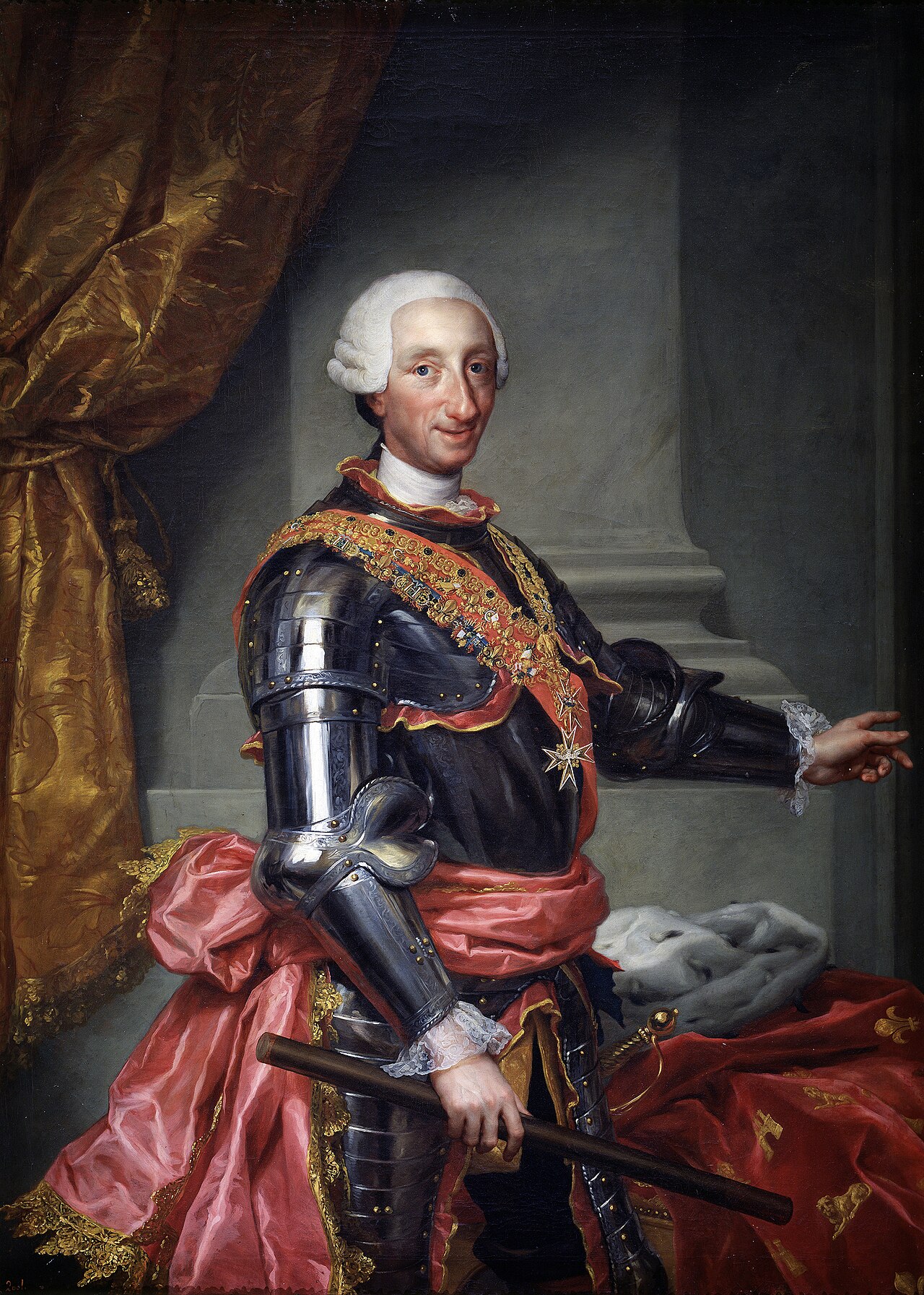
Charles III
Anton Raphael Mengs · 1767
 Painting
Primary source
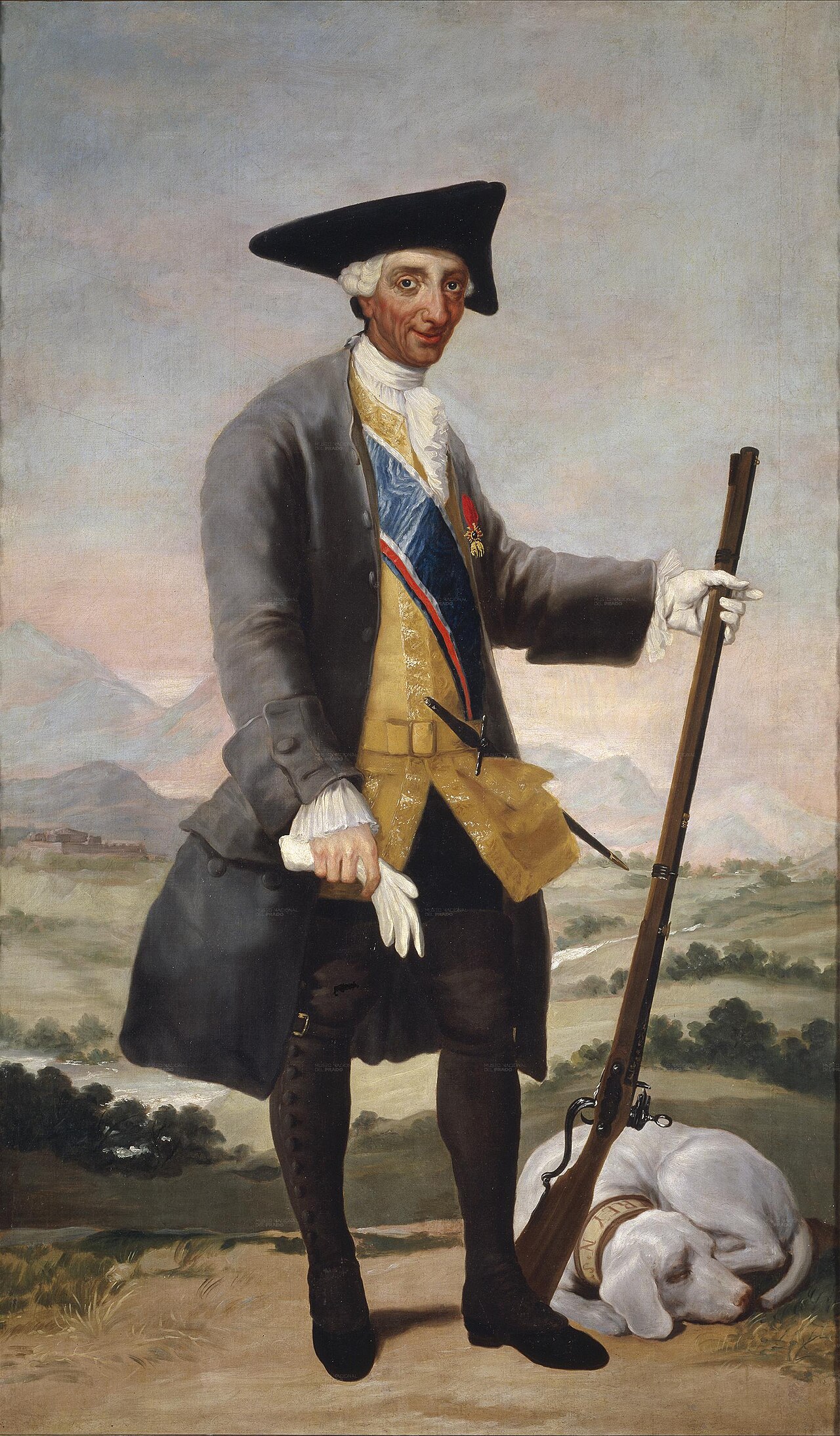
Charles III in Hunting Dress
Francisco Goya · 1786
 Painting
Primary source
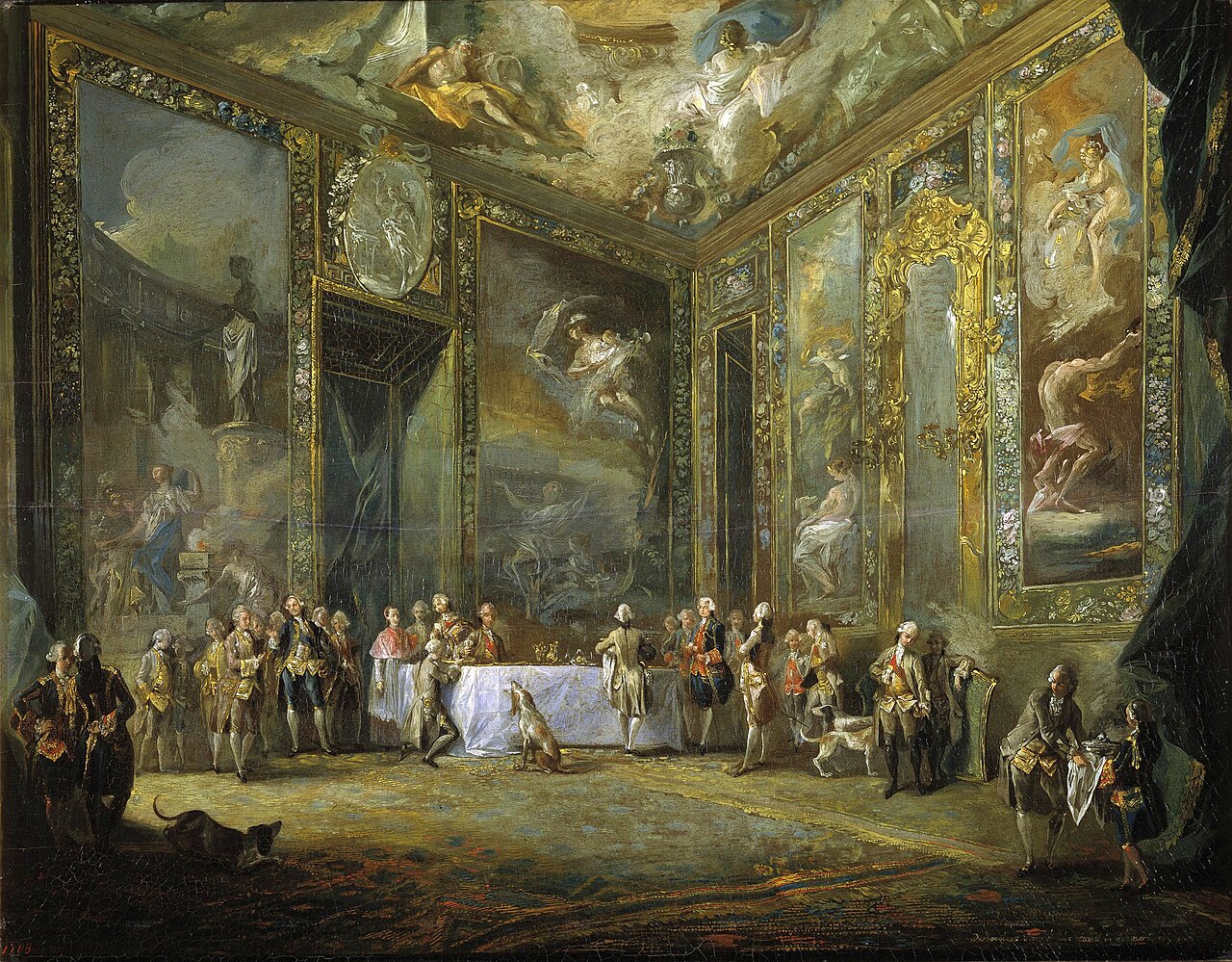
Charles III dining before the Court
Luis Paret y Alcázar · 1775
Free account
Read every Charles III of Spain source
Sign up free →
Ready when you are
Start chatting with Charles III of Spain now.
20 messages free · No credit card · Available in 50+ languages.