


Secondary sourceArtifact1742
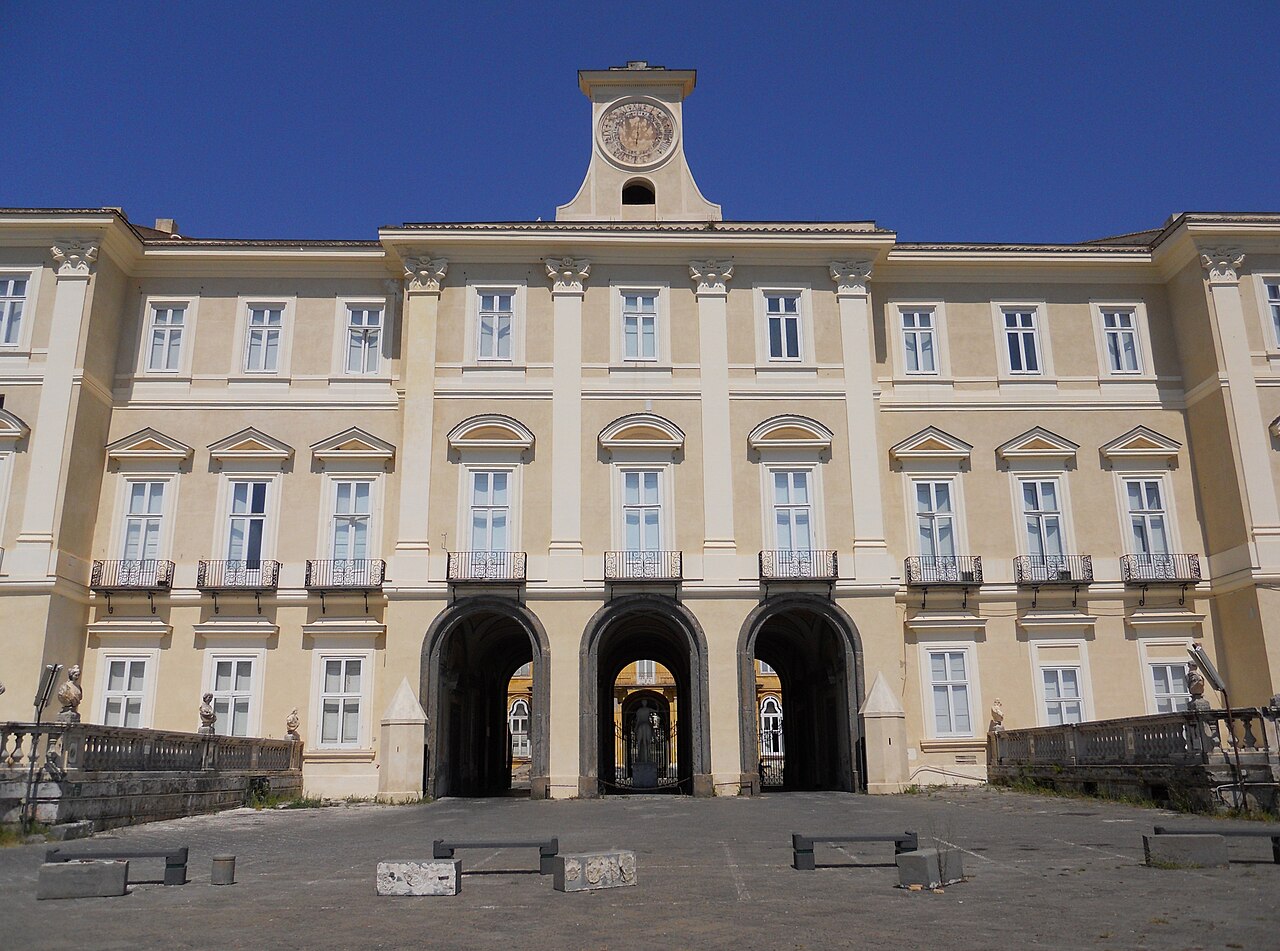
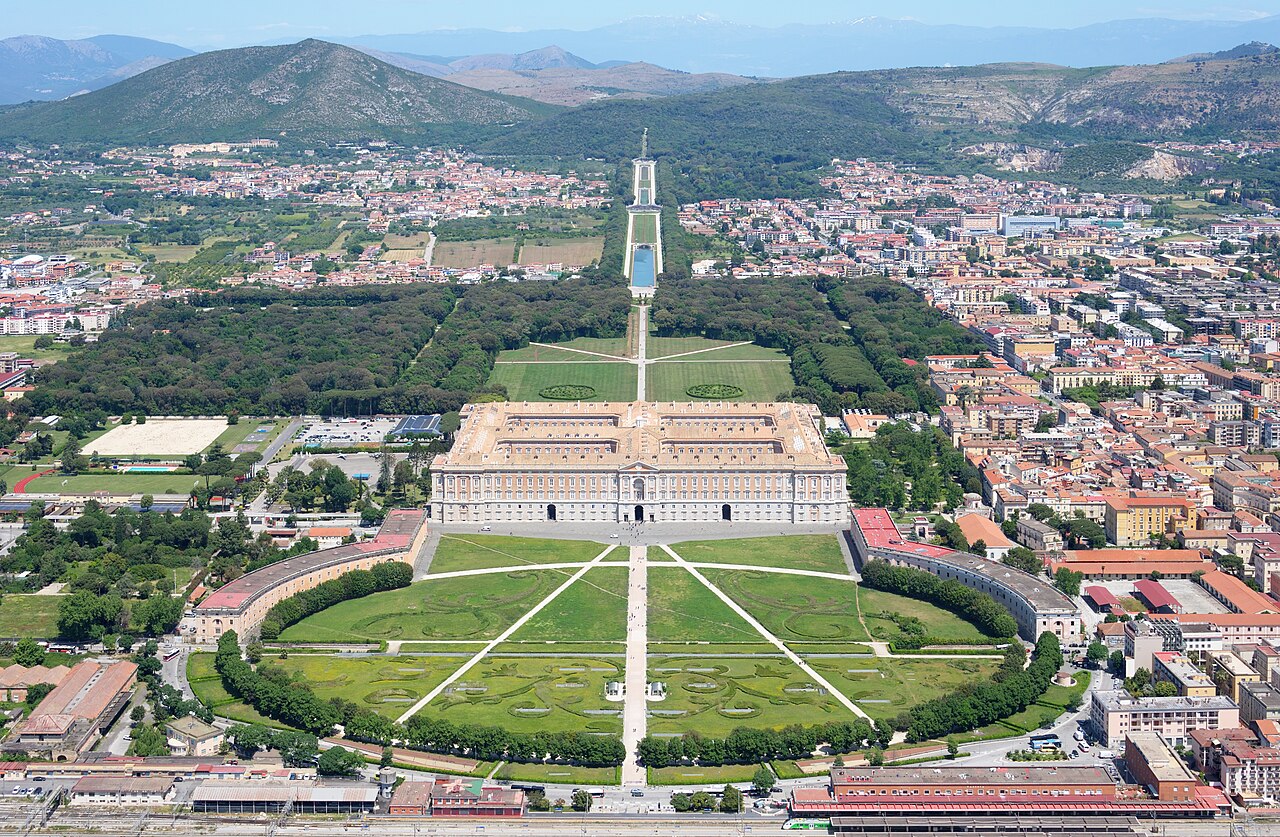
Palace of Portici
1742
A royal residence built for Charles near Naples that housed the first museum of finds from Herculaneum.
Charles commissioned this palace and founded the museum there that housed the Herculaneum discoveries.
About this source
What it is
The Palace of Portici is a former royal palace near Naples, built for King Charles and his wife Maria Amalia of Saxony beginning in 1738. Construction was directed by Antonio Canevari, with frescoes by Giuseppe Bonito and garden sculptures by Joseph Canart. The palace stood near the ruins of Herculaneum and became the seat of the Accademia Ercolanese, founded by Charles in 1758.
Why it matters
Excavations for the palace's foundations uncovered ancient Roman remains, leading Charles to found a museum there to display finds from Herculaneum, Pompeii, and Stabiae. This connects the king to the early history of archaeology and shows how royal building projects could spark scientific discovery.
Look closer
- Why might building a royal palace lead to the discovery of ancient ruins?
- What does founding a museum for these finds suggest about the king's interests?
- How did the palace's role change after Charles became King of Spain in 1759?
This artifact is part of the curated material that grounds the AI version of Charles III of Spain on Humy.ai — when students ask about related events, the AI can quote it and cite it.
More Charles III of Spain sources
Browse all 94 →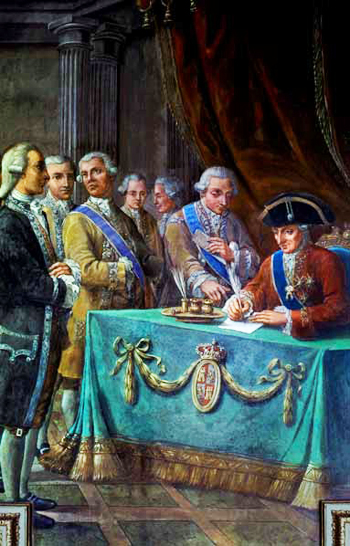 Document
Secondary source
Free Trade Regulations
Pere Pau Muntanya · 1778
 Painting
Primary source
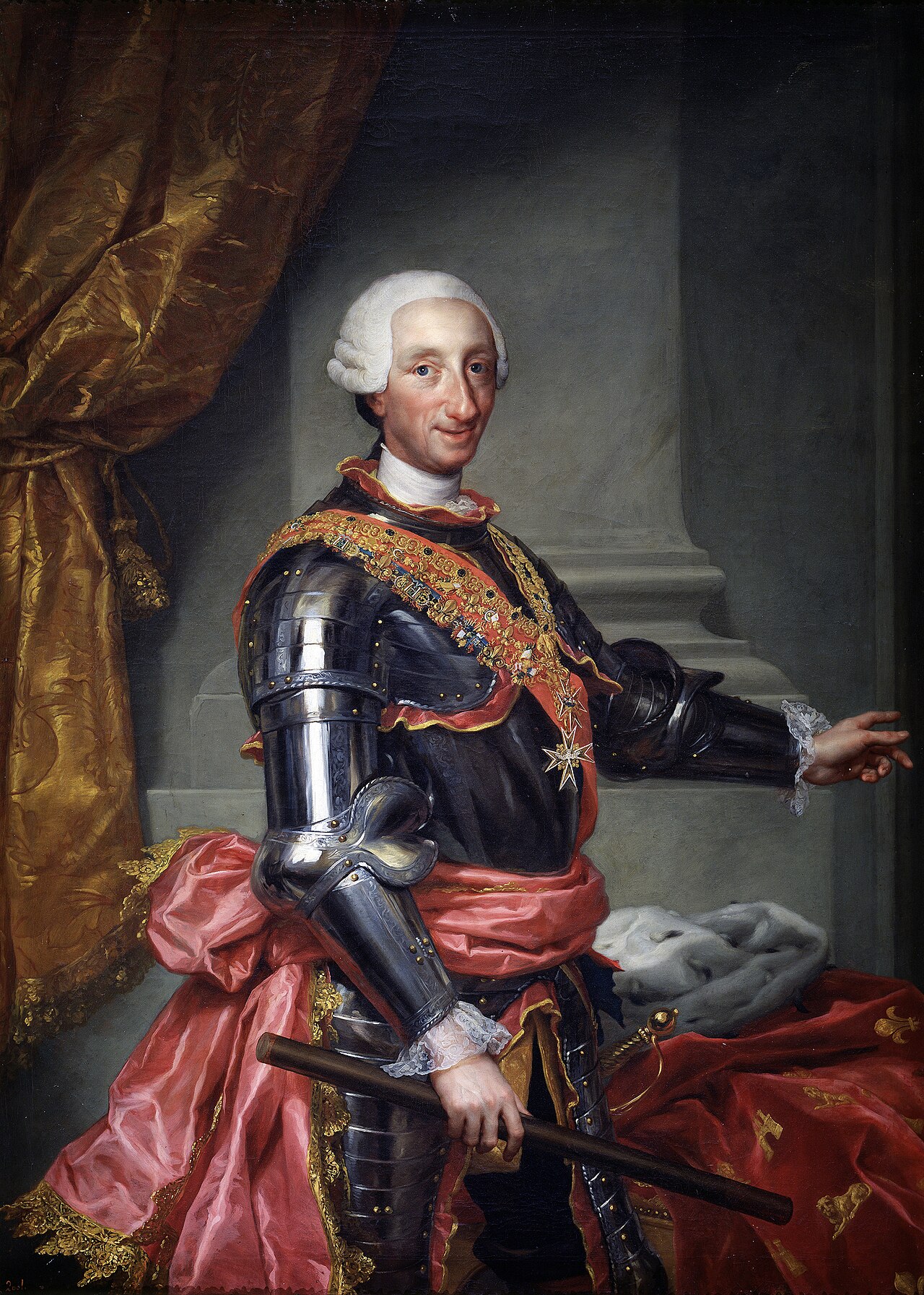
Charles III
Anton Raphael Mengs · 1767
 Painting
Primary source
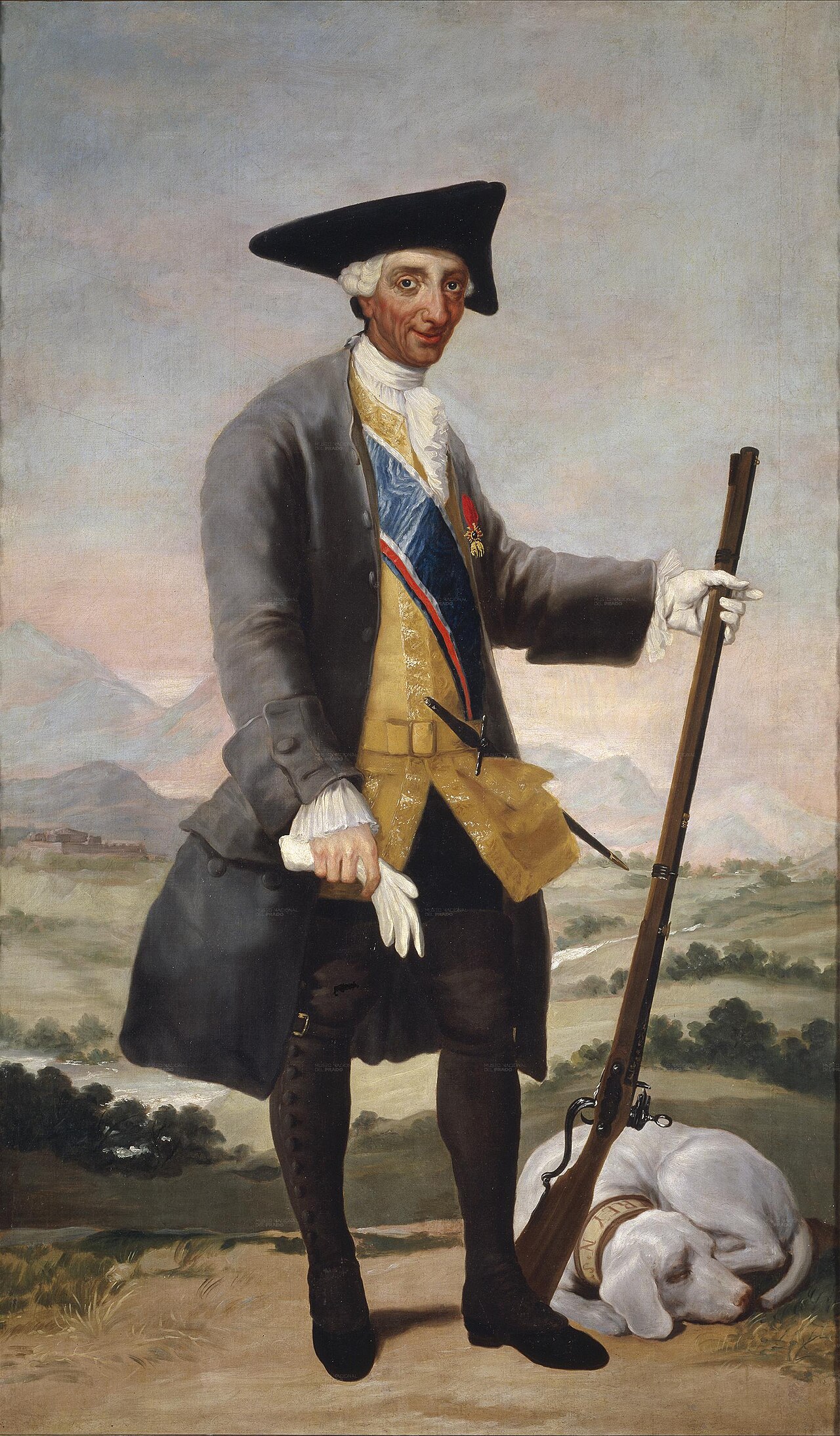
Charles III in Hunting Dress
Francisco Goya · 1786
 Painting
Primary source
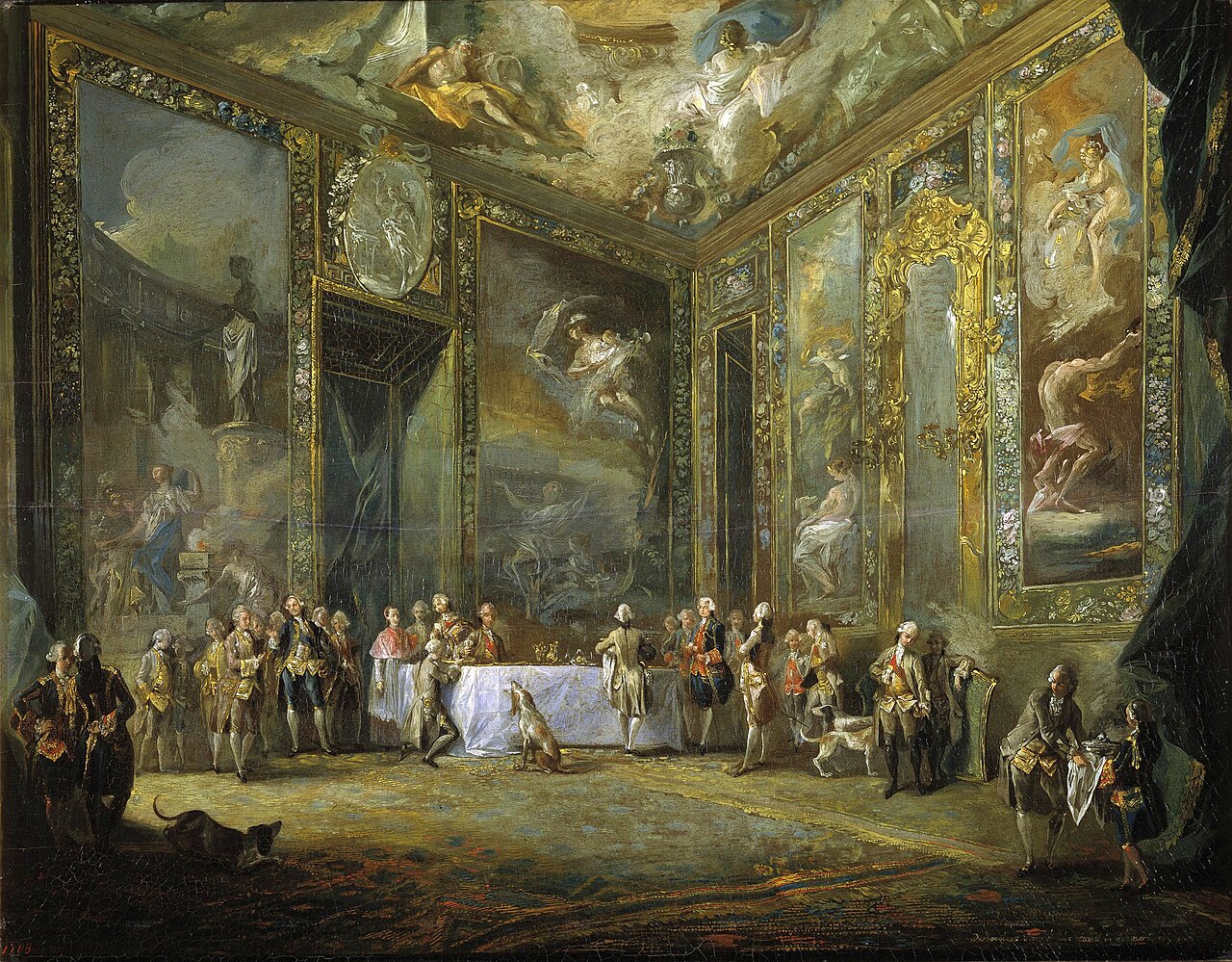
Charles III dining before the Court
Luis Paret y Alcázar · 1775
Free account
Read every Charles III of Spain source
Sign up free →
Ready when you are
Start chatting with Charles III of Spain now.
20 messages free · No credit card · Available in 50+ languages.