


Secondary sourceSculpture
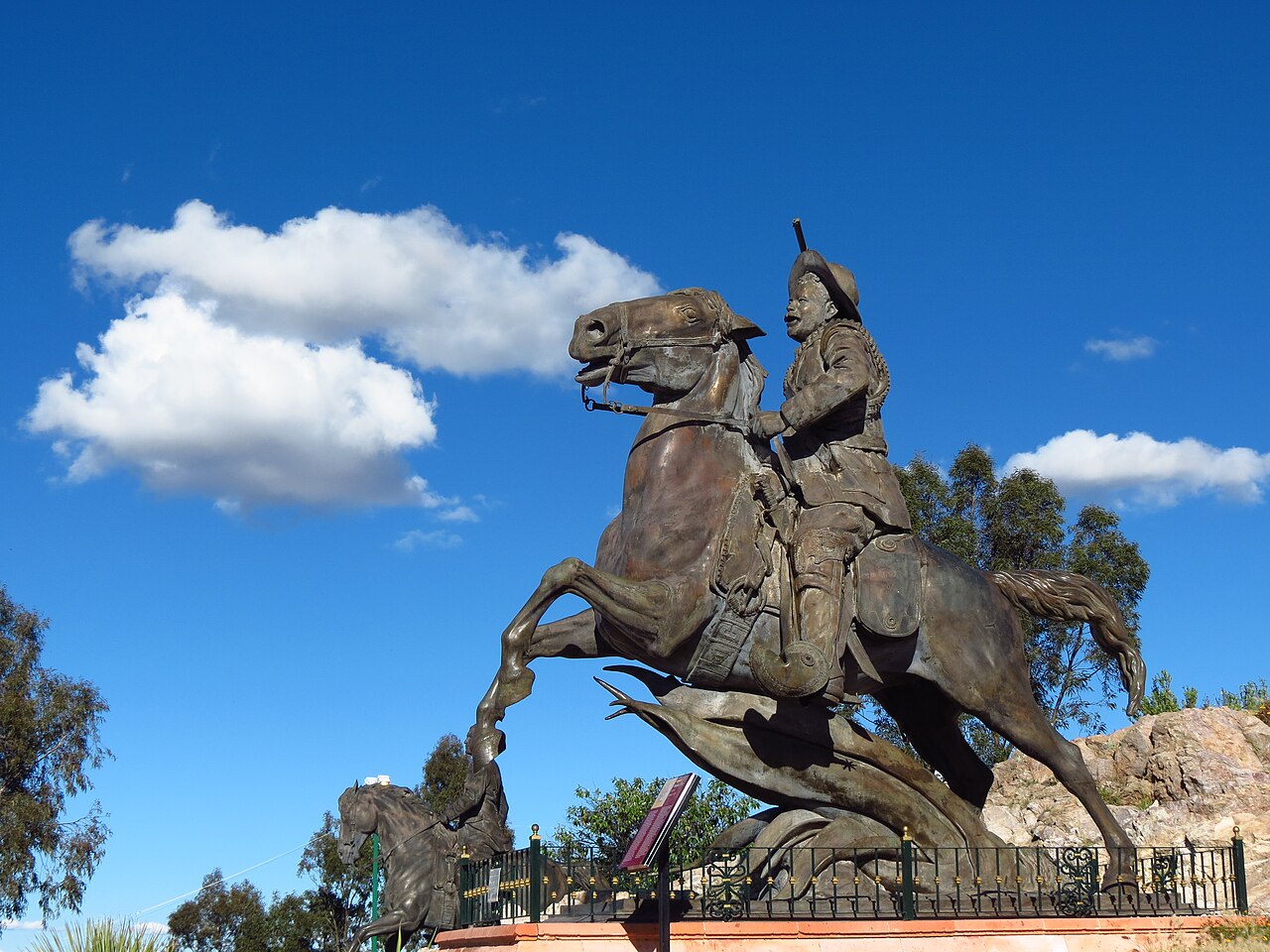
Pancho Villa statue, Cerro de la Bufa, Zacatecas
A bronze equestrian statue of Pancho Villa on a rearing horse, placed at the Zacatecas battle site where he won a key 1914 victory. It commemorates his campaign.
This statue shows how Villa is remembered at Zacatecas, the site of a battle he won in 1914.
About this source
What it is
This is a bronze equestrian statue of Pancho Villa on a rearing horse, set on a pedestal beside a black iron railing. It stands on the Cerro de la Bufa in Zacatecas, the hill where Villa won a key victory in 1914. The photograph was uploaded to Wikimedia Commons by Luisalvaz in November 2013. The facts available do not name the sculptor or the year the statue was made.
Why it matters
Monuments like this are usually raised long after the events they honor, so they show how later generations chose to remember a revolutionary leader. The Battle of Zacatecas was an important step in the Mexican Revolution, and the statue links that battle to Villa's campaign. A monument tells us what a community wanted to celebrate, and it is a later interpretation rather than a record made at the time.
Look closer
- What do the rider's clothing and posture suggest about how Villa is presented?
- Why might a memorial be placed on the actual battle site?
- What parts of Villa's story does a statue like this leave out?
This sculpture is part of the curated material that grounds the AI version of Pancho Villa on Humy.ai — when students ask about related events, the AI can quote it and cite it.
More Pancho Villa sources
Browse all 88 →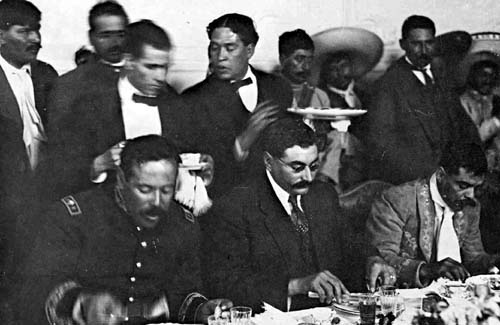 Photograph
Primary source
Pancho Villa, Eulalio Gutiérrez and Emiliano Zapata
December 1914
 Book
Primary source
Insurgent Mexico
John Reed · 1914
 Photograph
Primary source
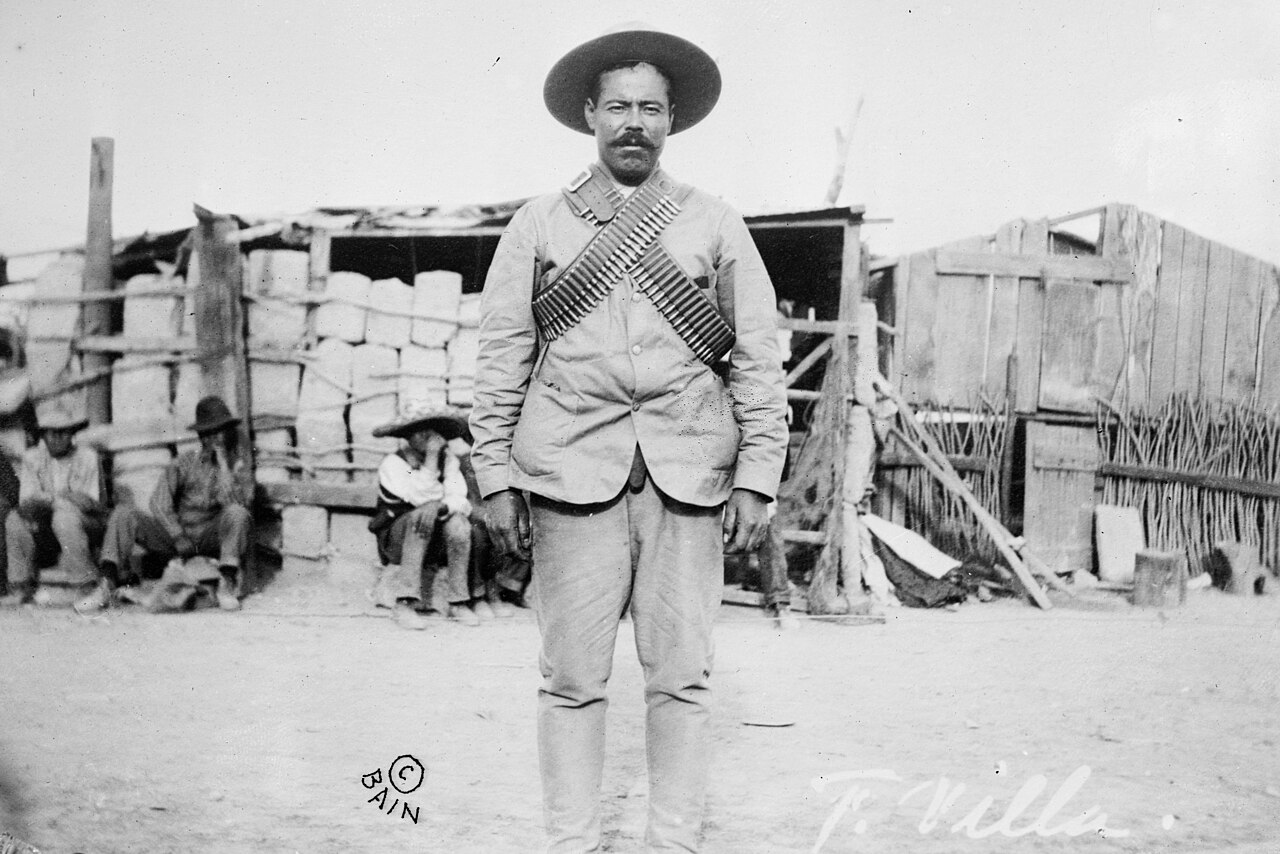
Pancho Villa in Bandoliers
Bain News Service
 Photograph
Primary source
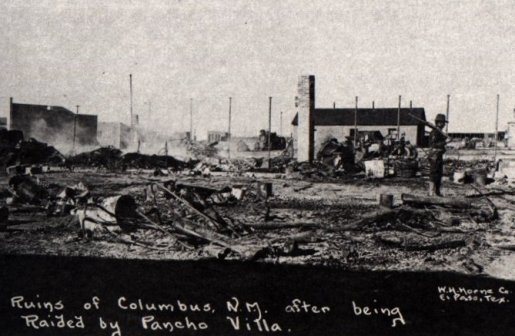
Ruins of Columbus, New Mexico
OSCAR · 1916
Free account
Read every Pancho Villa source
Sign up free →
Ready when you are
Start chatting with Pancho Villa now.
20 messages free · No credit card · Available in 50+ languages.