


Primary sourceArtifactc. 1909
Pank-a-Squith
c. 1909
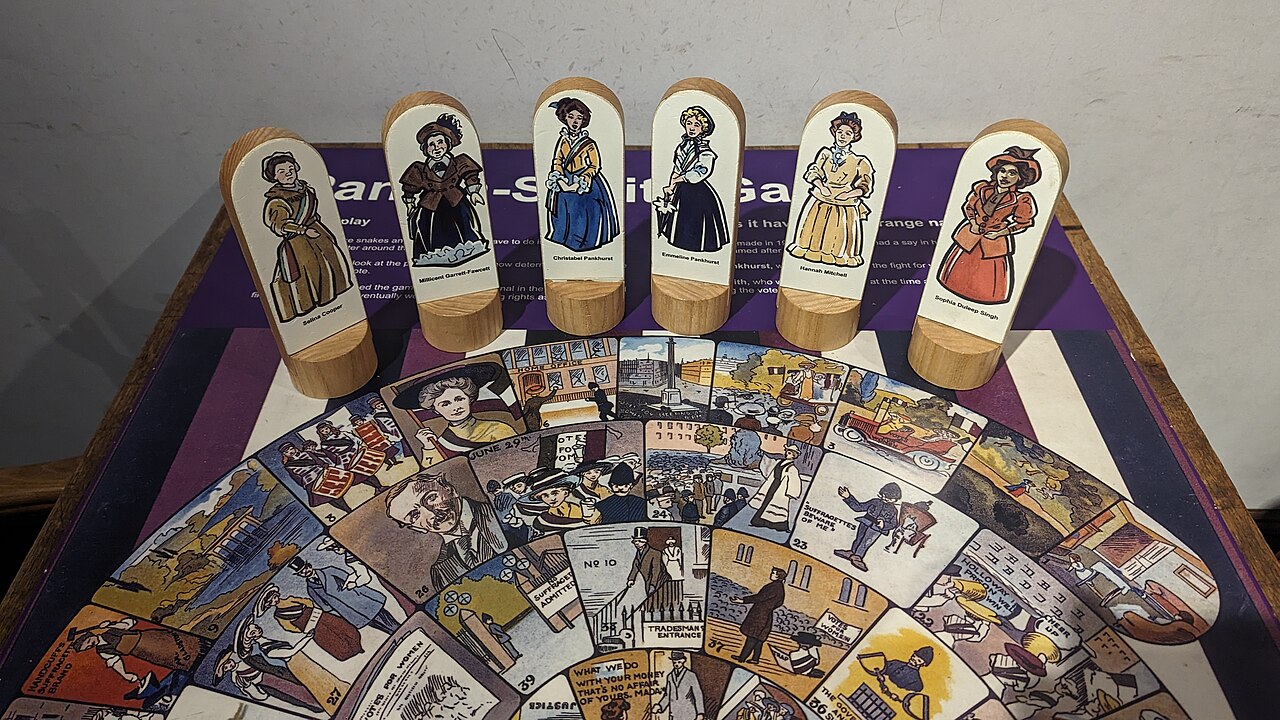
A 1909 board game named after Pankhurst and Prime Minister Asquith, sold by the WSPU to raise funds and spread suffrage ideas.
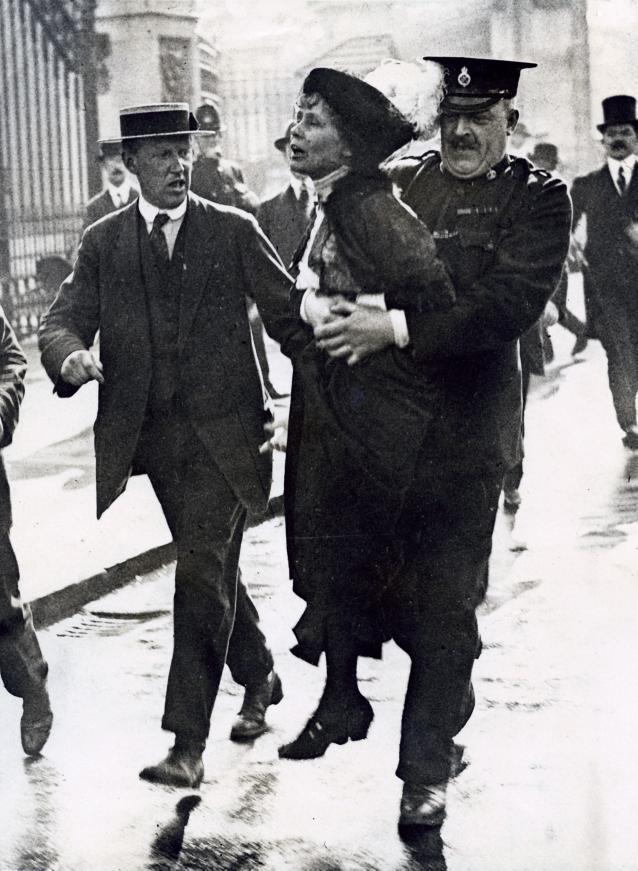
Depicts Pankhurst's arrest, showing how her name and image were used in WSPU fundraising and propaganda.
About this source
What it is
Pank-a-Squith is a board game created around 1909 for the Women's Social and Political Union (WSPU) and produced by a German company. Its name combines Pankhurst and Asquith, the Prime Minister who opposed women's suffrage. Players move suffragette pieces from home to Parliament, with squares showing events like arrests and hunger strikes.
Why it matters
The WSPU sold the game in its shops to raise money and to 'popularise the cause and the colours,' showing how the movement used everyday objects like toys to spread its message and finance its campaign. One square depicts Emmeline Pankhurst being arrested, directly linking her to the game's imagery alongside figures like Christabel Pankhurst and Sophia Duleep Singh.
Look closer
- Why might a political movement choose to sell a board game rather than only pamphlets or speeches?
- What does the depiction of arrest and hunger strikes on the board tell you about the dangers suffragettes faced?
- Who do you think bought and played this game, and why?
This artifact is part of the curated material that grounds the AI version of Emmeline Pankhurst on Humy.ai — when students ask about related events, the AI can quote it and cite it.
More Emmeline Pankhurst sources
Meet the AI Emmeline Pankhurst →Primary source
Freedom or Death
Emmeline Pankhurst · 1913
Primary source
My Own Story
Emmeline Pankhurst · 1914
 Photograph
Primary source
Emmeline Pankhurst Arrested, 1914
Unknown author · 22 May 1914
 Newspaper article
Primary source
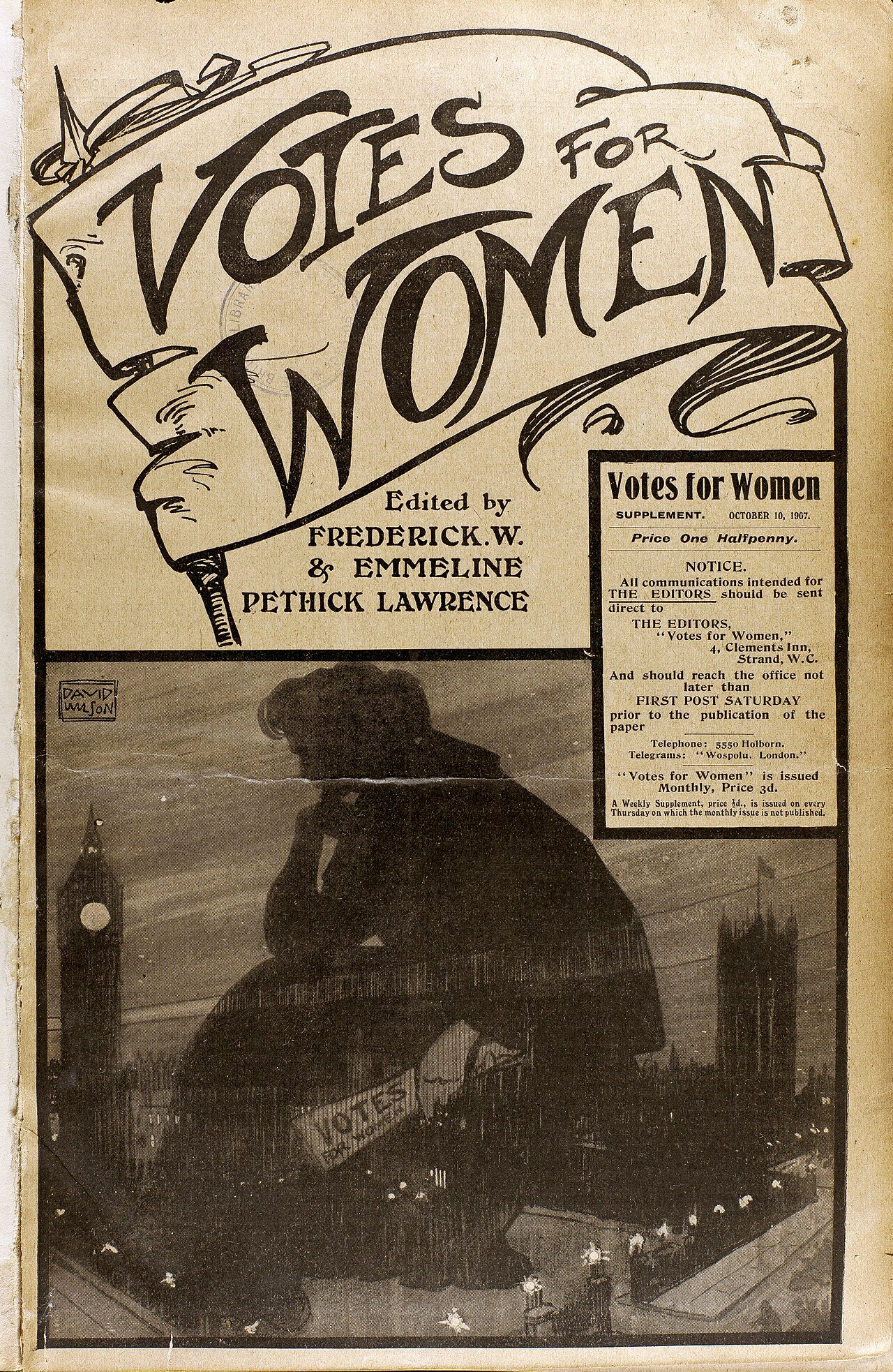
Votes for Women
Frederick Pethick-Lawrence and Emmeline Pethick-Lawrence · 10 October 1907
 Photograph
Primary source
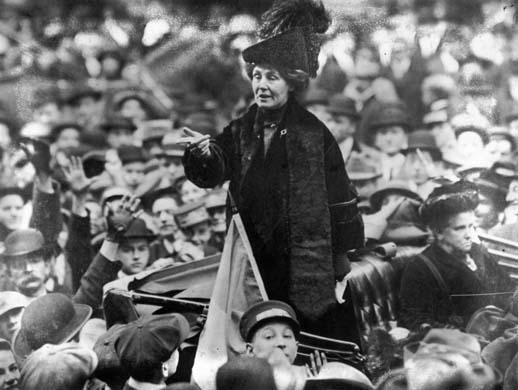
Emmeline Pankhurst Addresses a Crowd in New York City
Topical Press Agency · 1913
Ready when you are
Start chatting with Emmeline Pankhurst now.
20 messages free · No credit card · Available in 50+ languages.