


Primary sourcePhotograph14 March 1943
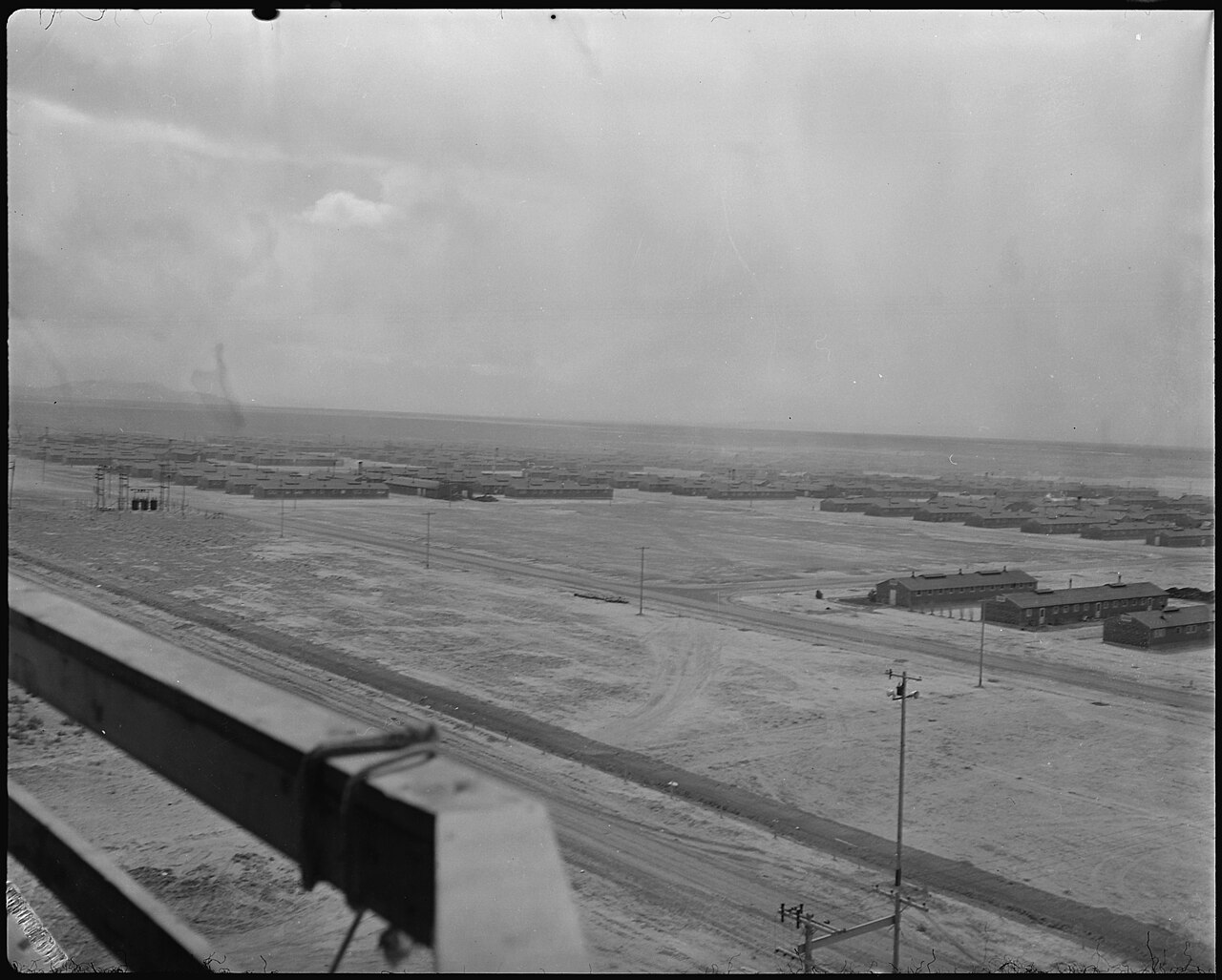
Panorama of the Central Utah Relocation Center from the Water Tower
Francis Stewart · 14 March 1943
A 1943 panoramic photograph of the Topaz camp's barracks, taken from the water tower, showing the scale of the camp where Fred Korematsu was held.
Shows the Topaz camp where Korematsu was incarcerated after his arrest and conviction.
About this source
What it is
A black-and-white photograph taken by Francis Stewart on 14 March 1943, showing a panoramic view of the Central Utah Relocation Center, known as Topaz, from an elevated vantage point such as the water tower.
Why it matters
This image shows the scale of the camp where Fred Korematsu and thousands of other Japanese Americans were incarcerated after being removed from their homes. The flat, dusty landscape and rows of barracks reveal the isolation and scale of the wartime incarceration program.
Look closer
- What does the layout of the barracks tell you about how the camp was organized?
- Why might the photographer have chosen this elevated viewpoint?
- What does the image not show about the people living inside these barracks?
This photograph is part of the curated material that grounds the AI version of Fred Korematsu on Humy.ai — when students ask about related events, the AI can quote it and cite it.
More Fred Korematsu sources
Browse all 49 →Primary source
Executive Order 9066
Franklin Delano Roosevelt · 19 February 1942
Primary source
Korematsu v. United States, Supreme Court Opinion
Hugo Black (majority opinion) · 18 December 1944
Primary source
Justice Frank Murphy's Dissent in Korematsu v. United States
Frank Murphy · 18 December 1944
 Photograph
Primary source
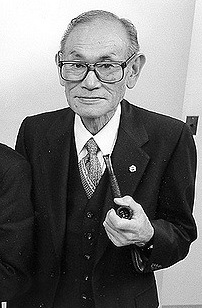
Portrait of Fred Korematsu
Free account
Read every Fred Korematsu source
Sign up free →
Ready when you are
Start chatting with Fred Korematsu now.
20 messages free · No credit card · Available in 50+ languages.