


Primary sourceArtifactc. 1830–1875
Paper Cuts by Hans Christian Andersen
Hans Christian Andersen · c. 1830–1875
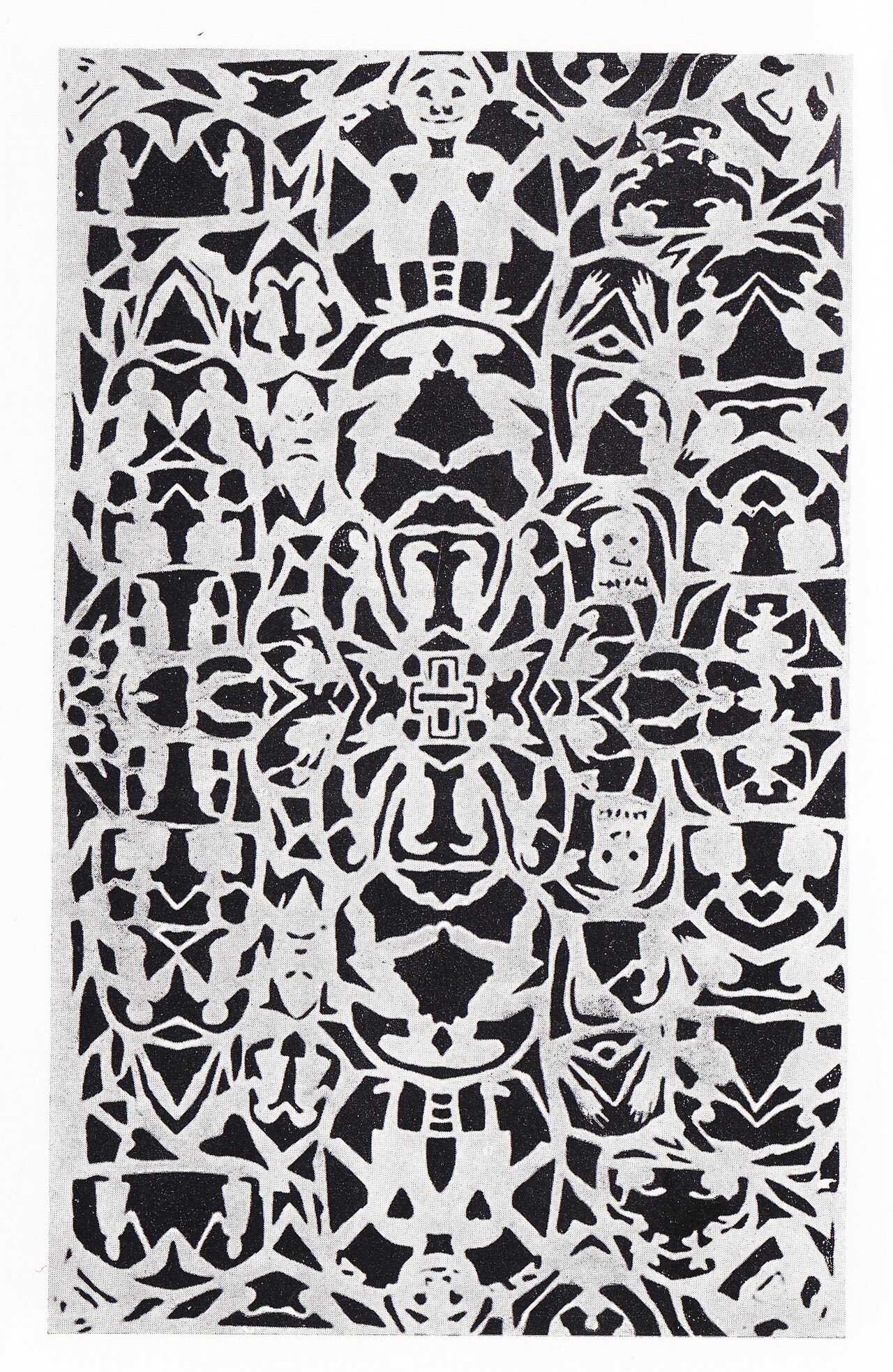
Intricate paper cut-outs snipped by Andersen himself while telling stories, showing figures like dancers and swans.
Andersen made these paper cuts himself as part of his storytelling performances.
Free Humy account · No credit card · 120,912 sources to read
About this source
What it is
These are paper cut-outs (silhouettes) made by Hans Christian Andersen, created between around 1830 and 1875. One example shown here was made for Mrs. Melchior in 1874. They are held by Odense City Museums at H.C. Andersen's House.
Why it matters
Andersen was known for cutting these intricate paper patterns while performing his stories aloud, often for friends and the children of people he knew, like the Melchior family who hosted him. The paper cuts reveal a playful, visual side of his imagination and show how storytelling for him was a performance, not just writing.
Look closer
- What shapes and figures can you make out in the pattern, and what might they represent?
- Why do you think Andersen cut paper while telling stories instead of just talking?
- What does this object tell you about Andersen's personality beyond his written works?
This artifact is part of the curated material that grounds the AI version of Hans Christian Andersen on Humy.ai — when students ask about related events, the AI can quote it and cite it.
More Hans Christian Andersen sources
Browse all 98 →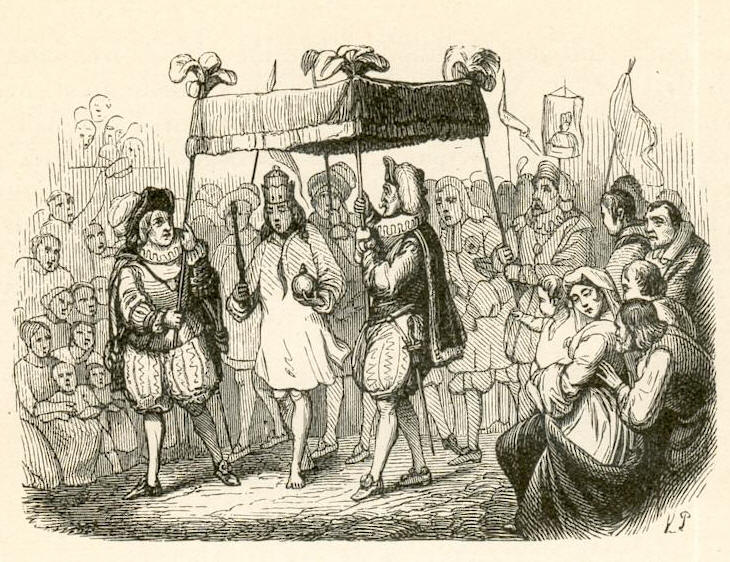 Book
Primary source
The Emperor's New Clothes
Hans Christian Andersen · 1837
 Book
Primary source
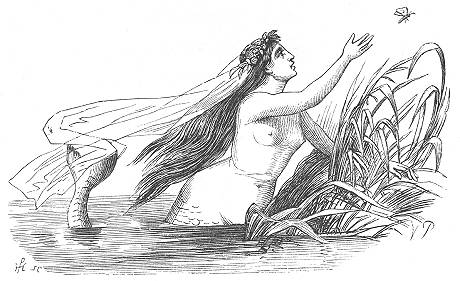
The Little Mermaid
Hans Christian Andersen · 1837
 Book
Primary source
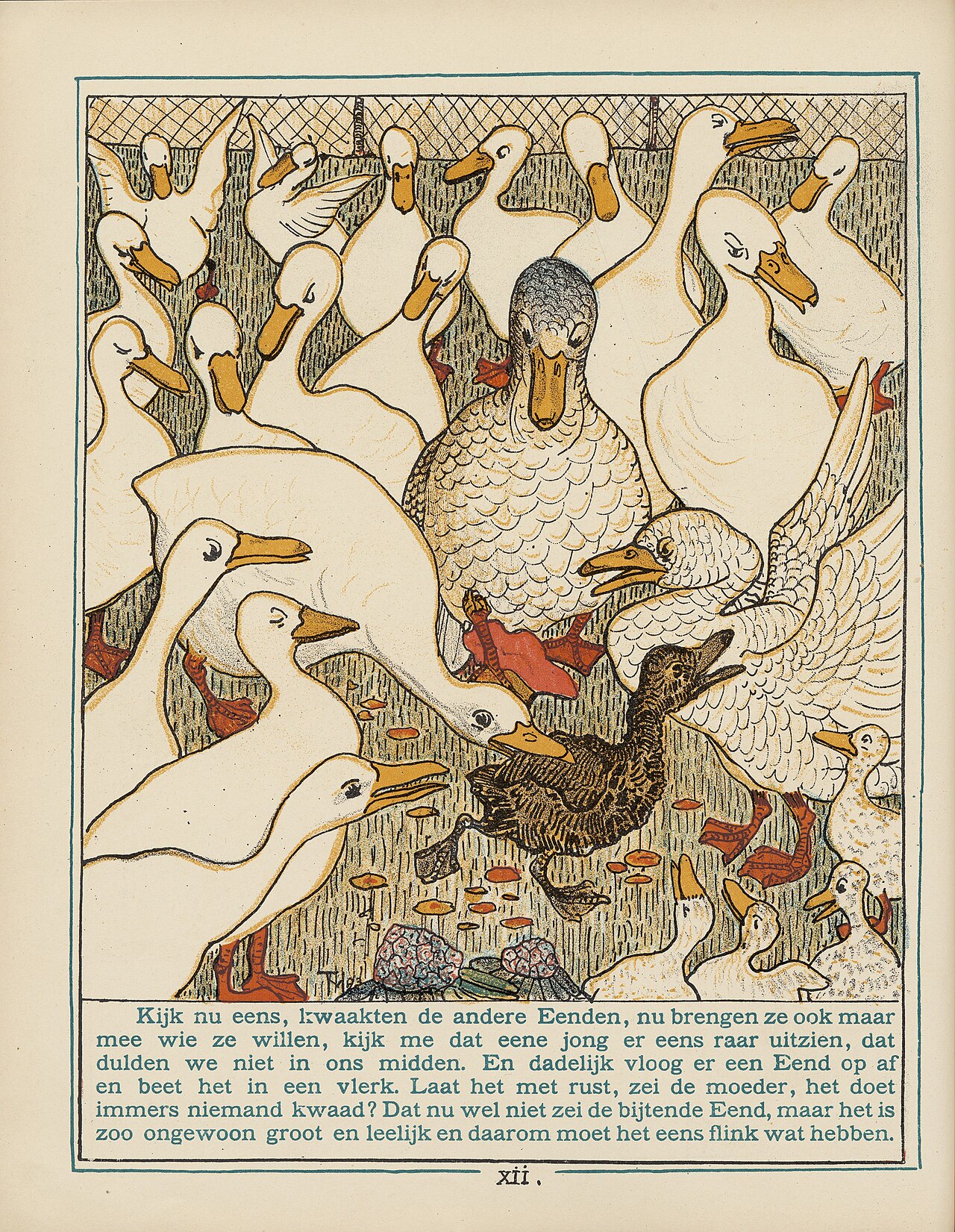
The Ugly Duckling
Hans Christian Andersen · 1843
 Book
Primary source
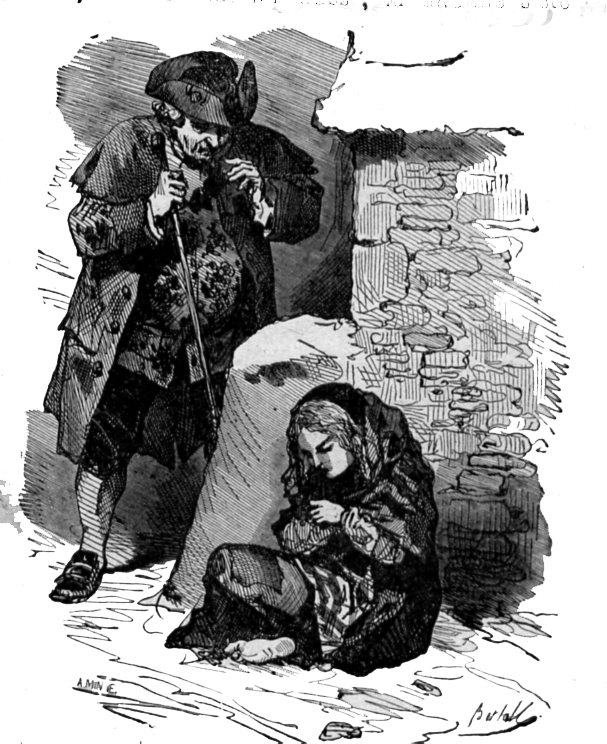
The Little Match Girl
Hans Christian Andersen · 1845
Free account
Read every Hans Christian Andersen source
Sign up free →
Ready when you are
Start chatting with Hans Christian Andersen now.
20 messages free · No credit card · Available in 50+ languages.