


Primary sourcePainting1497
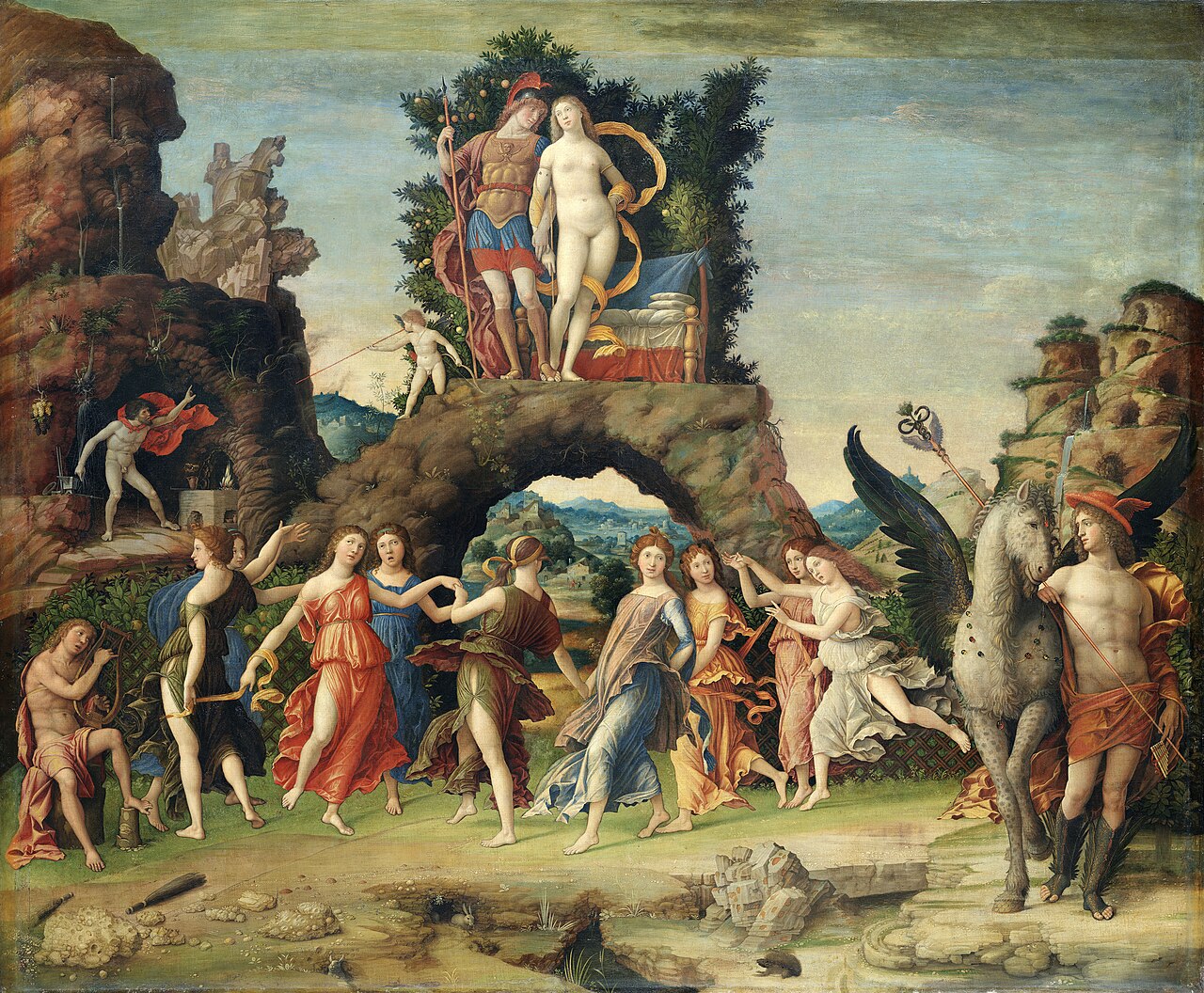
Parnassus
Andrea Mantegna · 1497
A Renaissance painting by Mantegna given to Cardinal Richelieu in 1627, later part of the French royal collection.
Richelieu acquired this painting from Isabella d'Este's studiolo, showing his taste for Italian Renaissance art.
About this source
What it is
Painted in 1497 by Andrea Mantegna for Isabella d'Este's private study in Mantua, this work shows Mars and Venus on a rocky arch above dancing Muses, with Apollo, Mercury, Vulcan, and Pegasus also present. In 1627, Duke Charles I of Mantua gave it to Cardinal Richelieu, and it later entered the royal collection of Louis XIV before reaching the Louvre.
Why it matters
The painting shows Richelieu's deep interest in collecting Italian Renaissance masterpieces, works originally made for powerful patrons like Isabella d'Este. Acquiring such a prized piece reveals how Richelieu used art to display his status and connect himself to Europe's cultural elite.
Look closer
- What mythological figures can you identify, and what story might they be telling?
- Why would a cardinal want to own a painting depicting pagan gods?
- What does the painting's journey from Mantua to Richelieu's collection tell us about art as a form of political gift-giving?
This painting is part of the curated material that grounds the AI version of Cardinal Richelieu on Humy.ai — when students ask about related events, the AI can quote it and cite it.
More Cardinal Richelieu sources
Browse all 89 →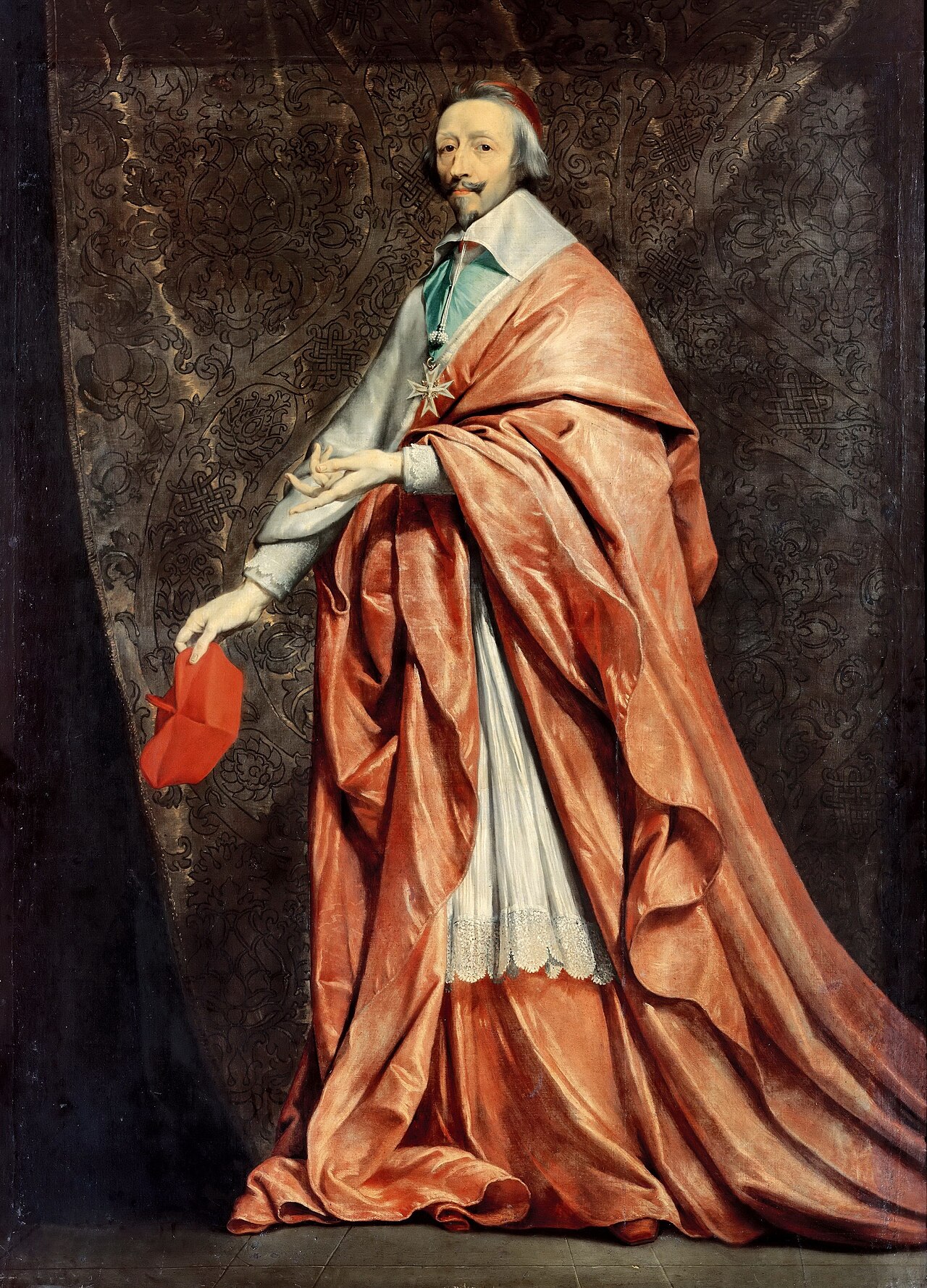 Painting
Primary source
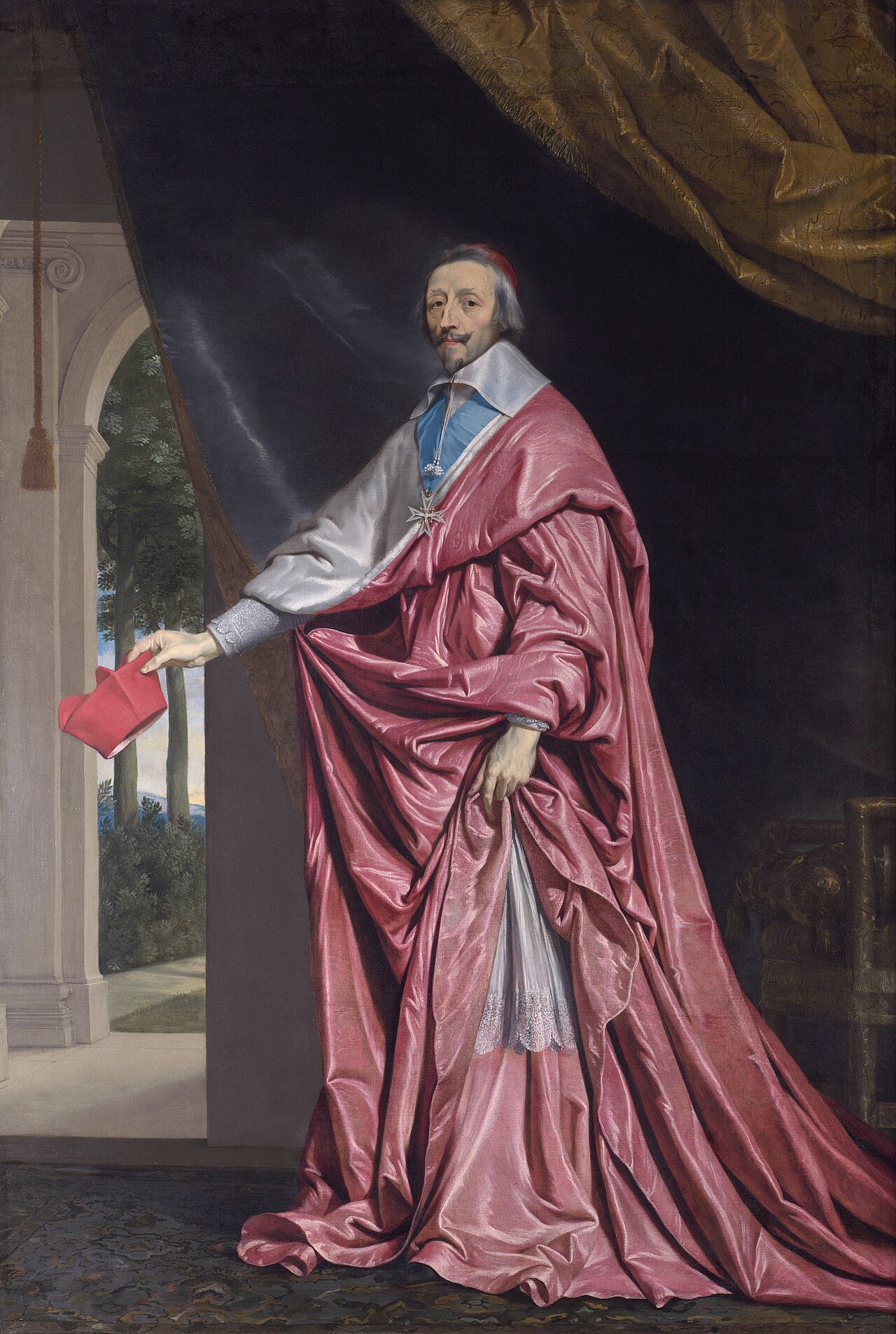
Portrait of Cardinal Richelieu
Philippe de Champaigne · 1637
 Painting
Primary source
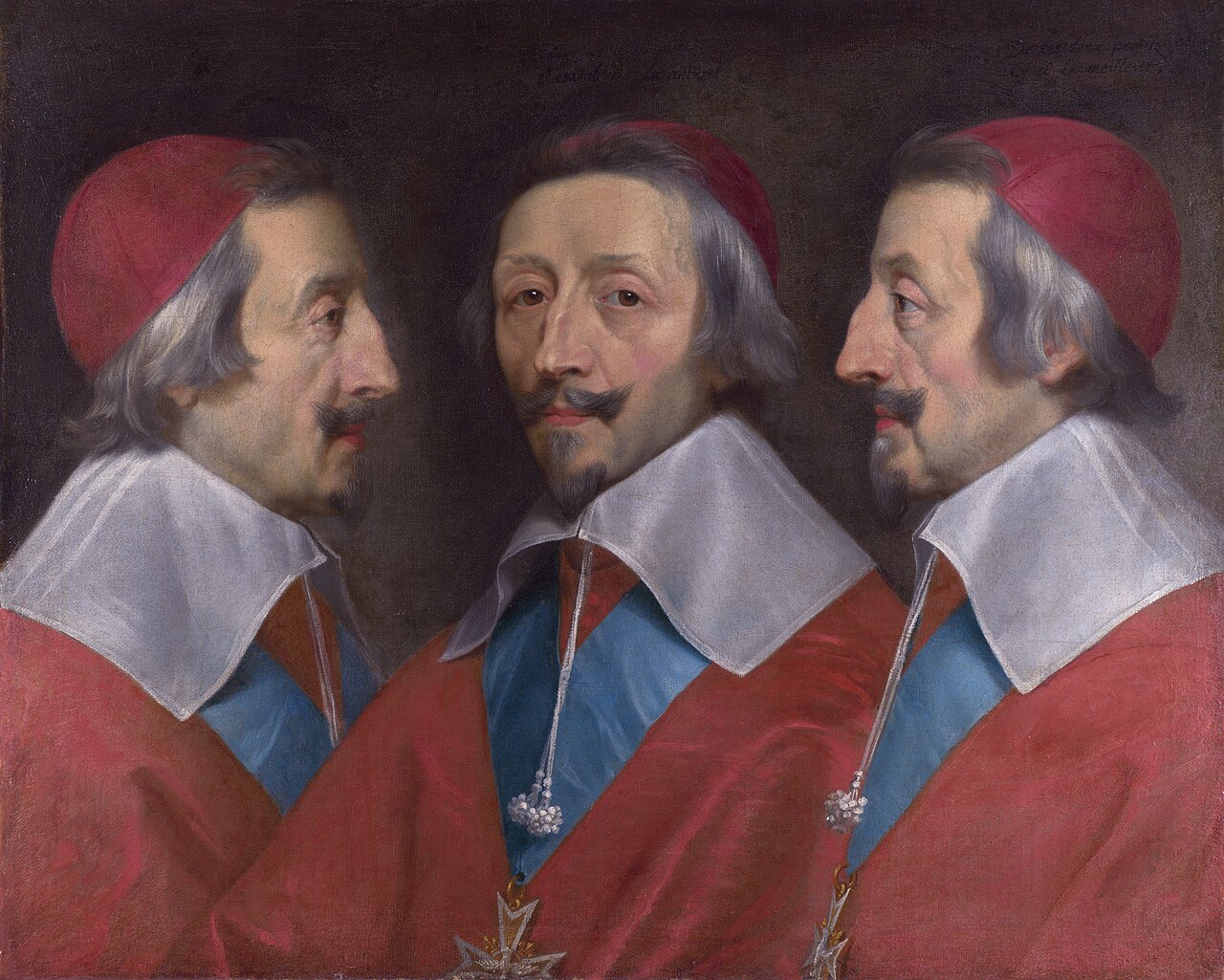
Triple Portrait of Cardinal de Richelieu
Philippe de Champaigne · 1642
 Sculpture
Primary source
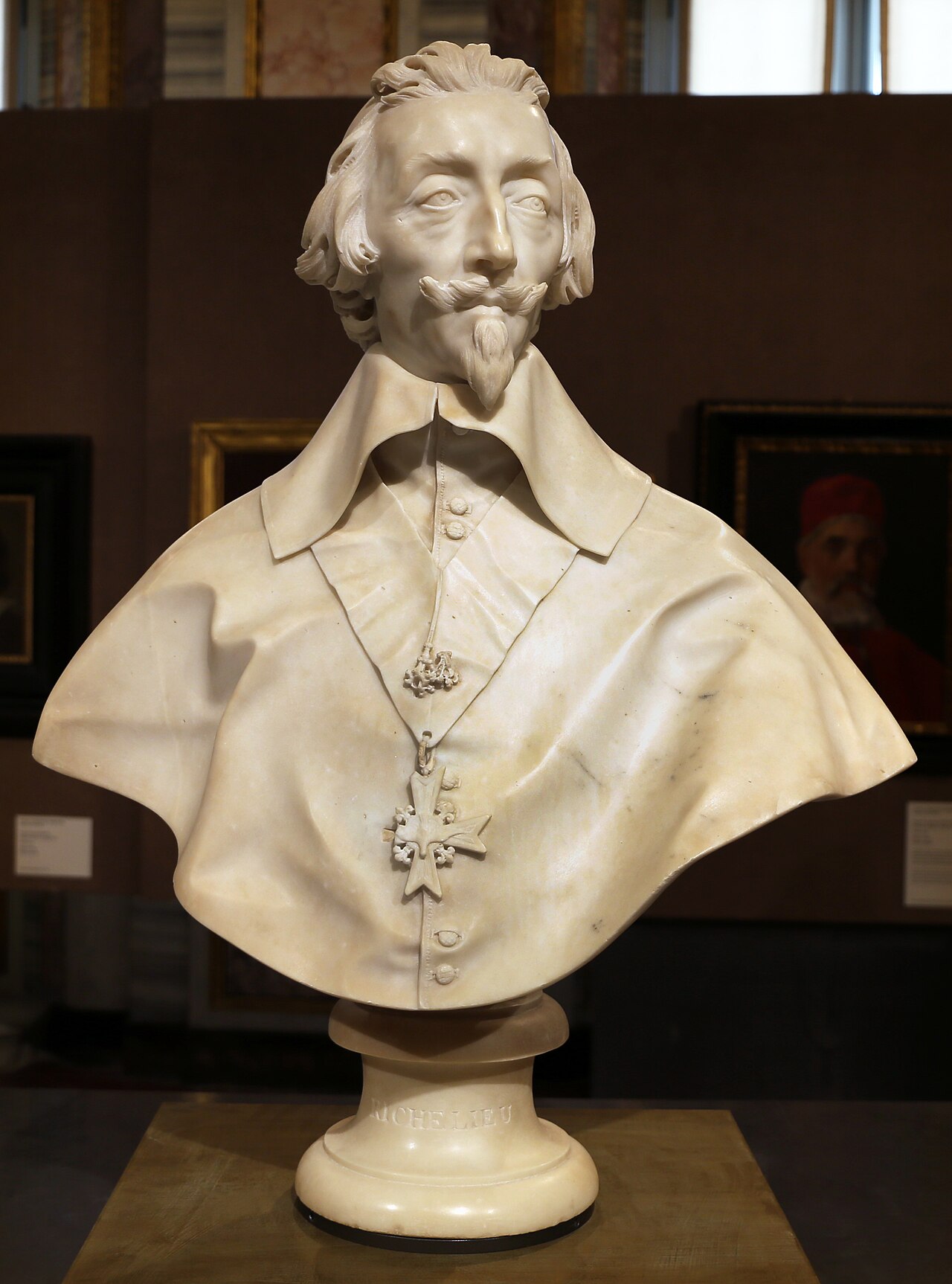
Bust of Cardinal Richelieu
Gian Lorenzo Bernini · 1641
 Artifact
Secondary source
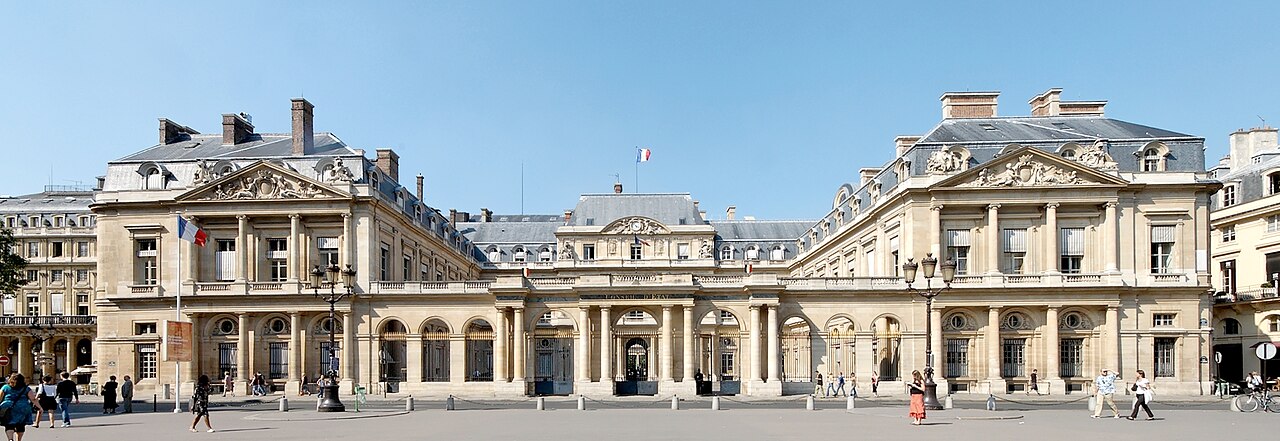
Palais-Royal
Jacques Lemercier · 1628
Free account
Read every Cardinal Richelieu source
Sign up free →
Ready when you are
Start chatting with Cardinal Richelieu now.
20 messages free · No credit card · Available in 50+ languages.