


Primary sourceArtifactc. 1859–1862
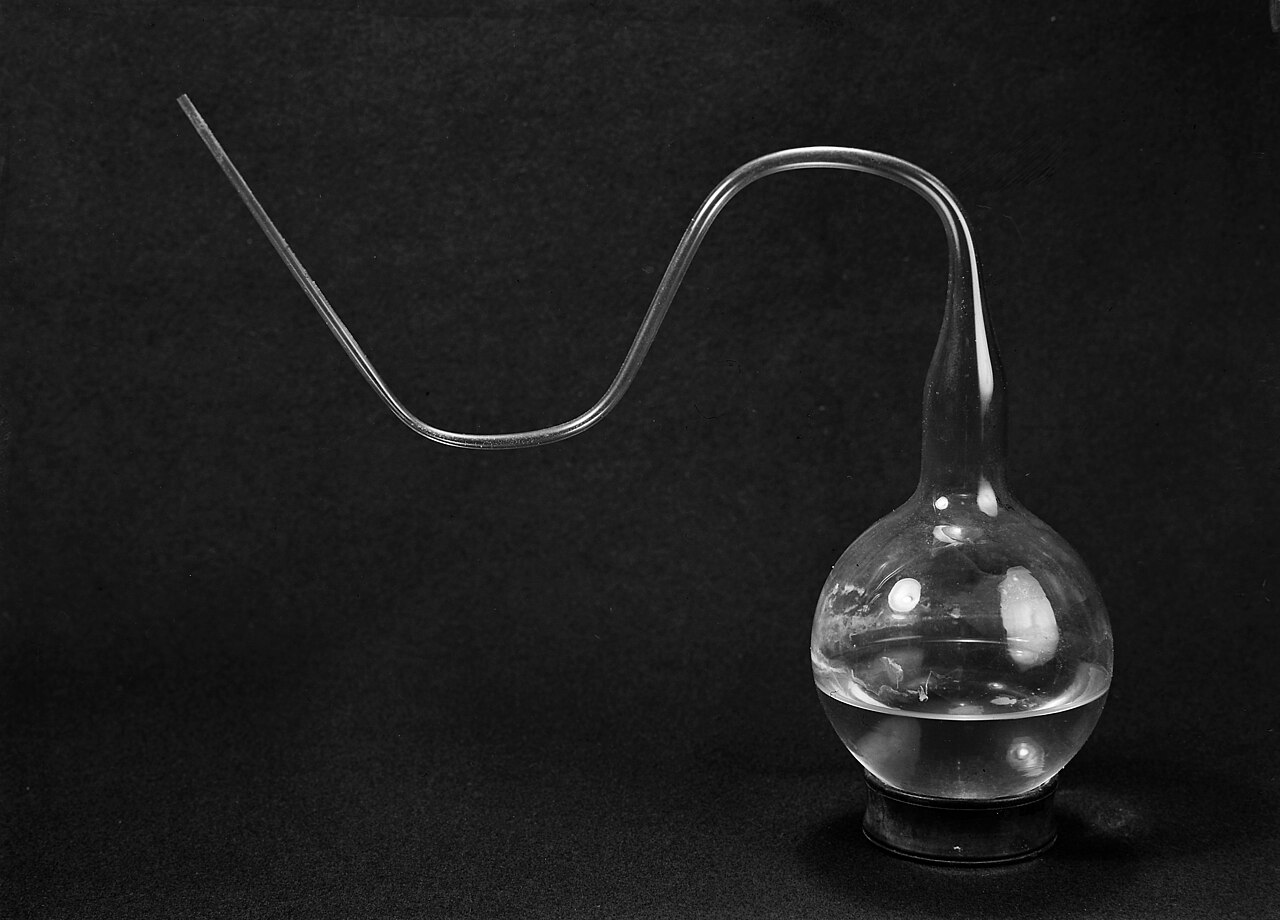
Pasteur's Swan-Neck Flasks
Louis Pasteur · c. 1859–1862
Glass flasks Pasteur used between 1859 and 1862 to disprove spontaneous generation, kept at the Institut Pasteur.
These are the actual flasks Pasteur built and sealed himself to prove microbes come from the air, not spontaneous generation.
Free Humy account · No credit card · 118,535 sources to read
About this source
What it is
These are original swan-necked flasks used by Louis Pasteur in experiments carried out between about 1859 and 1862. The flasks hold a fermentable liquid; their long curving necks let air in while trapping dust and microorganisms before they reach the liquid. They are kept at the Musée Pasteur, Institut Pasteur, in Paris.
Why it matters
Pasteur designed these flasks to settle a long-running scientific argument: did living things appear spontaneously from non-living matter, or did they come from existing microbes carried in the air? Some of the sealed flasks reportedly stayed free of growth for a very long time, supporting Pasteur's case and helping establish germ theory as the basis of modern microbiology.
Look closer
- Why would the shape of the flask's neck matter to the experiment's result?
- What problem was Pasteur trying to solve by comparing sealed and open flasks?
- What does this simple piece of glassware tell you about how scientific proof can be built from everyday materials?
This artifact is part of the curated material that grounds the AI version of Louis Pasteur on Humy.ai — when students ask about related events, the AI can quote it and cite it.
More Louis Pasteur sources
Browse all 92 →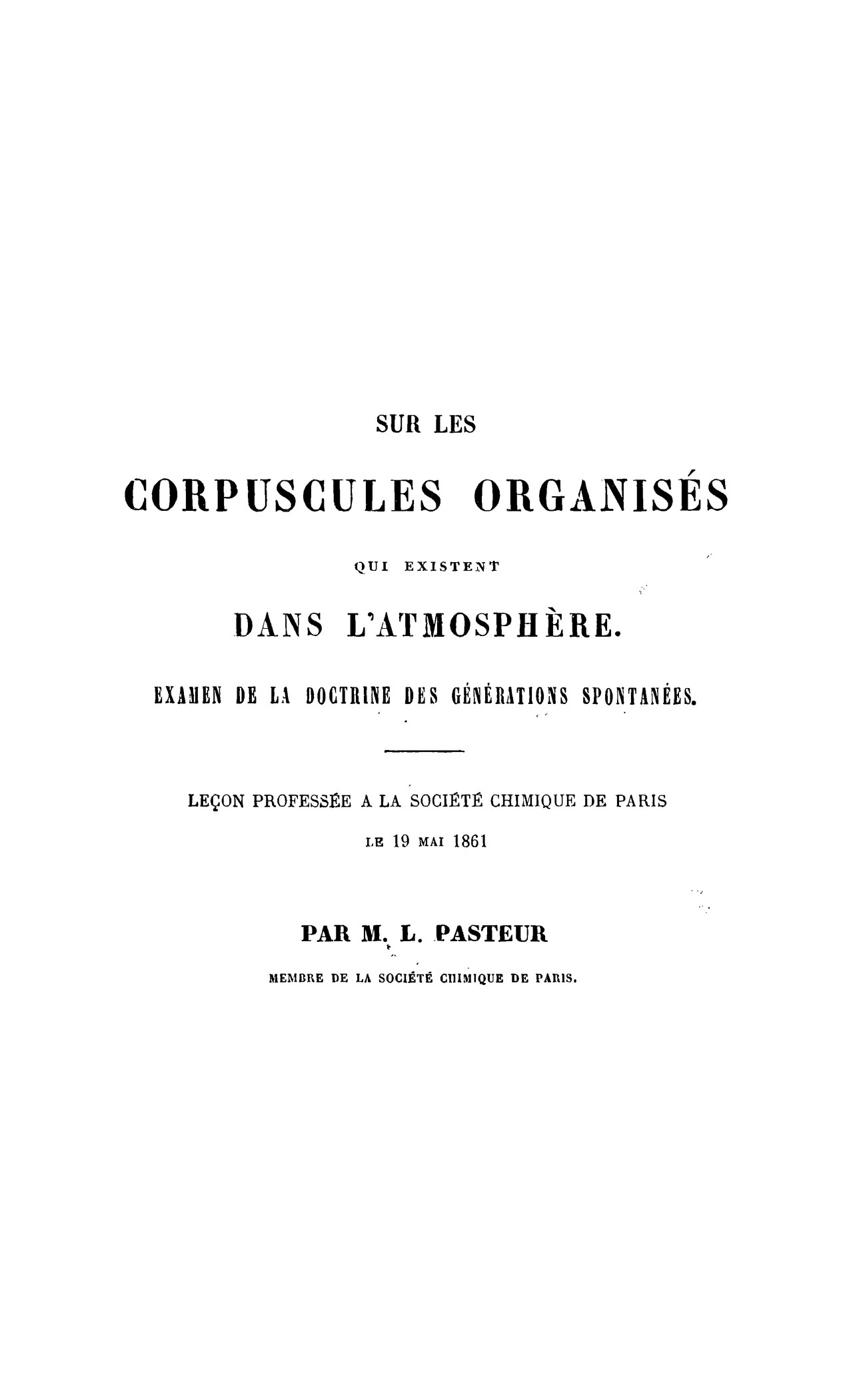 Book
Primary source
Sur les corpuscules organisés qui existent dans l'atmosphère
Louis Pasteur · 1861
 Painting
Secondary source
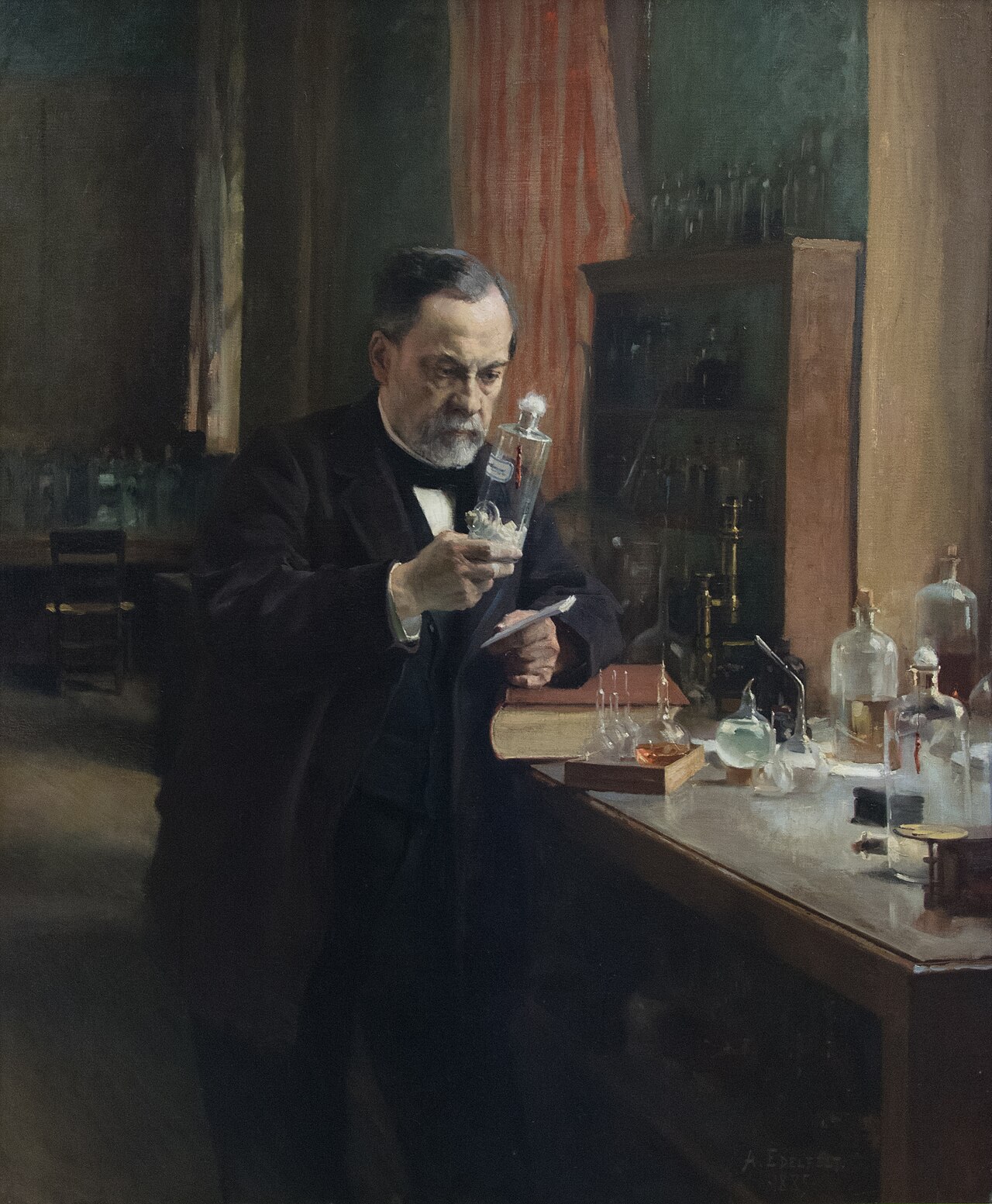
Portrait of Louis Pasteur
Albert Edelfelt · 1885
 Photograph
Primary source
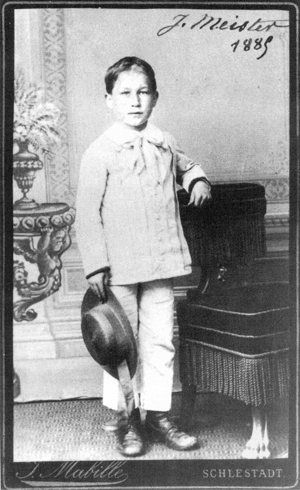
Joseph Meister
Unknown · 1885
Primary source
Recherches sur la dissymétrie moléculaire des produits organiques naturels
Louis Pasteur · 1861
Free account
Read every Louis Pasteur source
Sign up free →
Ready when you are
Start chatting with Louis Pasteur now.
20 messages free · No credit card · Available in 50+ languages.