


Primary sourceArtifact1869
Patent Model for Westinghouse's Air Brake
George Westinghouse · 1869
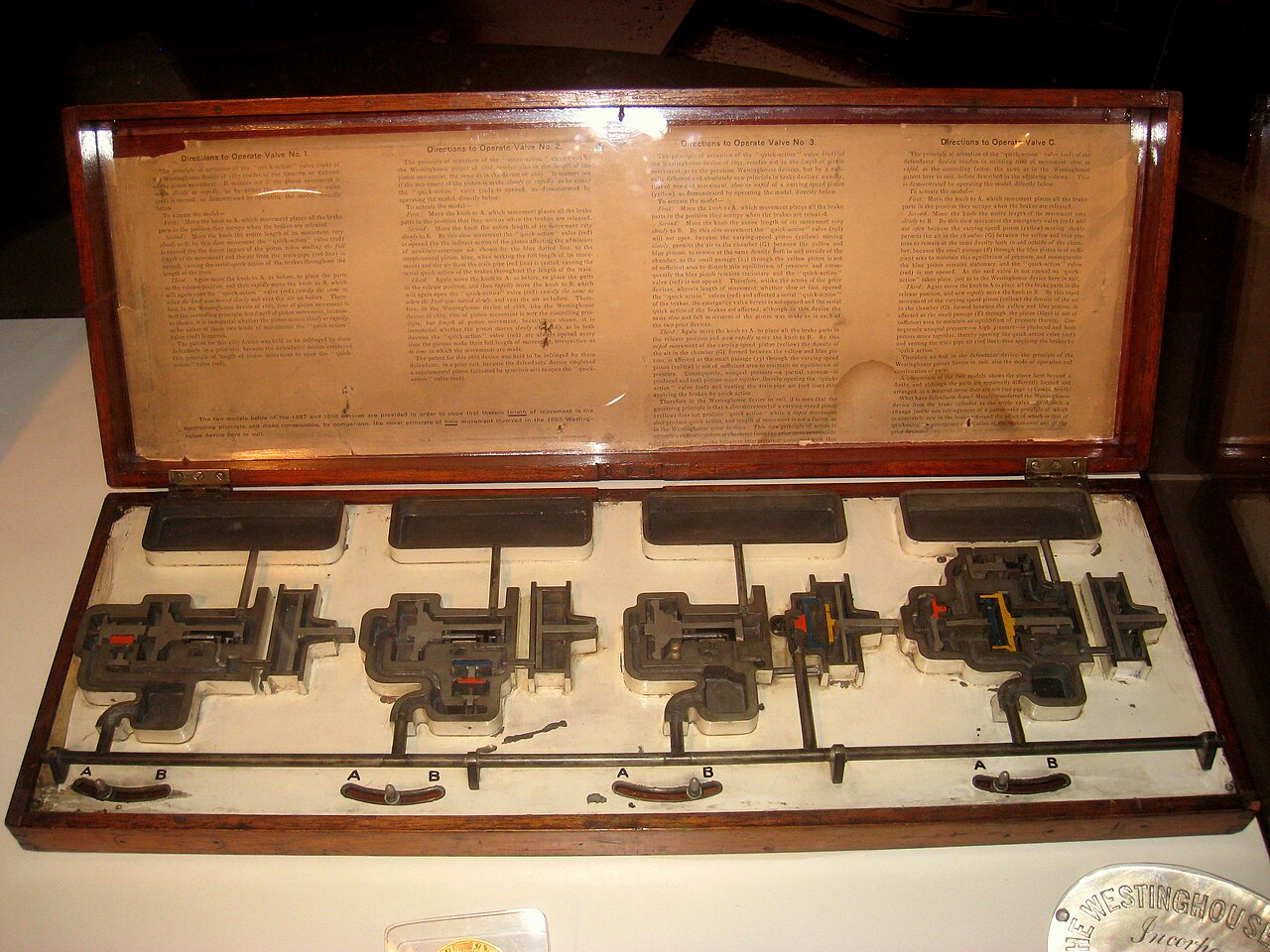
A wooden display case holding the surviving 1869 patent model of George Westinghouse's railway air brake, now in a Pittsburgh museum.
This is the actual patent model of Westinghouse's air brake invention, the device that launched his career.
About this source
What it is
This is the surviving patent model for the air brake, made in 1869. It sits in a wooden case with a glass lid, showing brass-and-iron valve assemblies labeled A and B connected by a metal rod, with a Westinghouse nameplate. It is now exhibited at the Senator John Heinz History Center in Pittsburgh, Pennsylvania.
Why it matters
George Westinghouse invented the air brake, a device that let train crews stop long, fast trains safely and reliably. Before this invention, braking was slow and dangerous work done by hand on each car. This small model represents the beginning of Westinghouse's career as an inventor and businessman, and it helped make modern railroads practical.
Look closer
- Why would an inventor need to build a small model like this instead of just submitting drawings?
- What do the labeled parts (A and B) suggest about how the mechanism worked?
- How might this invention have changed the daily work of railroad workers?
This artifact is part of the curated material that grounds the AI version of George Westinghouse on Humy.ai — when students ask about related events, the AI can quote it and cite it.
More George Westinghouse sources
Meet the AI George Westinghouse →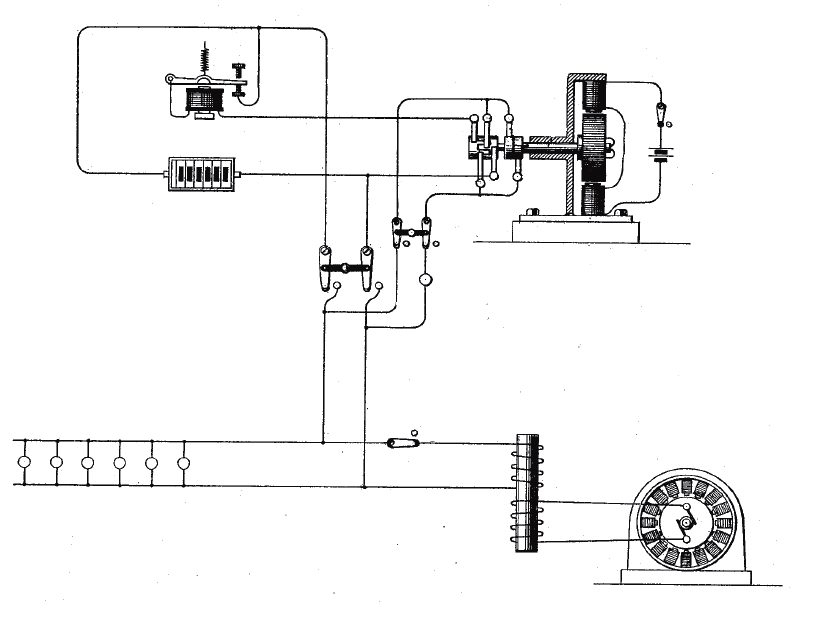 Document
Primary source
Early AC Power Distribution System Patent Drawing
George Westinghouse · 1887
 Photograph
Primary source
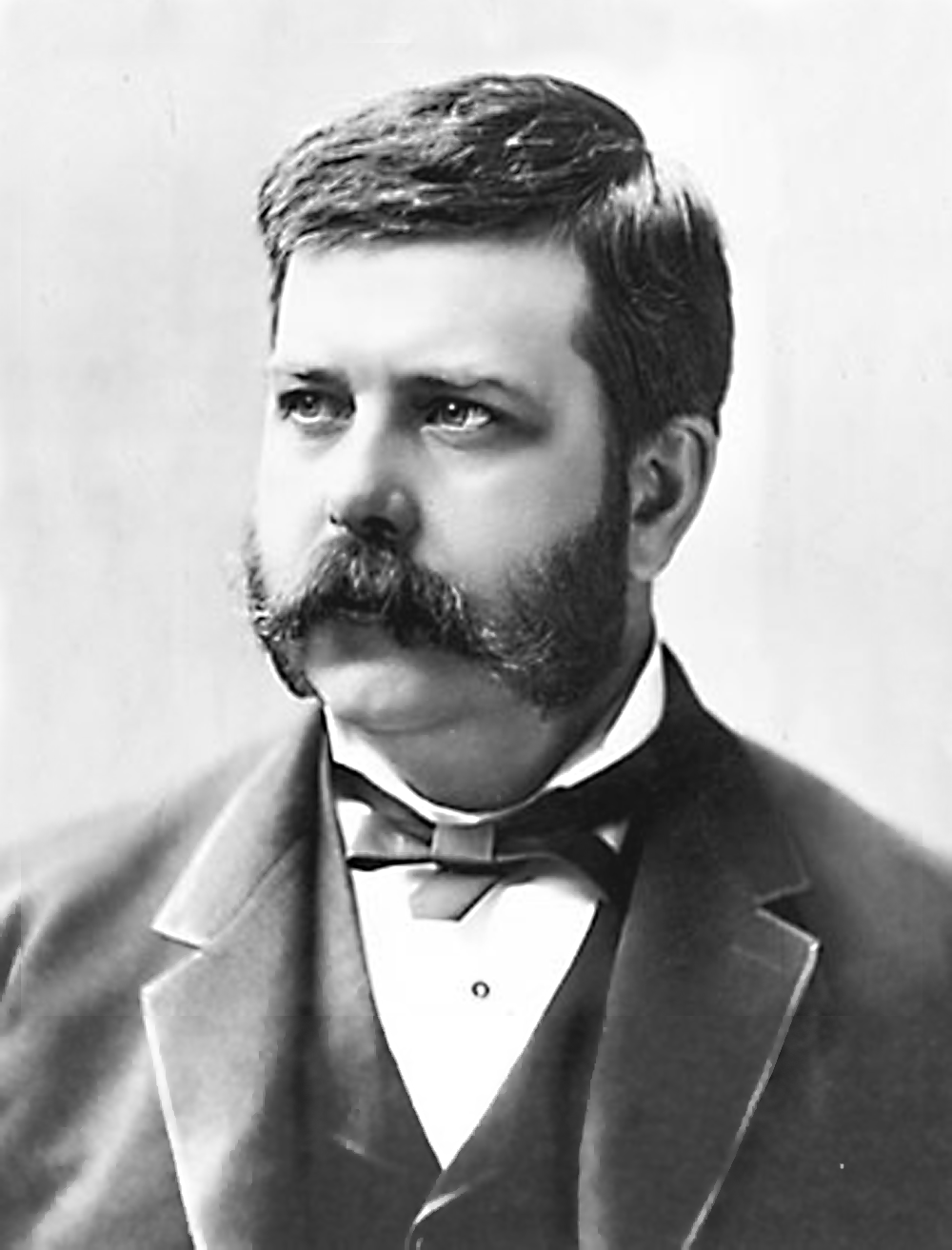
Portrait of George Westinghouse, 1884
unknown · 1884
 Photograph
Primary source
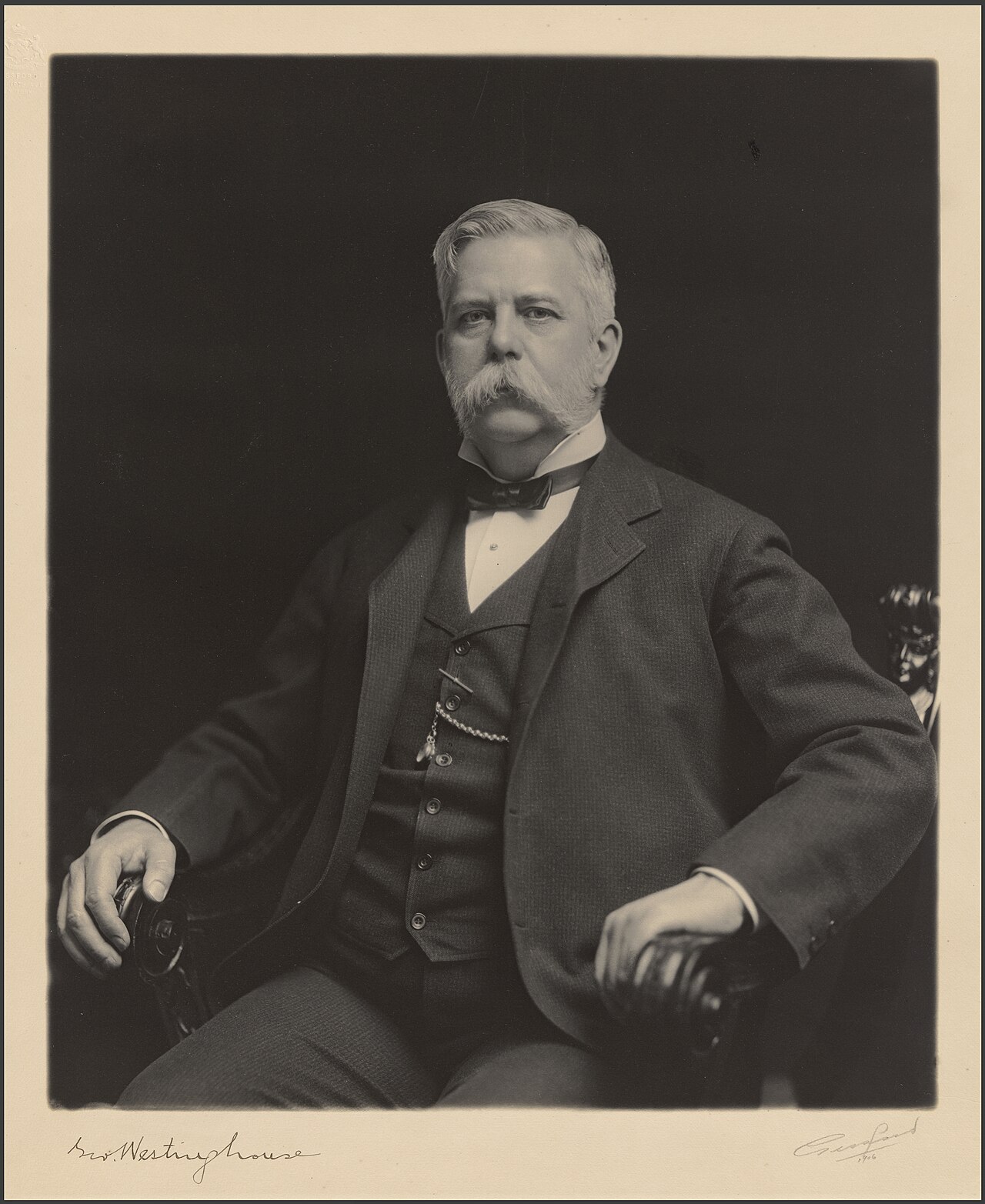
Portrait of George Westinghouse, 1906
Joseph Gaylord Gessford · 1906
 Document
Primary source
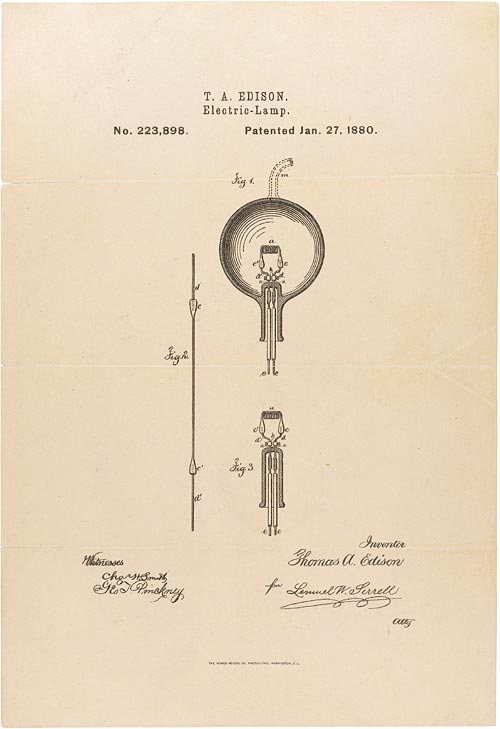
Thomas Edison's Patent Application for the Light Bulb
Thomas Edison · 27 January 1880
 Artifact
Secondary source
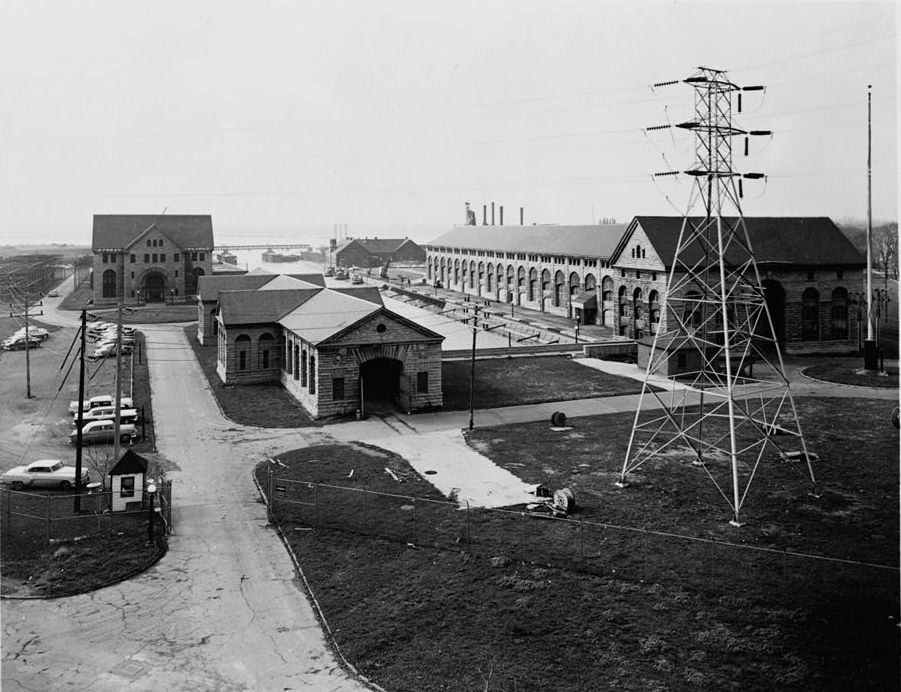
Adams Power Plant Transformer House
McKim, Mead, and White · 1895
Ready when you are
Start chatting with George Westinghouse now.
20 messages free · No credit card · Available in 50+ languages.