


Primary sourceDocument1761
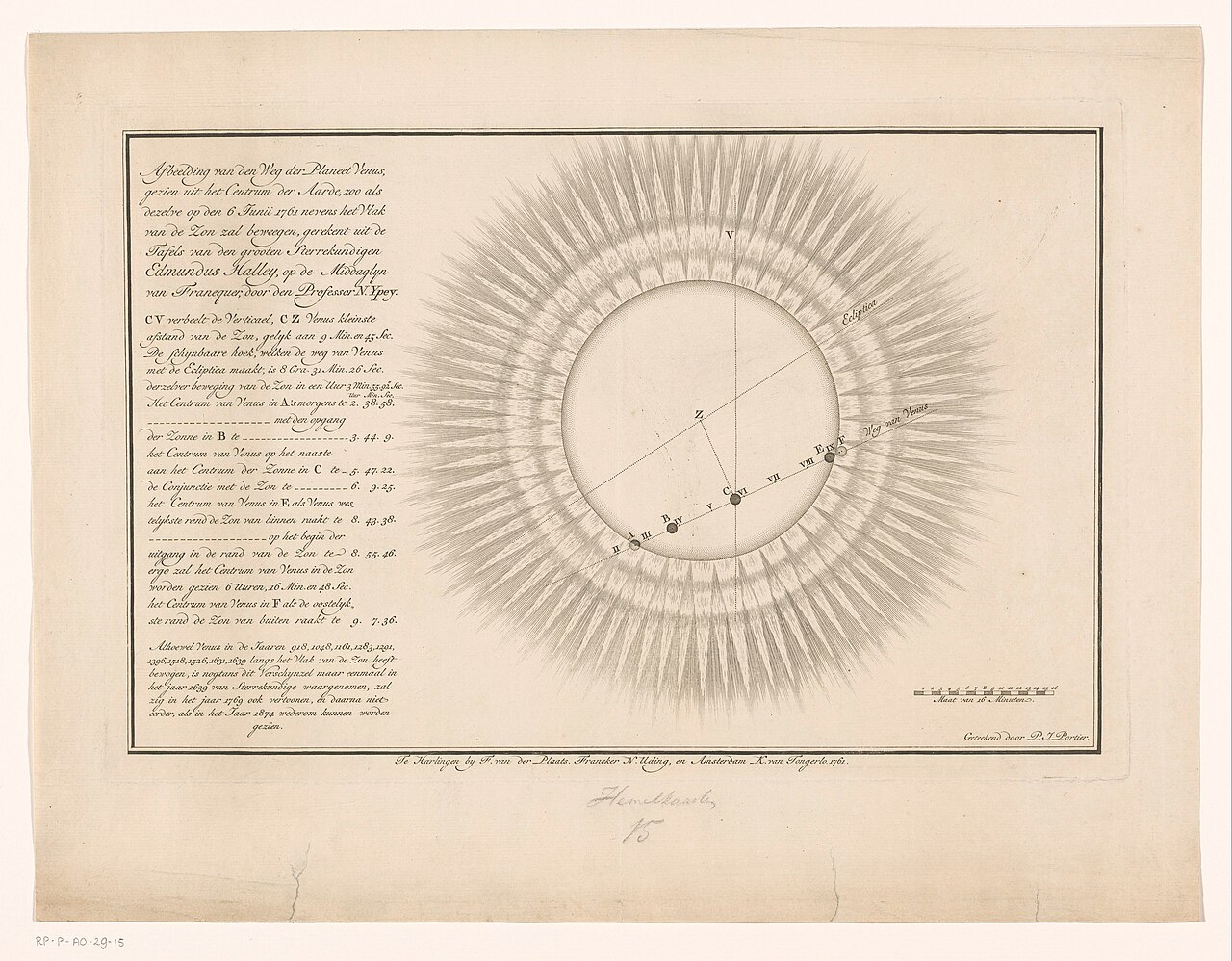
Path of Venus Across the Sun, 6 June 1761
Pieter Idserts (design) · 1761
A Dutch engraved map predicting Venus's path across the Sun during the 1761 transit, part of the scientific context around Celsius's work.
Illustrates the Europe-wide astronomical effort that grew from methods Celsius had helped develop before his death.
About this source
What it is
This 1761 engraved print, held by the Rijksmuseum, shows the predicted path of Venus across the Sun as seen from Earth's centre on 6 June 1761. It was drawn after a design by Pieter Idserts, calculated by professor Nicolaas Ypey using tables by the astronomer Edmond Halley, and published in the Netherlands.
Why it matters
Transit-of-Venus predictions like this depended on earlier astronomical methods, including work connected to Celsius, who had died in 1744 before this transit took place. The print shows how astronomers across Europe shared and built on each other's calculations to predict rare celestial events.
Look closer
- What information does the text block and scale bar give that the image alone does not?
- Why would several publishers in different cities all want to produce this same print?
- What does crediting Halley's tables tell you about how astronomy worked across national borders?
This document is part of the curated material that grounds the AI version of Anders Celsius on Humy.ai — when students ask about related events, the AI can quote it and cite it.
More Anders Celsius sources
Meet the AI Anders Celsius →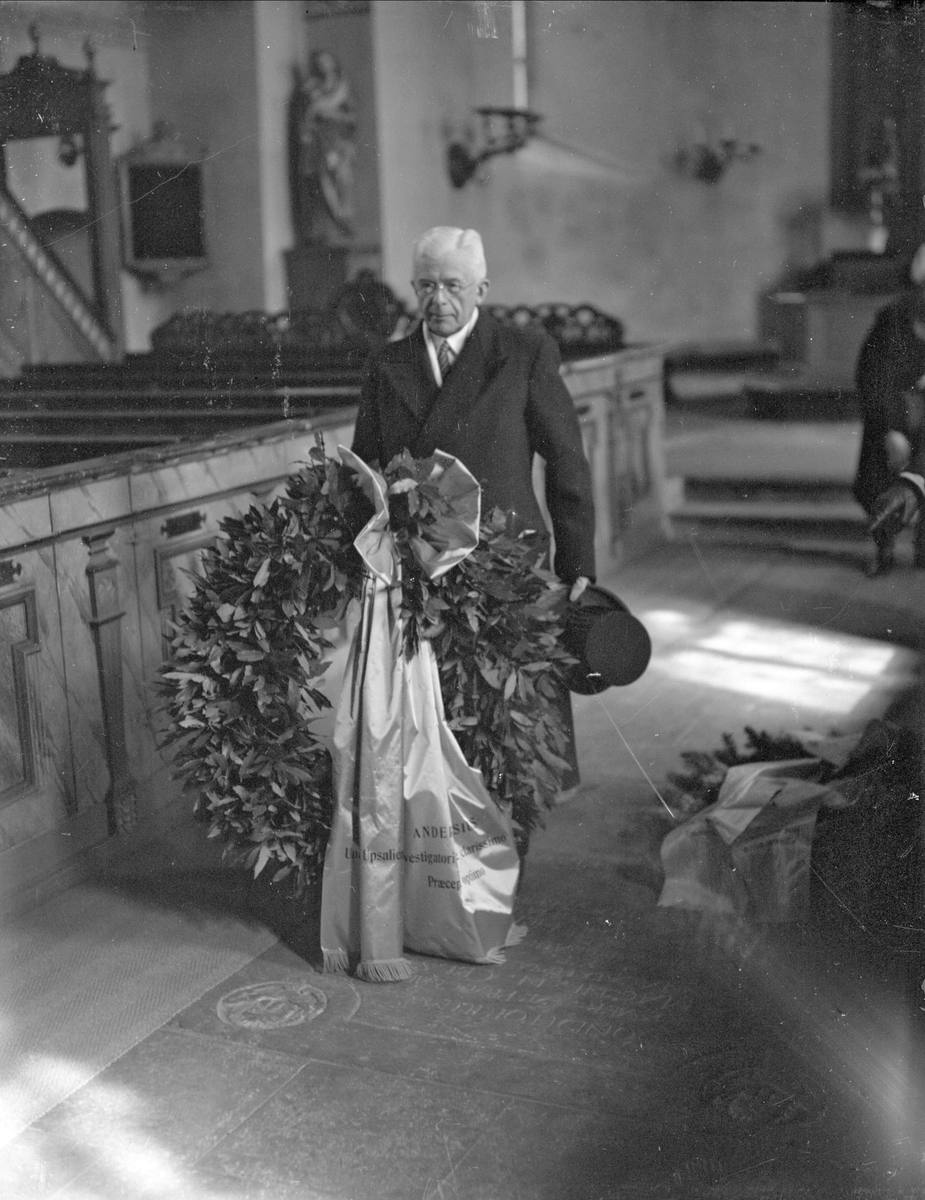 Photograph
Secondary source
Wreath-Laying at Anders Celsius's Grave
Axel Sagerholm · 1944
 Artifact
Primary source
Celsius Original Thermometer Illustration
Anders Celsius · 1742
 Photograph
Secondary source
Celsius's Inverted Thermometer in the Uppsala Meteorology Museum
Uppsala-Bild · 1963
 Painting
Primary source
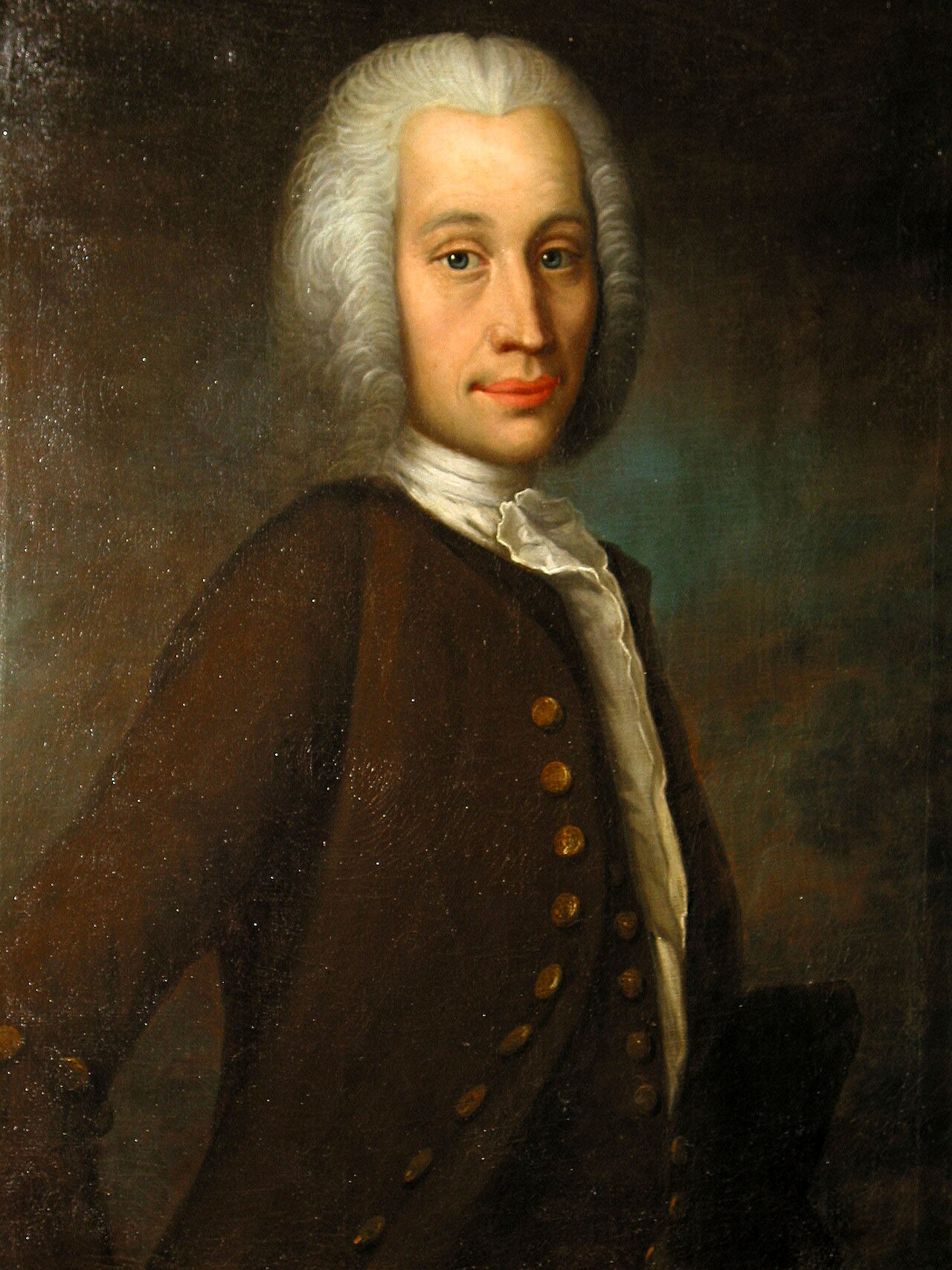
Portrait of Anders Celsius
Olof Arenius · 1733
 Photograph
Secondary source
Celsius House, Former Observatory
Uppsala-Bild · 1964
Ready when you are
Start chatting with Anders Celsius now.
20 messages free · No credit card · Available in 50+ languages.