


Primary sourcePainting1888
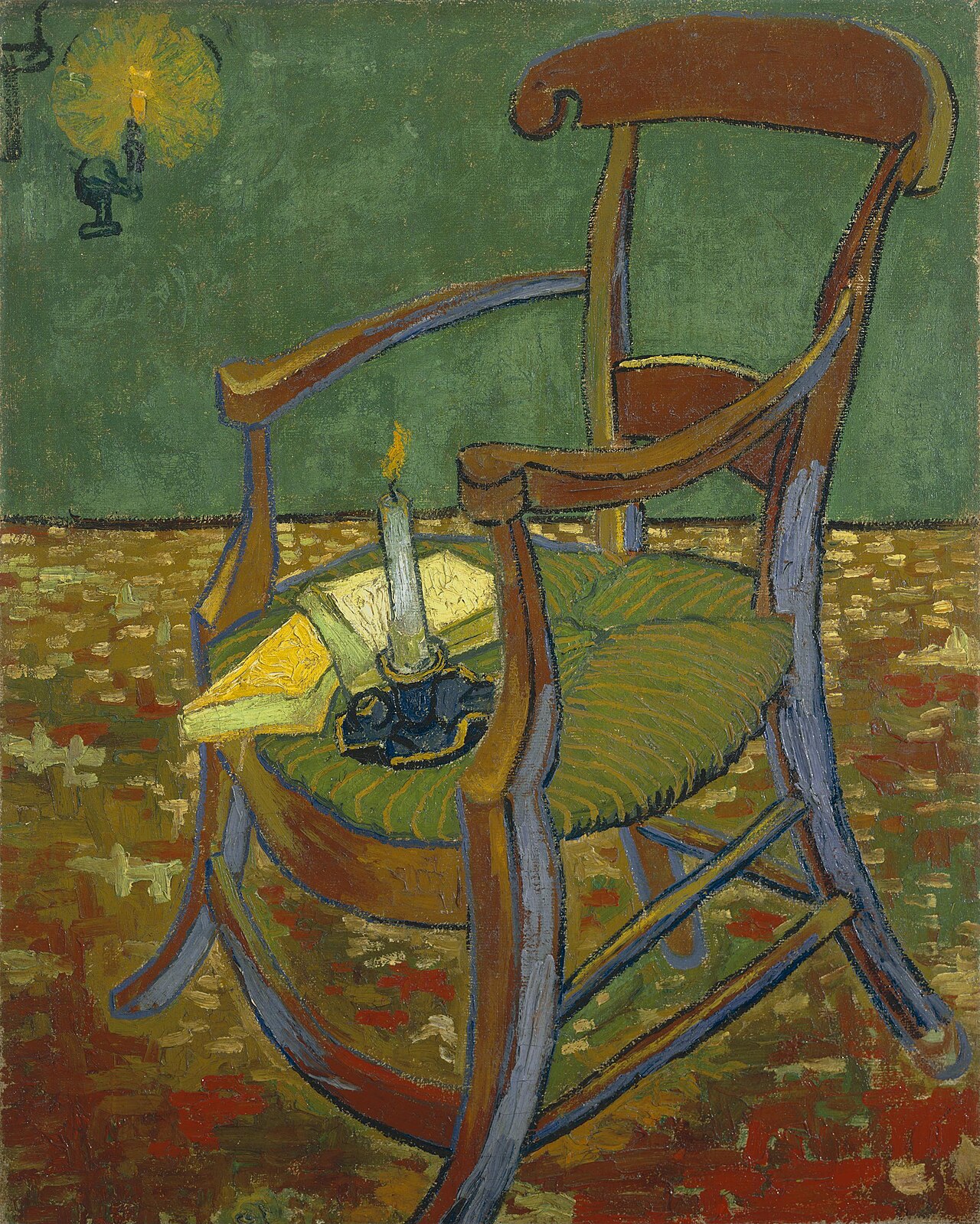
Paul Gauguin's Armchair
Vincent van Gogh · 1888
A painting of Gauguin's empty armchair, made as a pendant to van Gogh's own chair while the two artists shared the Yellow House.
Painted by van Gogh to represent his friend and fellow artist Paul Gauguin through an empty chair.
About this source
What it is
Paul Gauguin's Armchair is a painting by Vincent van Gogh from 1888, showing an ornate armchair with a lit candle and two books on the seat, against a patterned floor and green wall. It is held by the Van Gogh Museum in Amsterdam.
Why it matters
The painting was made as a companion piece to Van Gogh's Chair, painted while Paul Gauguin was staying with van Gogh in Arles. Where van Gogh portrayed his own chair as simple and plain, he painted Gauguin's as more elaborate, a contrast that has been read as reflecting how van Gogh saw the differences between himself and his friend. Both were painted using contrasting colour schemes, part of van Gogh's interest in colour symbolism.
Look closer
- What does the choice of objects, a candle and books, suggest about how van Gogh saw Gauguin?
- Why might an empty chair be used to represent a person?
- How does this painting compare with Van Gogh's Chair in mood and style?
This painting is part of the curated material that grounds the AI version of Vincent van Gogh on Humy.ai — when students ask about related events, the AI can quote it and cite it.
More Vincent van Gogh sources
Meet the AI Vincent van Gogh →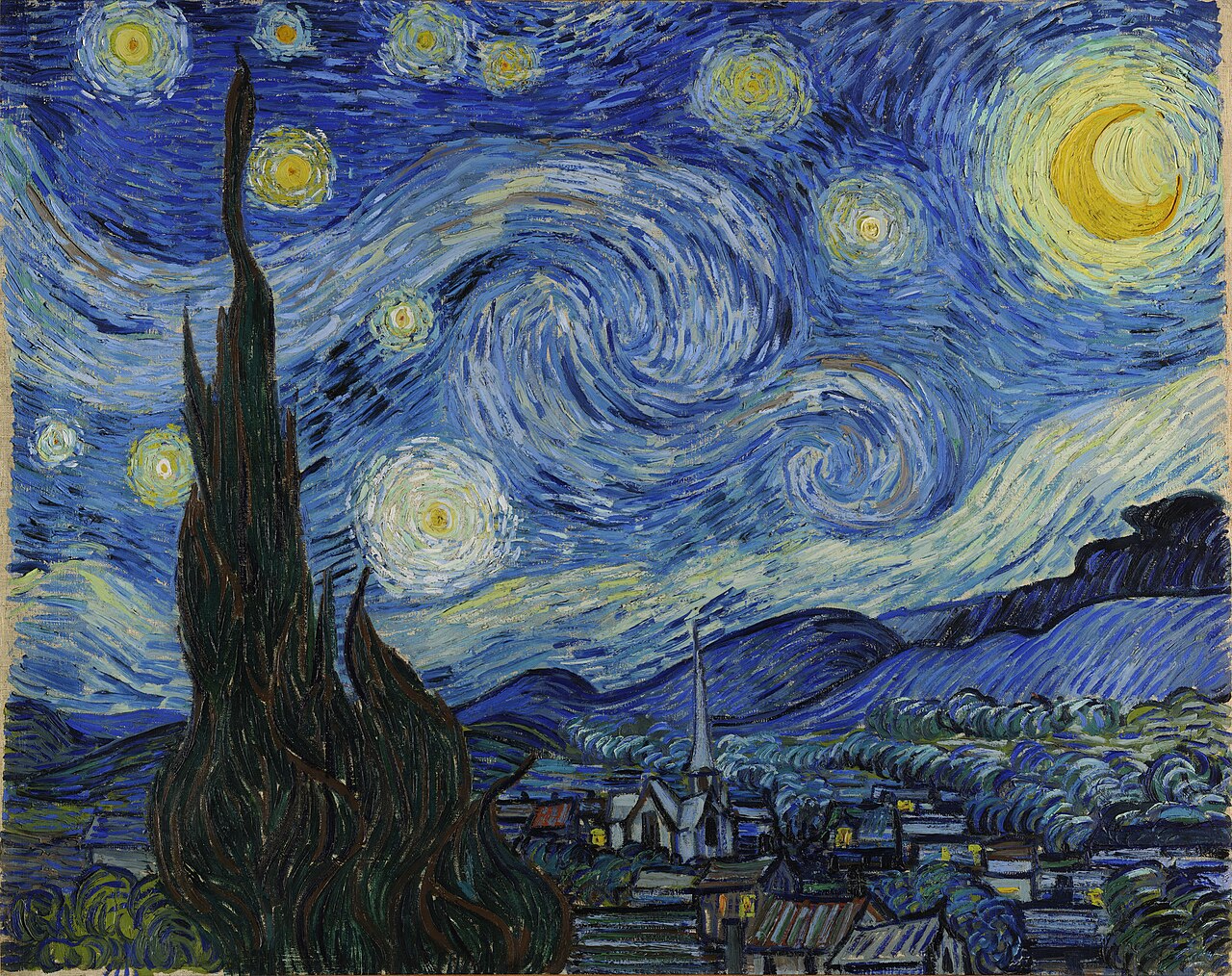 Painting
Primary source
The Starry Night
Vincent van Gogh · June 1889
 Painting
Primary source
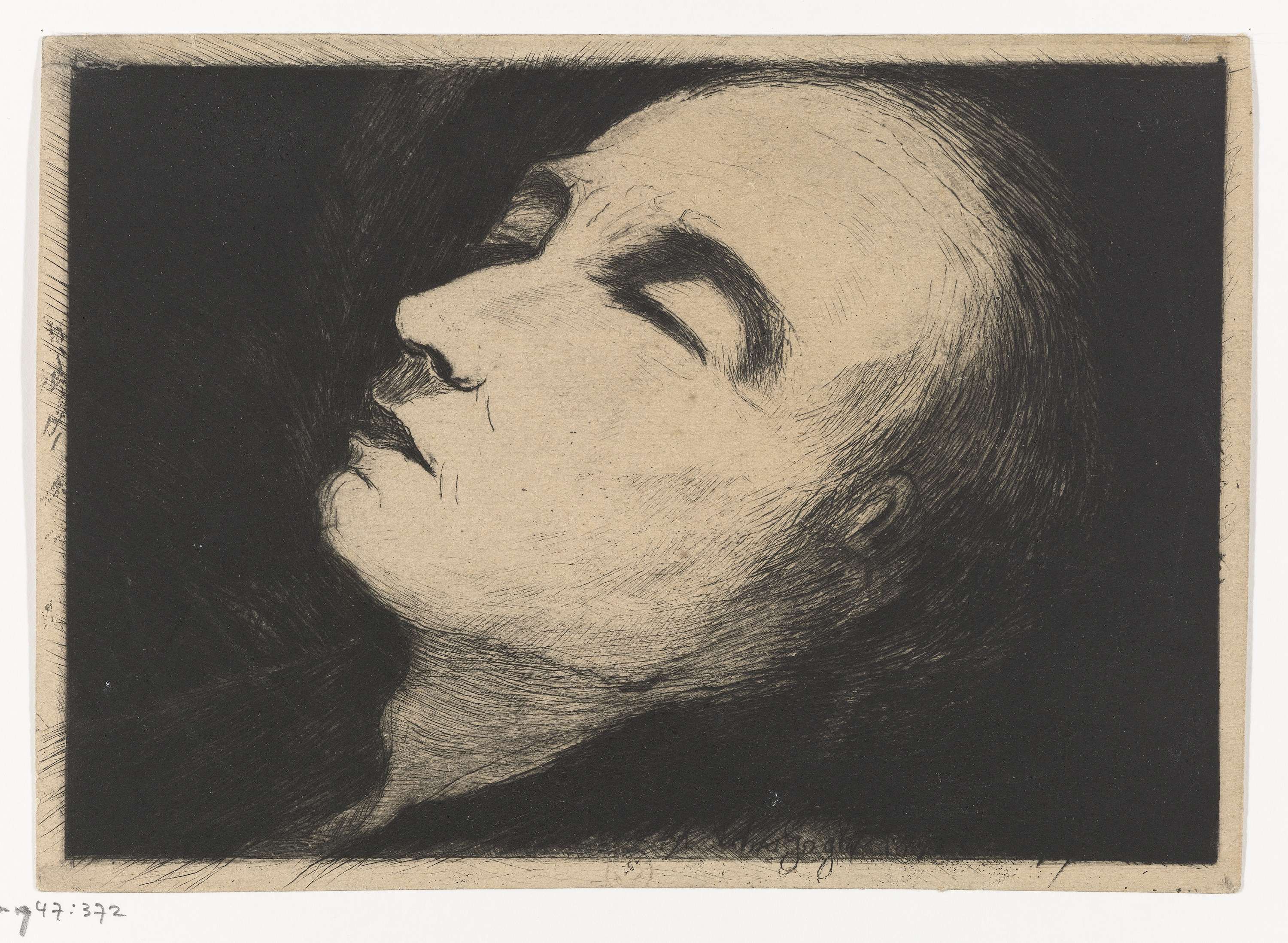
Vincent van Gogh, 29 July 1890
29 July 1890
 Letter
Primary source
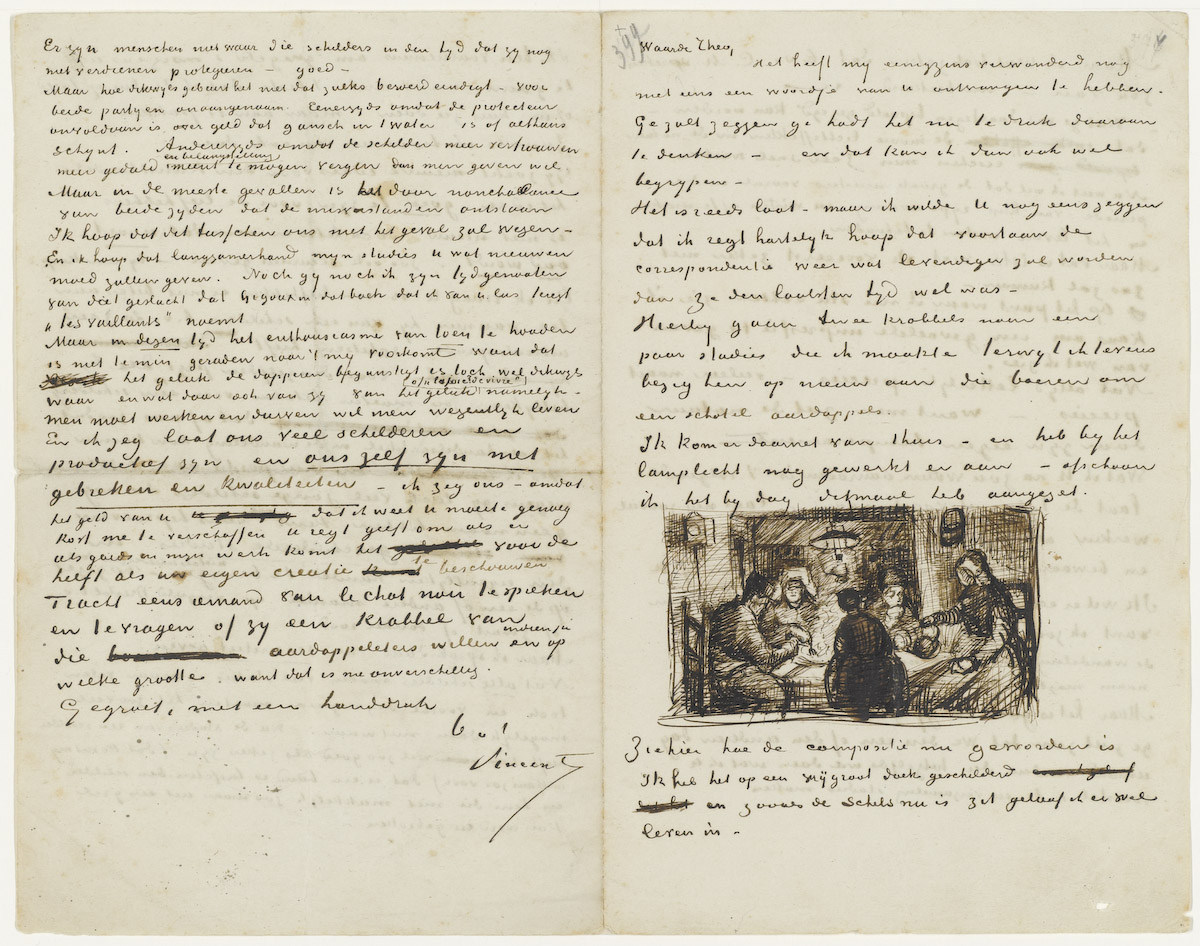
The Letters of Vincent van Gogh
Vincent van Gogh · 1872-1890, published 1914
 Painting
Primary source
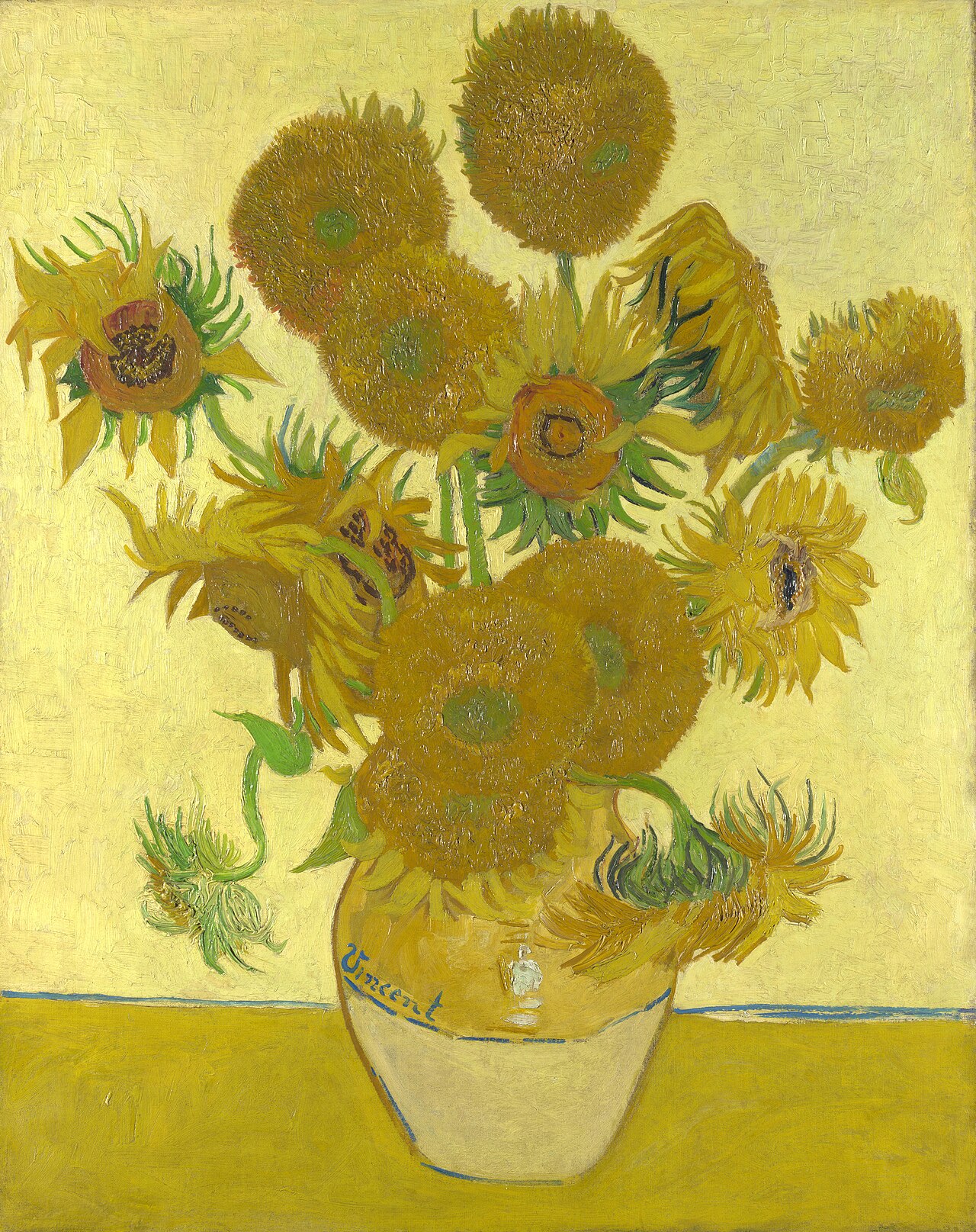
Sunflowers
Vincent van Gogh · 1888
 Artifact
Primary source
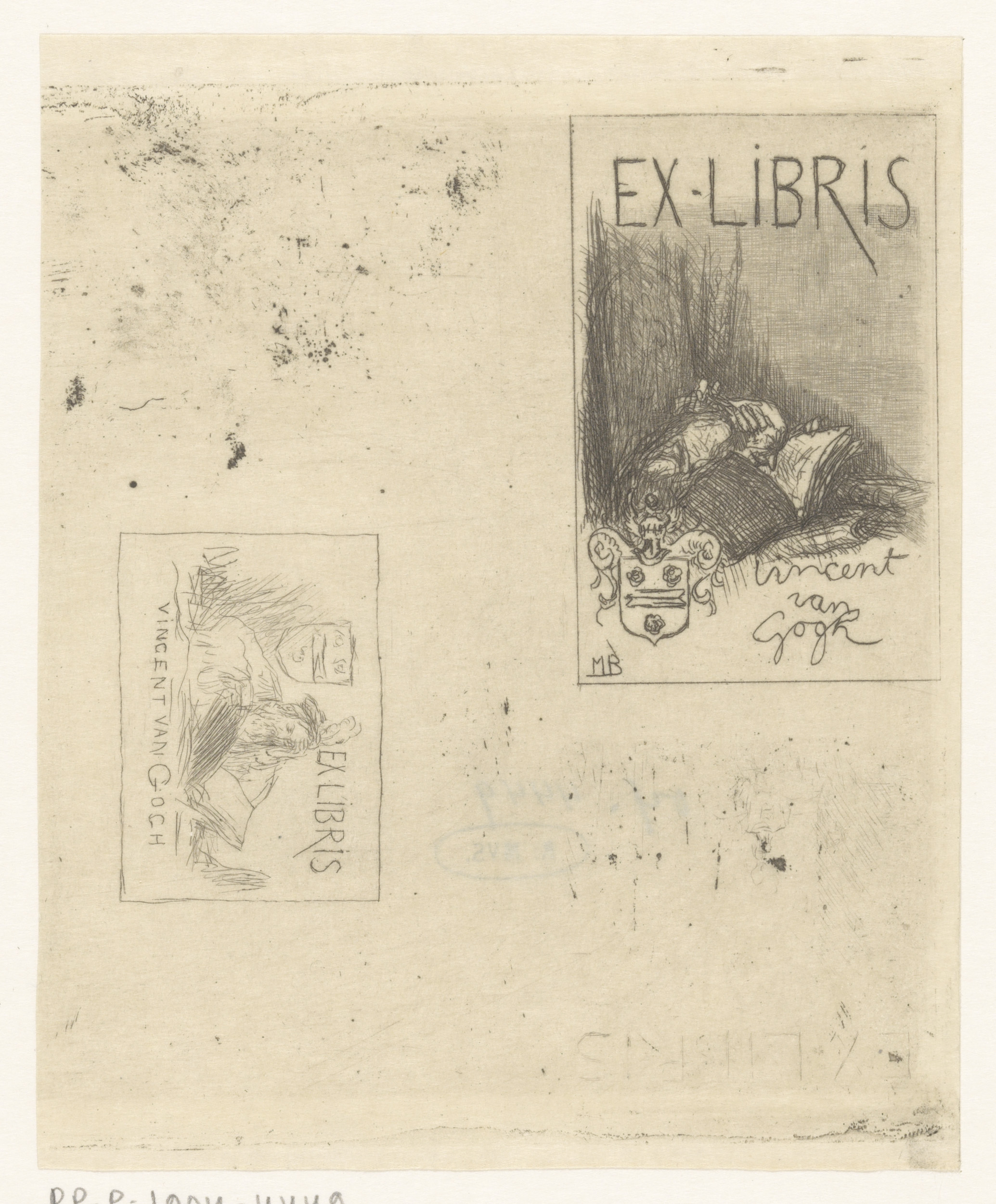
Two Bookplates for Vincent van Gogh
Ready when you are
Start chatting with Vincent van Gogh now.
20 messages free · No credit card · Available in 50+ languages.