


Primary sourceDocument1797
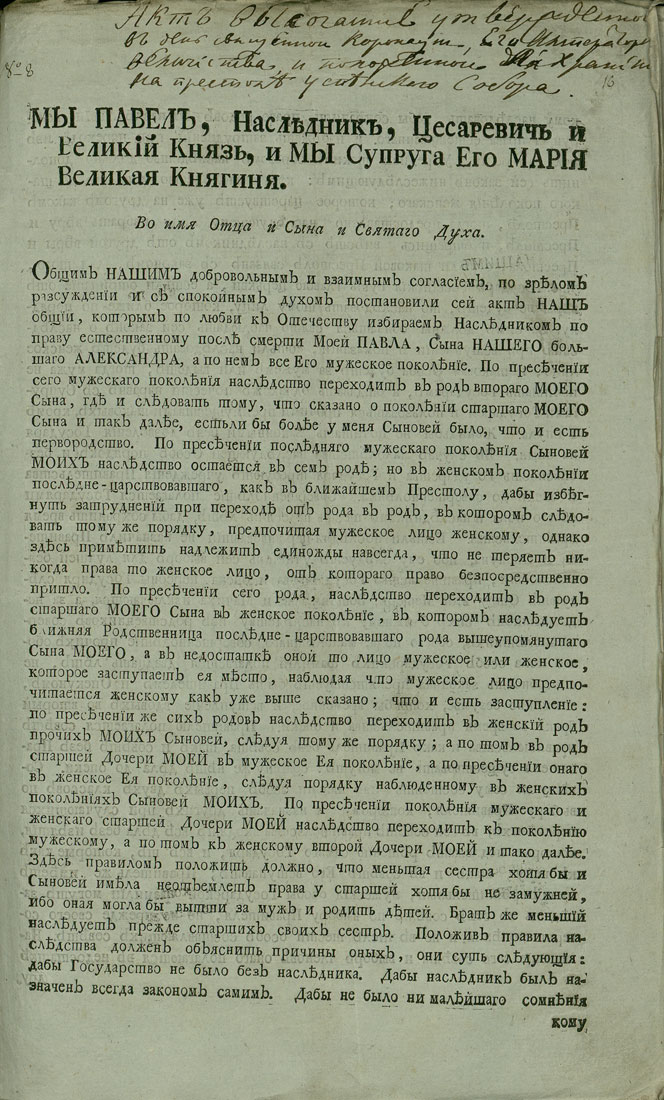
Pauline Laws
Paul I of Russia · 1797
The 1797 house law of the Romanovs, proclaimed by Paul I at his coronation, fixing male primogeniture for the Russian throne.
Proclaimed by Paul at his coronation, this law reflects his personal experience of being denied the throne by his mother.
Free Humy account · No credit card · 120,288 sources to read
About this source
What it is
This is the printed Act of Succession, first drafted privately by Paul and his wife Maria Feodorovna and made public law after Paul became emperor in 1796, signed into effect in 1797.
It set a strict order of succession to the Russian throne, favouring the eldest son and his male line, with female succession only allowed if all male Romanov descendants died out.
Why it matters
Paul had been kept from the throne for decades by his mother, Catherine the Great, whose long reign he and others saw as a usurpation. This law was his direct answer: a fixed, predictable rule meant to prevent future succession disputes or coups like the one that brought his mother to power.
The law shaped Russian succession until the monarchy's end in 1917, though later emperors sometimes bent or broke its rules, causing crises.
Look closer
- Why might Paul have wanted a succession rule that could not be changed by the ruling emperor?
- What does this law suggest about Paul's feelings toward his mother's reign?
- Whose rights does the law leave out or restrict?
This document is part of the curated material that grounds the AI version of Paul I of Russia on Humy.ai — when students ask about related events, the AI can quote it and cite it.
More Paul I of Russia sources
Browse all 91 →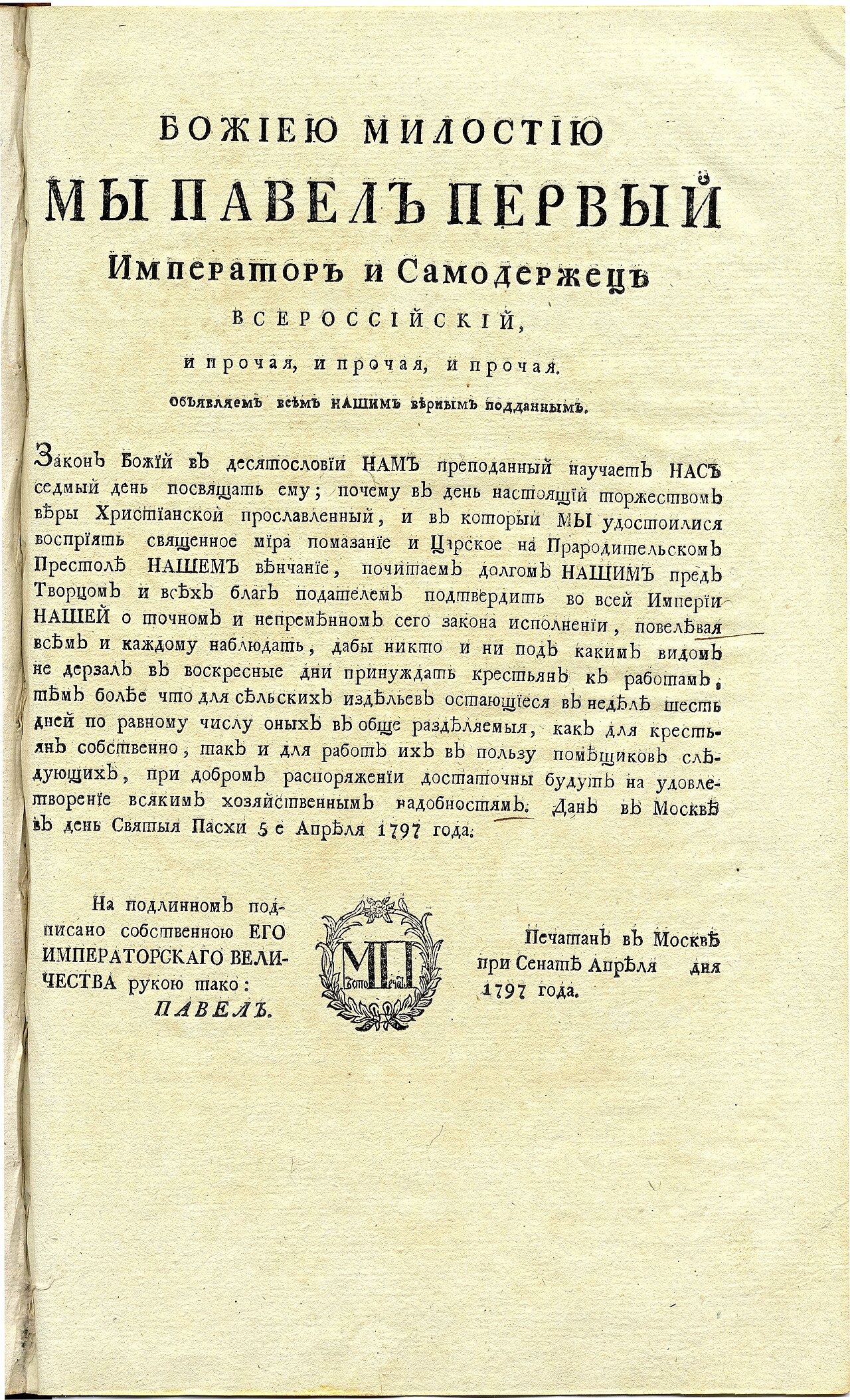 Document
Primary source
Manifesto of Three-Day Corvée
Paul I of Russia · 16 April 1797
 Artifact
Primary source
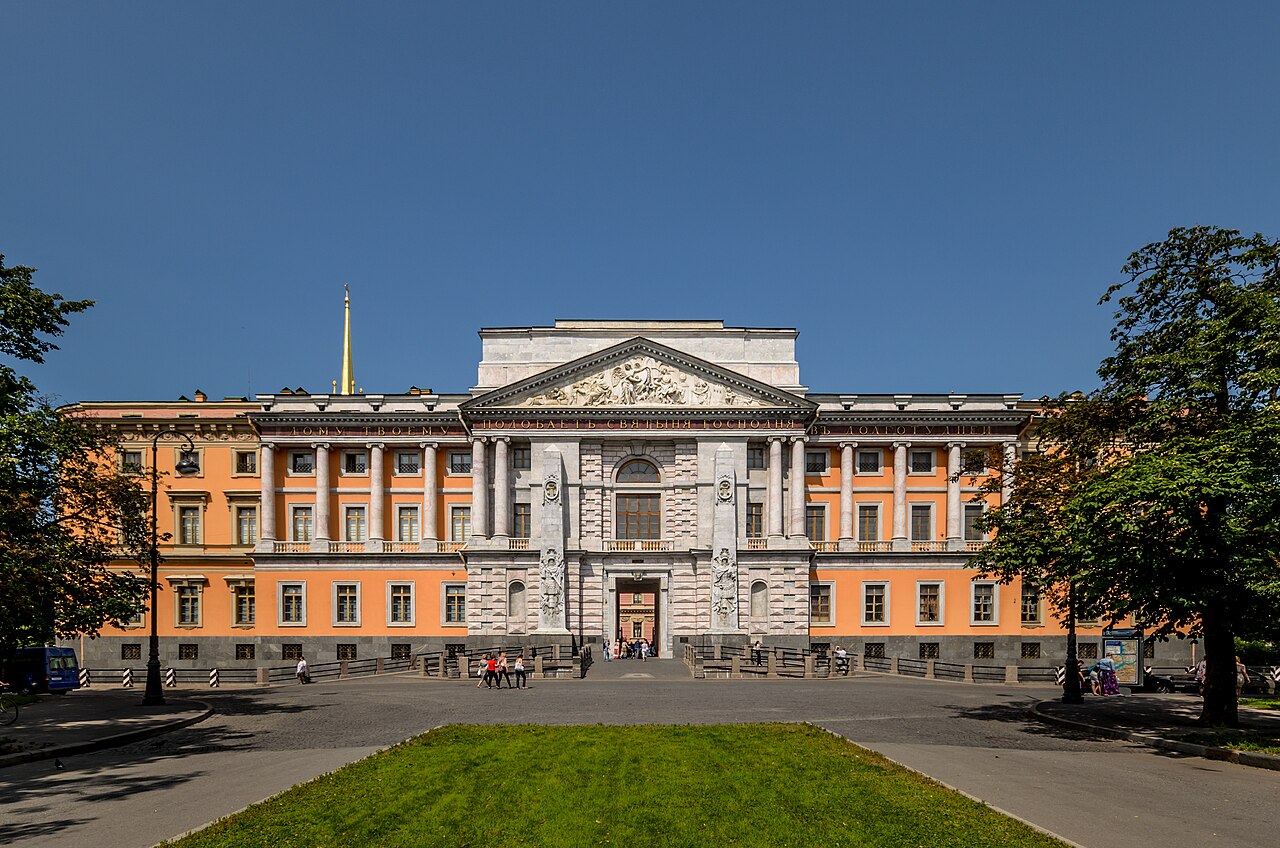
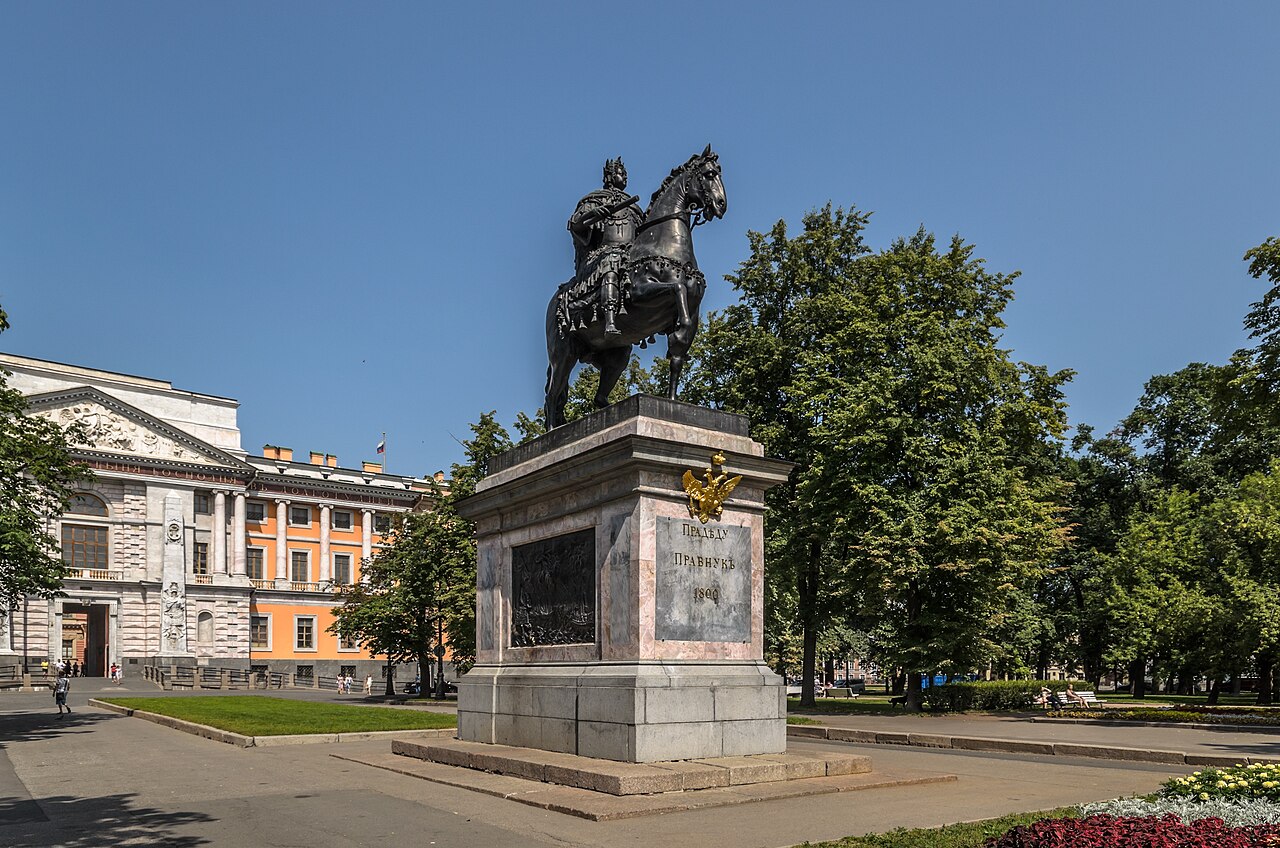
Saint Michael's Castle
Vincenzo Brenna and Vasily Bazhenov · 1797-1801
 Painting
Primary source
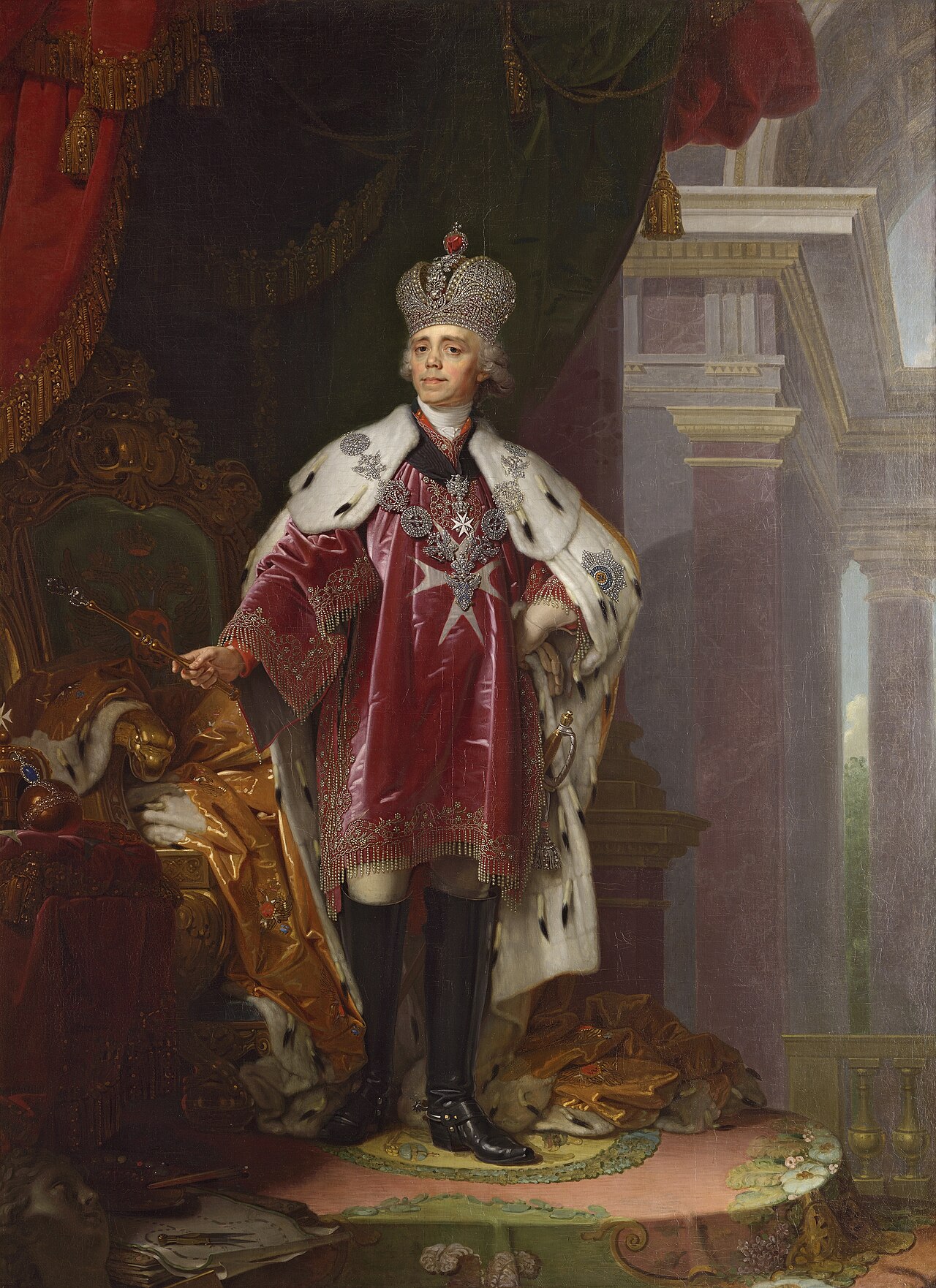
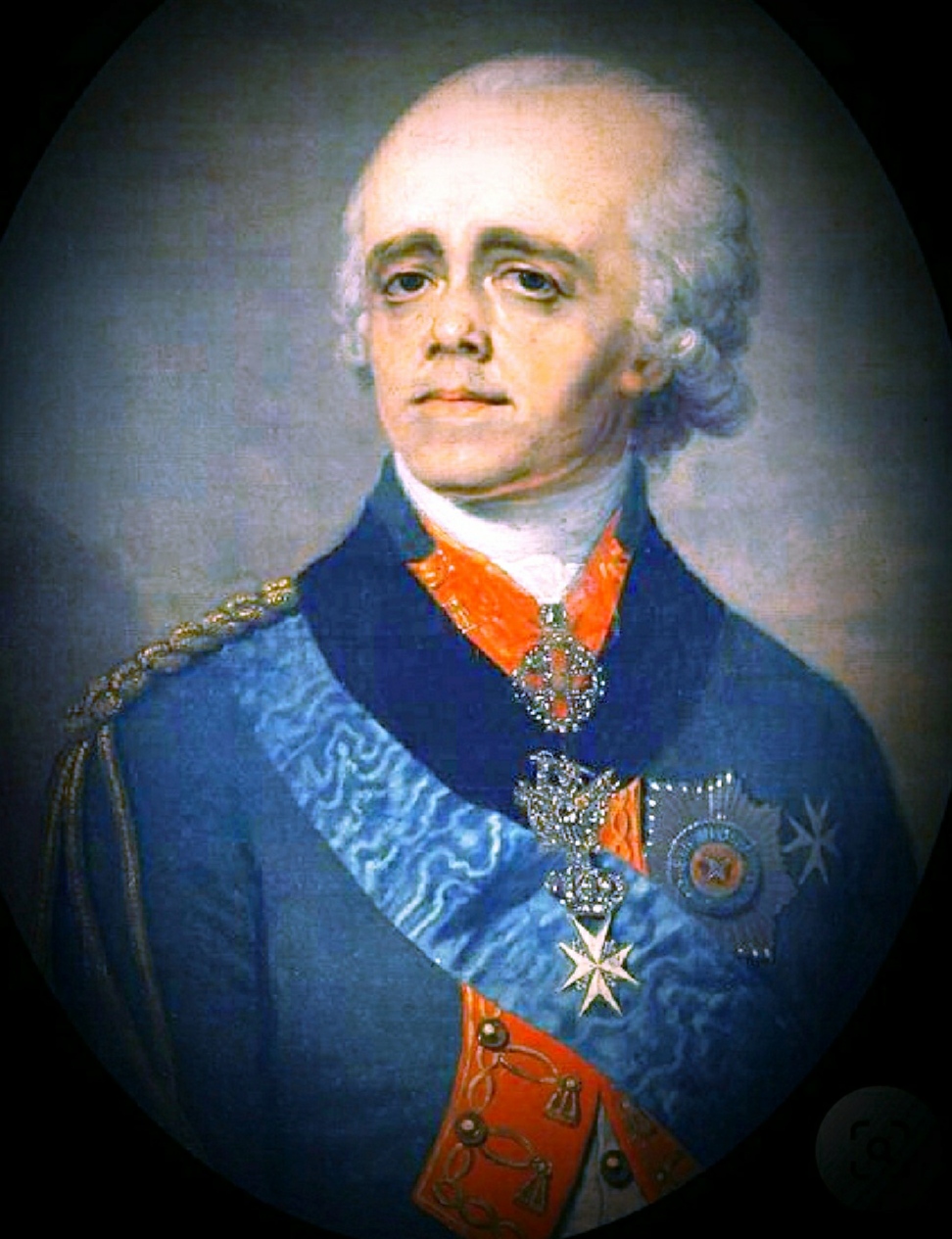
Portrait of Paul I of Russia
Vladimir Borovikovsky
 Artifact
Secondary source
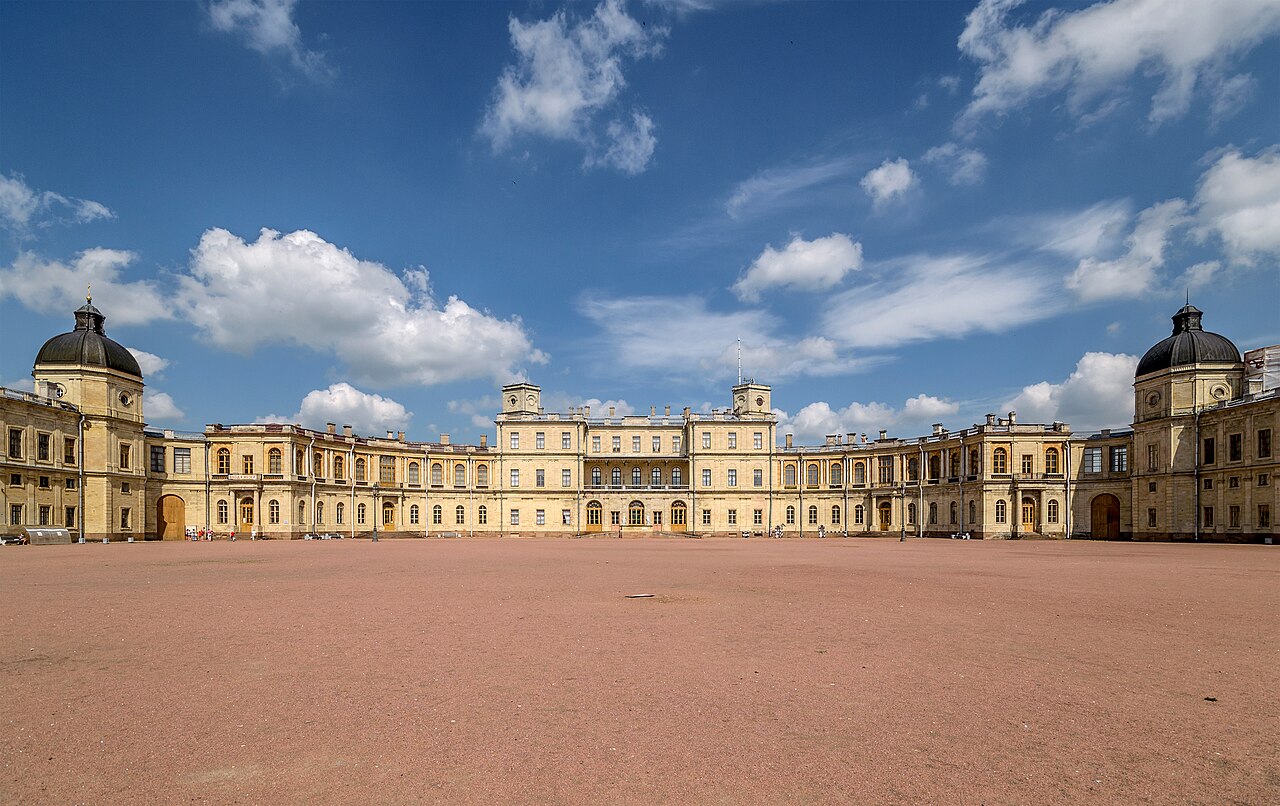
Gatchina Palace
Antonio Rinaldi · 1766–1781 (built); residence of Alexander III after 1881
Free account
Read every Paul I of Russia source
Sign up free →
Ready when you are
Start chatting with Paul I of Russia now.
20 messages free · No credit card · Available in 50+ languages.