


Secondary sourceArtifact1624 (begun)
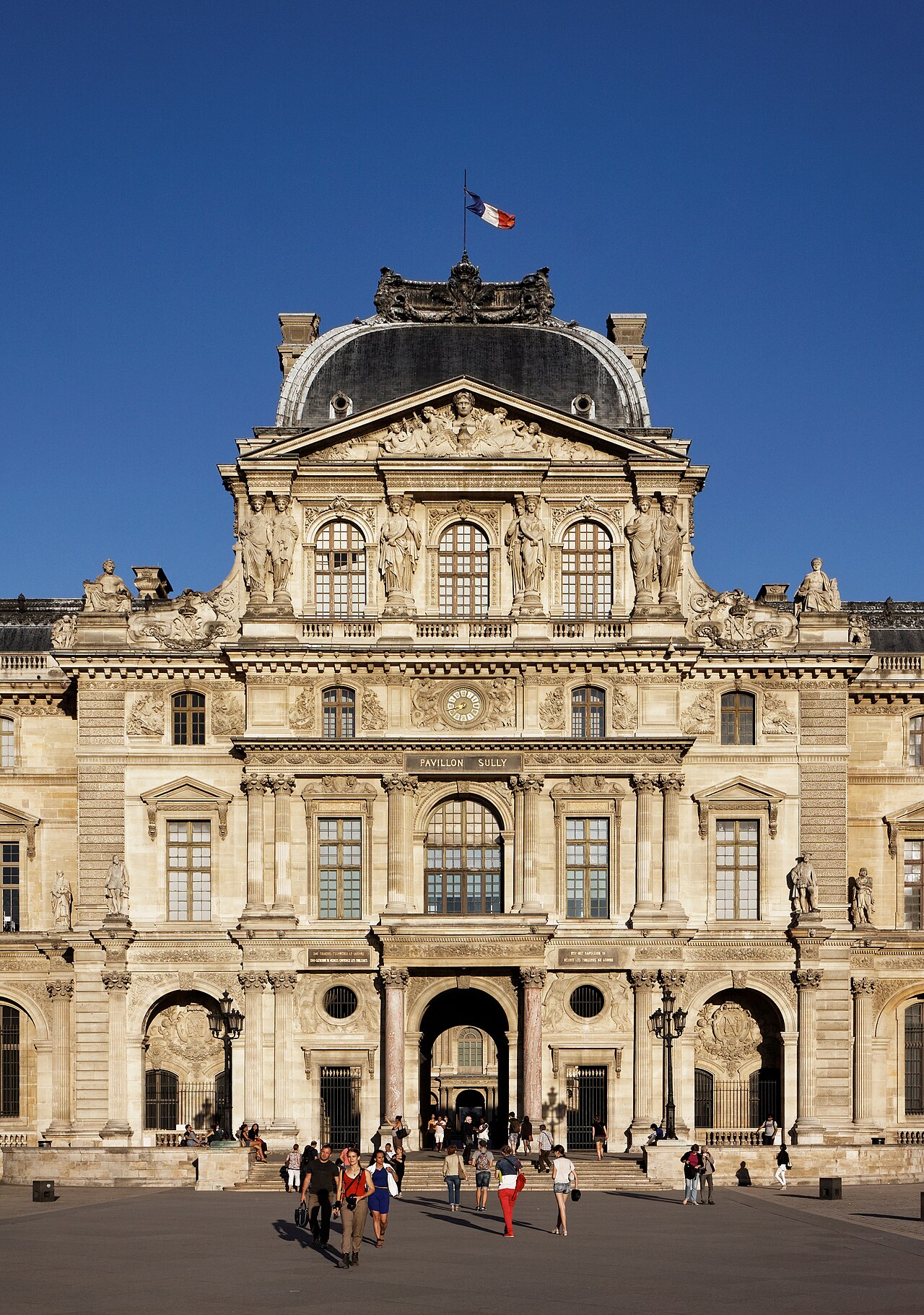
Pavillon de l'Horloge
Jacques Lemercier · 1624 (begun)
A grand pavilion at the Louvre Palace built from 1624 as part of Louis XIII's expansion of the royal residence.
Louis XIII commissioned this pavilion, beginning his expansion of the Louvre Palace.
About this source
What it is
The Pavillon de l'Horloge, also called the Pavillon Sully, stands at the centre of the Louvre Palace's Cour Carrée in Paris. It was designed by architect Jacques Lemercier, who won a competition for the commission in 1624, and was built between 1624 and about 1645. Its eastern face dates from the 17th century, while the western face was redecorated later, in the 1850s.
Why it matters
This pavilion began Louis XIII's enlargement of the Louvre, extending the older Lescot Wing. It is one of the main physical traces of his reign still standing in Paris, showing how kings used grand building projects to express royal power and leave a lasting mark on the capital.
Look closer
- What does the scale and decoration of the building suggest about the king who commissioned it?
- How can a building change over centuries while still being linked to its original founder?
- Why might a king choose to expand a palace rather than build somewhere new?
This artifact is part of the curated material that grounds the AI version of Louis XIII on Humy.ai — when students ask about related events, the AI can quote it and cite it.
More Louis XIII sources
Browse all 89 → Diary entry
Primary source
Journal of Jean Héroard
Jean Héroard · 1601–1628
 Letter
Primary source
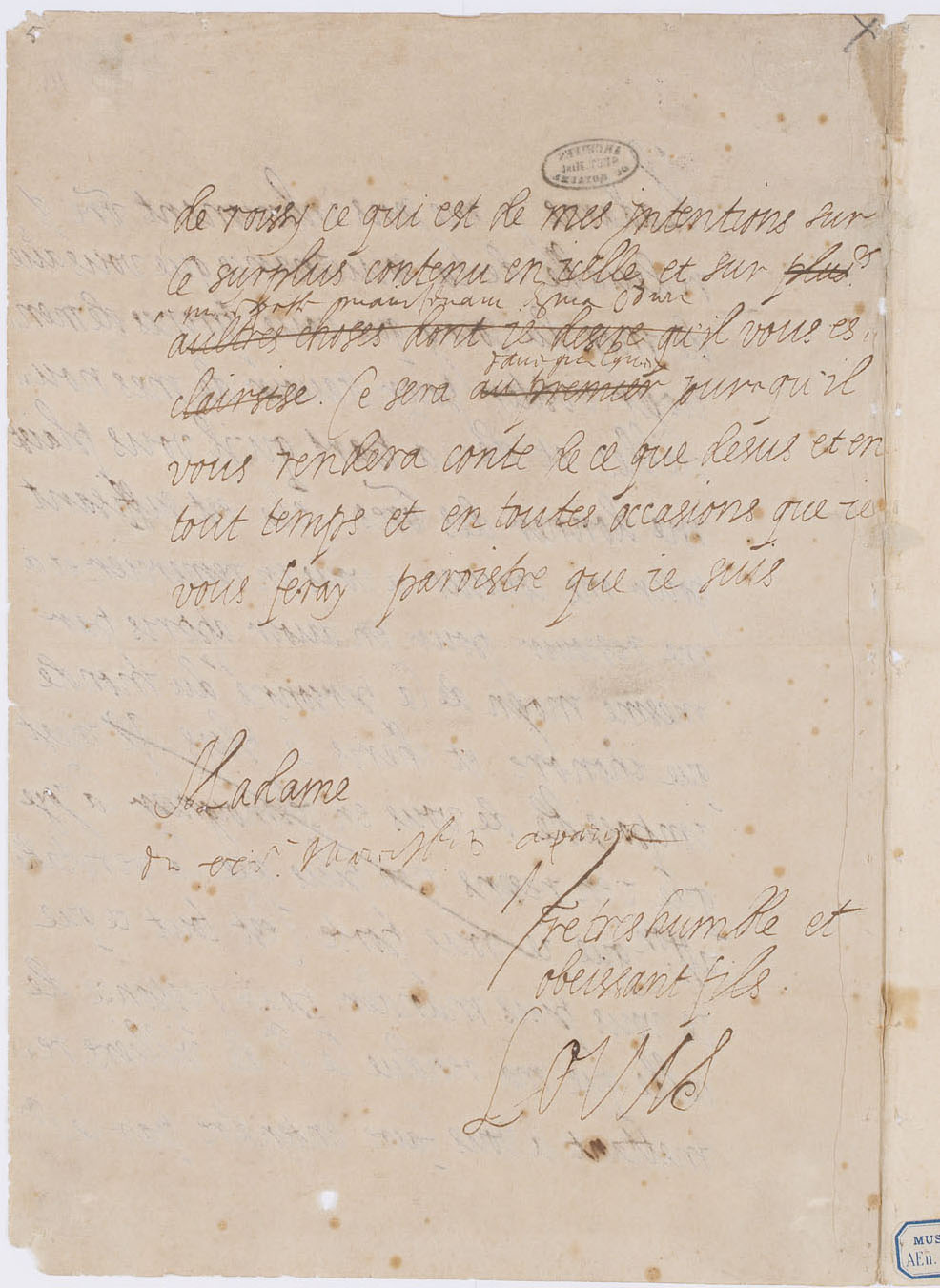
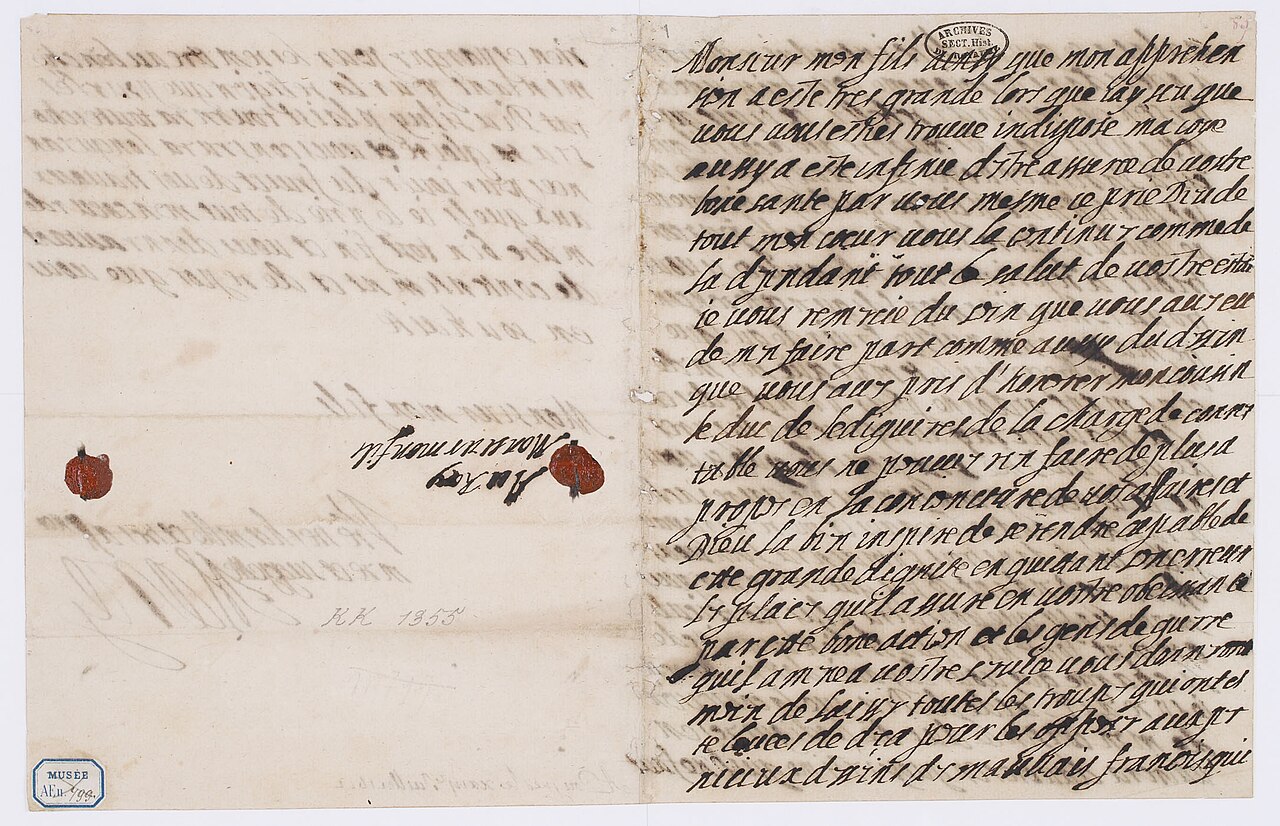
Letter of Louis XIII to Marie de' Medici
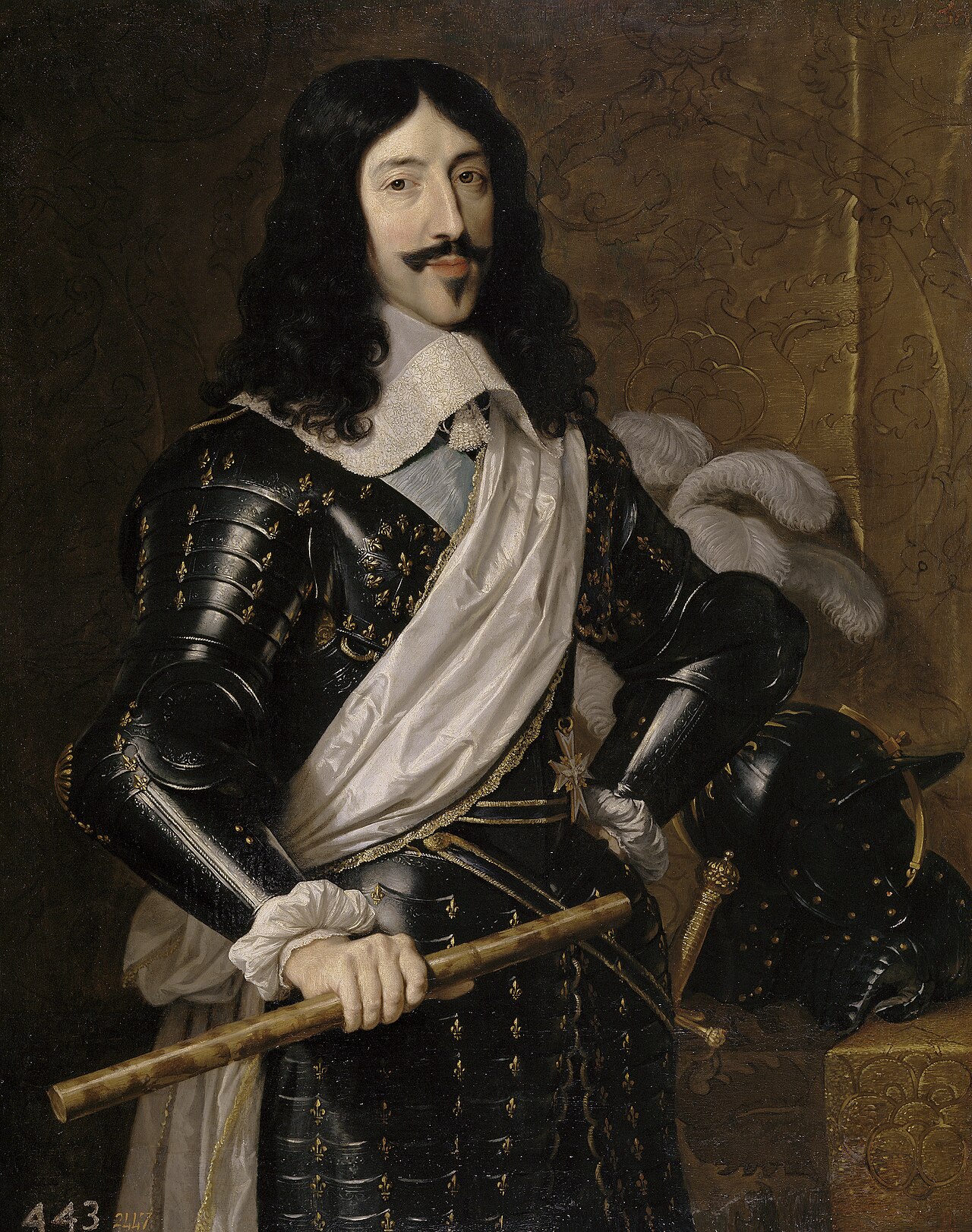
Louis XIII of France
 Painting
Primary source
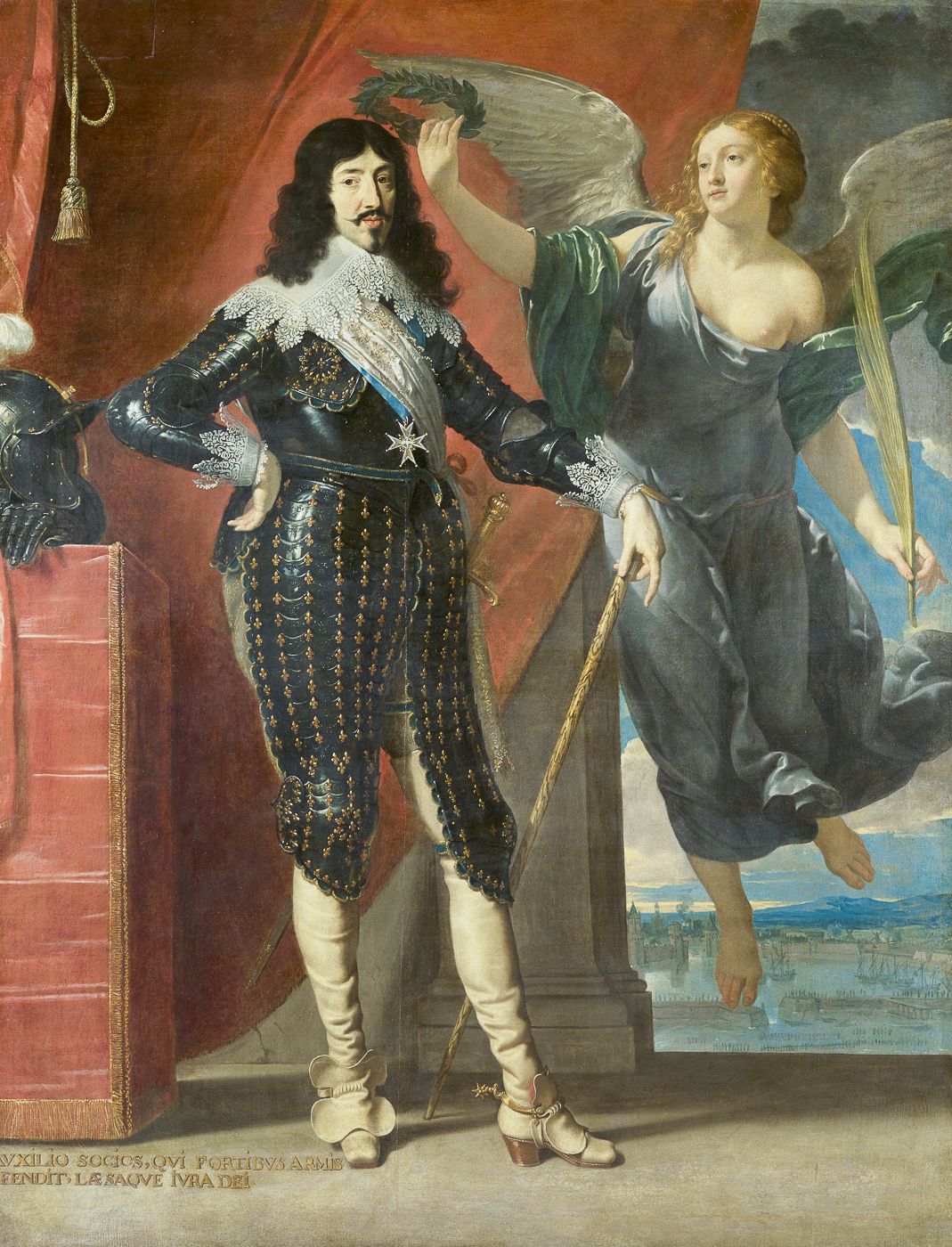
Louis XIII Crowned by Victory
Philippe de Champaigne · 1635
 Artifact
Primary source
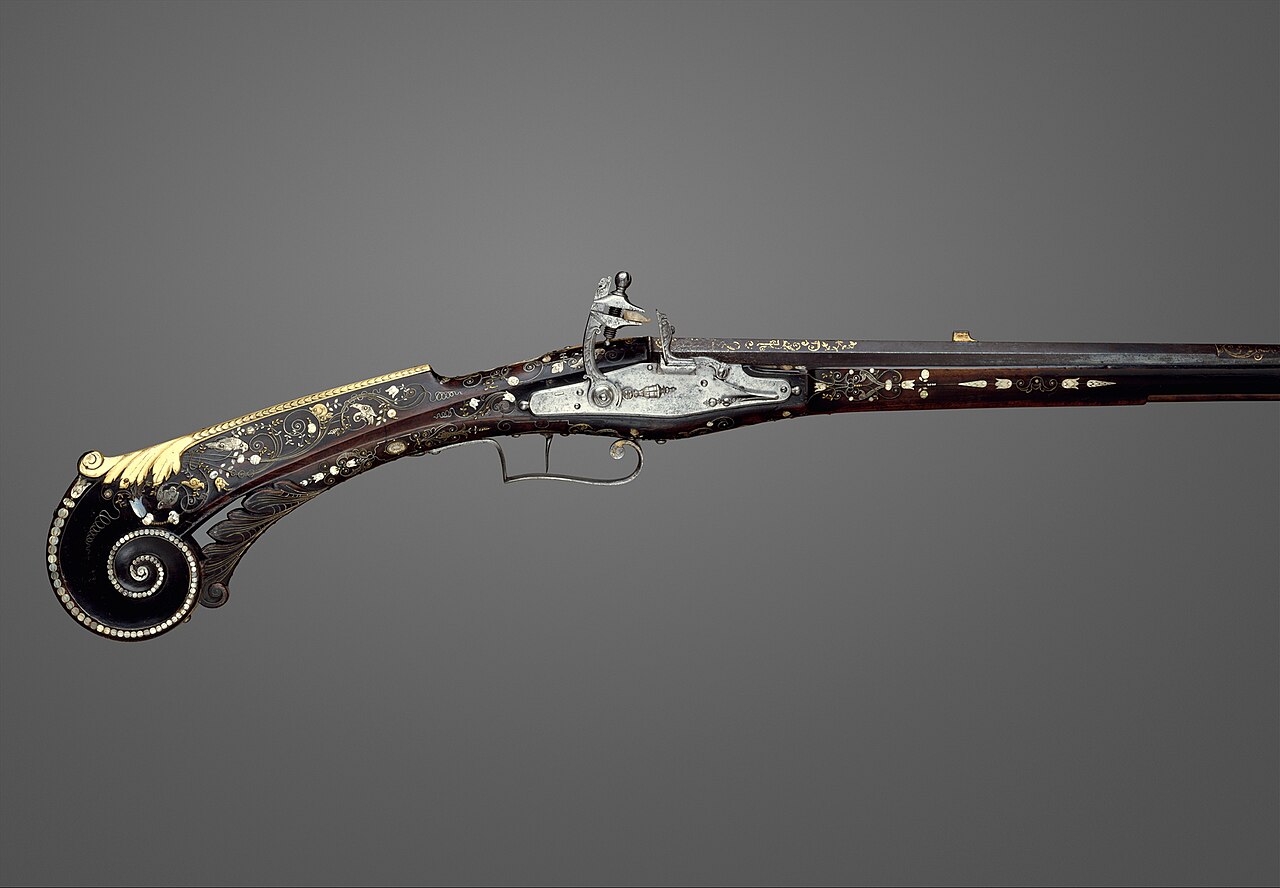
Flintlock Gun of Louis XIII
1620
Free account
Read every Louis XIII source
Sign up free →
Ready when you are
Start chatting with Louis XIII now.
20 messages free · No credit card · Available in 50+ languages.