


Primary sourceArtifact1835
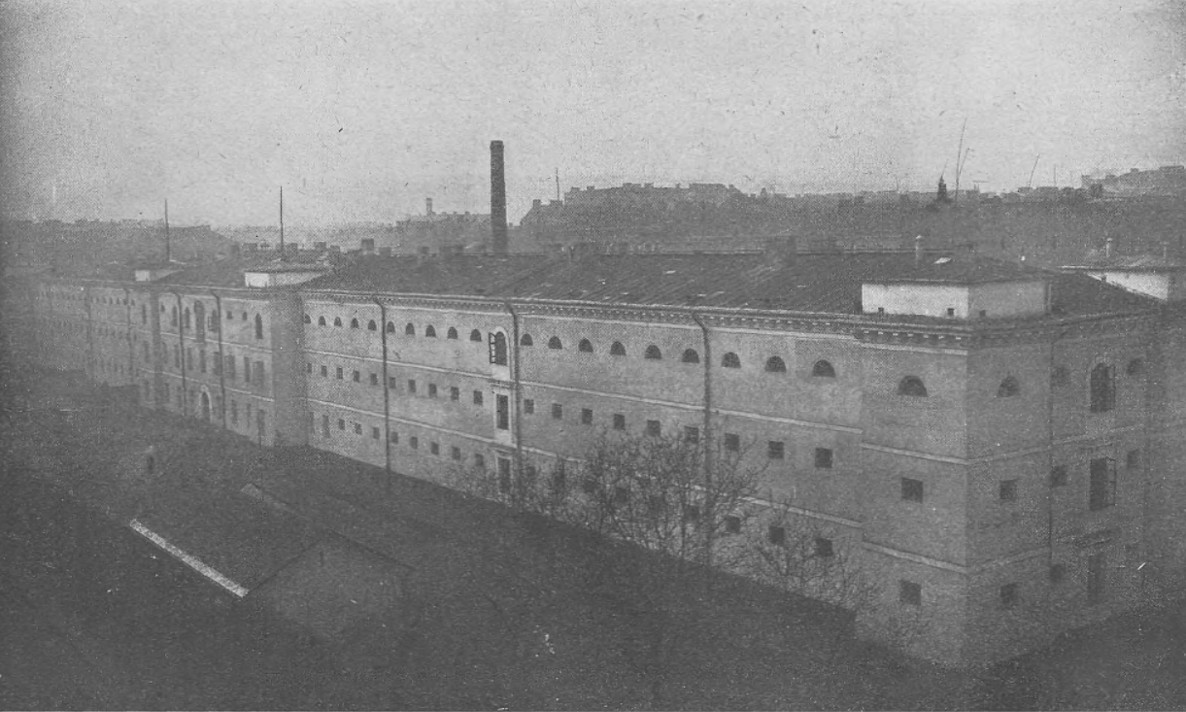
Pawiak Prison
Enrico Marconi · 1835
A Warsaw prison built in 1835 where the Gestapo held Kolbe from February to May 1941 before his deportation to Auschwitz.
The Gestapo imprisoned Kolbe here before deporting him to Auschwitz, making this a key site in his final months.
About this source
What it is
Pawiak was a prison built in 1829–35 in Warsaw, designed by Enrico Marconi and Fryderyk Florian Skarbek. Under German occupation during the Second World War it became a Gestapo prison. It was destroyed in 1944 during the Warsaw Uprising; only part of the gateway and a few cells survive today, housing a museum.
Why it matters
Tens of thousands of people passed through Pawiak under German occupation, many dying there or being sent on to concentration camps. Maximilian Kolbe was held here before being deported to Auschwitz, where he died. The building's history — from a tsarist political prison to a Nazi detention centre — shows how the same walls were used across generations to crush resistance in Poland.
Look closer
- What can a building's later use tell us about the history of a city like Warsaw?
- Why do you think so few records survive of who exactly was held at Pawiak?
- How does knowing Kolbe passed through this prison change how you read a photograph of the building?
This artifact is part of the curated material that grounds the AI version of Maximilian Kolbe on Humy.ai — when students ask about related events, the AI can quote it and cite it.
More Maximilian Kolbe sources
Browse all 59 → Photograph
Primary source
Portrait of Maximilian Kolbe
1936
 Artifact
Secondary source
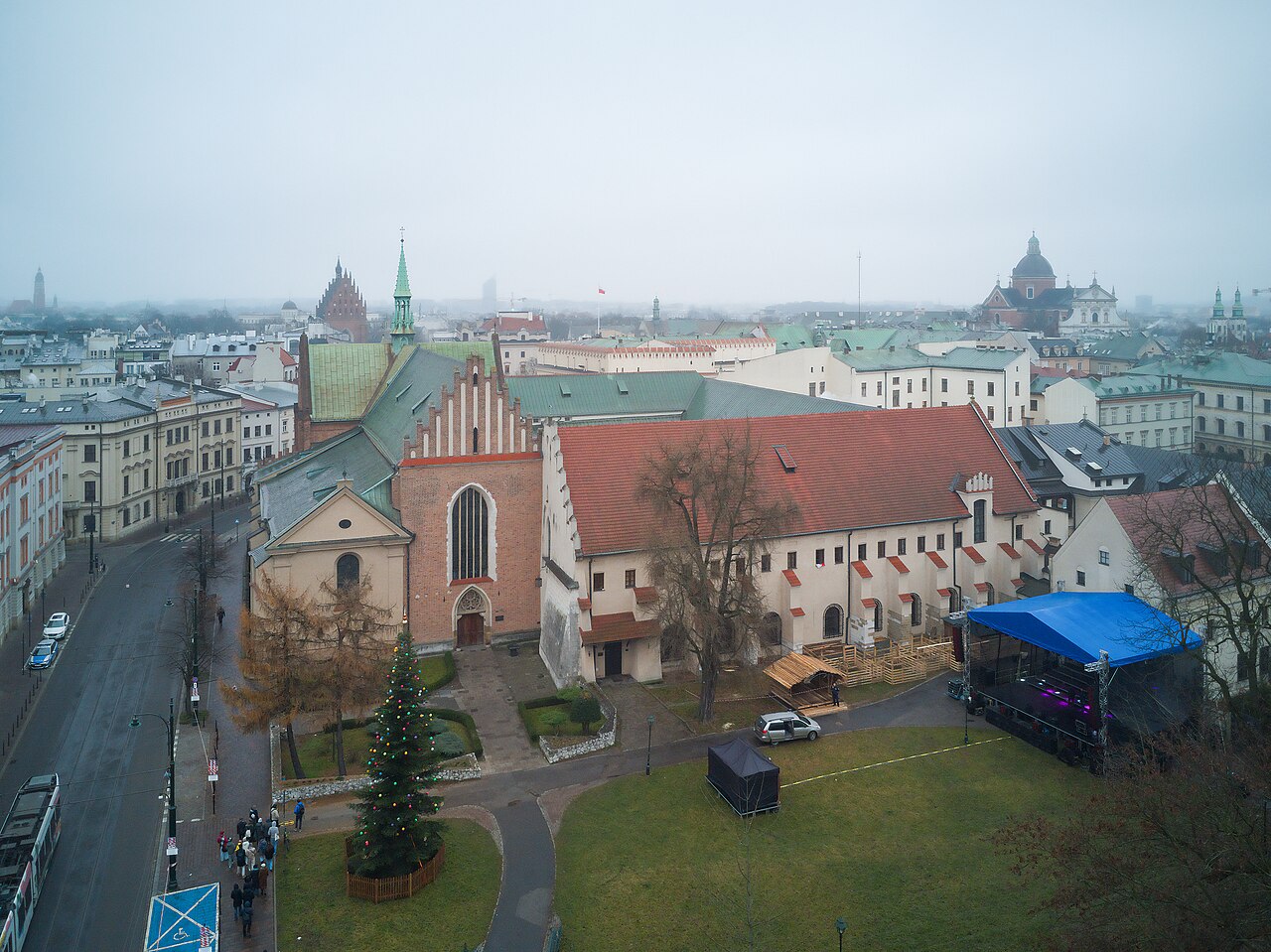
Niepokalanów
founded 1927
 Photograph
Primary source
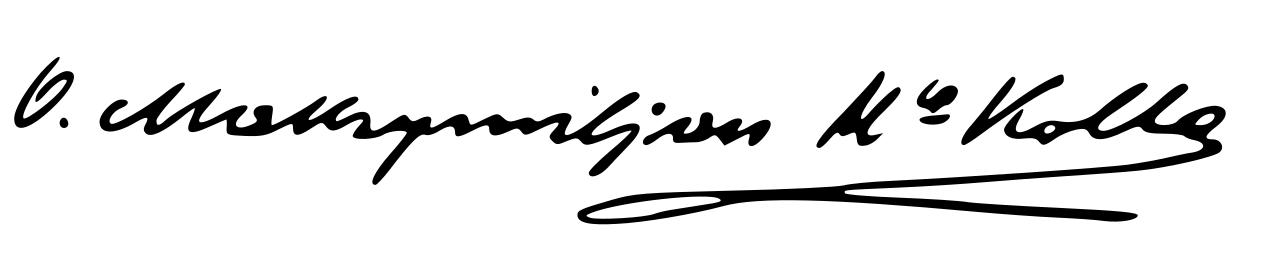
Korneli Czupryk and Maksymilian Kolbe before departure to Japan
1933
 Document
Primary source
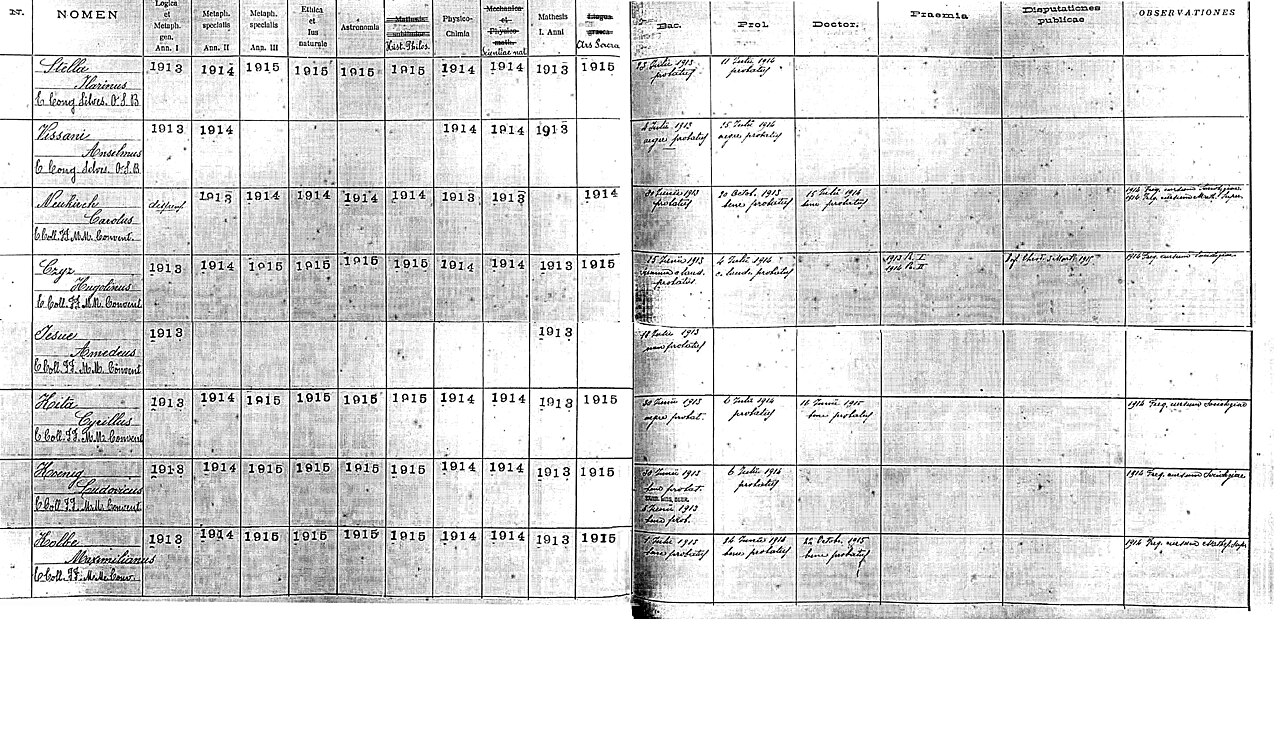
Kolbe Curriculum Studiorum
Pontificia Università Gregoriana - Segreteria generale · 1913-1919
Free account
Read every Maximilian Kolbe source
Sign up free →
Ready when you are
Start chatting with Maximilian Kolbe now.
20 messages free · No credit card · Available in 50+ languages.