


Primary sourceDocument1555
Peace of Augsburg
1555
The 1555 treaty that legally divided the Holy Roman Empire between Catholicism and Lutheranism, negotiated in Charles V's name though he refused to sign it himself.
Although made in Charles's name, he refused to sign it personally, marking the failure of his effort to restore religious unity.
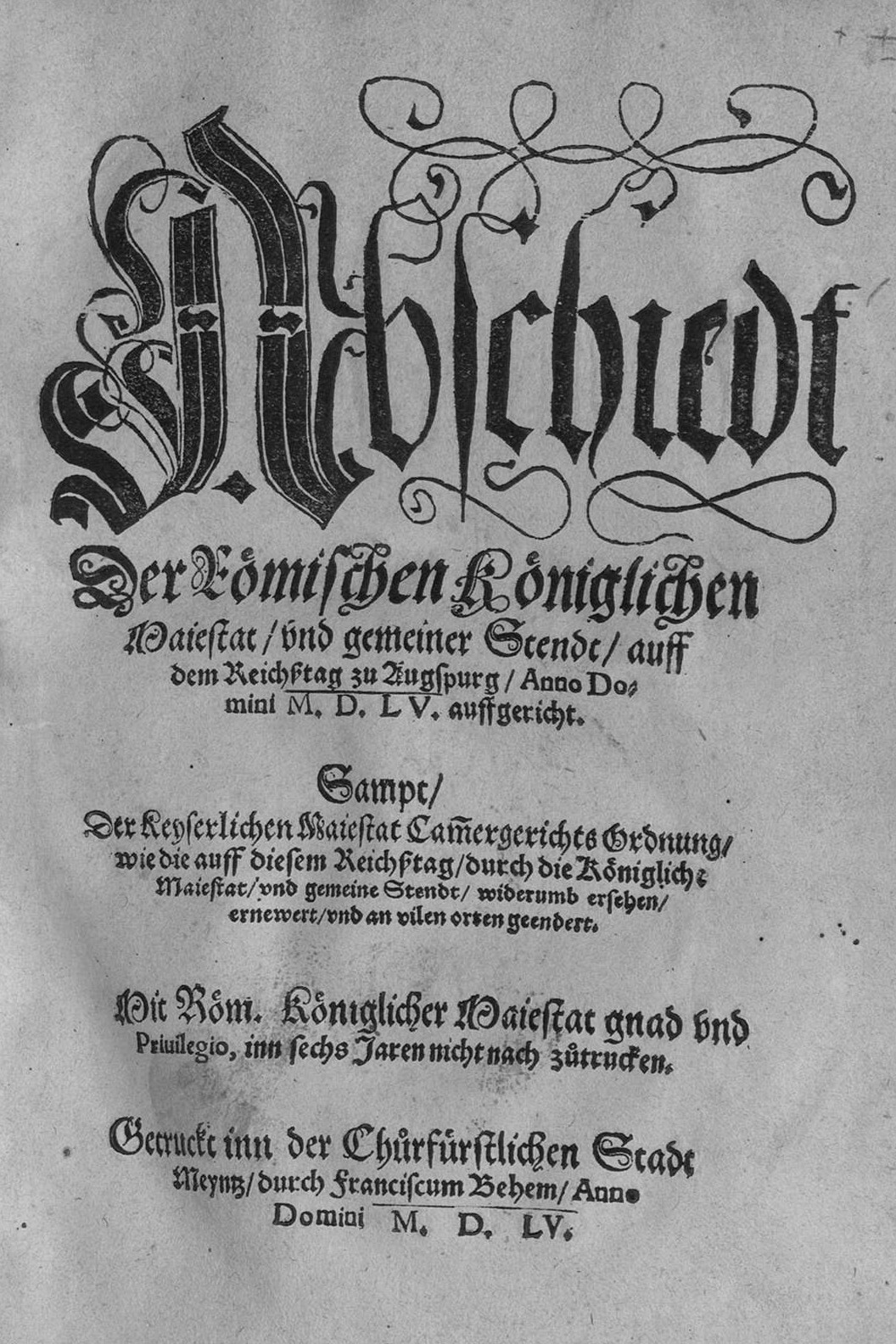
About this source
What it is
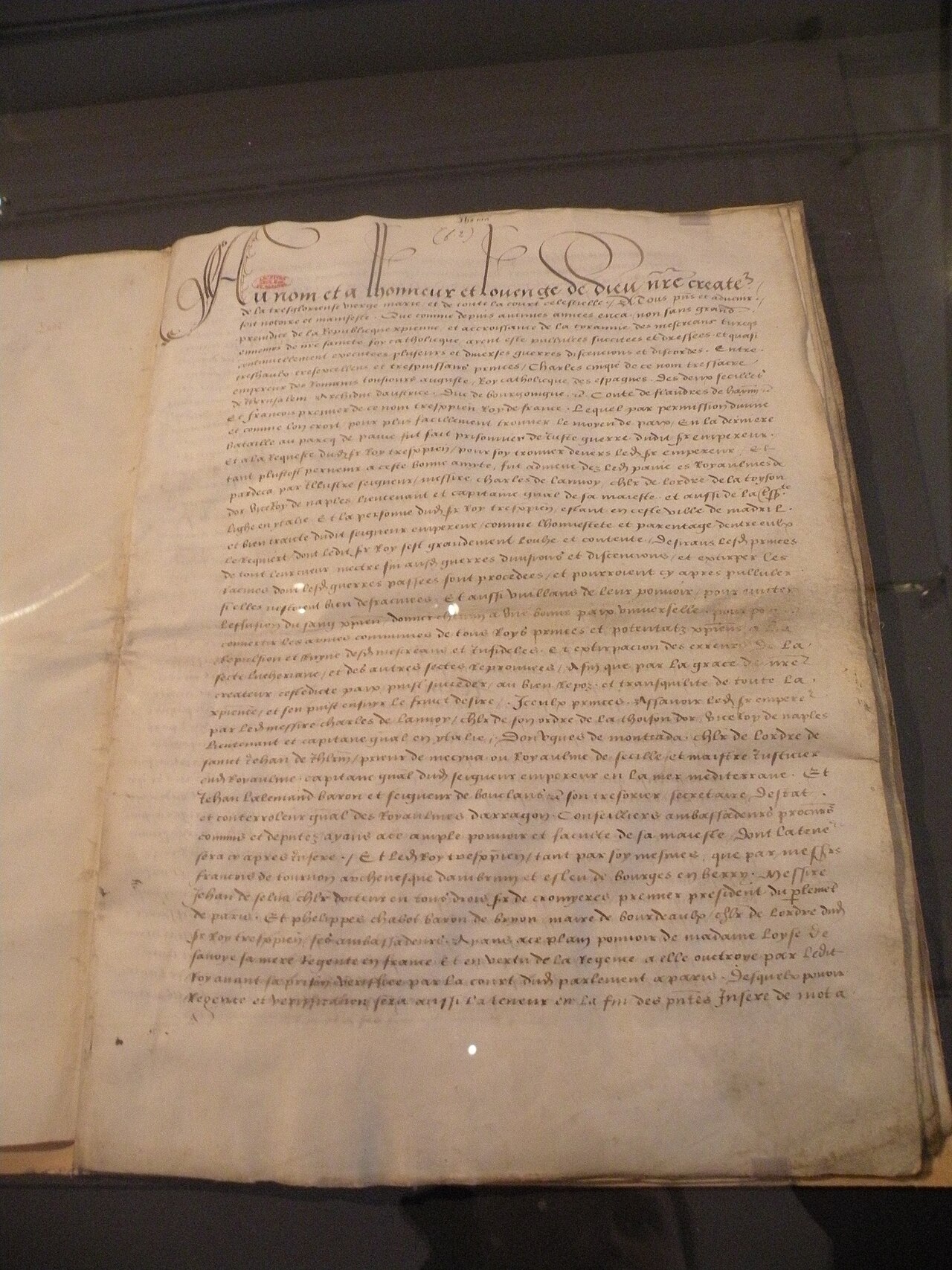
The Peace of Augsburg is a treaty signed on 25 September 1555 between Charles V, Holy Roman Emperor, and the Protestant Schmalkaldic League. It was negotiated on Charles's behalf by his brother Ferdinand. A printed edition from 1555 survives, shown here with its title page.
Why it matters
The treaty established that princes within the Empire could choose Lutheranism or Catholicism for their territory, under the principle 'whose realm, his religion.' This ended the Empire's religious wars for a time but permanently divided Christianity within it — the opposite of what Charles had hoped to achieve. That Charles let his brother sign it rather than doing so himself shows how this outcome marked the failure of his lifelong goal of restoring religious unity.
Look closer
- Why might Charles have refused to put his own name on this treaty?
- What does the choice between only two religions leave out?
- What does it suggest about imperial power that Ferdinand, not Charles, finalized this agreement?
This document is part of the curated material that grounds the AI version of Charles V, Holy Roman Emperor on Humy.ai — when students ask about related events, the AI can quote it and cite it.
More Charles V, Holy Roman Emperor sources
Browse all 97 →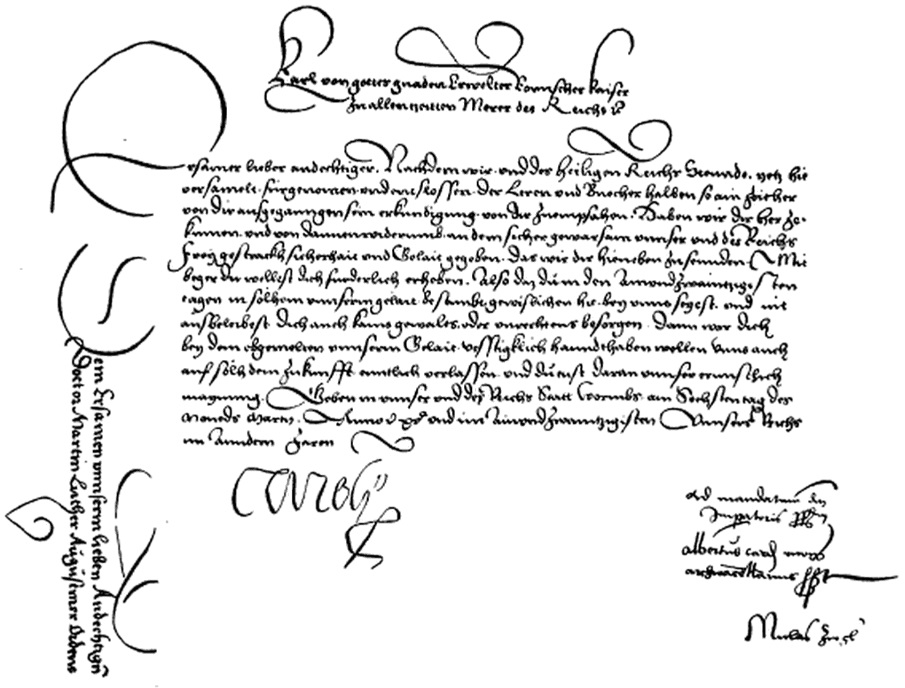 Document
Primary source
Summons for Luther to appear at the Diet of Worms
1521
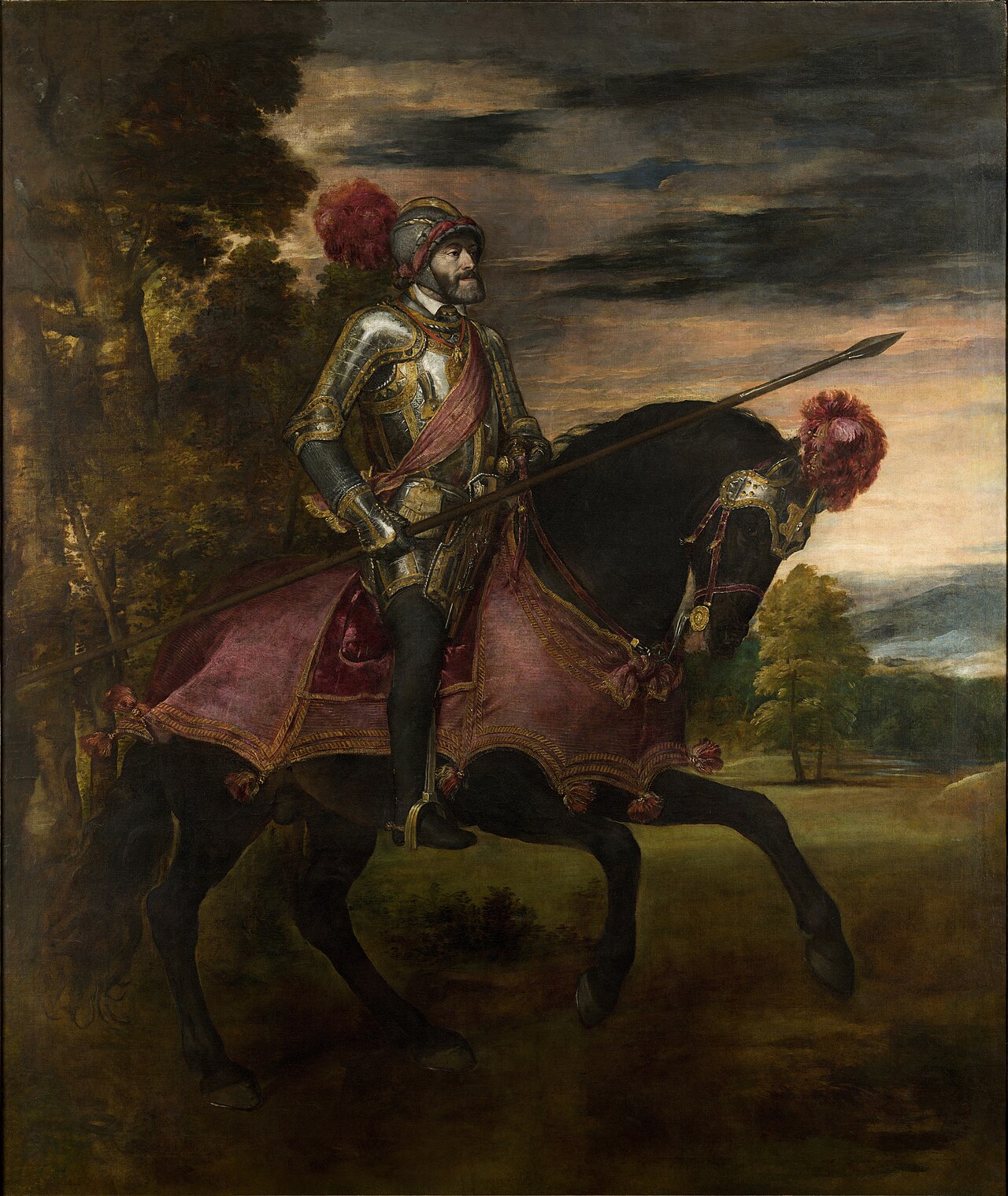 Painting
Primary source
Equestrian Portrait of Charles V
Titian · 1548
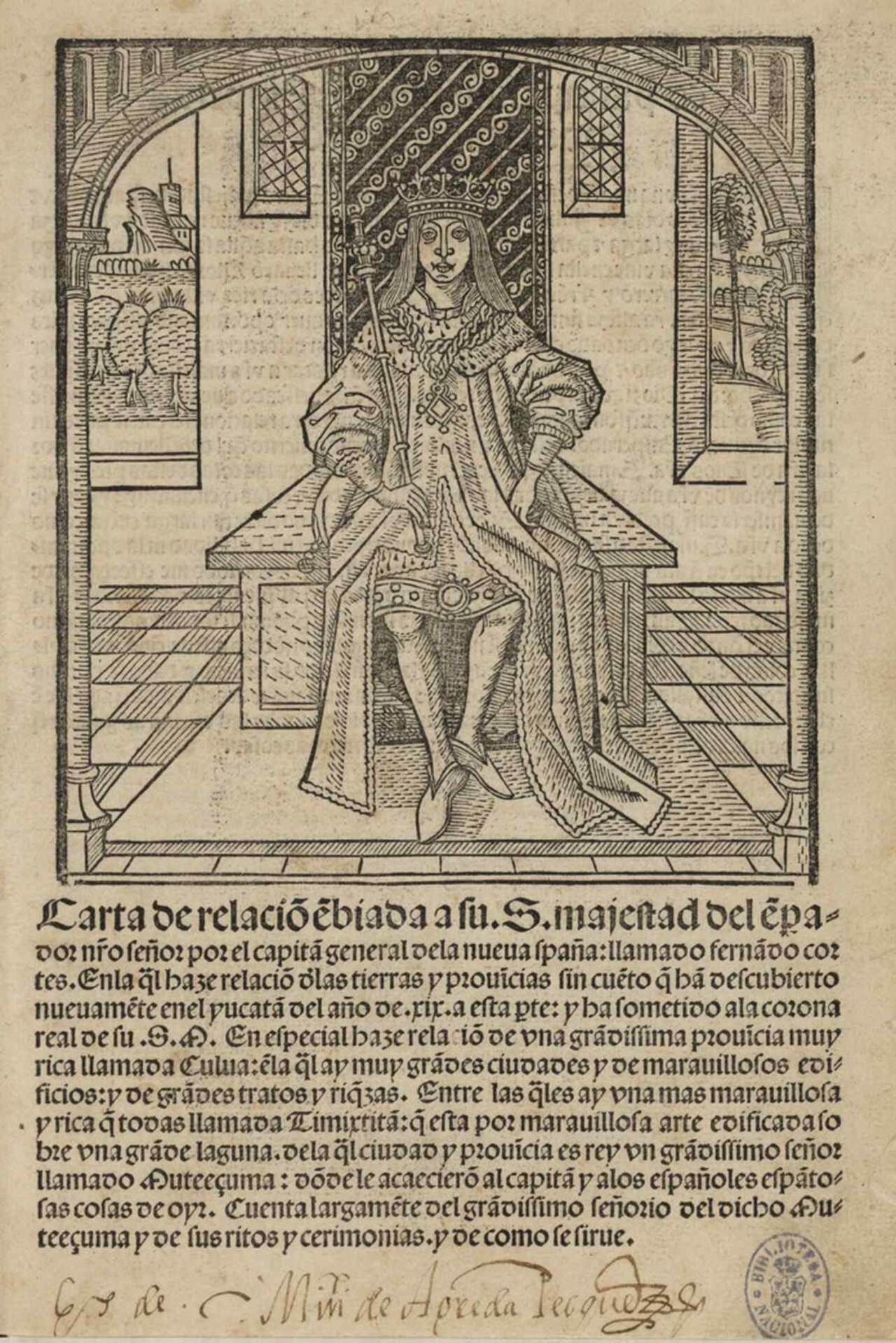 Letter
Primary source
Second Letter to Charles V
Hernán Cortés · 1520 (printed 1522)
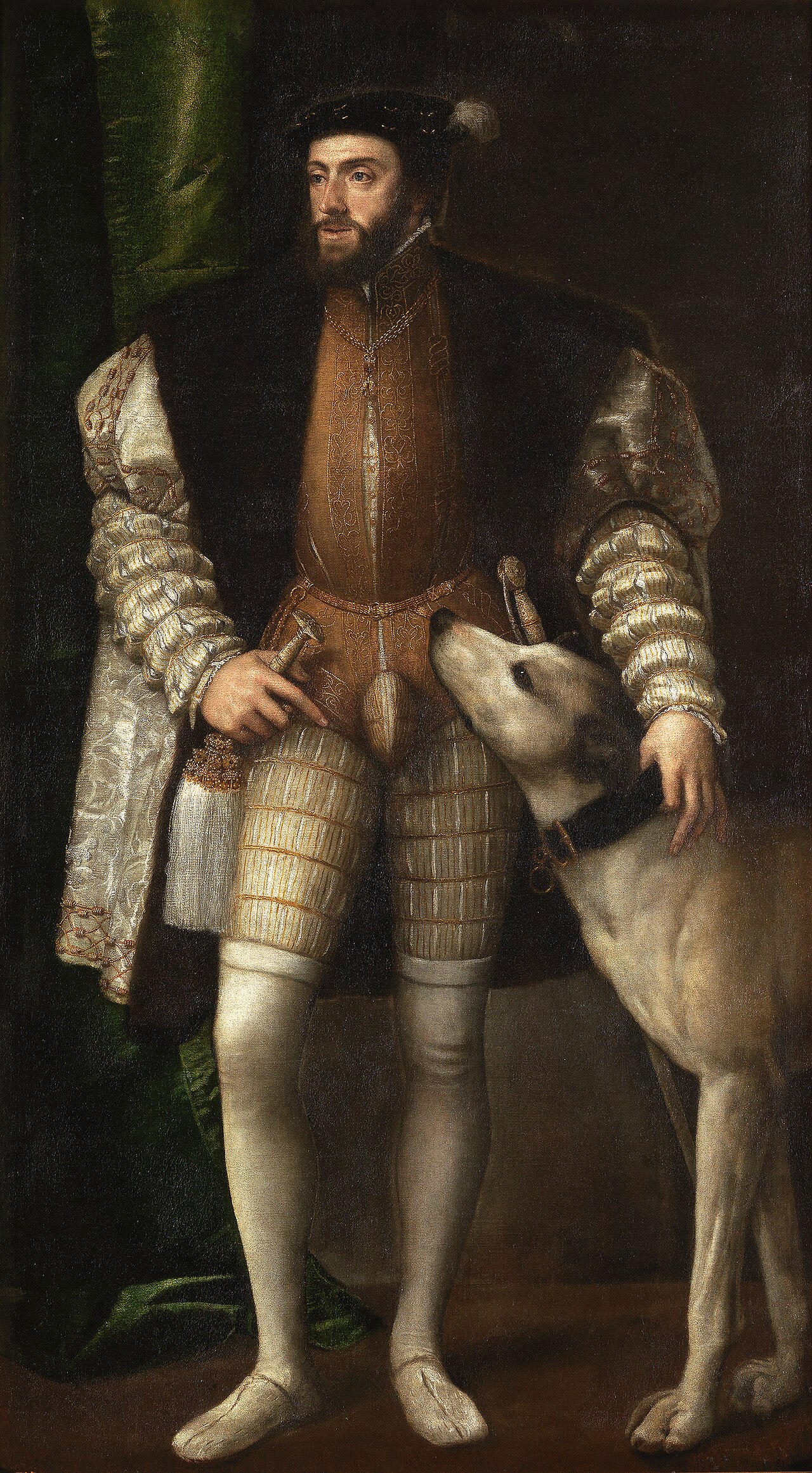 Painting
Primary source
Portrait of Charles V with a Dog
Titian · 1533
Free account
Browse every Charles V, Holy Roman Emperor source
Sign up free →
Ready when you are
Start chatting with Charles V, Holy Roman Emperor now.
20 messages free · No credit card · Available in 50+ languages.