


Secondary sourceSculpture1911
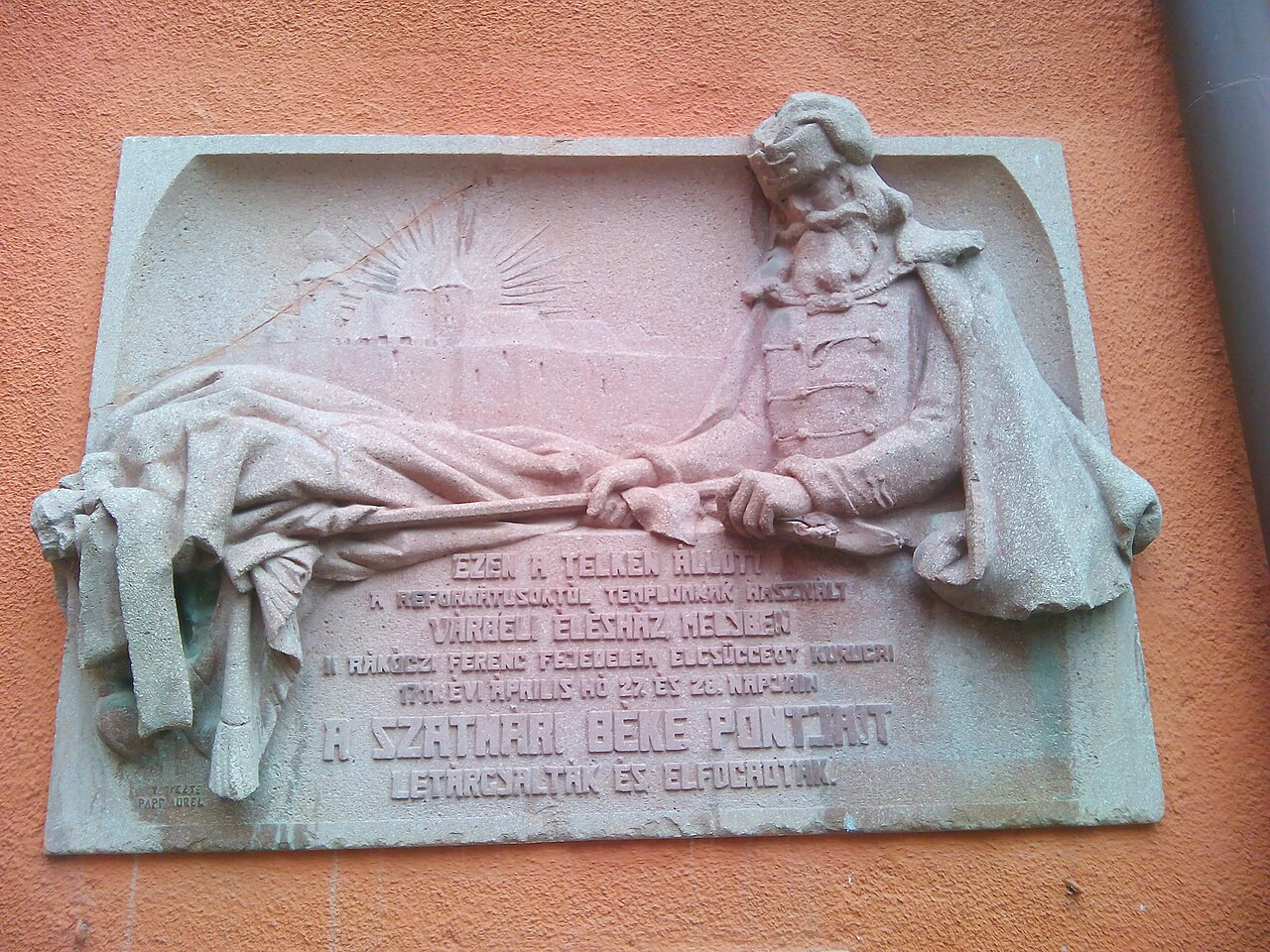
Peace of Szatmár Relief Plaque
Ede Harkányi · 1911
A stone relief plaque in Satu Mare, Romania, recording that Rákóczi's disheartened Kuruc troops met here in April 1711 and agreed to the Peace of Szatmár.
It records the place where Rákóczi's Kuruc troops agreed to the Peace of Szatmár, which ended his uprising.
About this source
What it is
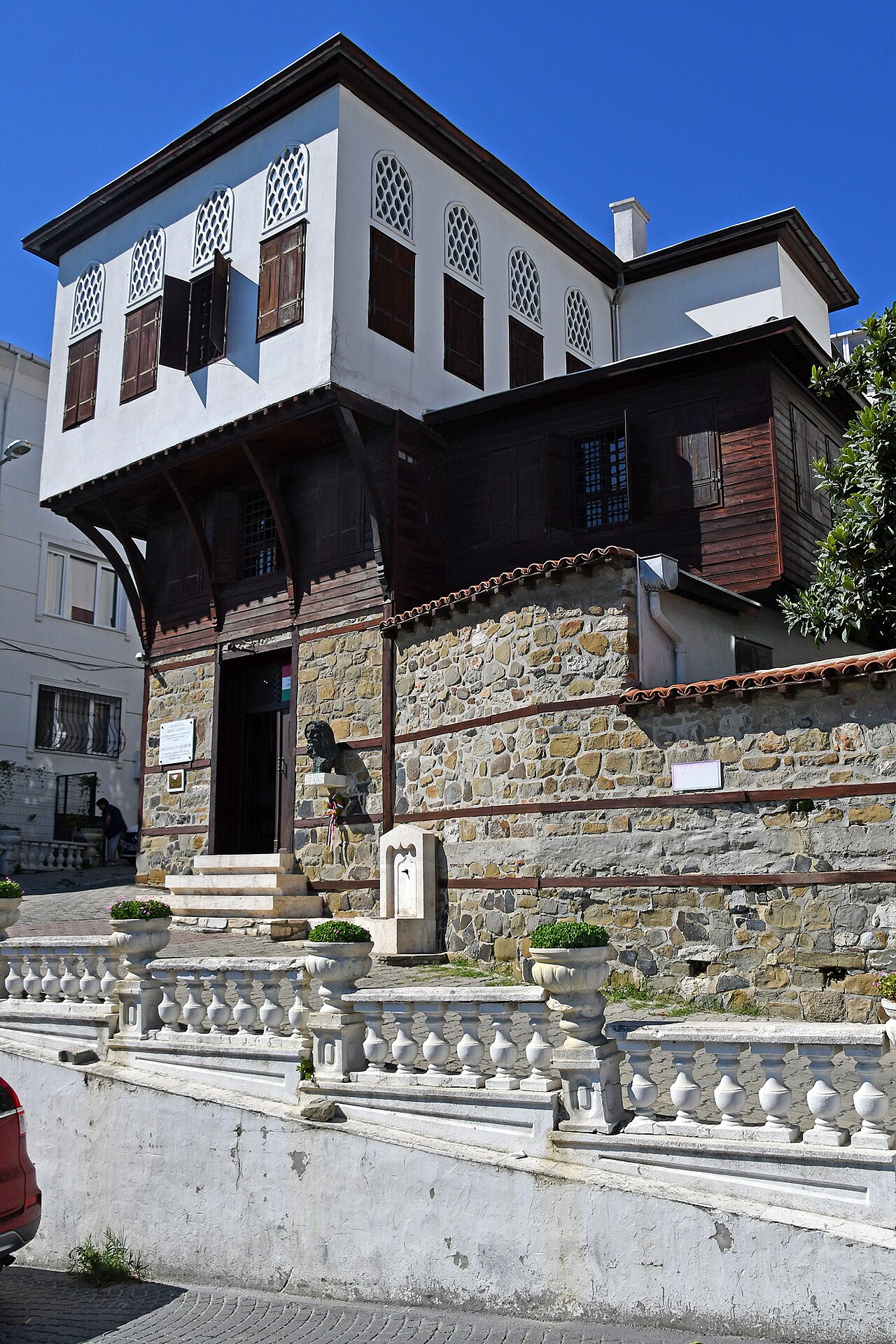
This is a stone relief plaque in Satu Mare (Szatmárnémeti), Romania. The inscription, in Hungarian, says that on this site stood a granary building, used by the Reformed church as a church, where the disheartened Kuruc troops of Prince Francis II Rákóczi negotiated and accepted the points of the Peace of Szatmár on 27 and 28 April 1711. The plaque was unveiled in 1911, designed by Aurél Papp, with sculptor Ede Harkányi credited in the record. It was moved and re-dedicated in 1941. Today it is on the courtyard facade of the Vécsey House, which now houses the Satu Mare Art Museum. The relief shows a reclining figure in a hat and cloak, with a sunburst and a fortress outline behind him.
Why it matters
The Peace of Szatmár ended the Rákóczi uprising in 1711. The plaque shows how the event was remembered in the early twentieth century, when it was made. It connects the leader to the soldiers who had to accept the terms, and to the people who later chose to mark the place.
Look closer
- Who is shown on the relief, and how does the carving suggest his mood or situation?
- Why might a plaque made in 1911 choose to describe the soldiers as disheartened?
- What does the inscription leave out about the terms of the peace or the people who disagreed with them?
This sculpture is part of the curated material that grounds the AI version of Francis II Rákóczi on Humy.ai — when students ask about related events, the AI can quote it and cite it.
More Francis II Rákóczi sources
Browse all 90 →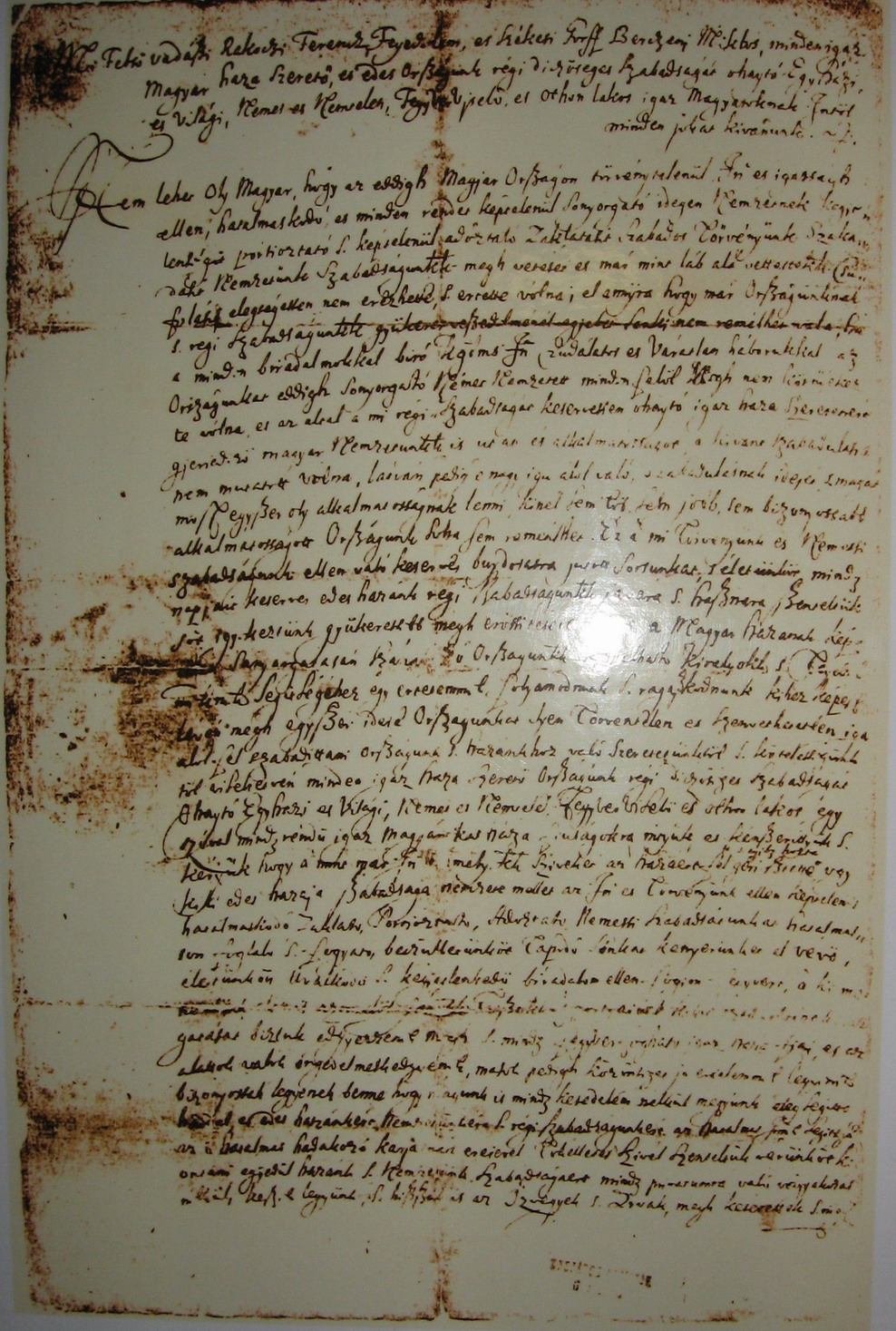 Document
Primary source
Manifesto of Berezhany
Francis II Rákóczi · 1703
 Painting
Primary source
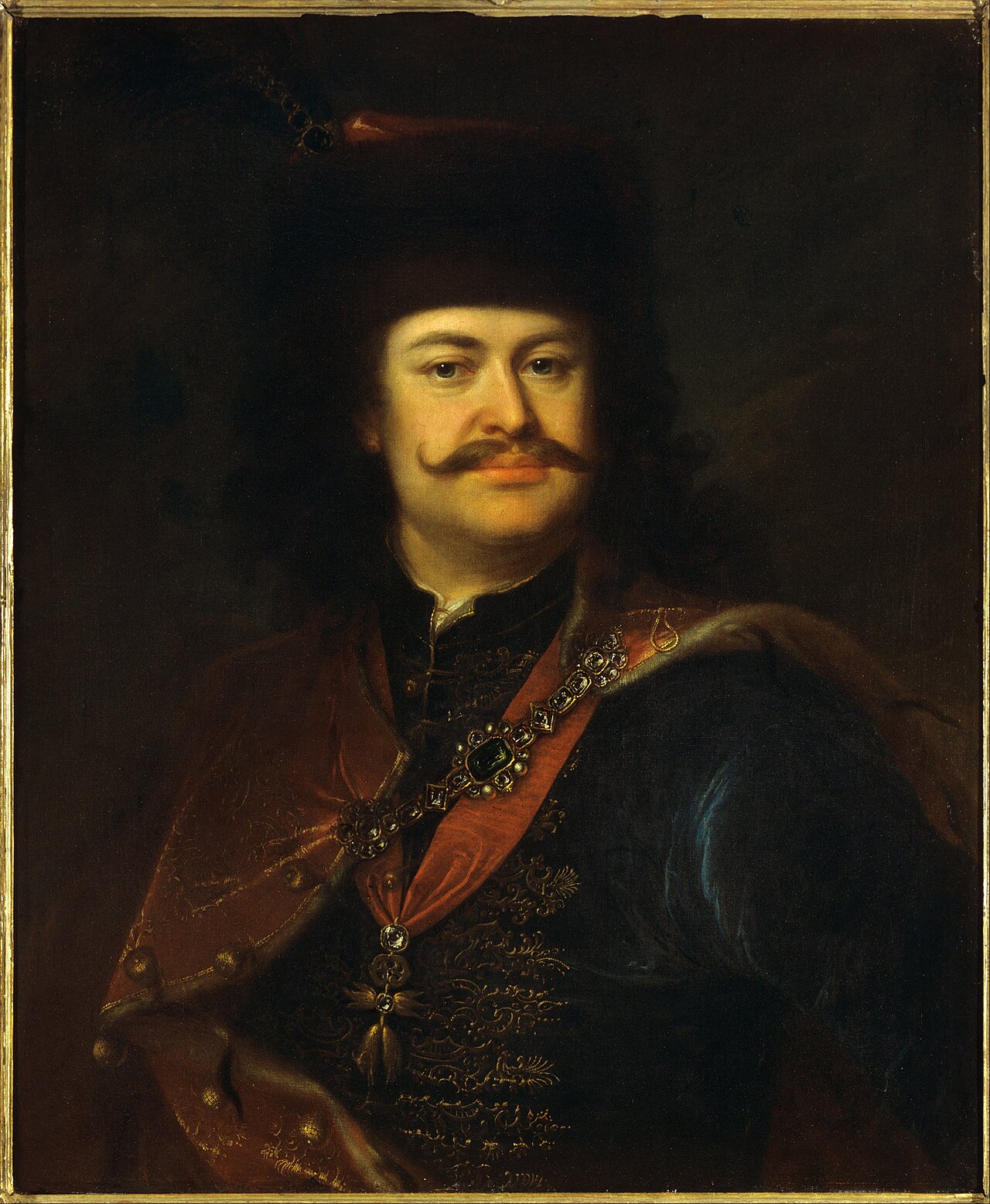
Portrait of Prince Ferenc Rákóczi II
Ádám Mányoki · 1712
 Newspaper article
Primary source
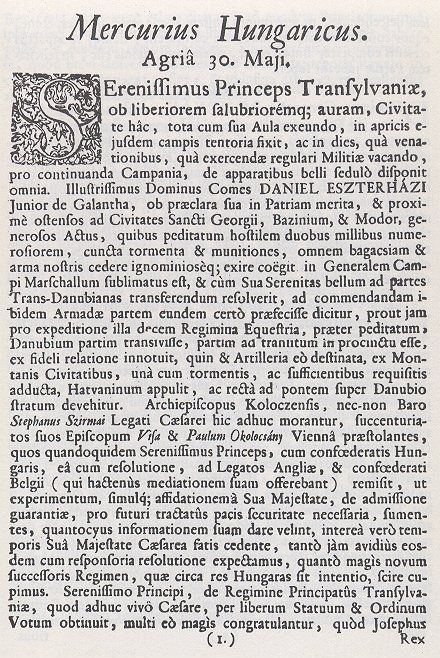
Mercurius Hungaricus
1705
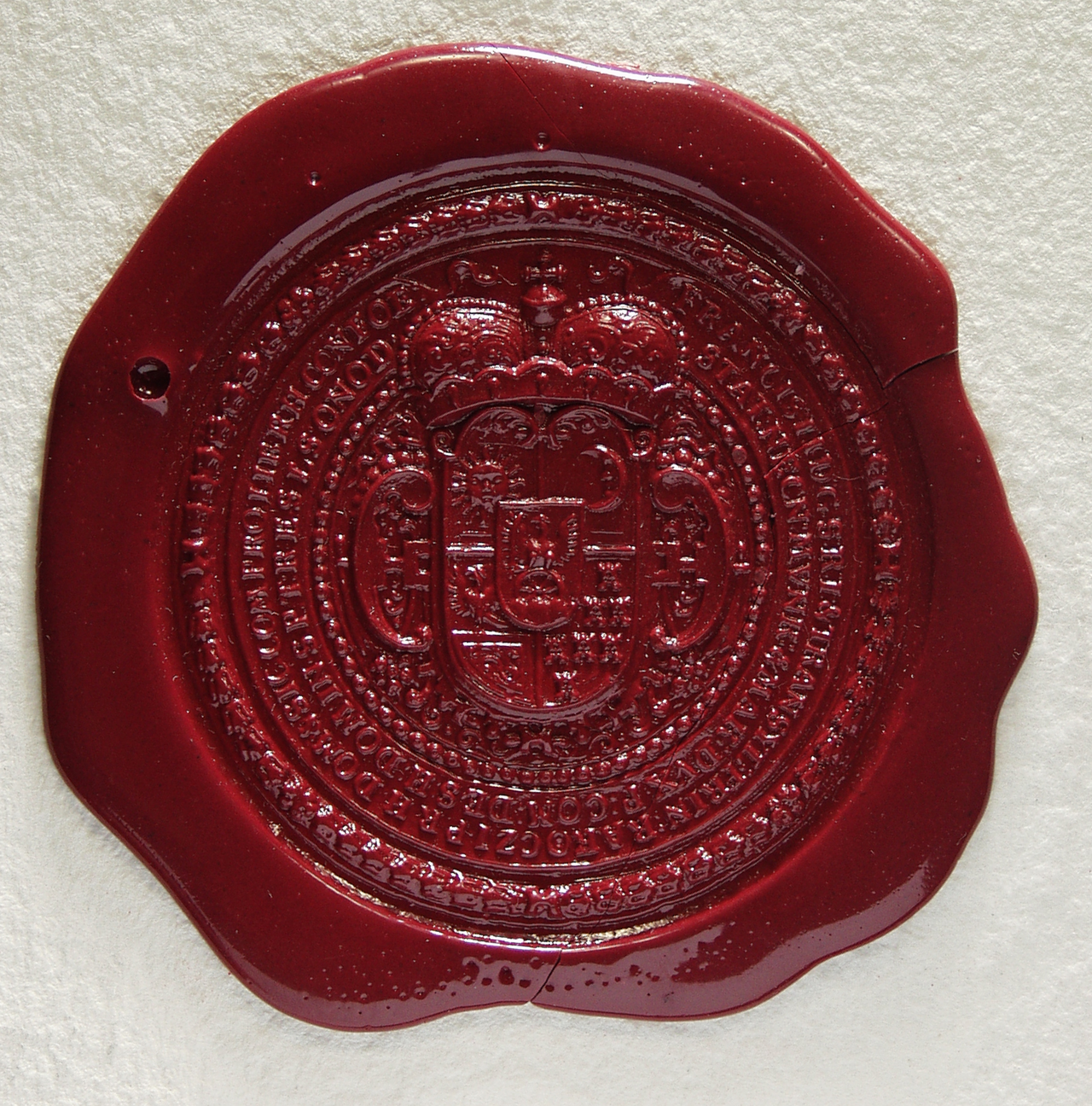 Artifact
Primary source
Great Seal of Francis II Rákóczi
Free account
Read every Francis II Rákóczi source
Sign up free →
Ready when you are
Start chatting with Francis II Rákóczi now.
20 messages free · No credit card · Available in 50+ languages.