


Primary sourceDocument25 May 1715
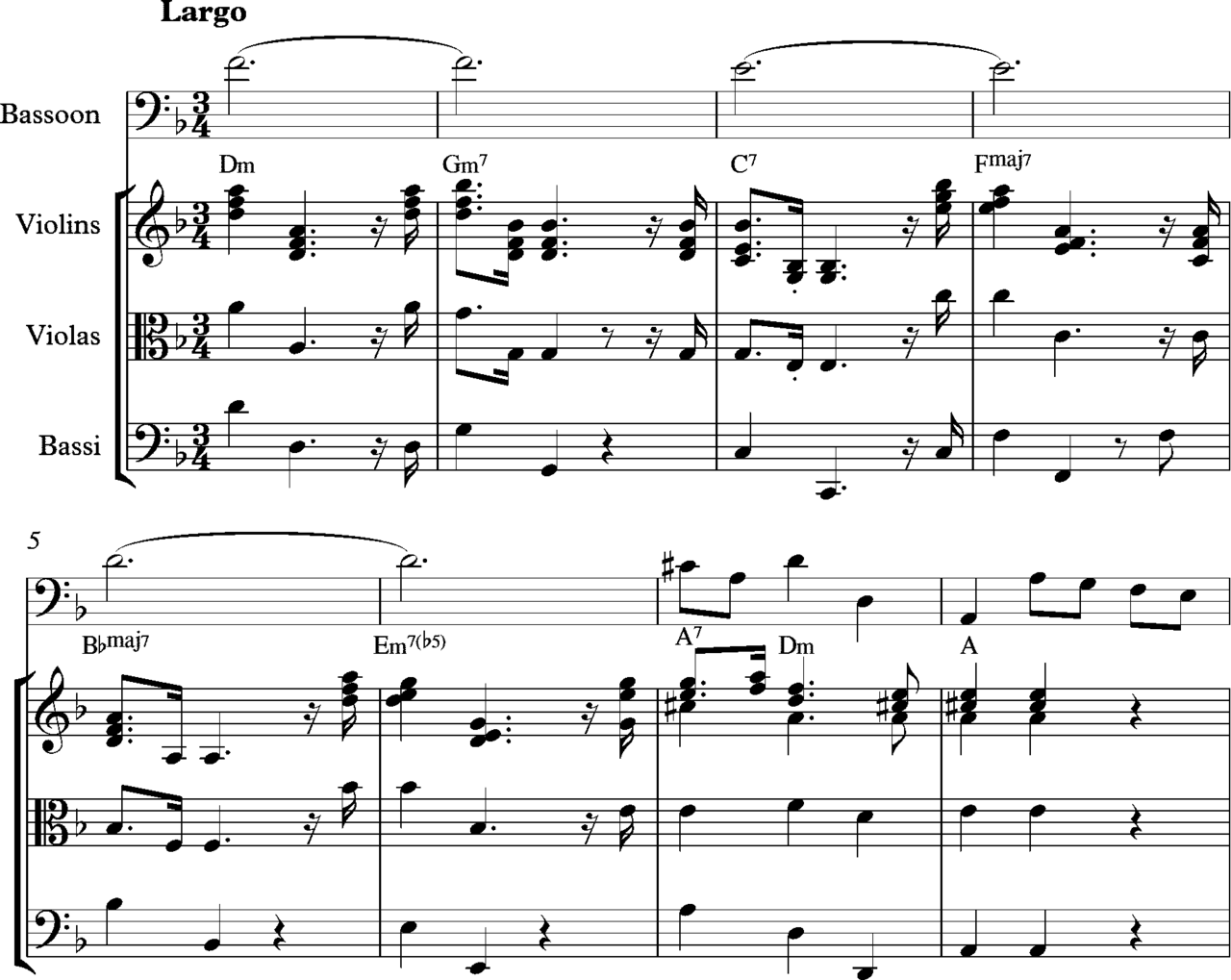
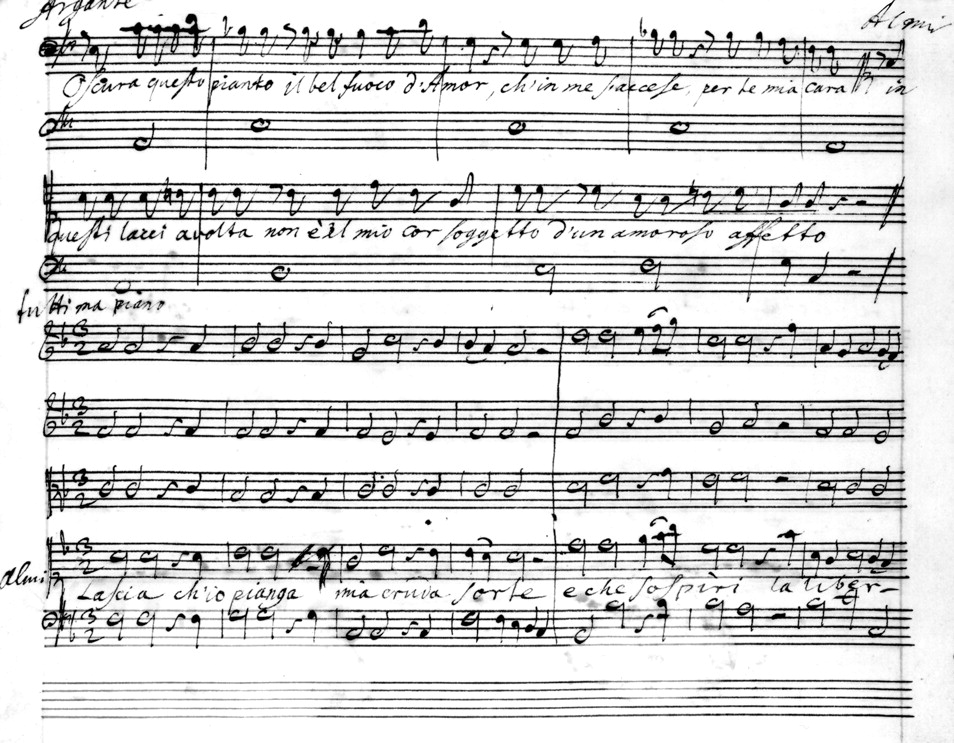
Pena tiranna, from Amadigi (orchestral introduction score)
George Frideric Handel · 25 May 1715
A musical score of the orchestral introduction to the aria "Pena tiranna" from Handel's opera Amadigi, dated 1715. It shows the instruments and chord symbols Handel wrote for the opening.
Shows Handel's orchestral writing in one of his operas, made in the year he wrote Amadigi, which places it squarely in his working life.
About this source
What it is
This is the opening of an aria from Handel's opera Amadigi, dated 25 May 1715. It is a musical score, so it shows the notes and instructions a performer would read rather than the sound itself. The excerpt is the orchestral introduction to the aria "Pena tiranna", written for bassoon, violins, violas and bass instruments in 3/4 time. The page also carries chord symbols such as Dm, Gm7 and A7. The Commons file shows the first eight measures on two staff systems.
Why it matters
Handel wrote his operas for singers and an orchestra, and an introduction like this set the mood before the singer began. A score lets students see how the orchestra supports the voice, not only hear the finished result. It connects Handel with the musicians who would have played and sung his work in 1715.
Look closer
- Which instruments does the score list, and why might a composer choose these for an introduction?
- What do the chord symbols tell a performer that the notes alone do not?
- What does this excerpt leave out, such as the singer's part and the words of the aria?
This document is part of the curated material that grounds the AI version of George Frideric Handel on Humy.ai — when students ask about related events, the AI can quote it and cite it.
More George Frideric Handel sources
Browse all 97 → Document
Secondary source
Messiah
George Frideric Handel · 1741
 Painting
Primary source
George Frideric Handel
Balthasar Denner · c. 1726-1728
 Painting
Primary source
Portrait of George Frideric Handel
Thomas Hudson · 1756
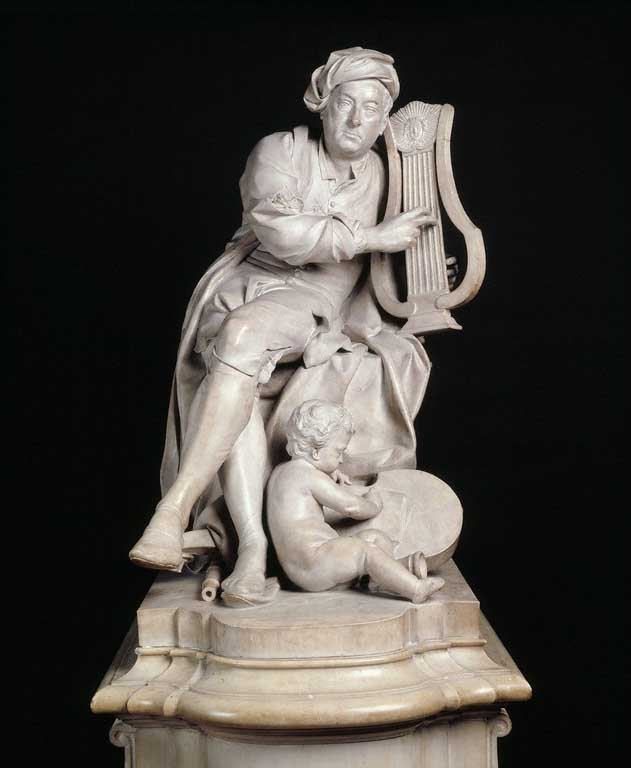 Sculpture
Primary source
Statue of George Frideric Handel
Louis-François Roubiliac · 1738
Free account
Read every George Frideric Handel source
Sign up free →
Ready when you are
Start chatting with George Frideric Handel now.
20 messages free · No credit card · Available in 50+ languages.