


Tertiary sourceBook1911
Penn, William (English Quaker) entry, Encyclopaedia Britannica 1911
1911
A detailed encyclopedia article on William Penn, English Quaker and founder of Pennsylvania, from the 11th edition of the Encyclopaedia Britannica, published in 1911.
This Britannica article traces Penn's childhood, family and early religious feeling, which help explain the Quaker founder the archive studies.
Free Humy account · No credit card · 120,912 sources to read
About this source
What it is
This is an article on William Penn in the 11th edition of the Encyclopaedia Britannica, published in 1911. It is a reference entry, not a work written by Penn. It describes him as an English Quaker and founder of Pennsylvania, the son of Admiral Sir William Penn and Margaret Jasper, a Dutch lady. The article states that Penn was born at Tower Hill, London, on 14 October 1644, and that he grew up at Wanstead in Essex and went to school at Chigwell.
Why it matters
The article is one of the most widely used English reference works of its time, so it shaped how many readers understood Penn. It quotes Penn's own account of a childhood experience of inward comfort and religious feeling, which helps explain his later faith. It also describes his father, who had served under Cromwell and then declared for the king, showing how political change in England shaped the family's life.
Look closer
- How does the article use Penn's own words, and why might an encyclopedia choose to quote them?
- What political changes in England does the article connect to the Penn family, and what does it leave unsaid?
- Which parts of Penn's life does the article stress, and which parts receive less attention?
This book is part of the curated material that grounds the AI version of William Penn on Humy.ai — when students ask about related events, the AI can quote it and cite it.
More William Penn sources
Browse all 88 →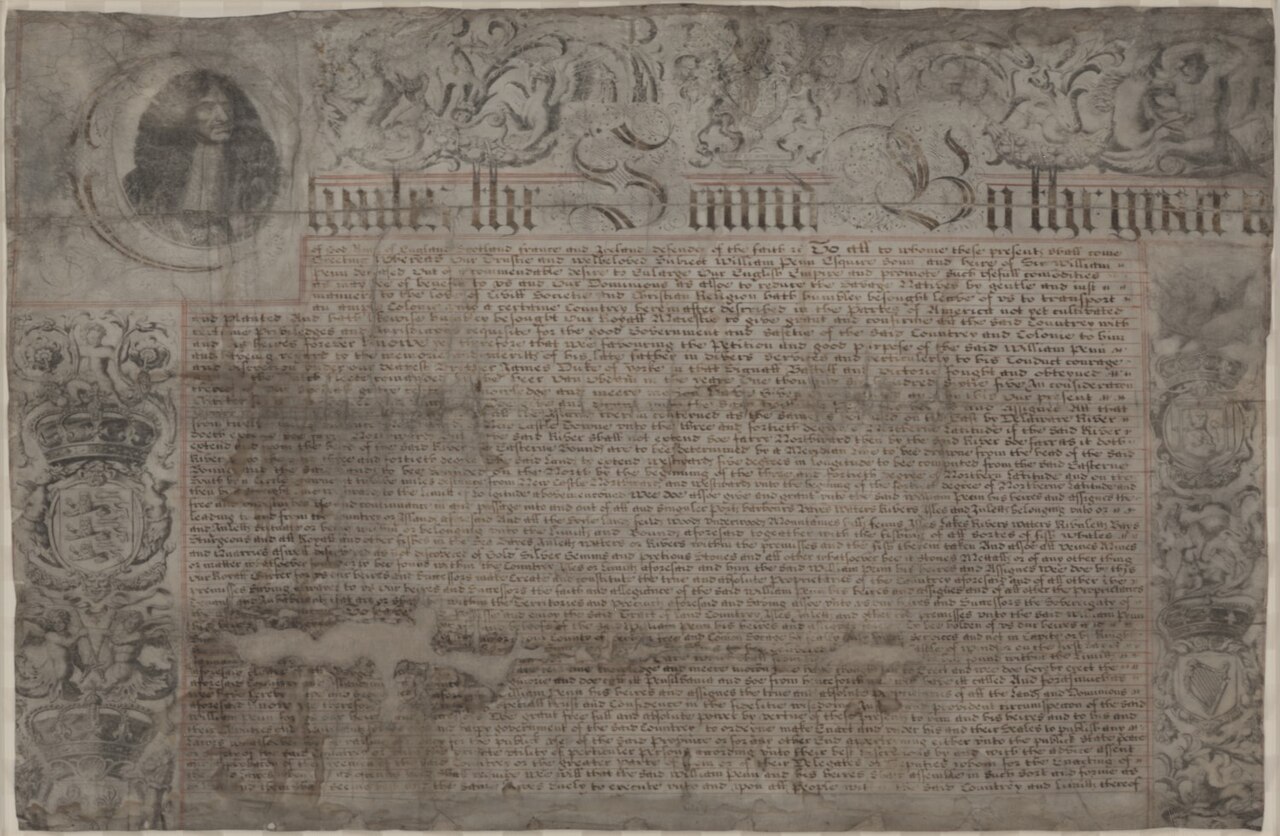 Document
Primary source
Charter for the Province of Pennsylvania
King Charles II of England · 4 March 1681
 Document
Primary source
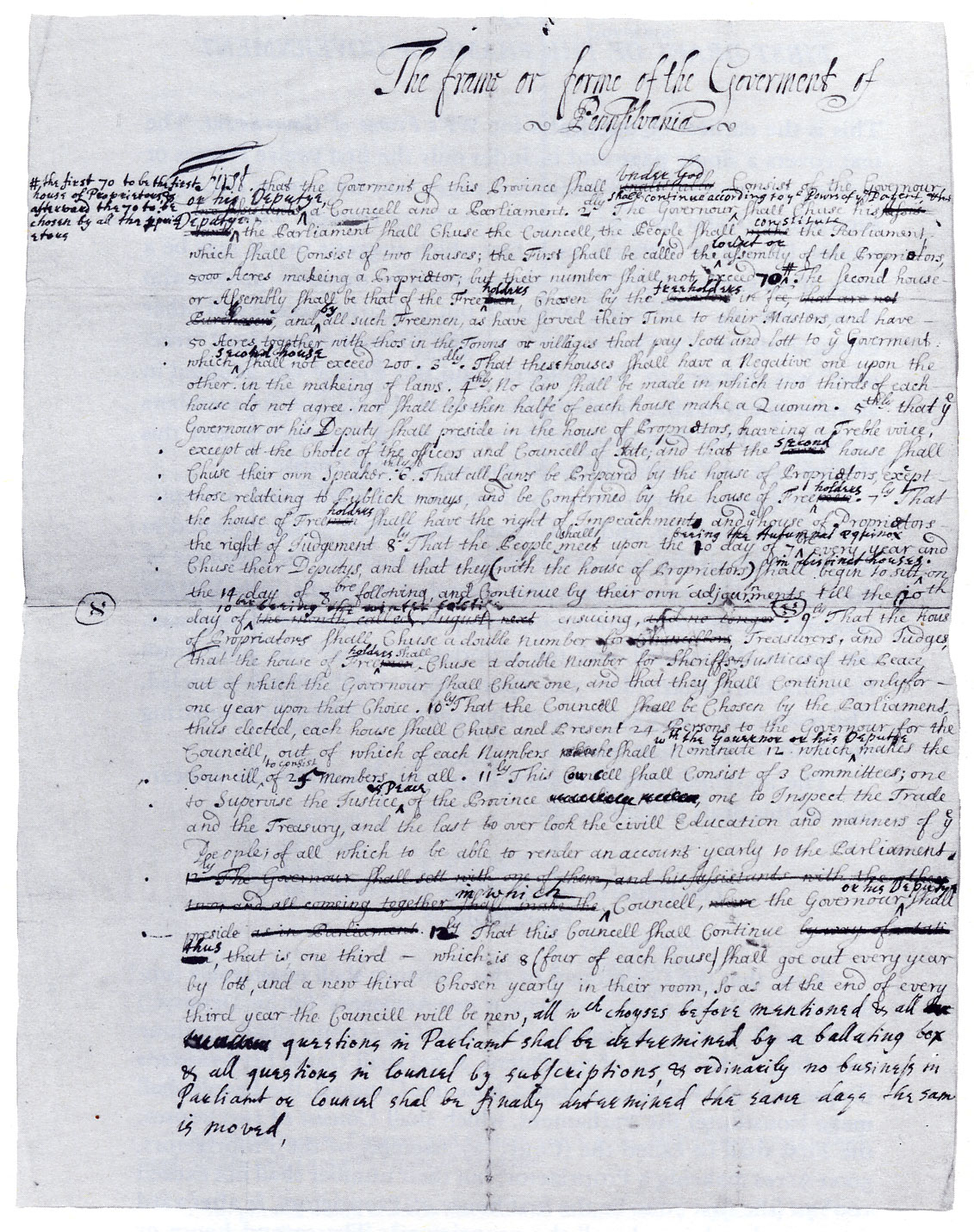
Frame of Government of Pennsylvania
William Penn · 1682
 Document
Primary source
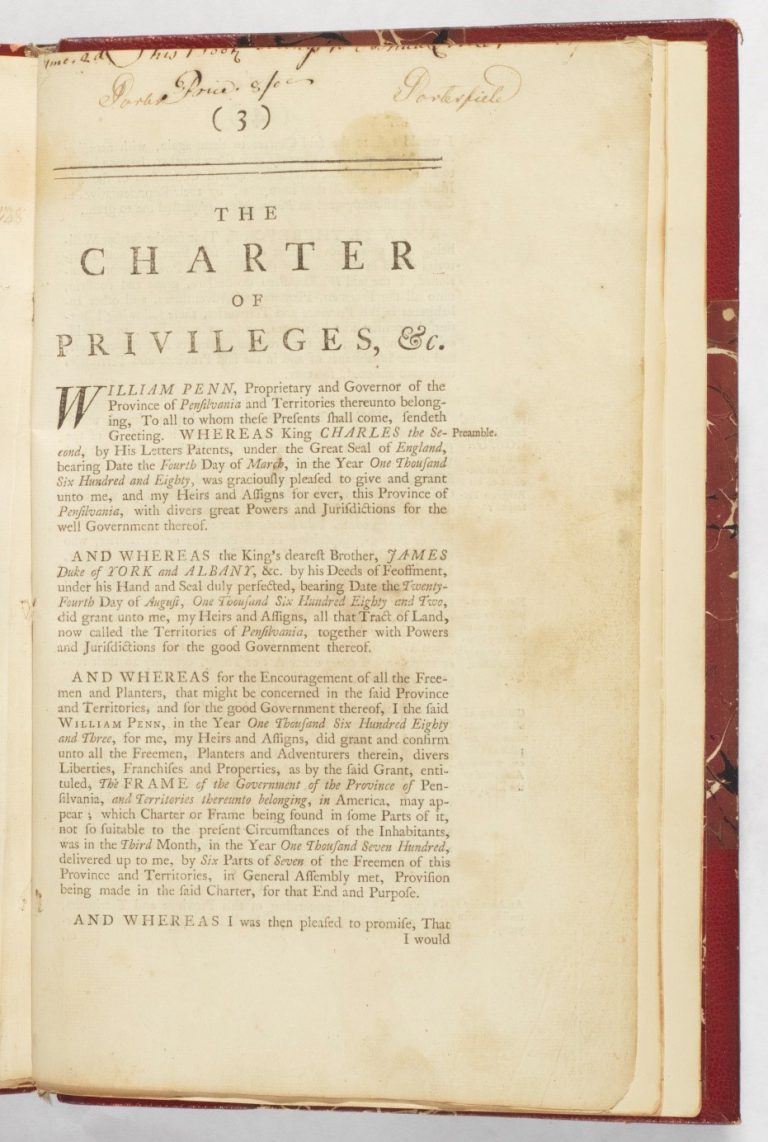
Charter of Privileges
William Penn · 28 October 1701
 Artifact
Primary source
Wampum Belt Presented to William Penn at the Great Treaty
Free account
Read every William Penn source
Sign up free →
Ready when you are
Start chatting with William Penn now.
20 messages free · No credit card · Available in 50+ languages.