


Primary sourceArtifact1840
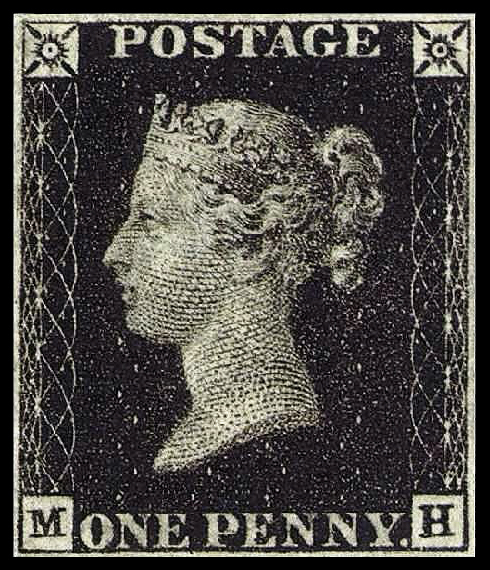
Penny Black
Charles Heath and Frederick Heath (engravers), after Henry Corbould · 1840
The world's first adhesive postage stamp, carrying a profile portrait of the young Queen Victoria.
This stamp carried Victoria's youthful portrait into everyday use, spreading her image across the country.
About this source
What it is
The Penny Black was the first adhesive postage stamp used in a public postal system, issued in 1840. It shows a profile portrait of the 21-year-old Queen Victoria, engraved by Charles and Frederick Heath from a sketch by Henry Corbould, based on a cameo-like image by William Wyon.
Why it matters
Created as part of postal reforms led by Sir Rowland Hill, the stamp allowed letters to be sent cheaply at a flat rate regardless of distance. Victoria's image on it meant her face was reproduced and seen by millions of ordinary people across the country, an early example of mass-produced royal imagery. Her portrait remained on British stamps throughout her reign.
Look closer
- Why might the government have chosen the monarch's portrait rather than a different symbol for the first stamp?
- What does the choice to put no country name on British stamps, only the monarch's head, suggest about the stamp's purpose?
- How might a stamp seen by millions of people change how a monarch is thought of compared to a painted portrait?
This artifact is part of the curated material that grounds the AI version of Queen Victoria on Humy.ai — when students ask about related events, the AI can quote it and cite it.
More Queen Victoria sources
Meet the AI Queen Victoria → Letter
Primary source
The Letters of Queen Victoria, vol. 2
Victoria · 1908
Primary source
Proclamation to the Princes, Chiefs and People of India
Victoria / British Government · 1 November 1858
 Painting
Primary source
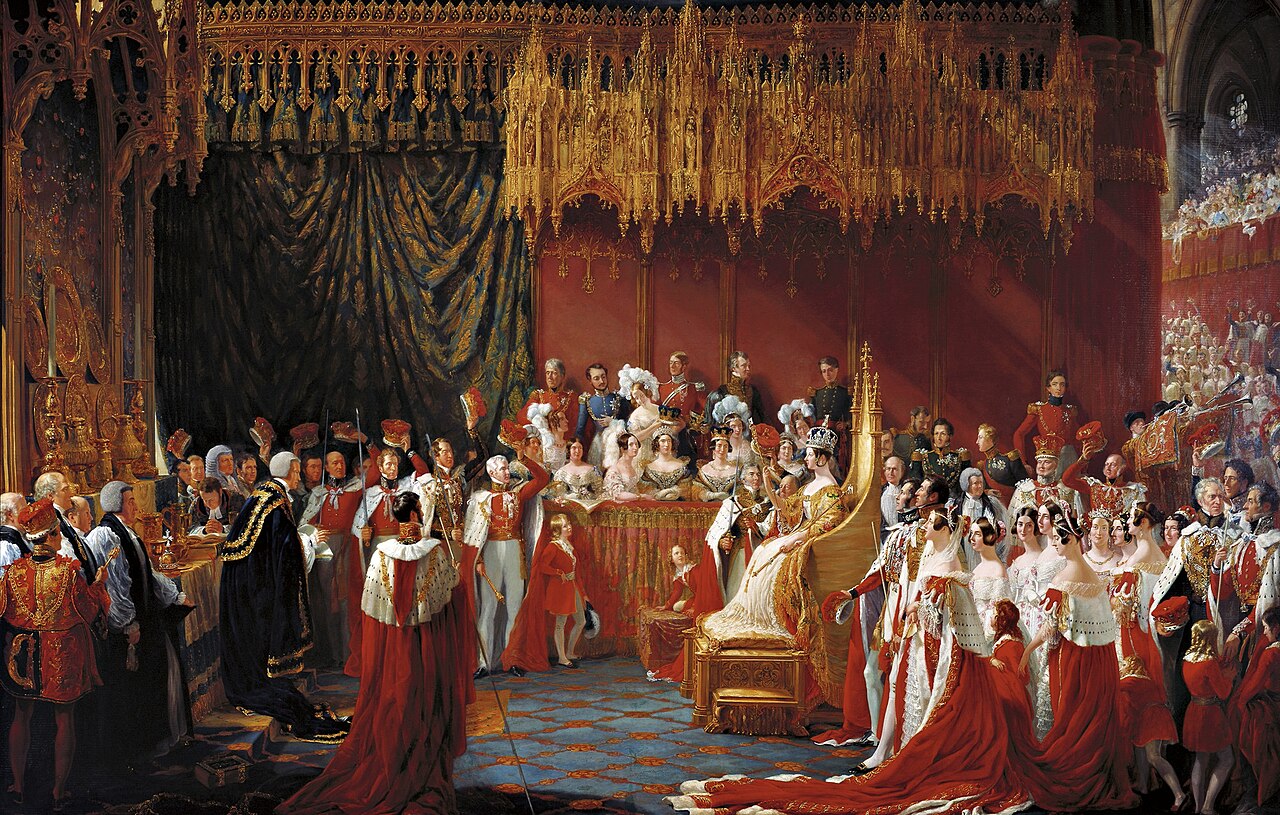
The Coronation of Queen Victoria in Westminster Abbey
George Hayter · 1838-1839
 Painting
Primary source
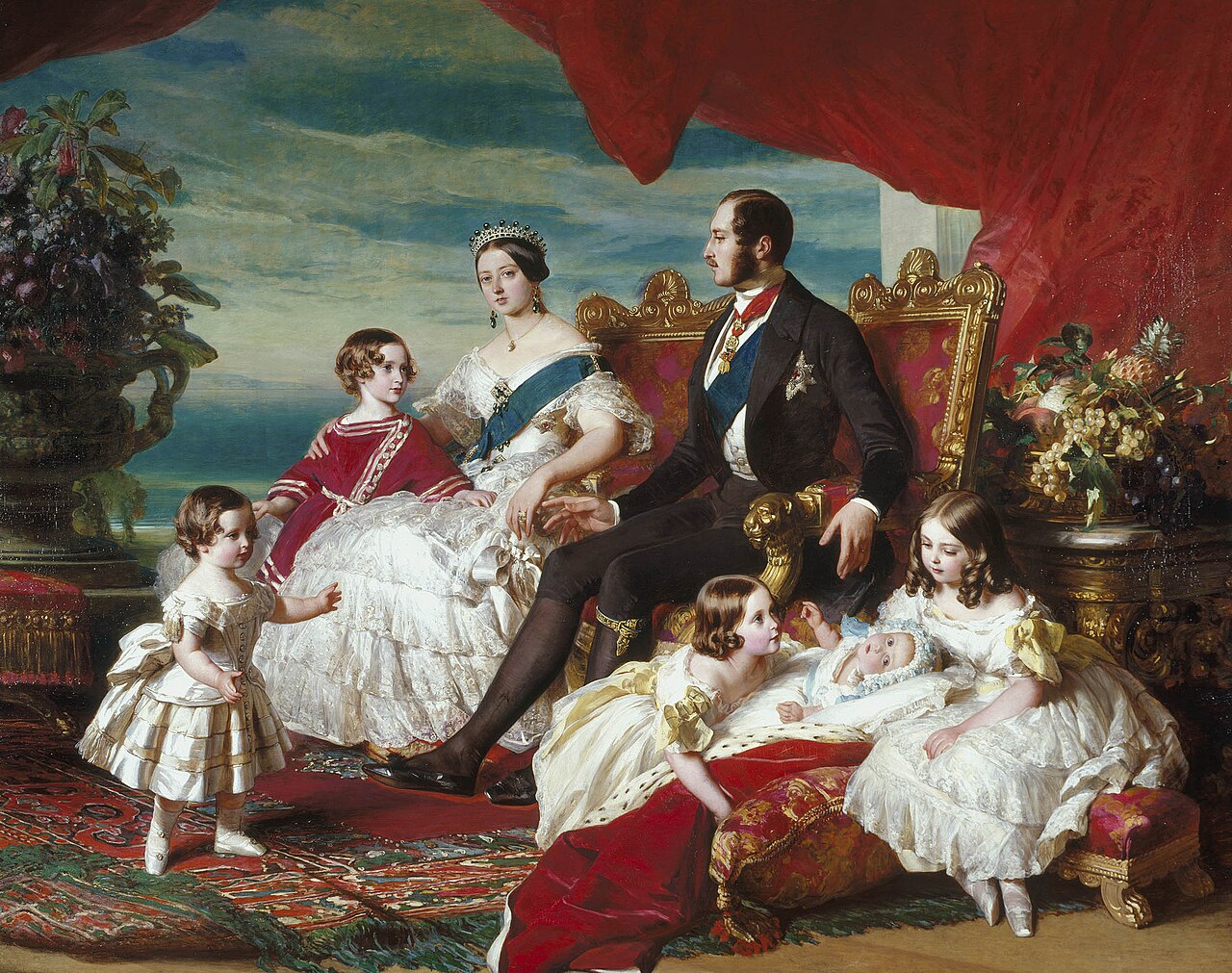
The Royal Family in 1846
Franz Xaver Winterhalter · 1846-1847
 Artifact
Primary source
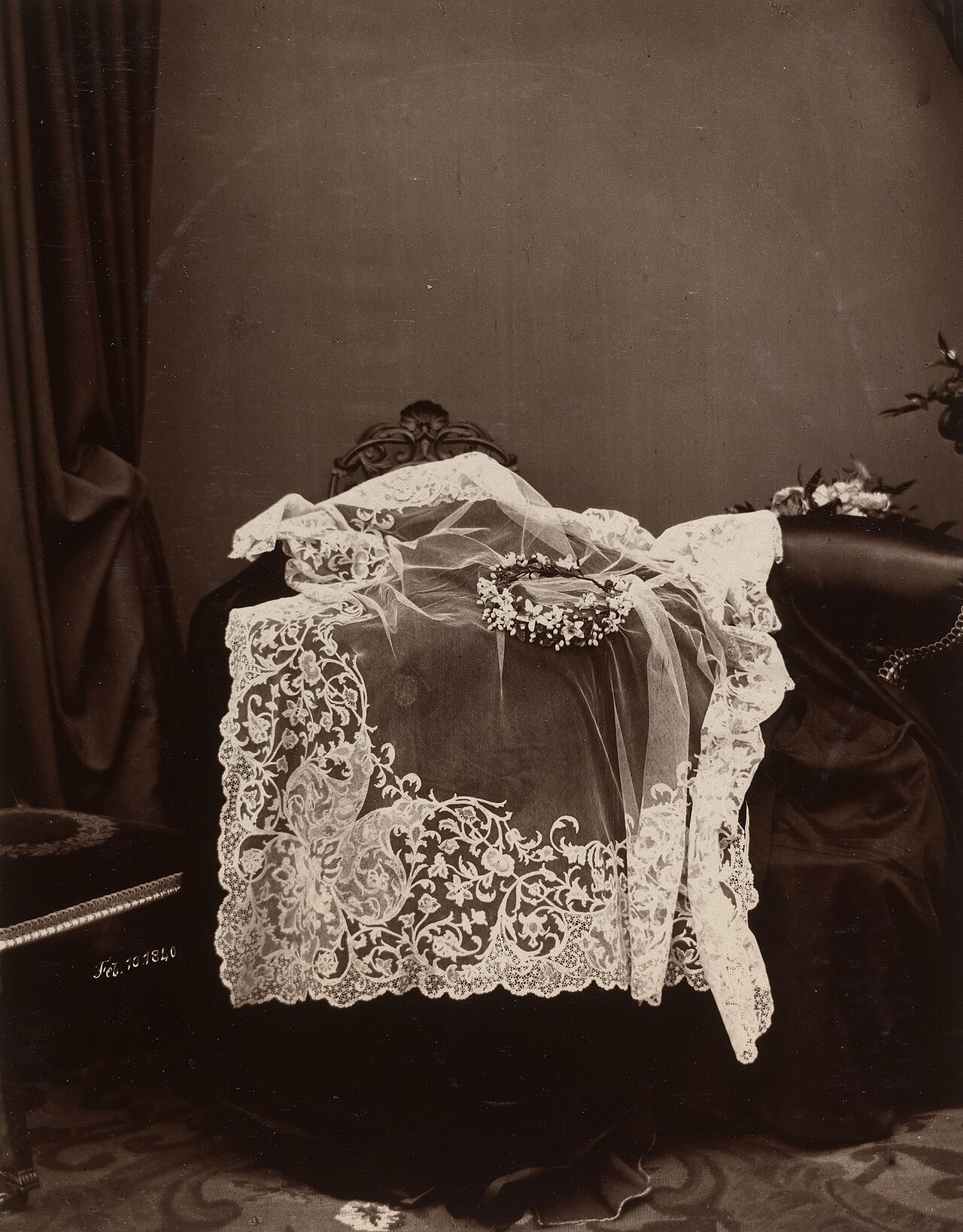
Wedding Dress of Queen Victoria
1840
Ready when you are
Start chatting with Queen Victoria now.
20 messages free · No credit card · Available in 50+ languages.