


Primary sourceBook1721
Persian Letters
Montesquieu · 1721
An anonymous 1721 satirical novel in letters by Montesquieu, using two fictional Persian travellers to mock French society.
The satirical novel, written anonymously by him, that first made him a celebrated author.
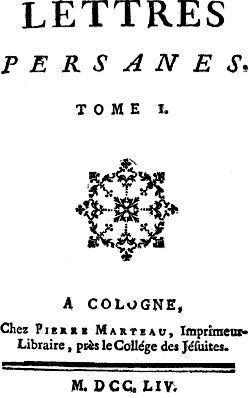
About this source
What it is
This is the title page of an edition of Lettres persanes, a satirical epistolary work published anonymously in 1721 by Montesquieu. It tells the story of two Persian noblemen, Uzbek and Rica, travelling and living in France.
Why it matters
Through letters exchanged between the travellers, their friends, and Uzbek's wives and eunuchs left behind in his seraglio, the book satirises French politics, religion and manners under Louis XIV and the Regency. It made Montesquieu's reputation as a writer years before his later political works, and shows his early interest in how different societies and customs compare.
Look closer
- Why might Montesquieu have used fictional foreign observers to criticise French society instead of writing directly?
- What does the choice of letters as a form let the author do that a straightforward essay could not?
- What does the treatment of the wives and eunuchs in the story suggest about attitudes of the time?
This book is part of the curated material that grounds the AI version of Baron de Montesquieu on Humy.ai — when students ask about related events, the AI can quote it and cite it.
More Baron de Montesquieu sources
Meet the AI Baron de Montesquieu →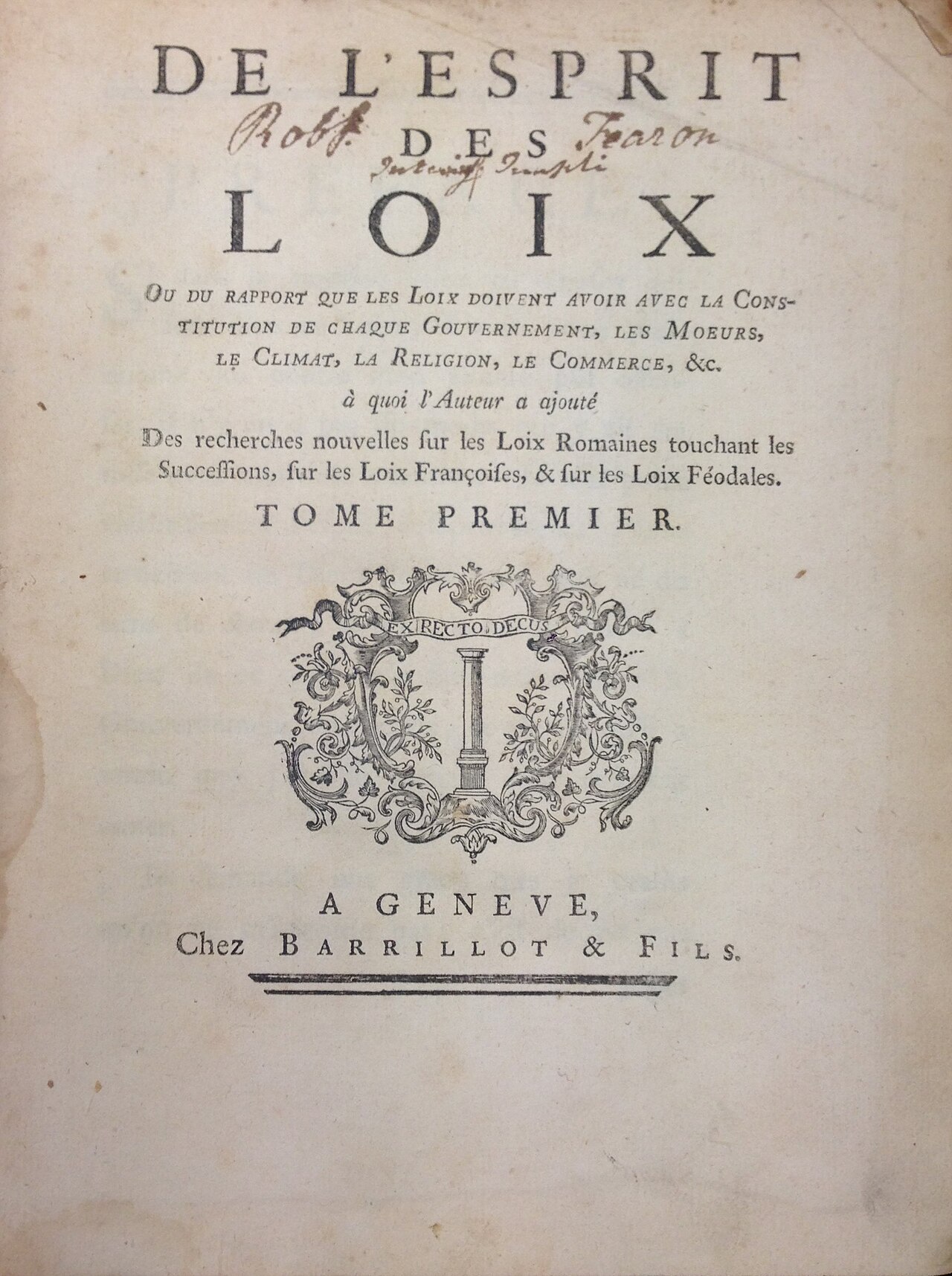 Book
Primary source
The Spirit of the Laws
Montesquieu · 1748
 Book
Primary source
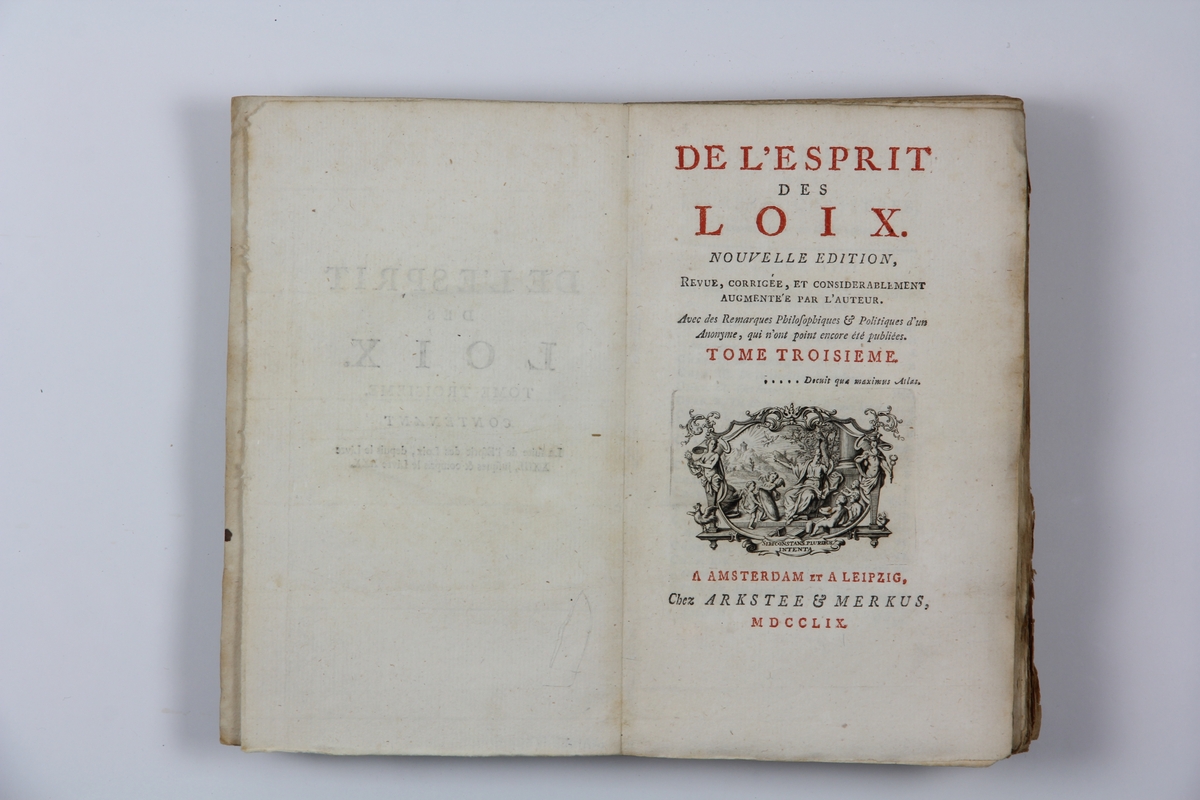
De l'esprit des loix (volume III), Amsterdam and Leipzig, 1759
Montesquieu · 1759
 Book
Primary source
Considerations on the Causes of the Greatness of the Romans and their Decline
Montesquieu · 1734
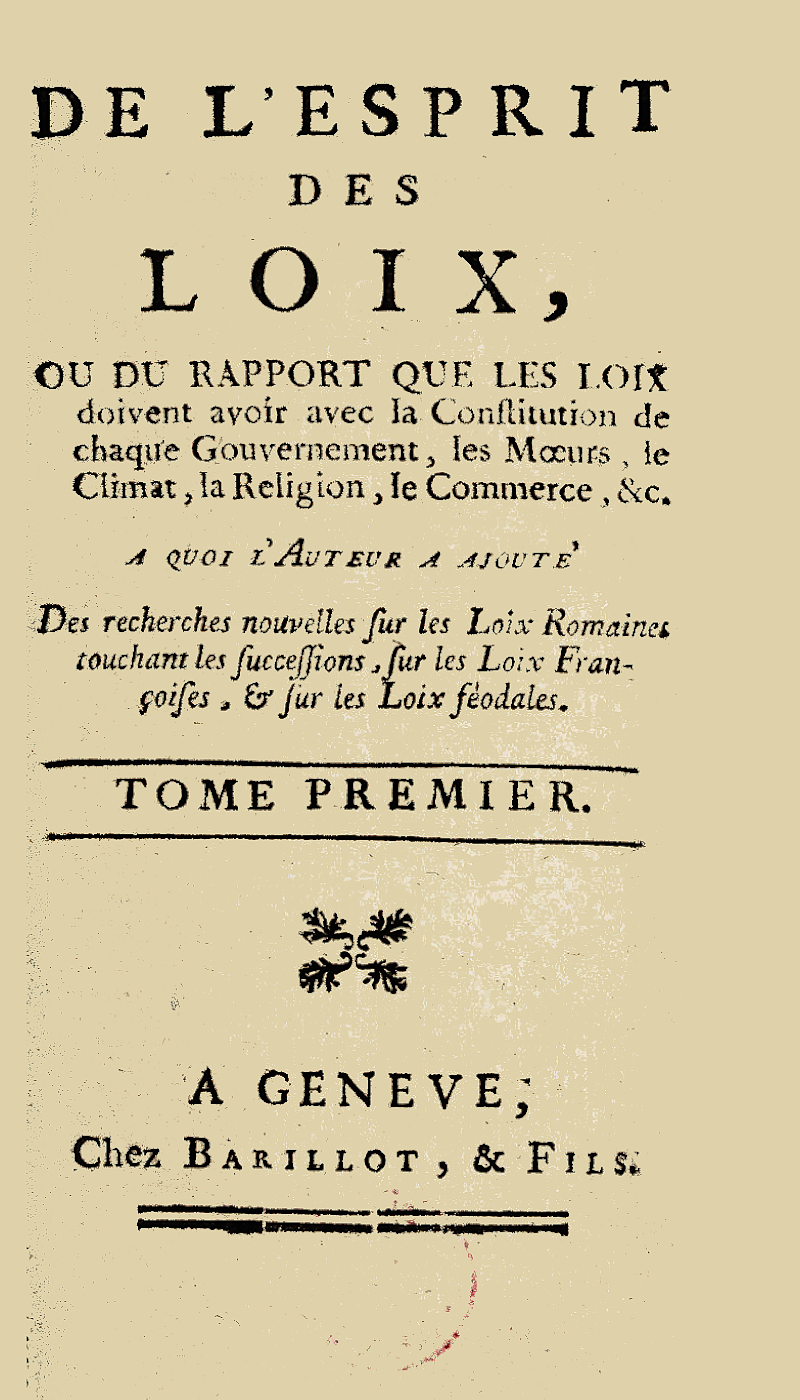 Document
Primary source
De l'Esprit des loix, Volume 1, Title Page
Montesquieu · 1748-1750
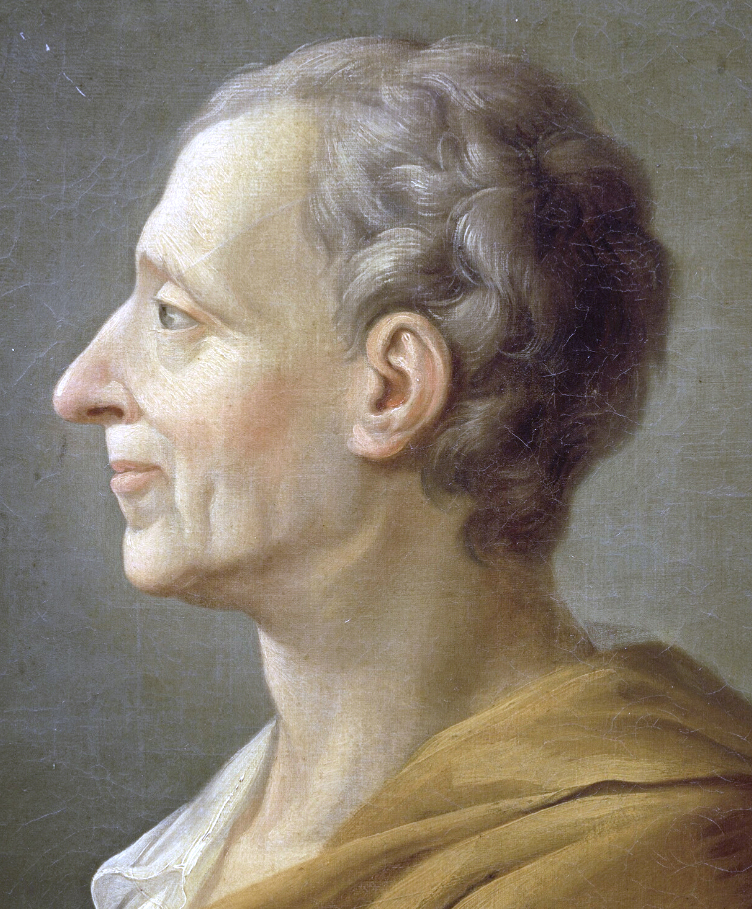 Painting
Secondary source
Charles Montesquieu
After Jacques-Antoine Dassier · after 1753
Ready when you are
Start chatting with Baron de Montesquieu now.
20 messages free · No credit card · Available in 50+ languages.