


Secondary sourceDocument
Persuading a President: Jimmy Carter and American Troops in Korea
A CIA Reading Room study about the debate over withdrawing American troops from Korea during Jimmy Carter's presidency.
This study examines how Carter's decisions on American troops in Korea were shaped by intelligence debates, which is why it appears in his archive.
About this source
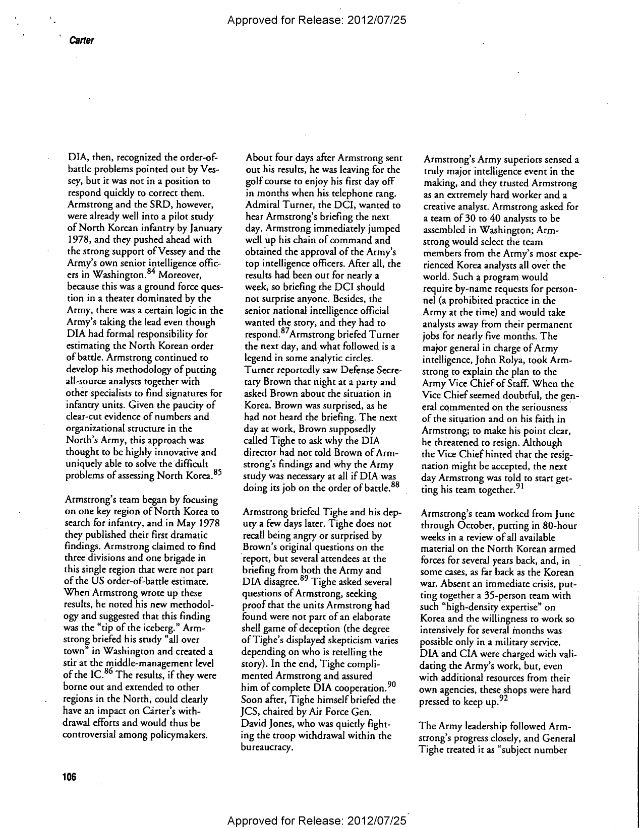
What it is
This is a CIA document released through the CIA Reading Room and titled Persuading a President: Jimmy Carter and American Troops in Korea. What students read here is a scanned PDF copy from the Internet Archive. The date given in the catalogue is unreliable, so the publication date is unknown. The text describes intelligence work on North Korean infantry, including a pilot study that was already under way by January 1978 and a May 1978 set of findings.
Why it matters
The document shows how intelligence officials gathered and argued over evidence about North Korea's ground forces while the Carter administration weighed reducing American troops in South Korea. It names figures such as Vessey and Armstrong, who pushed the analysis forward. It shows that policy debates depended on contested military estimates, not only on the president's own decisions.
Look closer
- Who does the document present as the main source of the new analysis, and why?
- Why might an agency report about a president be written decades later, and how might that affect its view?
- What evidence does the document rely on, and what questions does it leave open?
This document is part of the curated material that grounds the AI version of Jimmy Carter on Humy.ai — when students ask about related events, the AI can quote it and cite it.
More Jimmy Carter sources
Meet the AI Jimmy Carter →Primary source
The Crisis of Confidence
Jimmy Carter · 15 July 1979
Primary source
Camp David Accords
17 September 1978
 Document
Primary source
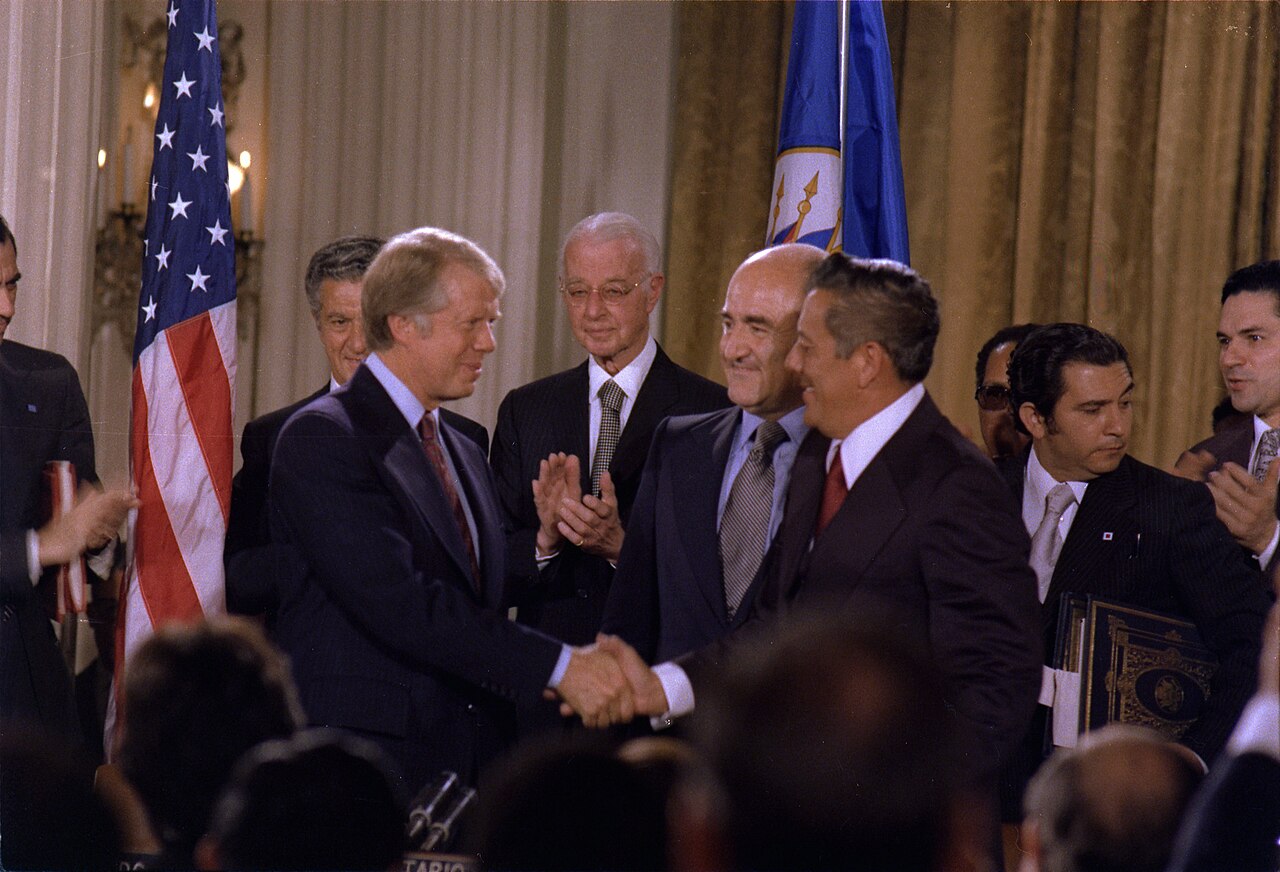
Torrijos–Carter Treaties
7 September 1977
Primary source
1980 State of the Union Address
Jimmy Carter · 23 January 1980
 Document
Primary source
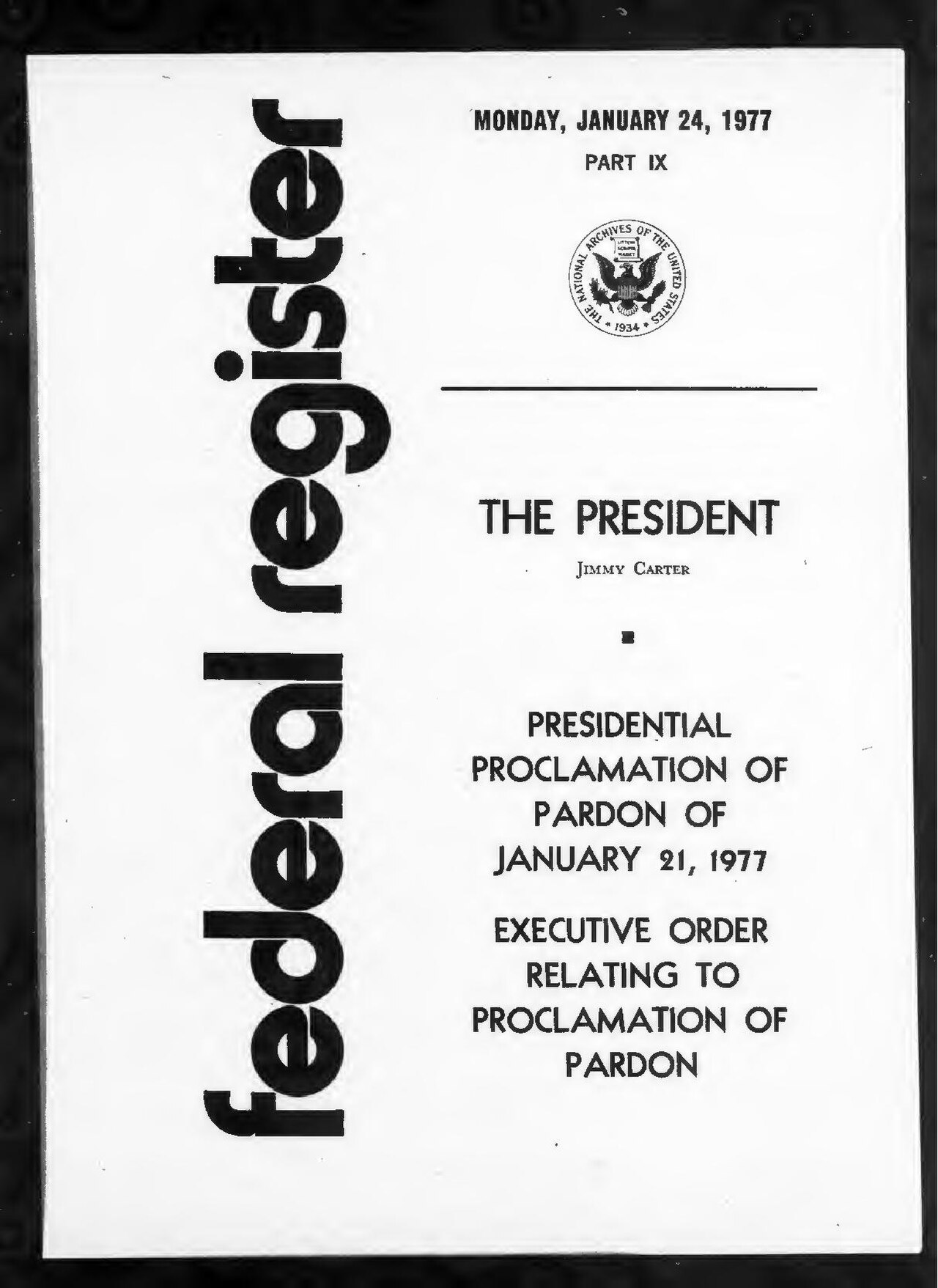
Proclamation 4483
Jimmy Carter · 21 January 1977
Ready when you are
Start chatting with Jimmy Carter now.
20 messages free · No credit card · Available in 50+ languages.