


Secondary sourceSculpture1882
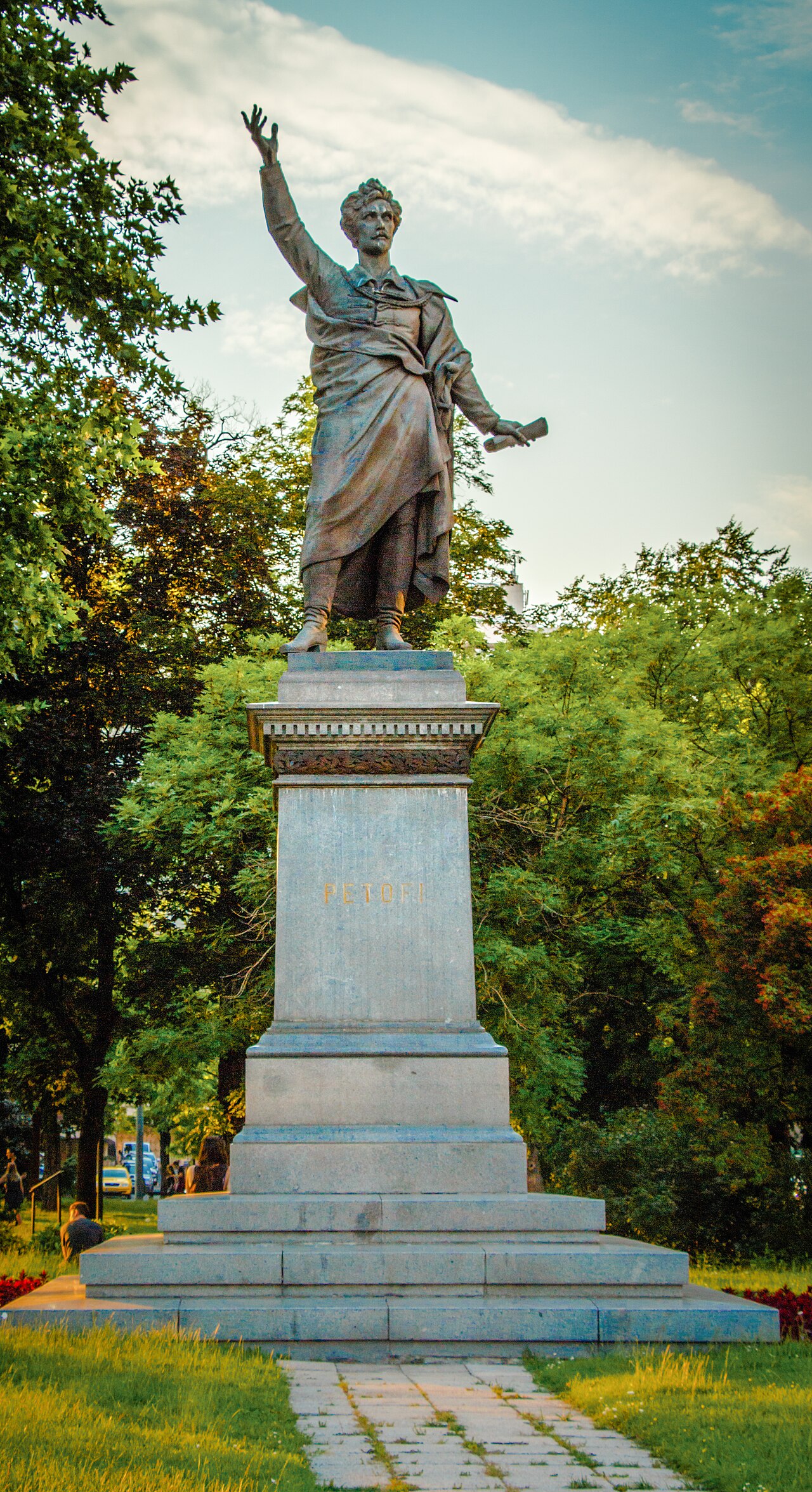
Petőfi monument
Adolf Huszár · 1882
A bronze statue of Sándor Petőfi in Budapest, created in 1882 by Adolf Huszár.
This statue commemorates Petőfi and became a gathering point for Hungarian national protest movements.
About this source
What it is
This is a bronze statue of Sándor Petőfi created by the sculptor Adolf Huszár, erected in Budapest in 1882. It shows a young man with wavy hair, one arm raised, holding a scroll, standing on a tall stone pedestal inscribed with his name.
Why it matters
Decades after his death, this statue became a symbolic site for Hungarians. It served as a rallying point for the annual 15 March commemorations of the 1848 revolution Petőfi helped inspire, and famously for the 1956 anti-Soviet demonstrations. It shows how Petőfi became a lasting national symbol of freedom.
Look closer
- Why do you think the sculptor chose to show Petőfi with his arm raised?
- Why might a statue of a poet become a gathering place for political protest?
- What does the choice to build this monument decades after his death tell us about his legacy?
This sculpture is part of the curated material that grounds the AI version of Sándor Petőfi on Humy.ai — when students ask about related events, the AI can quote it and cite it.
More Sándor Petőfi sources
Meet the AI Sándor Petőfi →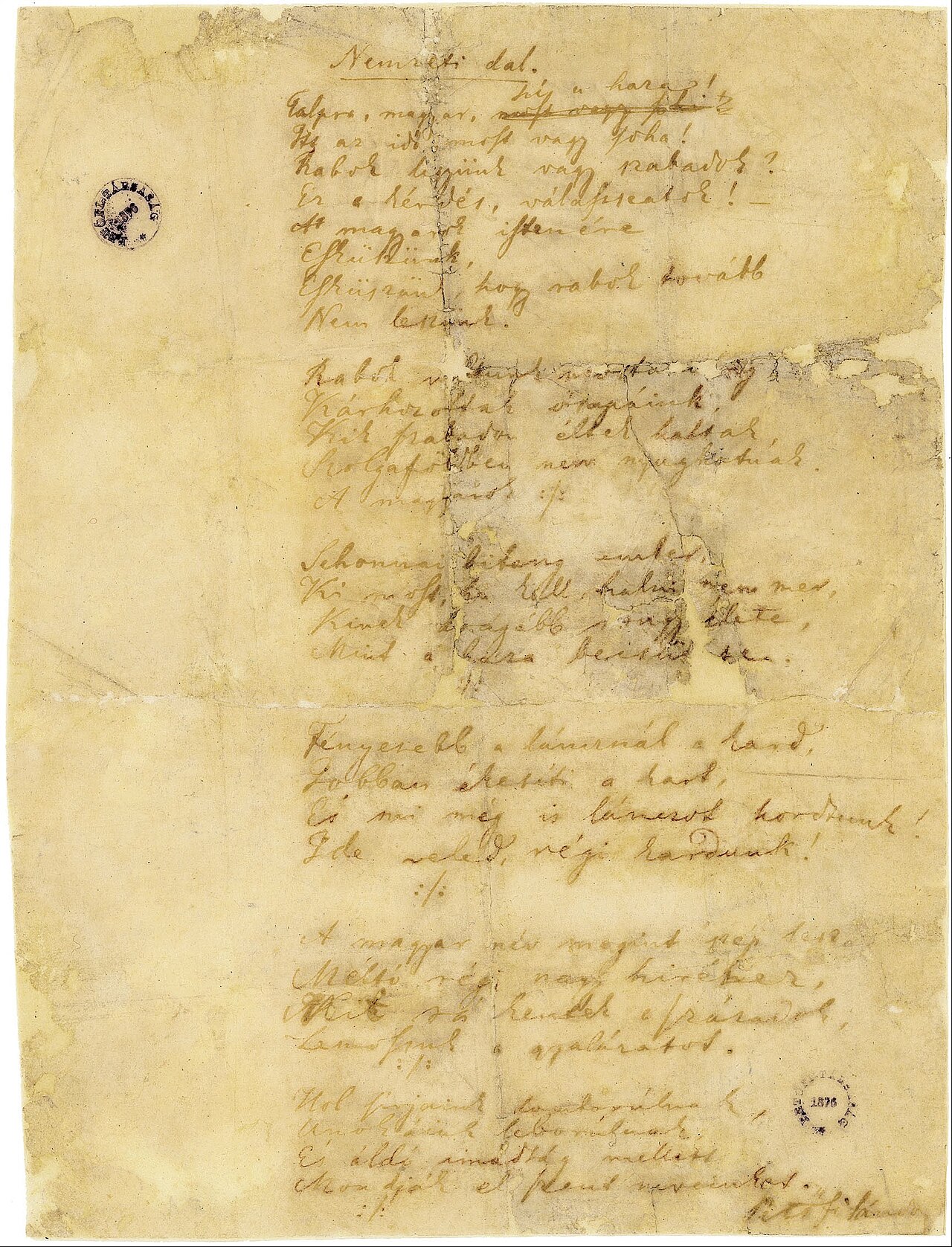 Book
Primary source
Nemzeti dal
Sándor Petőfi · 13 March 1848
 Document
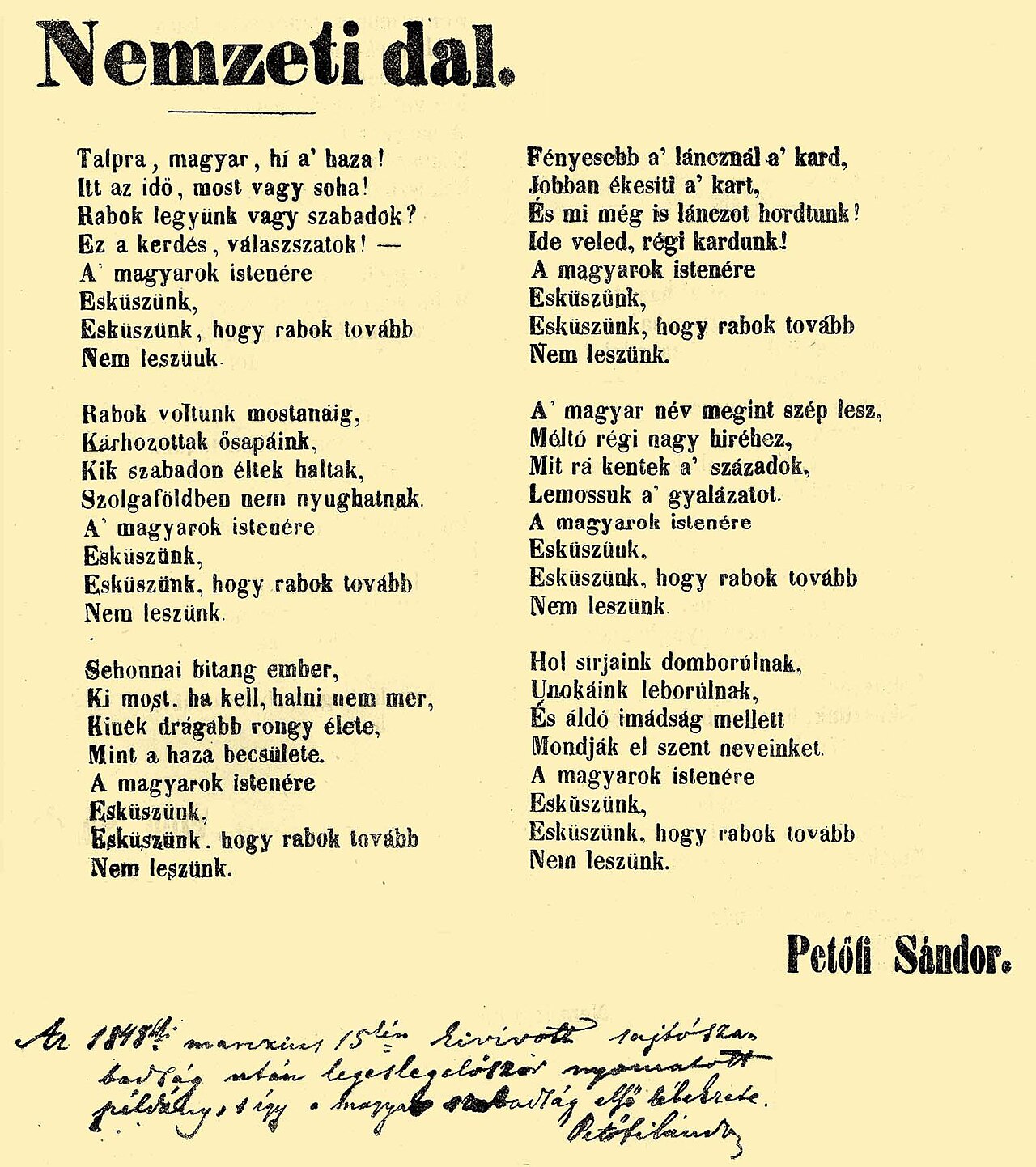
Primary source
Nemzetidal broadside
Sándor Petőfi · 15 March 1848
 Book
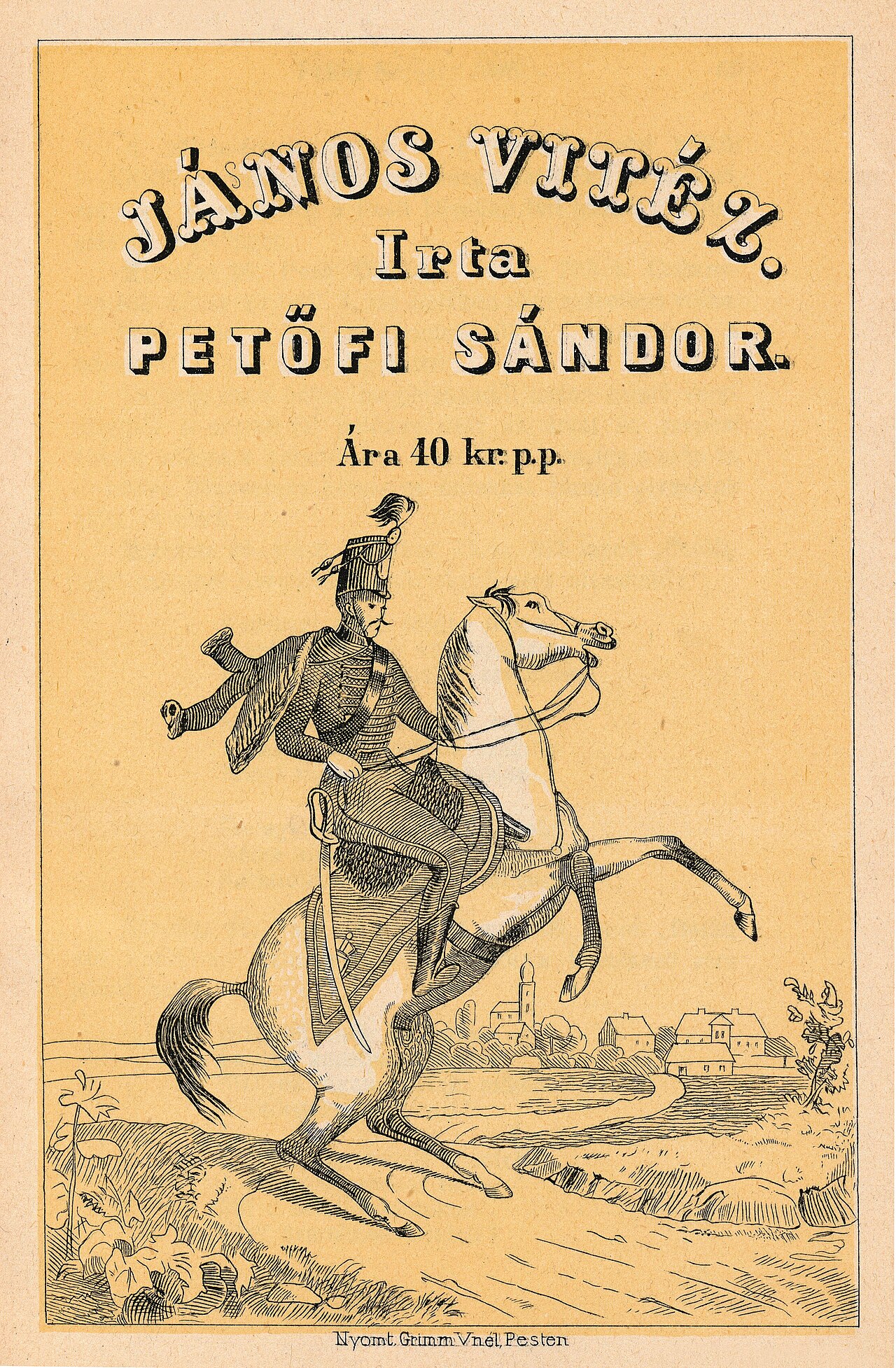
Primary source
János vitéz
Sándor Petőfi · 1845 (written 1844)
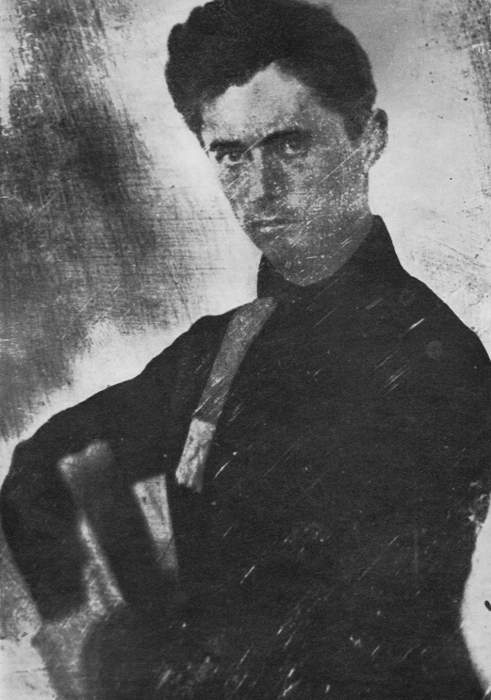 Photograph
Primary source
Sándor Petőfi
Gábor Egressy · 1844
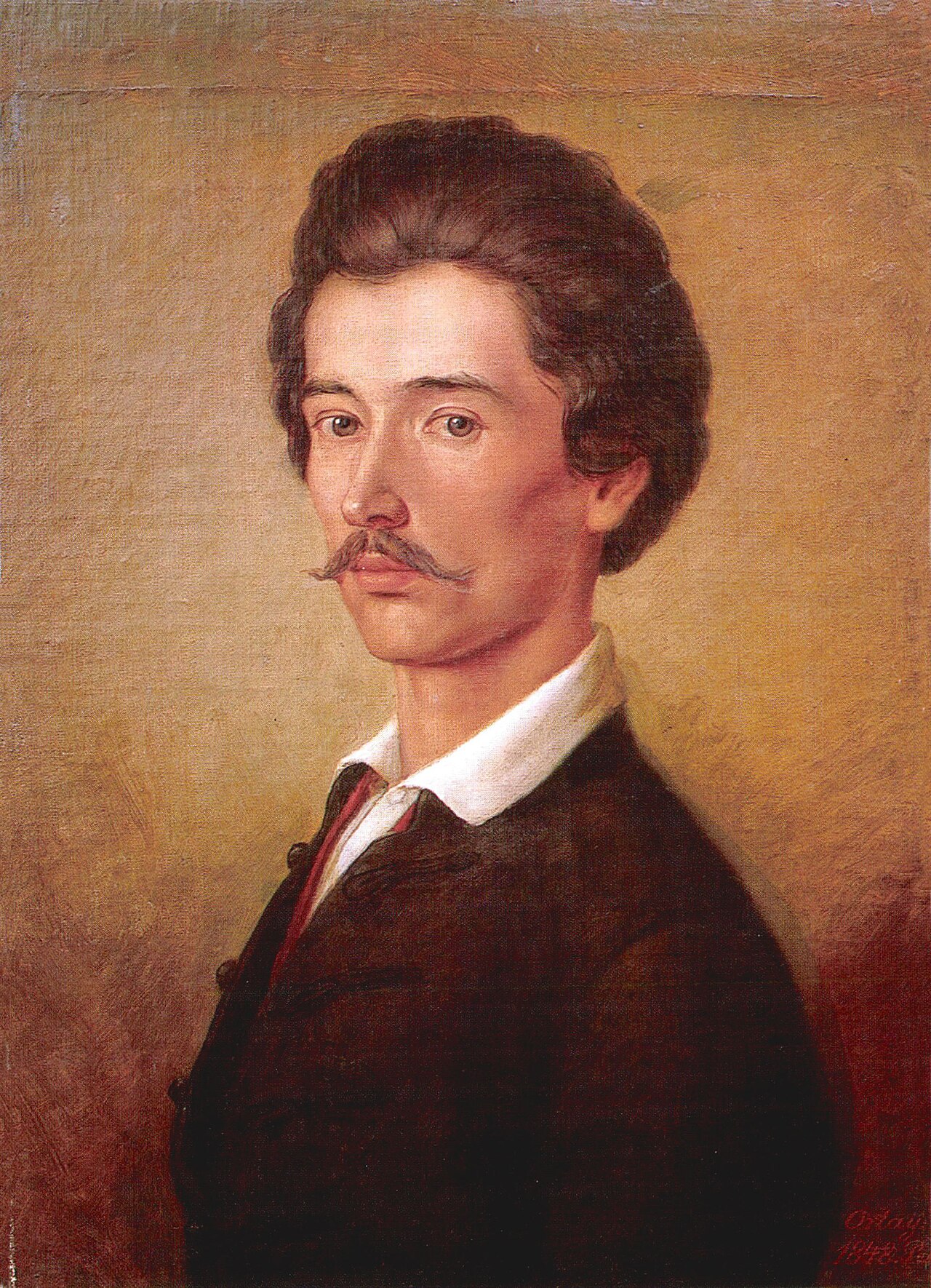 Painting
Primary source
Portrait of Sándor Petőfi
Orlai Petrich Soma
Ready when you are
Start chatting with Sándor Petőfi now.
20 messages free · No credit card · Available in 50+ languages.