


Primary sourceDocument1856
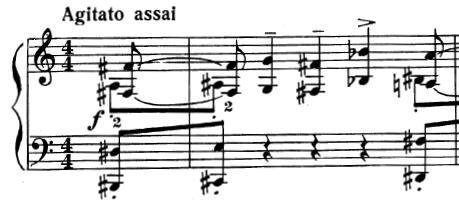
Petrarch's Sonnet 104 (opening score)
Franz Liszt · 1856
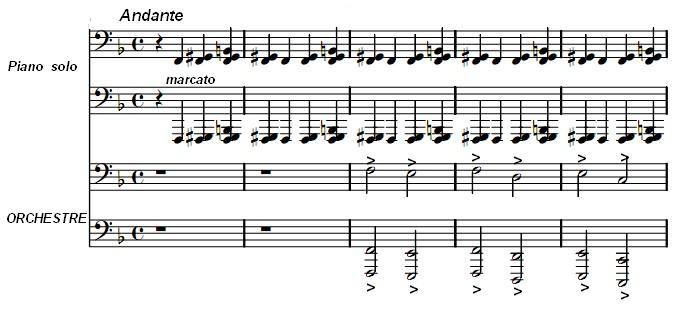
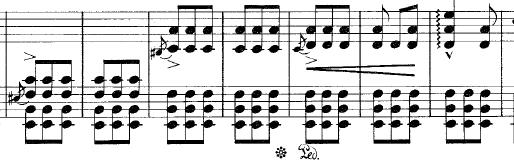
The opening bars of Liszt's 1856 piano setting of Petrarch's Sonnet 104, shown as a score. It reflects his interest in literature.
Shows Liszt drawing on a Petrarch sonnet, linking his piano music to literature.
About this source
What it is
This is a score image of the opening bars of a piano piece by Franz Liszt, based on Petrarch's Sonnet 104. The image shows the marking Agitato assai, 4/4 time, and a treble and bass staff. The treble clef has chords with sharps and flats, a dynamic marking f and a sforzato accent. The facts date the work to 1856.
Why it matters
Petrarch was an Italian poet of the fourteenth century whose sonnets were widely admired. Liszt drew on poetry and literary ideas in much of his music, and in this piece he turned a poem into a work for the piano. The score lets students see how a famous poem could shape the mood and drama of a piano piece.
Look closer
- What do the agitato marking and the sforzato accent suggest about the mood of the poem?
- How might a listener know what the sonnet is about from the music alone?
- What does this excerpt leave out about the poem and the rest of the piece?
This document is part of the curated material that grounds the AI version of Franz Liszt on Humy.ai — when students ask about related events, the AI can quote it and cite it.
More Franz Liszt sources
Browse all 87 →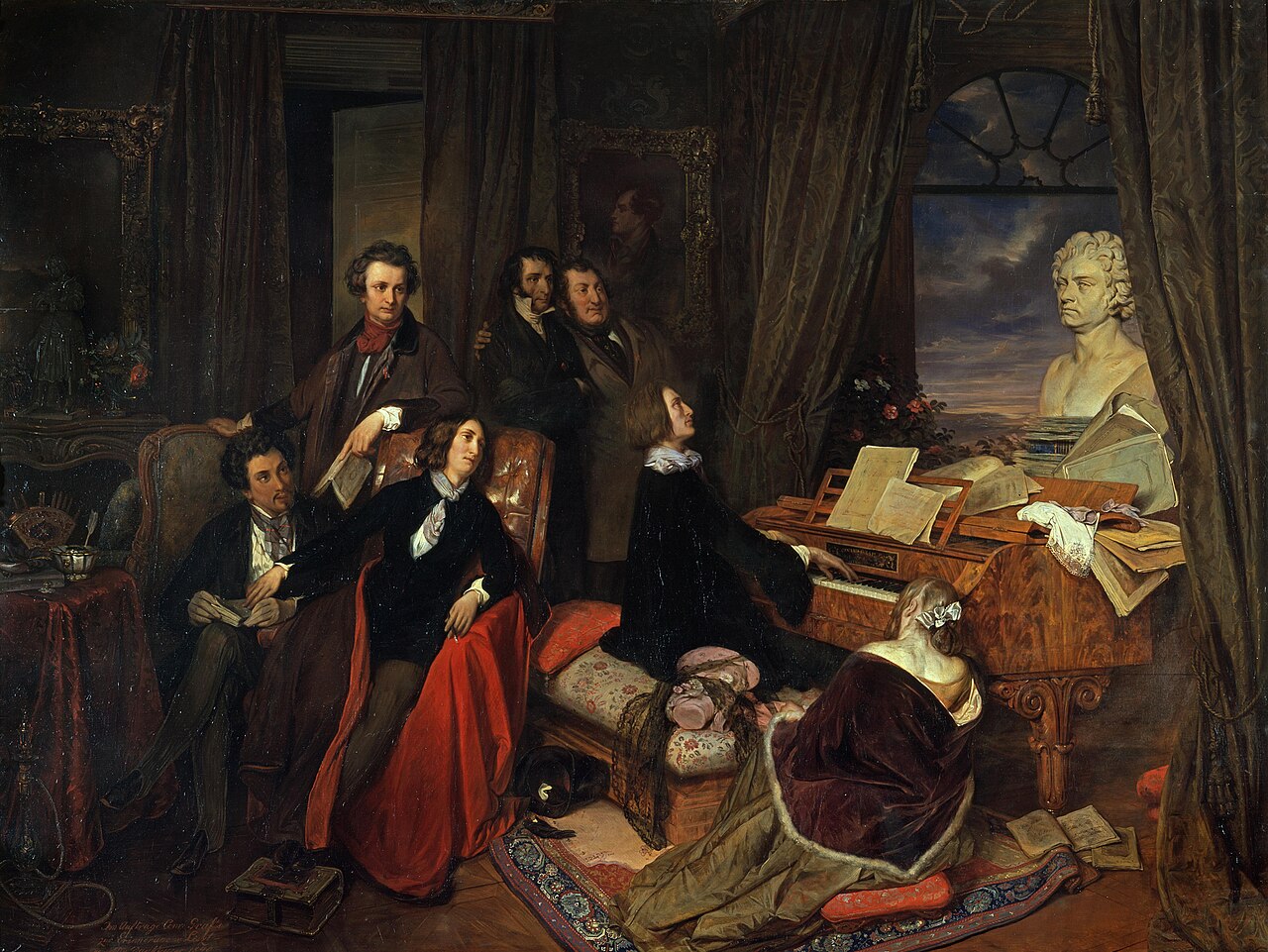 Painting
Secondary source
Liszt at the Piano
Josef Danhauser · 1840
Secondary source
Life of Chopin
Franz Liszt · 1852
 Painting
Primary source
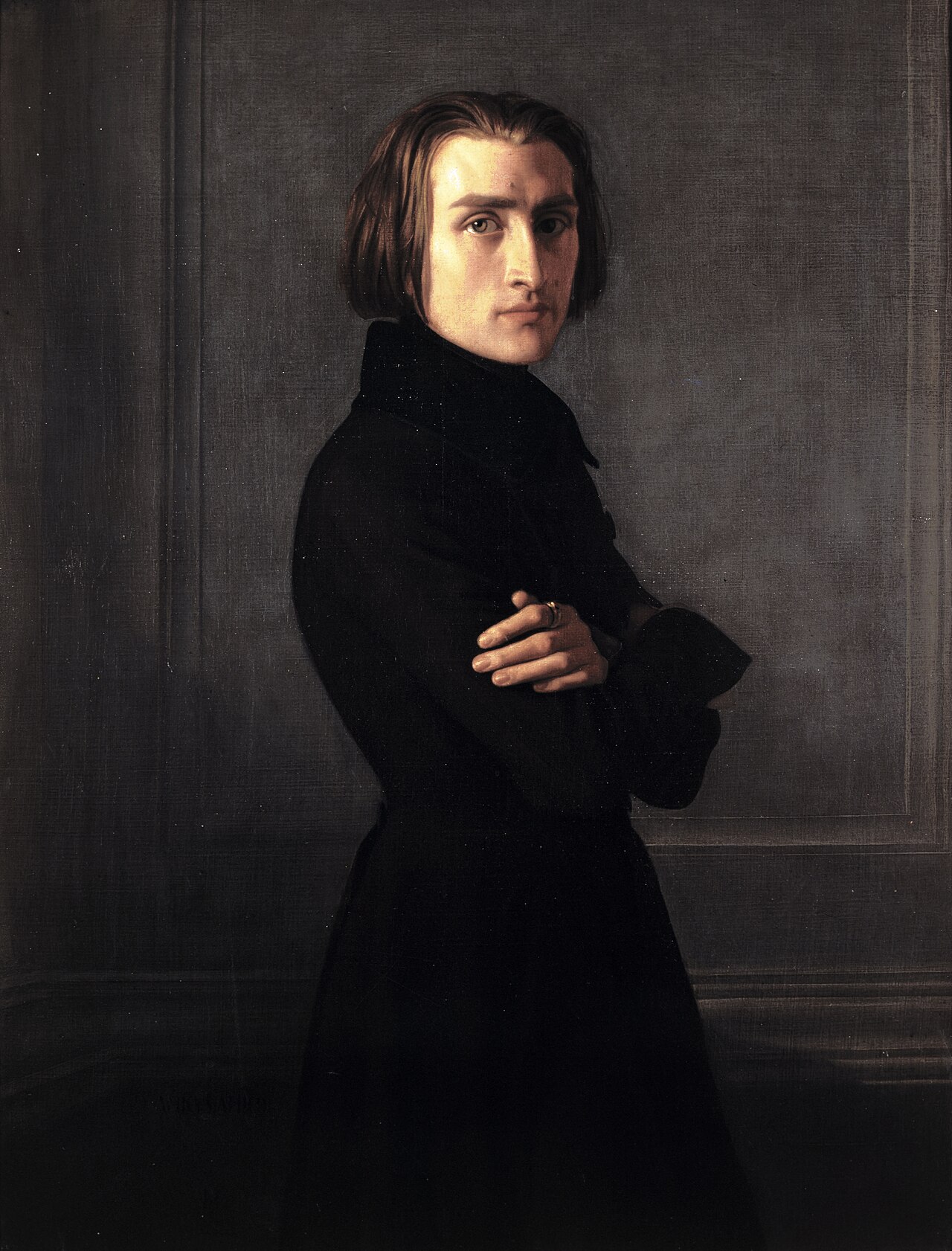
Portrait of Franz Liszt
Henri Lehmann · 1839
 Painting
Primary source
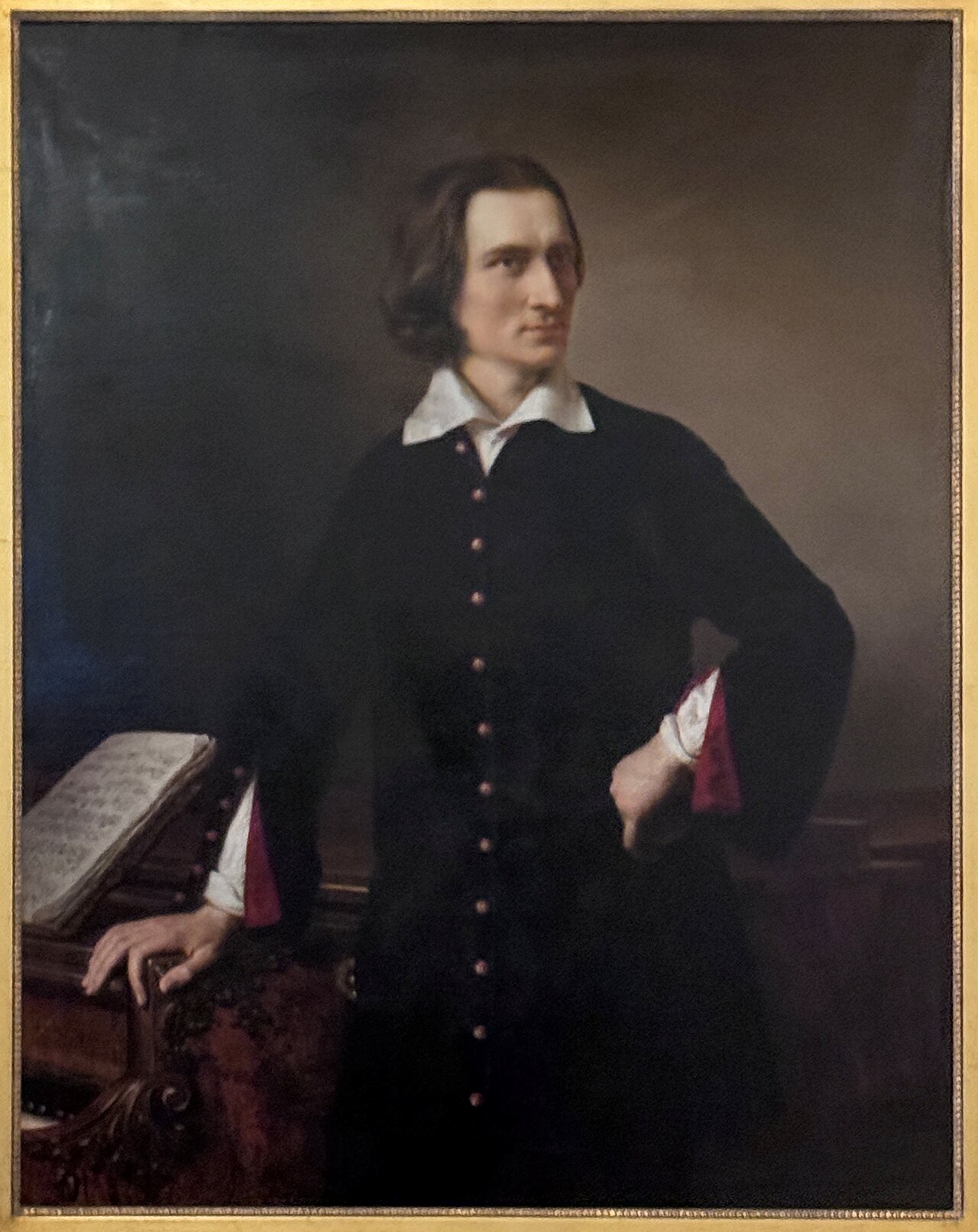
Portrait of Franz Liszt
Miklós Barabás · 1847
Free account
Read every Franz Liszt source
Sign up free →
Ready when you are
Start chatting with Franz Liszt now.
20 messages free · No credit card · Available in 50+ languages.