


Primary sourceArtifact1st century BCE
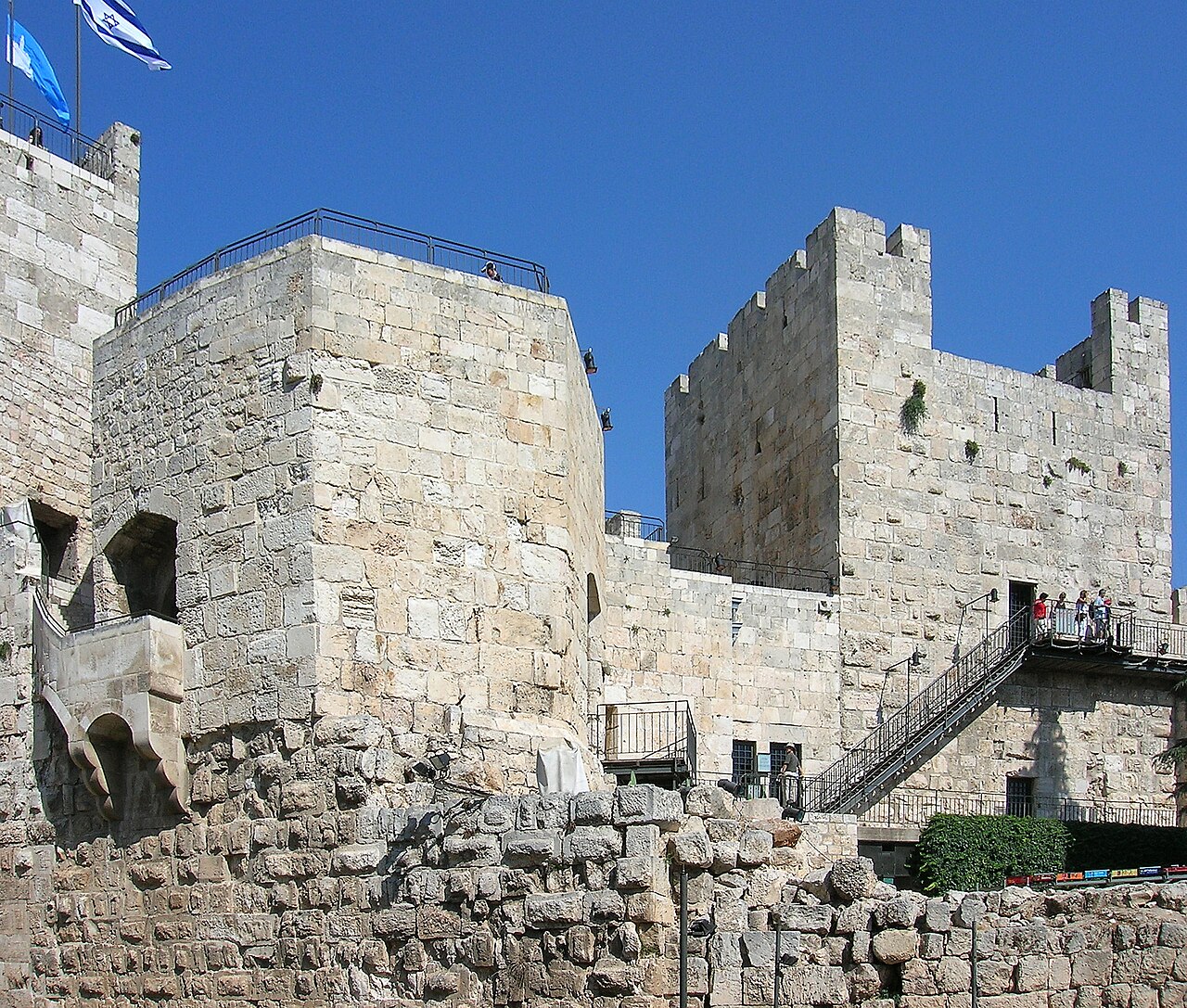
Phasael Tower
Herod the Great · 1st century BCE
A massive stone tower beside Herod's Jerusalem palace, named after his brother Phasael, now part of the Tower of David citadel.
Herod commissioned this tower, naming it after his brother Phasael, as part of his Jerusalem palace defenses.
About this source
What it is
This tower stood beside Herod the Great's royal palace in Jerusalem, part of a trio of towers he built along the city's defensive wall. Lower courses of the original stone ashlars still stand today, now incorporated into the Tower of David citadel near Jaffa Gate.
Why it matters
Herod named the tower after his brother Phasael, who died fighting the Parthians. The towers protected the main entrance to the city and Herod's palace, and could serve as a last refuge for the king. When Jerusalem was destroyed in AD 70, the Romans deliberately left these towers standing to show how strong a city their army had conquered.
Look closer
- Why might a ruler build towers that double as both decoration and a last refuge?
- What does naming a tower after a dead brother tell us about how Herod wanted to be remembered?
- Why would the Romans choose to preserve the towers instead of destroying them too?
This artifact is part of the curated material that grounds the AI version of Herod the Great on Humy.ai — when students ask about related events, the AI can quote it and cite it.
More Herod the Great sources
Browse all 87 →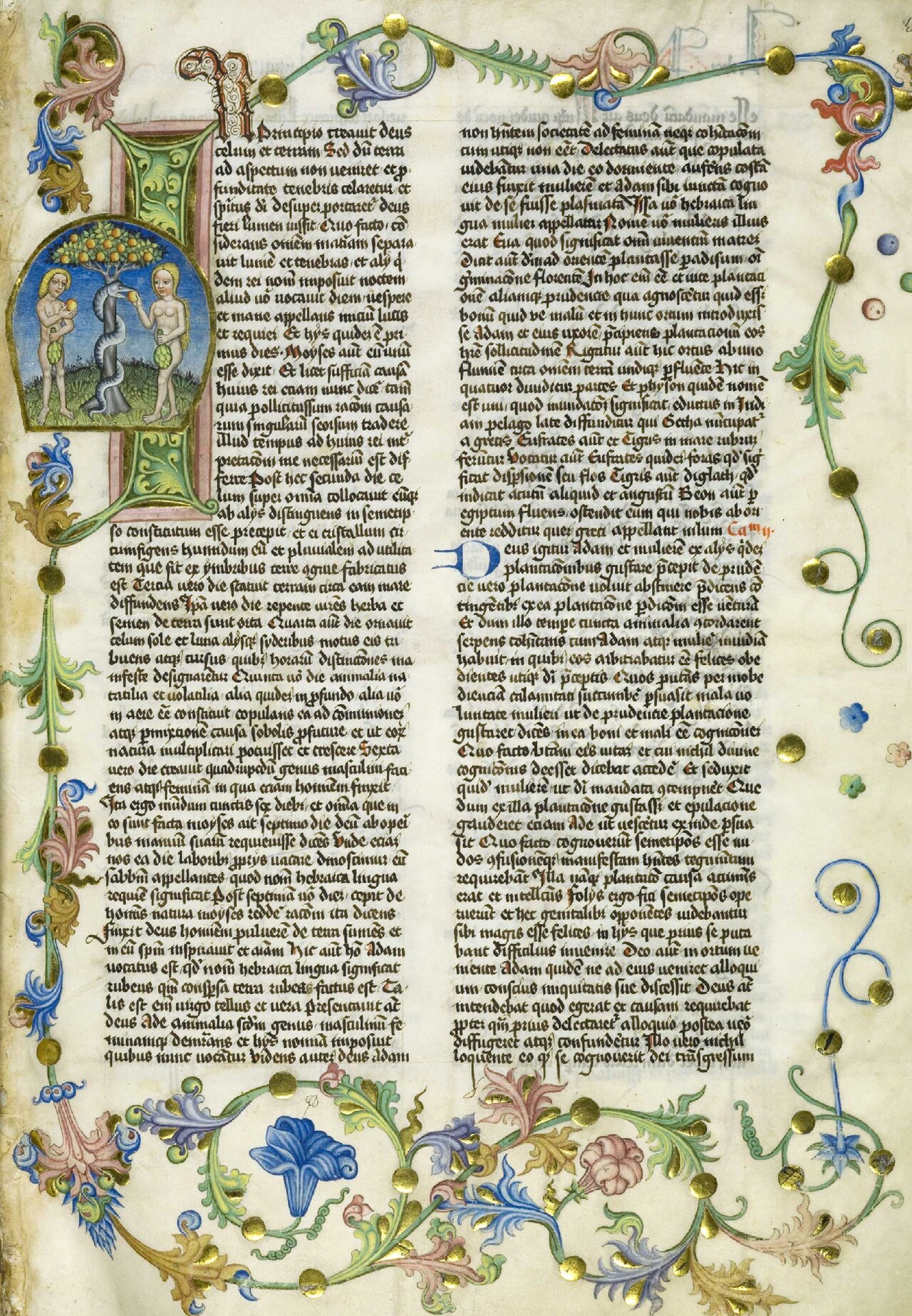 Book
Secondary source
Antiquities of the Jews
Josephus · 94 CE
 Book
Secondary source
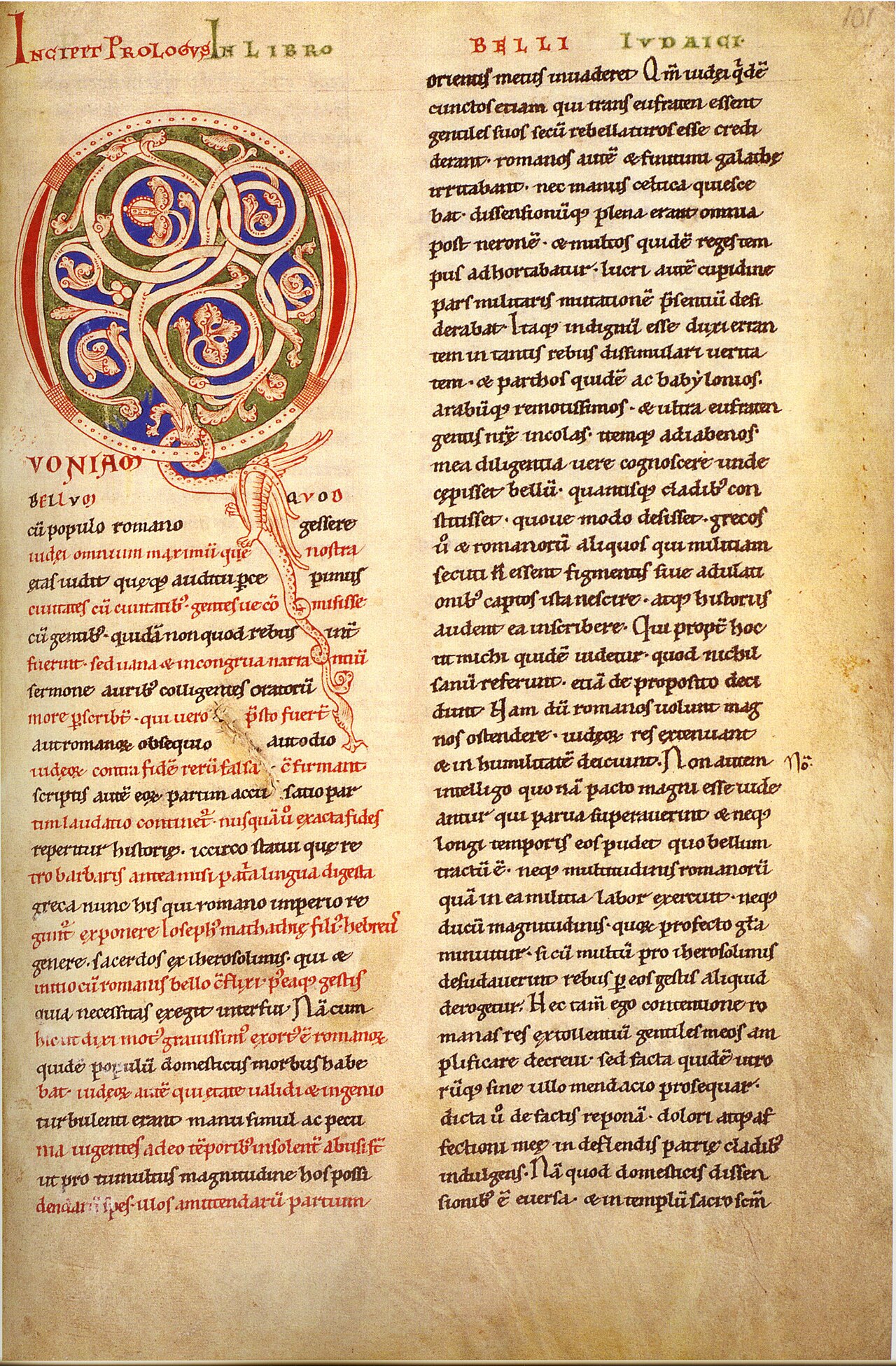
The Jewish War
Josephus · c. AD 75
 Artifact
Primary source
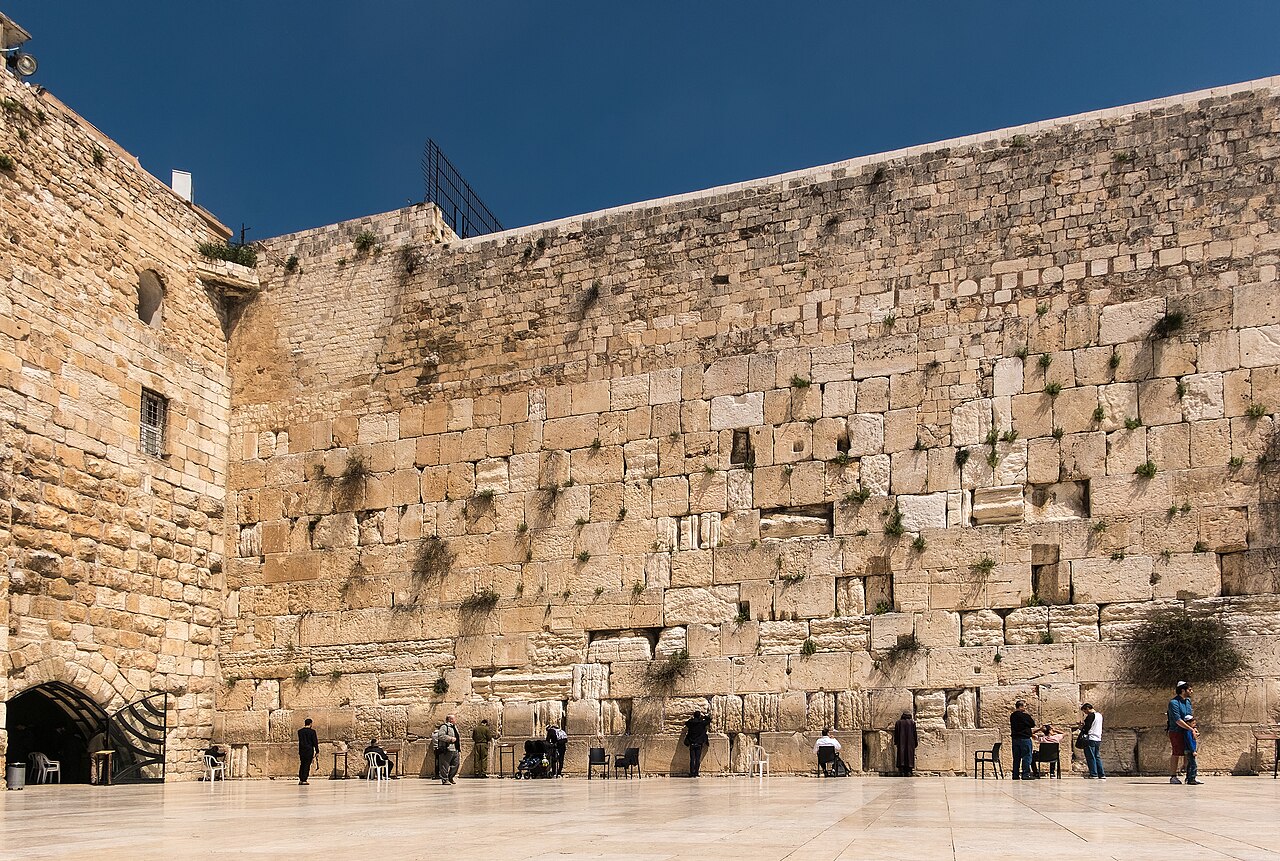
Western Wall
begun 18 BCE
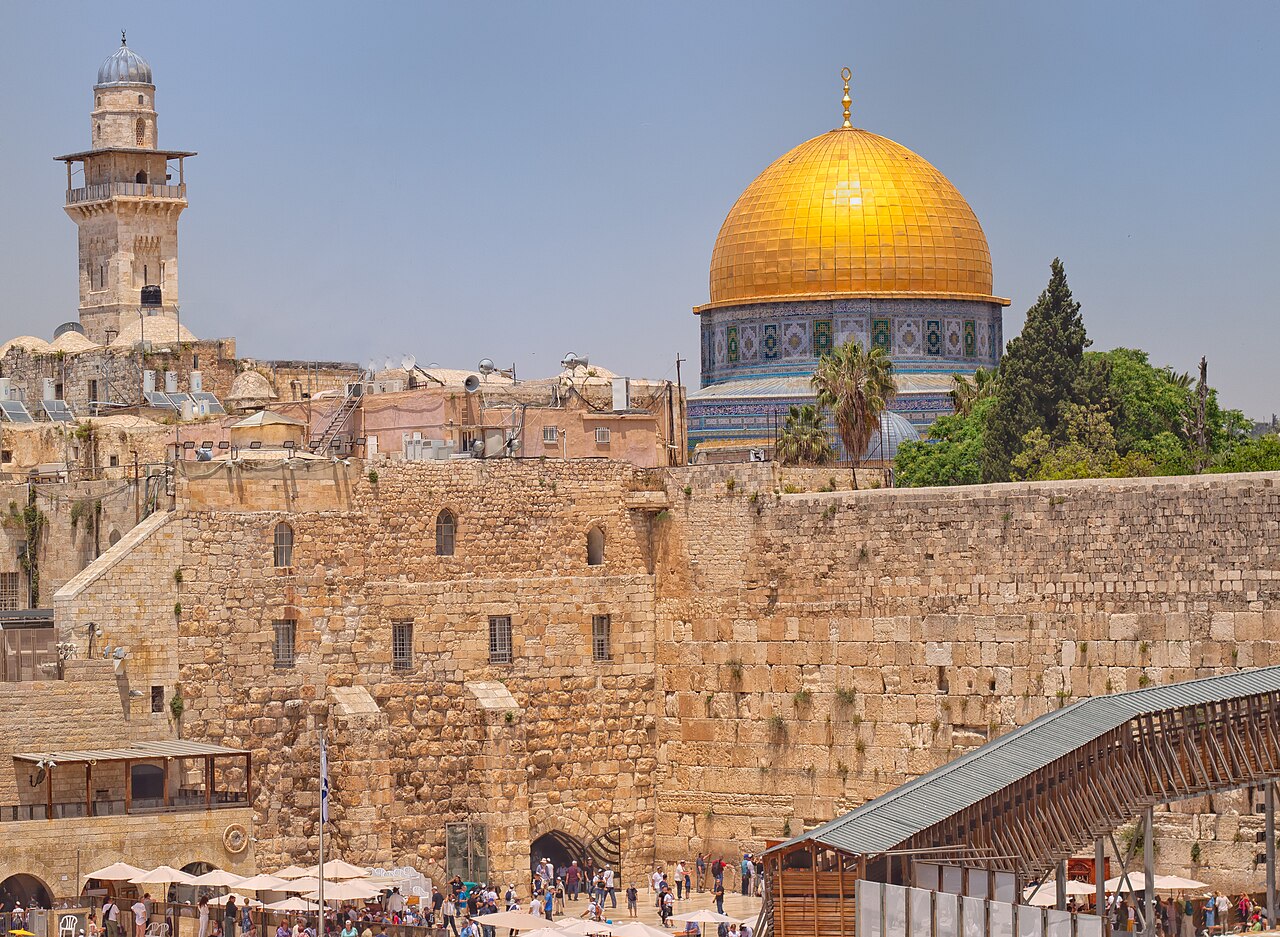 Artifact
Primary source
Herod's Temple
Builders of Herod the Great · begun c. 20-19 BCE
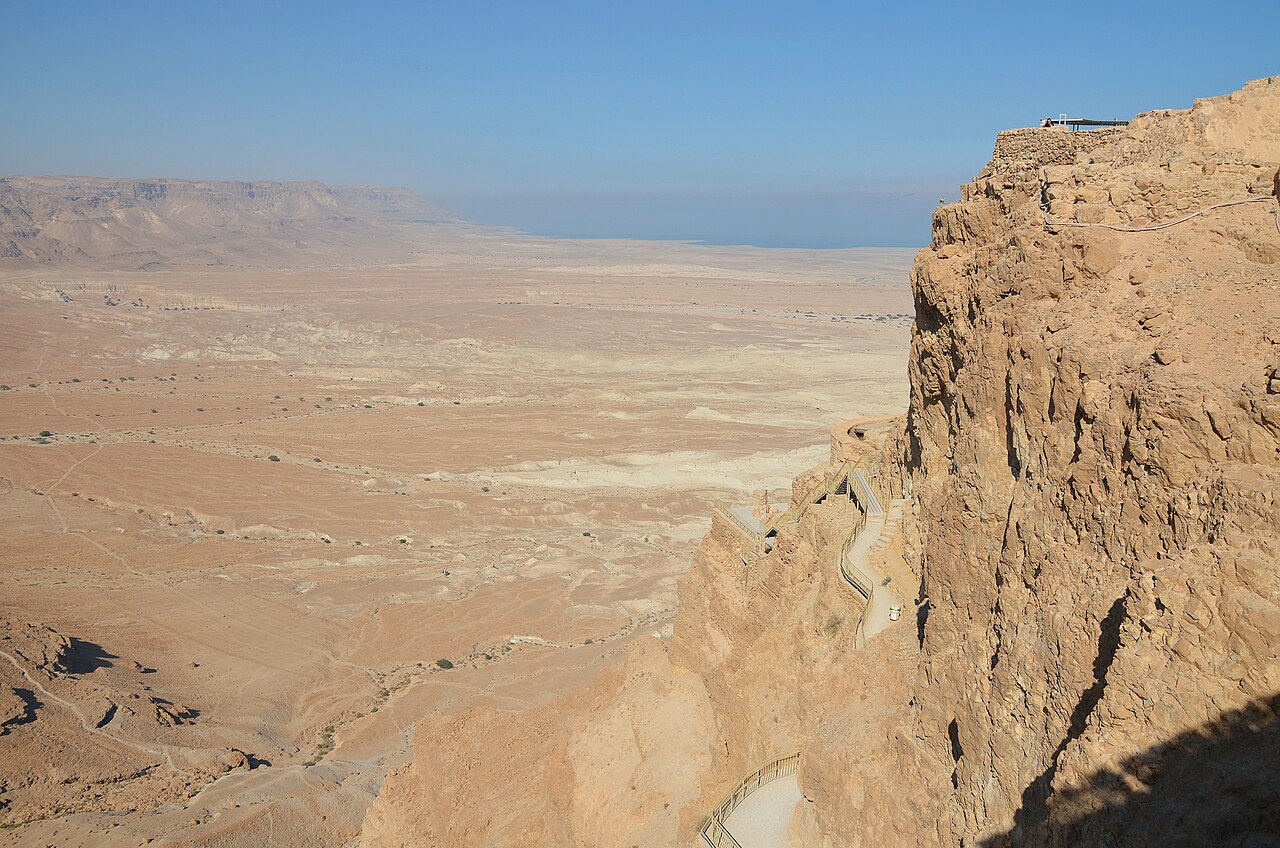
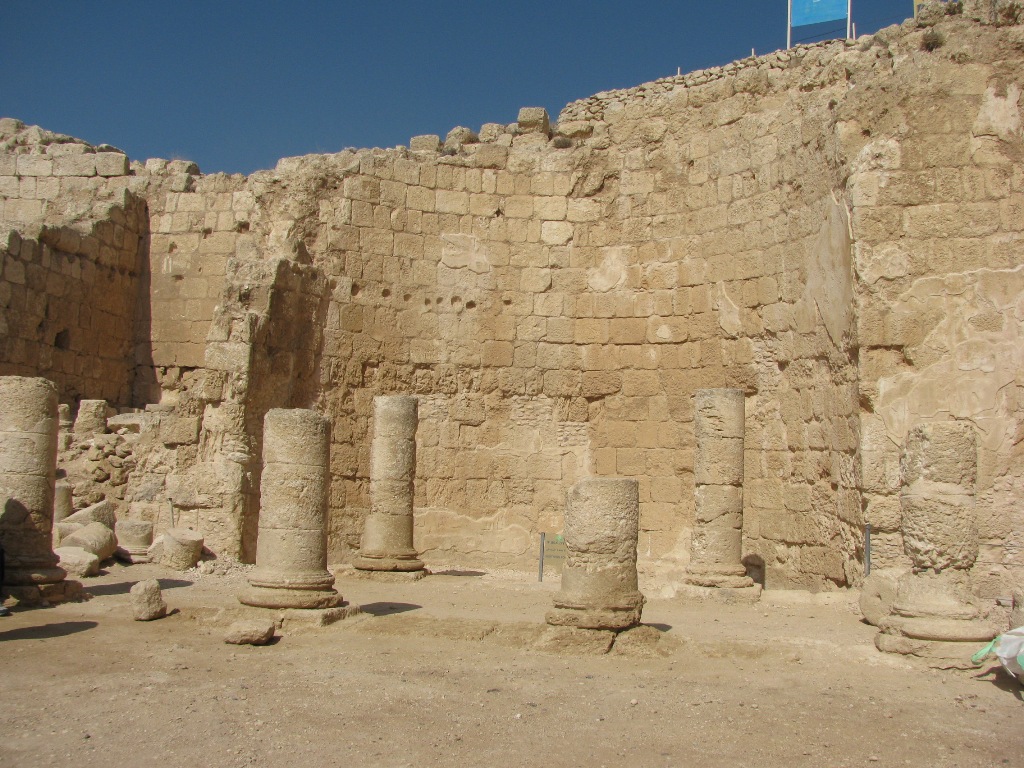
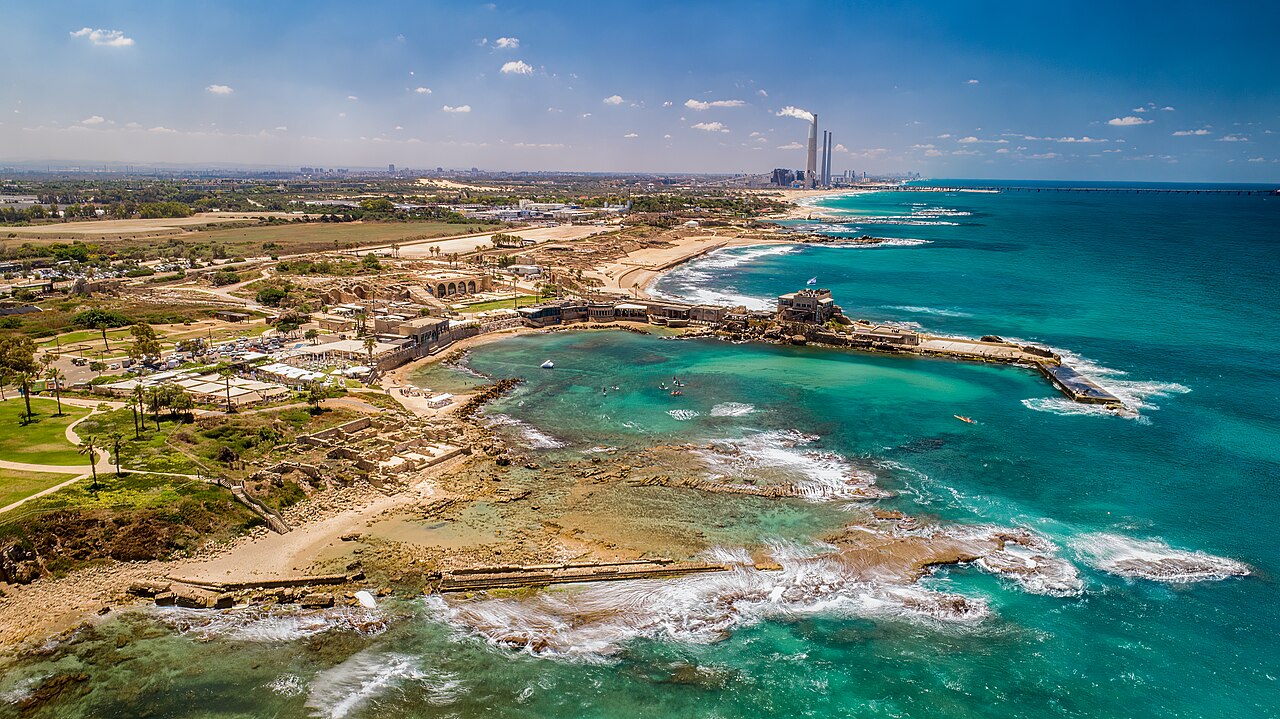
Free account
Read every Herod the Great source
Sign up free →
Ready when you are
Start chatting with Herod the Great now.
20 messages free · No credit card · Available in 50+ languages.