


Primary sourcePainting1551
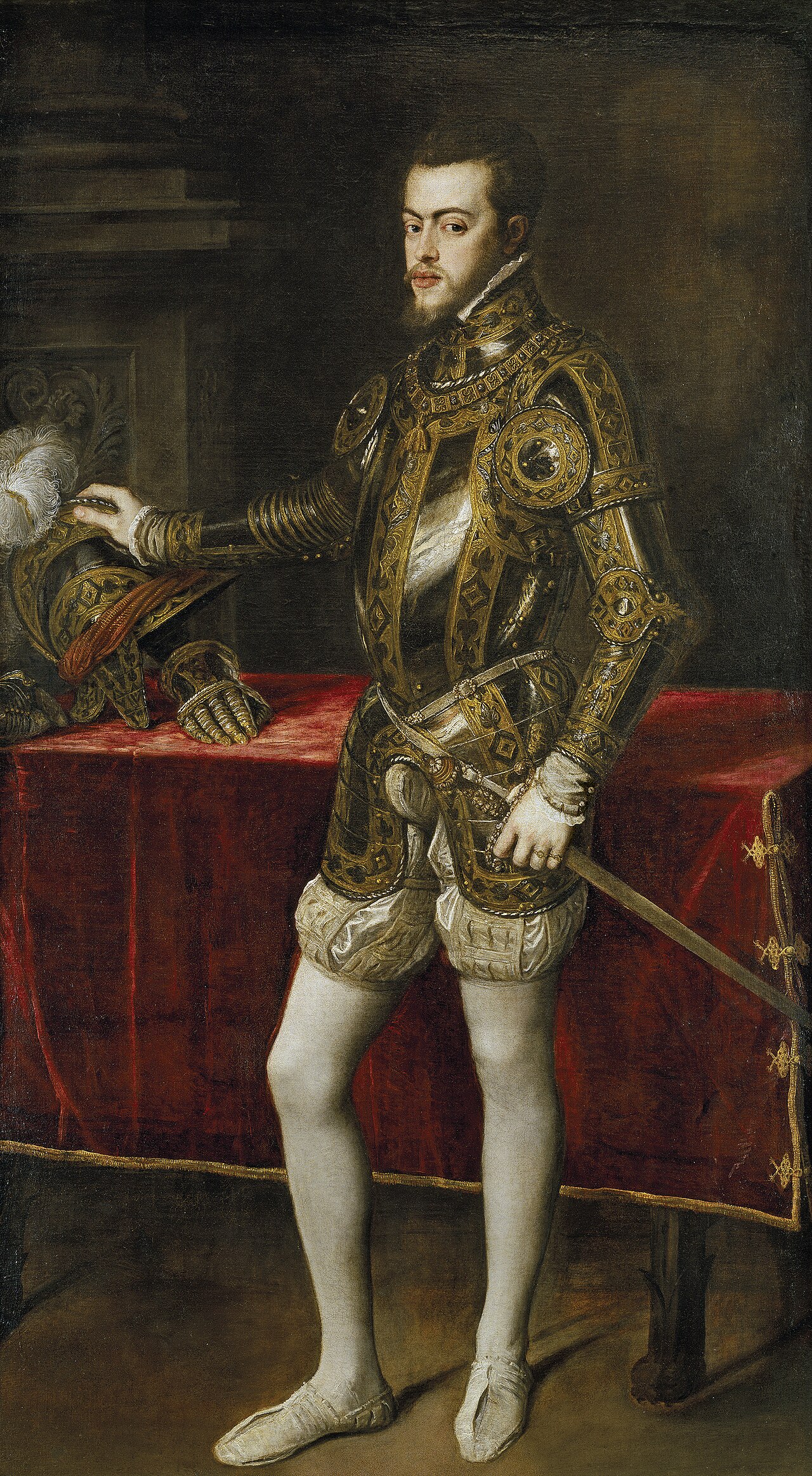
Philip II in Armour
Titian · 1551
A 1551 state portrait by Titian showing the young Prince Philip in ornate parade armour, created while both men were in Augsburg.
This is an official portrait of Philip himself, commissioned to present him as heir to the Habsburg throne.
About this source
What it is
This full-length portrait was painted by the Venetian artist Titian in 1551, when Philip was still a prince. It shows him in elaborate armour beside symbols of royal power. The painting now hangs in the Museo del Prado in Madrid.
Why it matters
The portrait was meant to present Philip as the heir of the Habsburg dynasty and a future warrior-king, echoing an earlier Titian portrait of his father, Emperor Charles V. A letter from Philip himself reveals he was pleased with the image of majesty but unsure about his own face, showing he was still getting used to Titian's quick Venetian painting style. The work was later copied by other artists, including Peter Paul Rubens, showing its lasting influence as the official image of Philip.
Look closer
- What objects and poses in the painting are meant to show royal power?
- Why might Philip have had doubts about how his face was painted, even while liking the overall image?
- How does a painted portrait like this work as a tool of political image-making?
This painting is part of the curated material that grounds the AI version of Philip II of Spain on Humy.ai — when students ask about related events, the AI can quote it and cite it.
More Philip II of Spain sources
Meet the AI Philip II of Spain →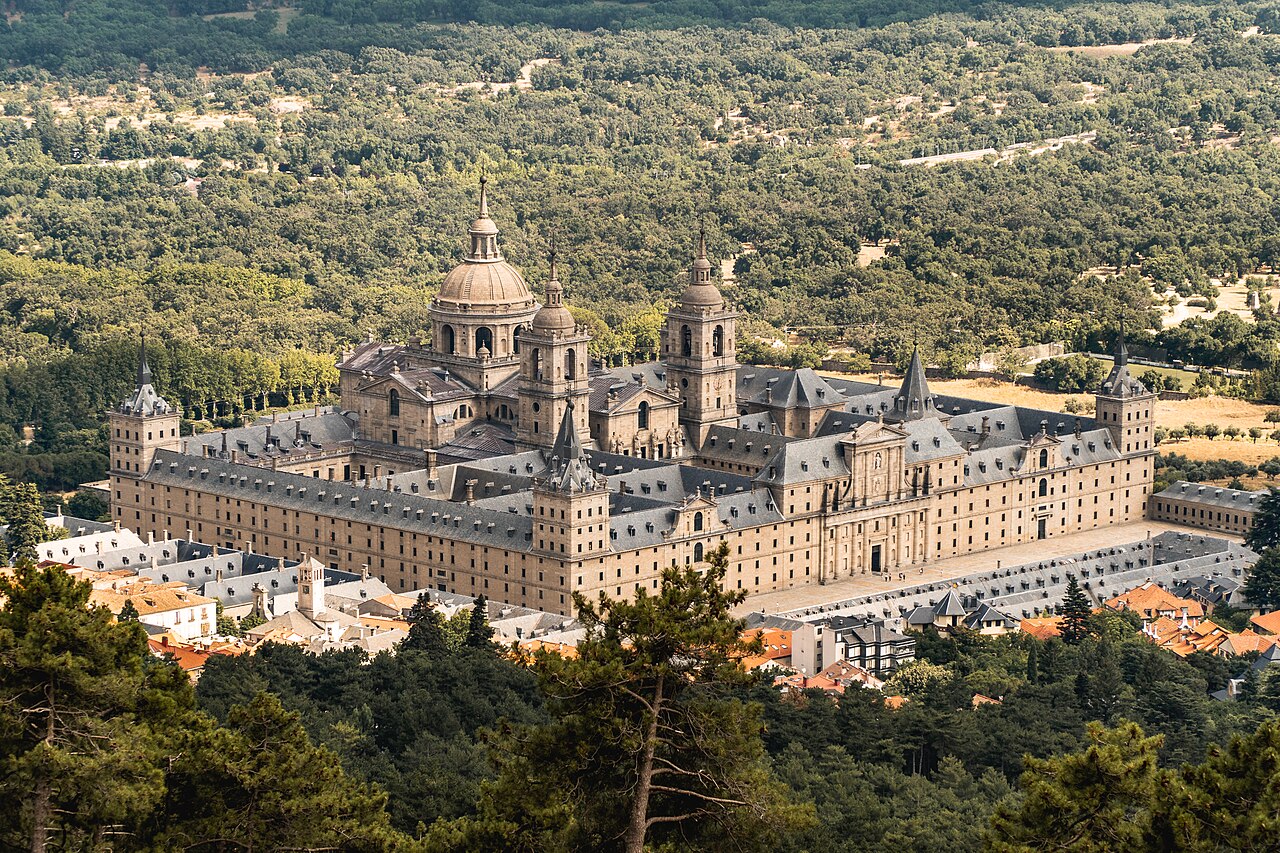 Artifact
Primary source
Royal Monastery of San Lorenzo de El Escorial
Juan Bautista de Toledo · 1563-1584
 Painting
Secondary source
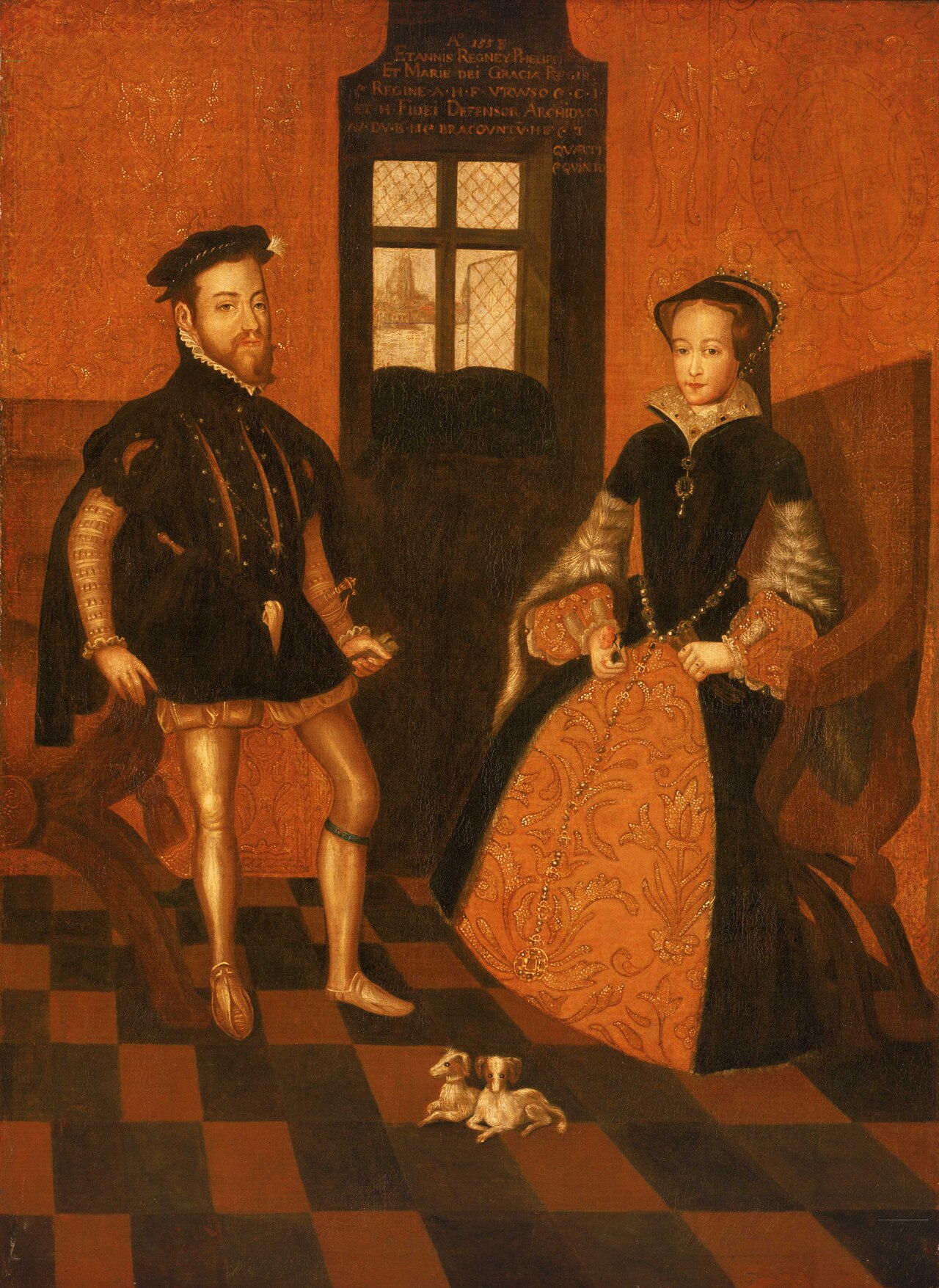
Mary I of England and Philip II of Spain Double Portrait
anonymous, after Lucas de Heere · after 1558
 Letter
Primary source
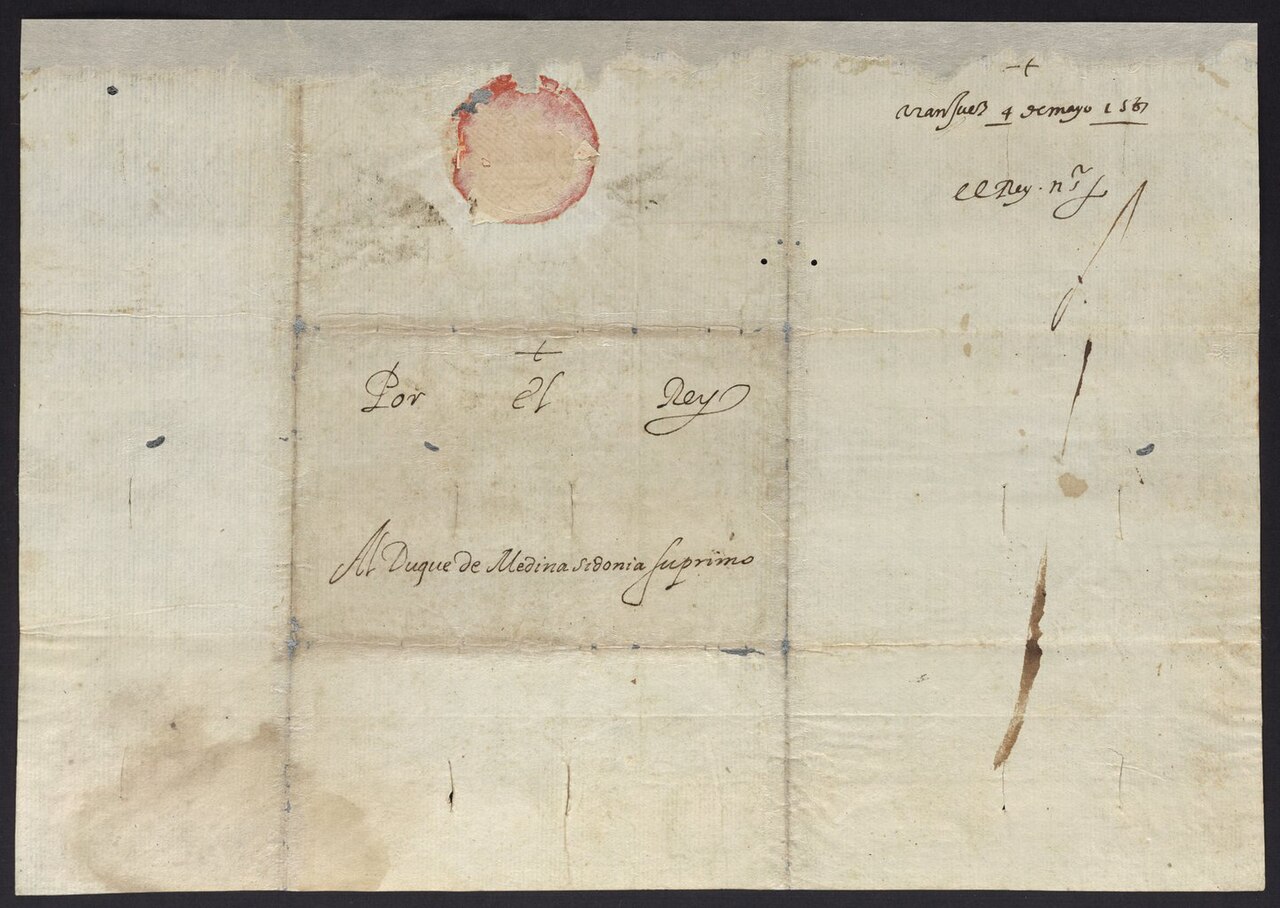
Philip II's Instructions to the Duke of Medina Sidonia
Philip II of Spain · 4 May 1587
 Painting
Primary source
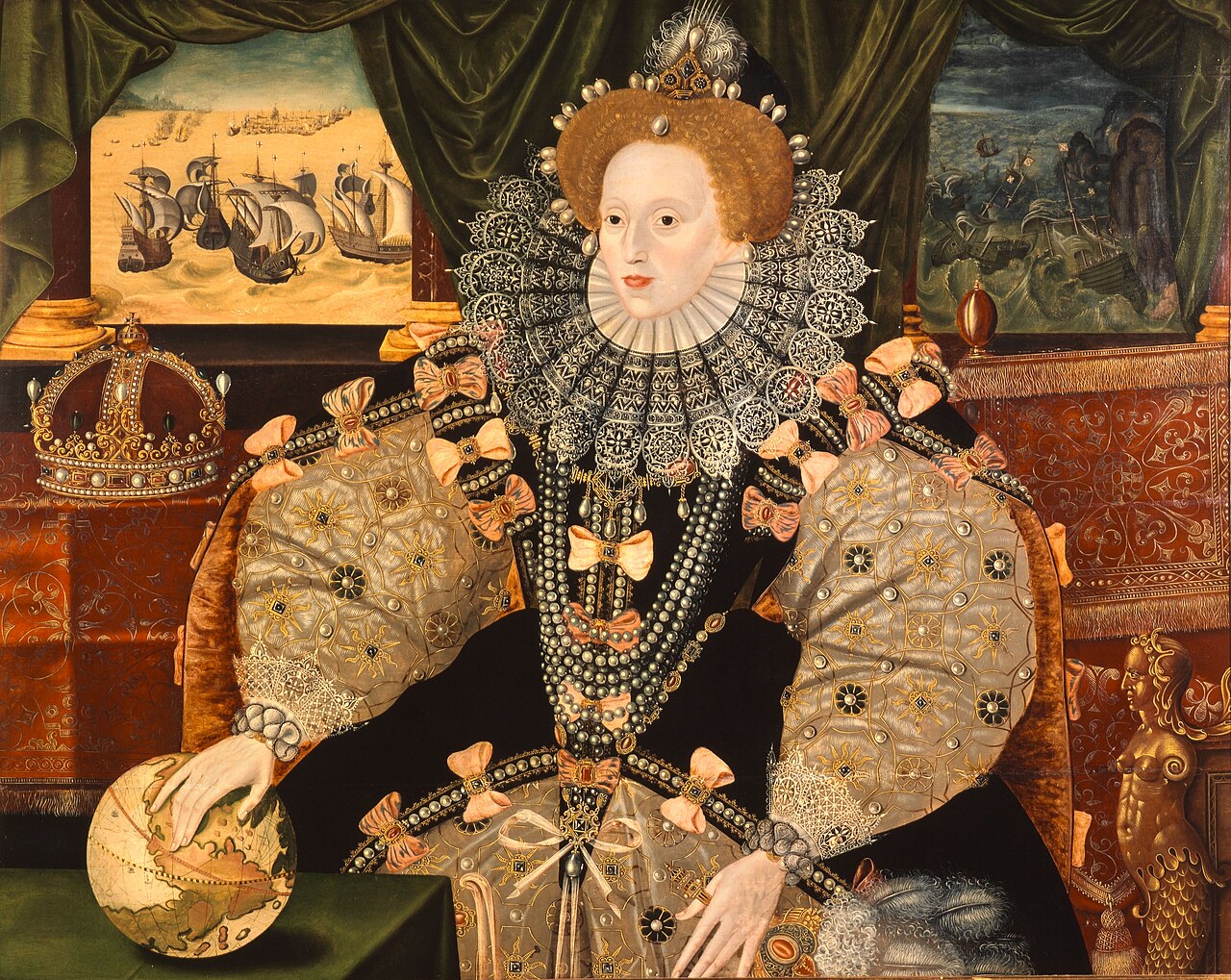
Armada Portrait
Unknown English artist · 1588
 Document
Primary source
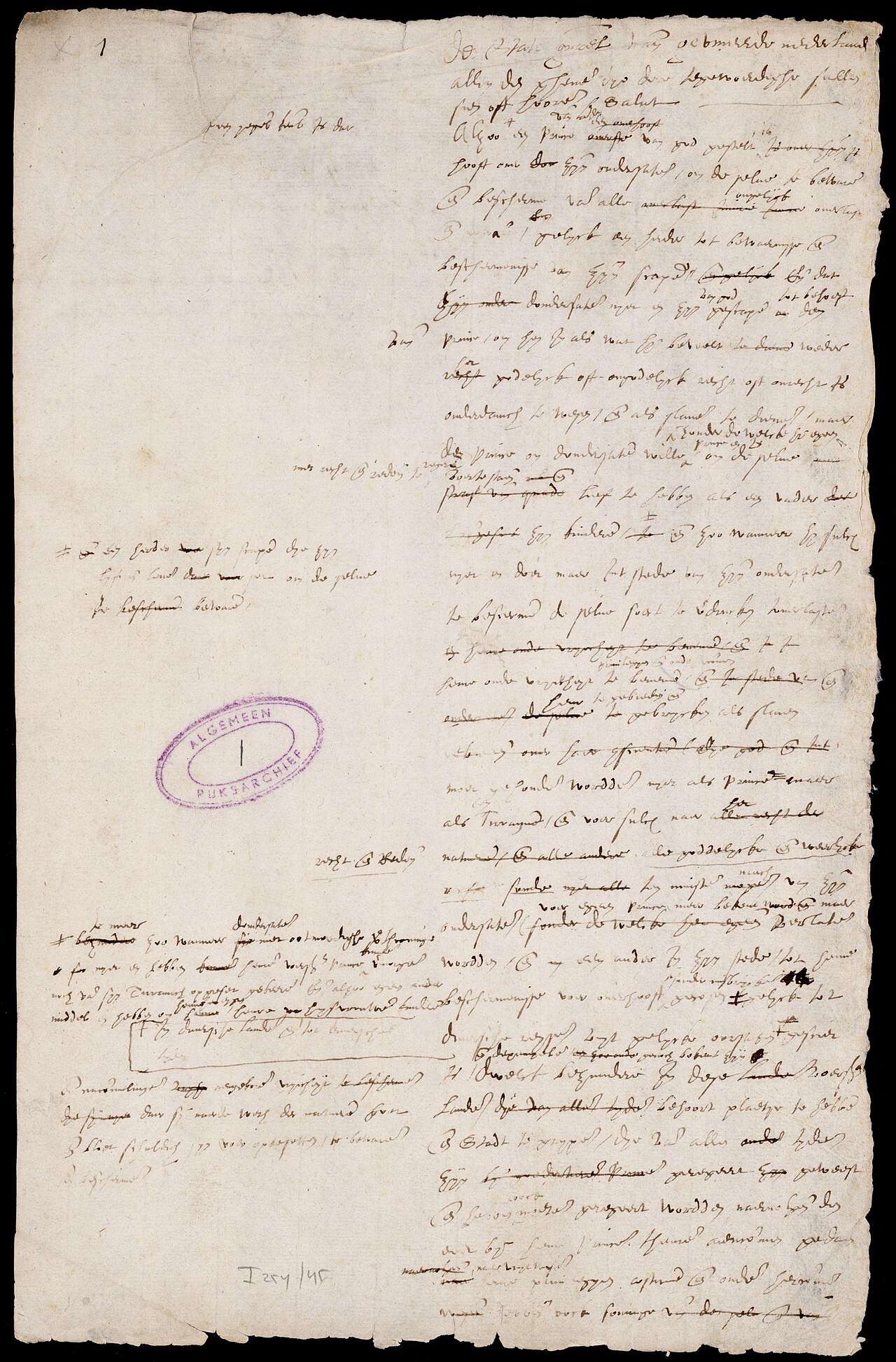
Act of Abjuration
Jan van Asseliers · 26 July 1581
Ready when you are
Start chatting with Philip II of Spain now.
20 messages free · No credit card · Available in 50+ languages.