


Primary sourcePaintingc. 1631–1635
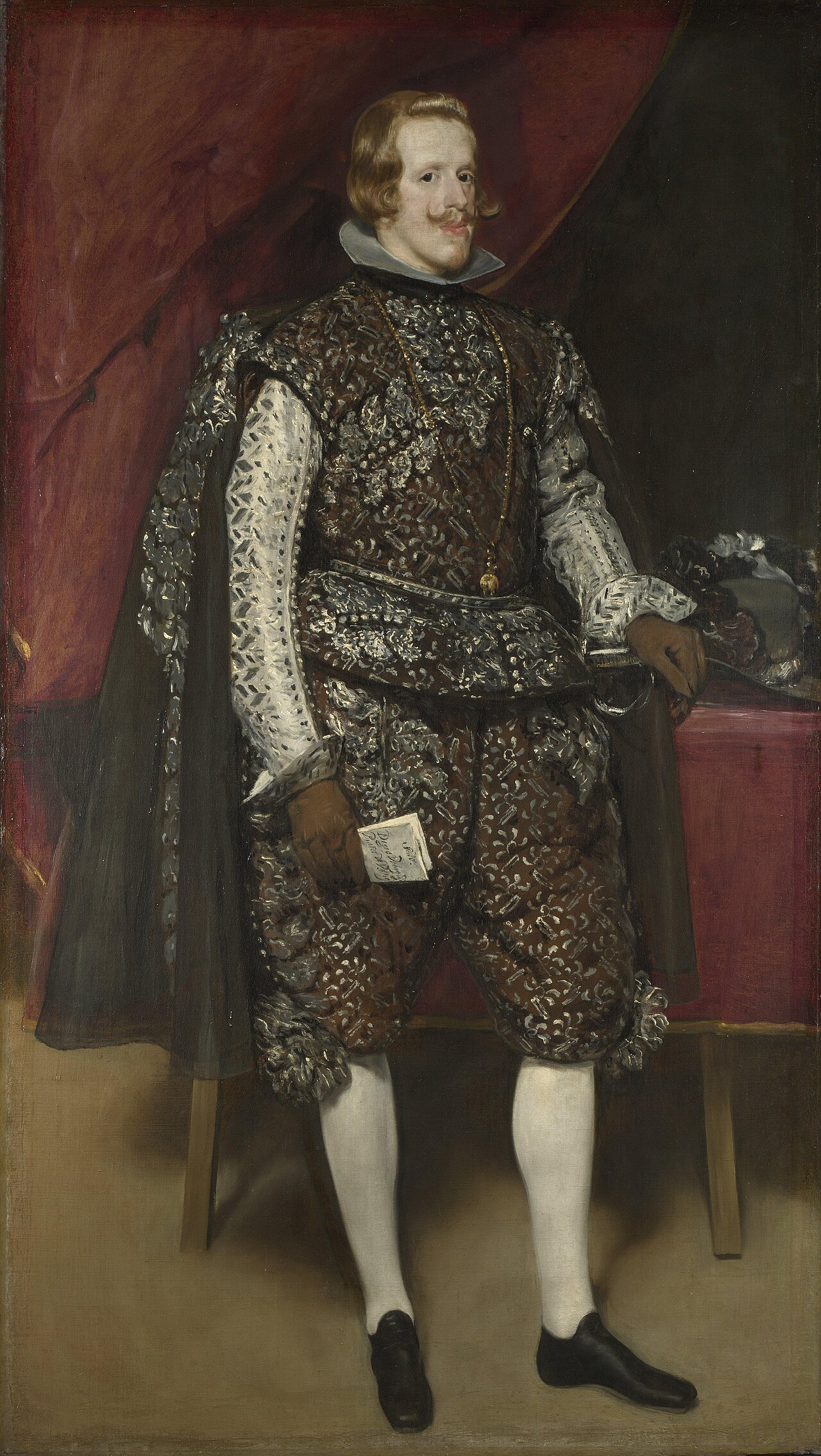
Philip IV in Brown and Silver
Diego Velázquez · c. 1631–1635
A signed portrait of King Philip IV of Spain by Velázquez, used as the model for many later court portraits.
A signed portrait by Velázquez of his royal patron, showing his status as official painter to the king.
About this source
What it is
This life-size painting by Diego Velázquez shows King Philip IV of Spain in an unusually colourful brown and silver costume rather than his usual black. Its exact date is uncertain, given as either around 1631–32 or 1635, but it was the first portrait Velázquez made after his first trip to Italy. It is now in the National Gallery, London.
Why it matters
The signature, placed on a fictive petition letter the king holds, is rare for Velázquez, showing how much importance he attached to this work. The painting became the main model for many workshop versions of the king's image. Its later cleaning in 1936 caused public controversy among artists and critics, revealing how arguments over restoring old paintings can become public disputes about art itself.
Look closer
- Why might Velázquez have chosen to sign this particular painting?
- What does the king's costume and pose suggest about his status?
- How might cleaning and restoration change our view of a historic painting?
This painting is part of the curated material that grounds the AI version of Diego Velázquez and Philip IV of Spain on Humy.ai — when students ask about related events, the AI can quote it and cite it.
More Diego Velázquez sources
Browse all 98 →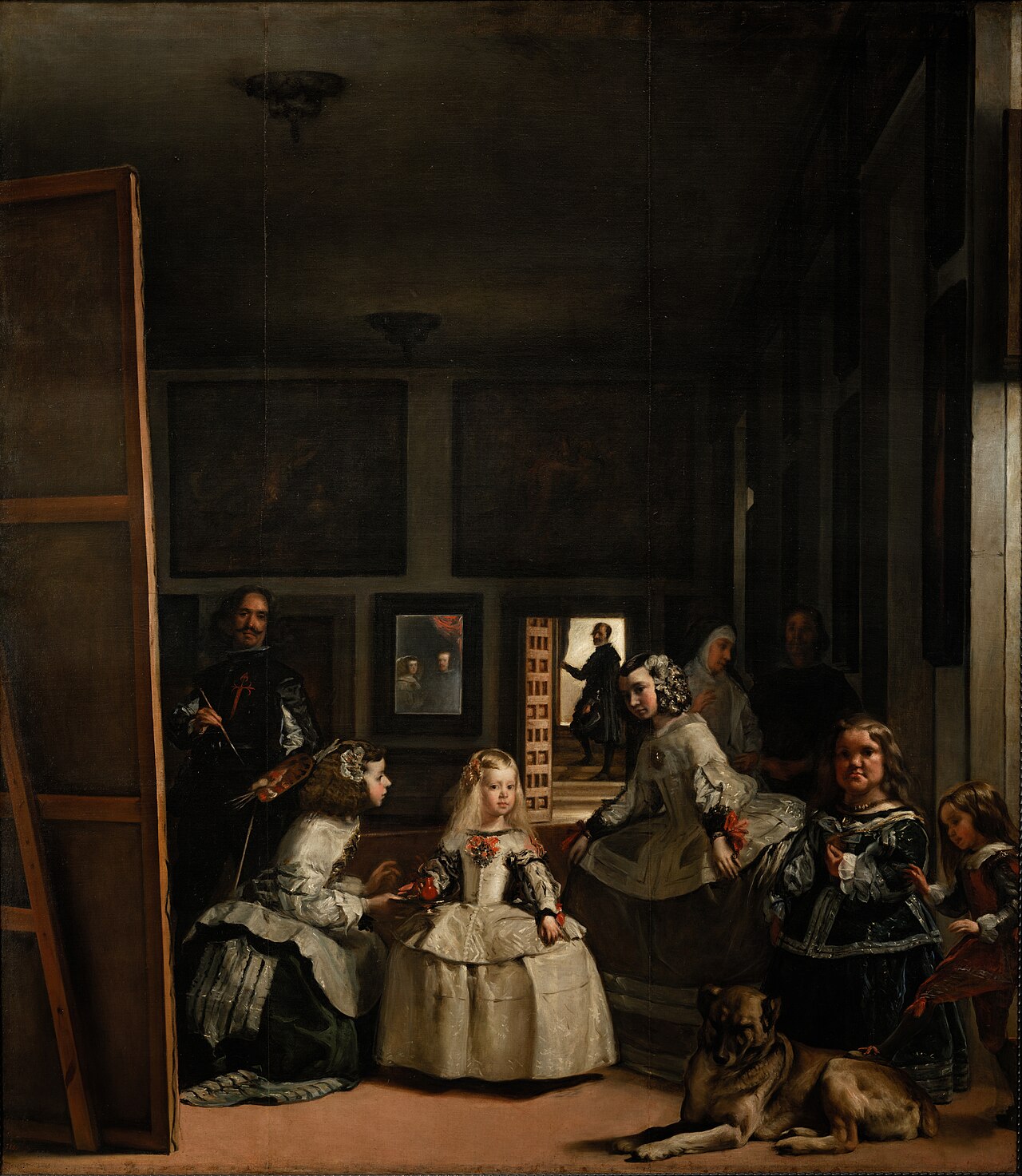 Painting
Primary source
Las Meninas
Diego Velázquez · 1656
 Painting
Primary source
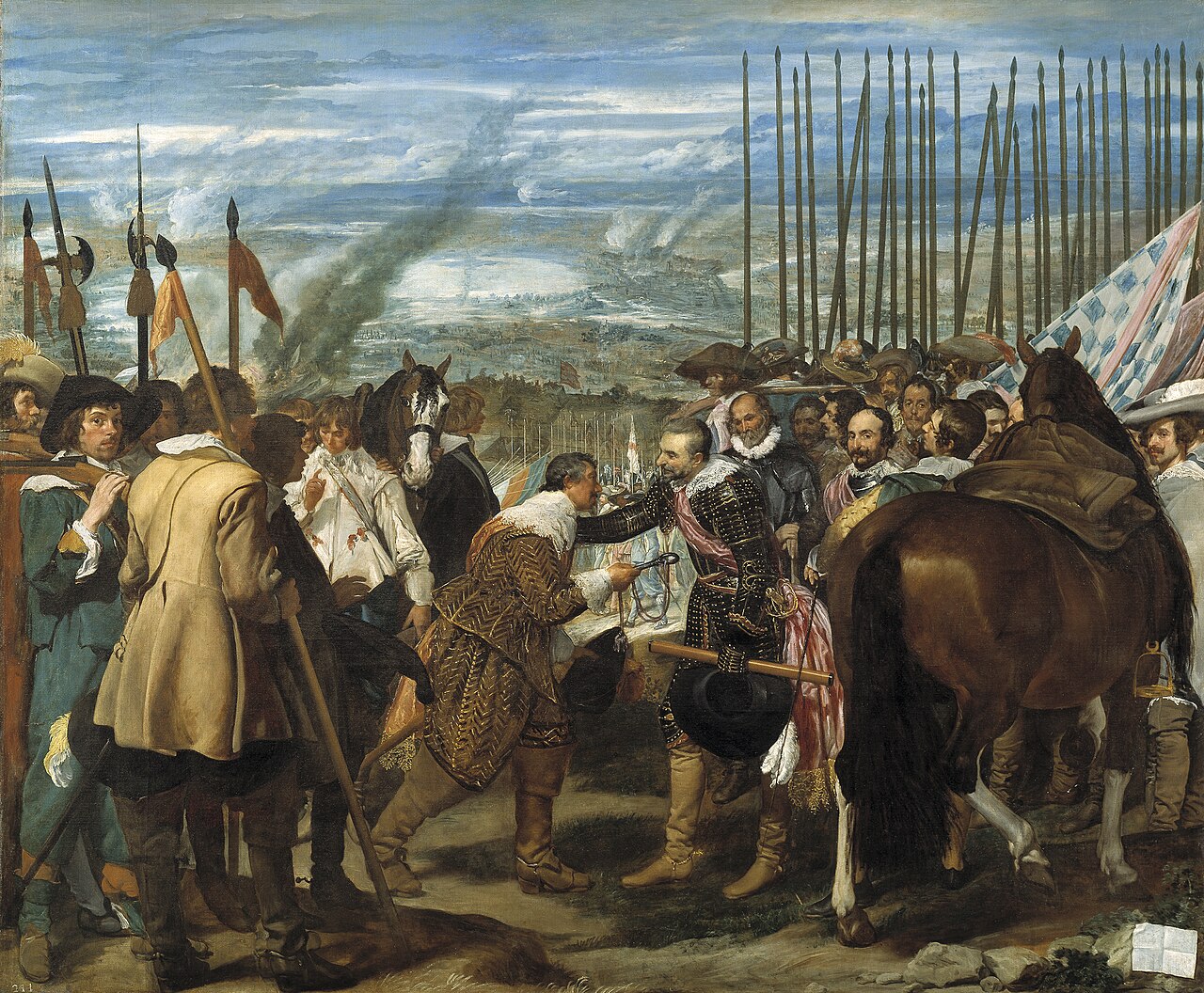
The Surrender of Breda
Diego Velázquez · 1634–1635
 Painting
Primary source
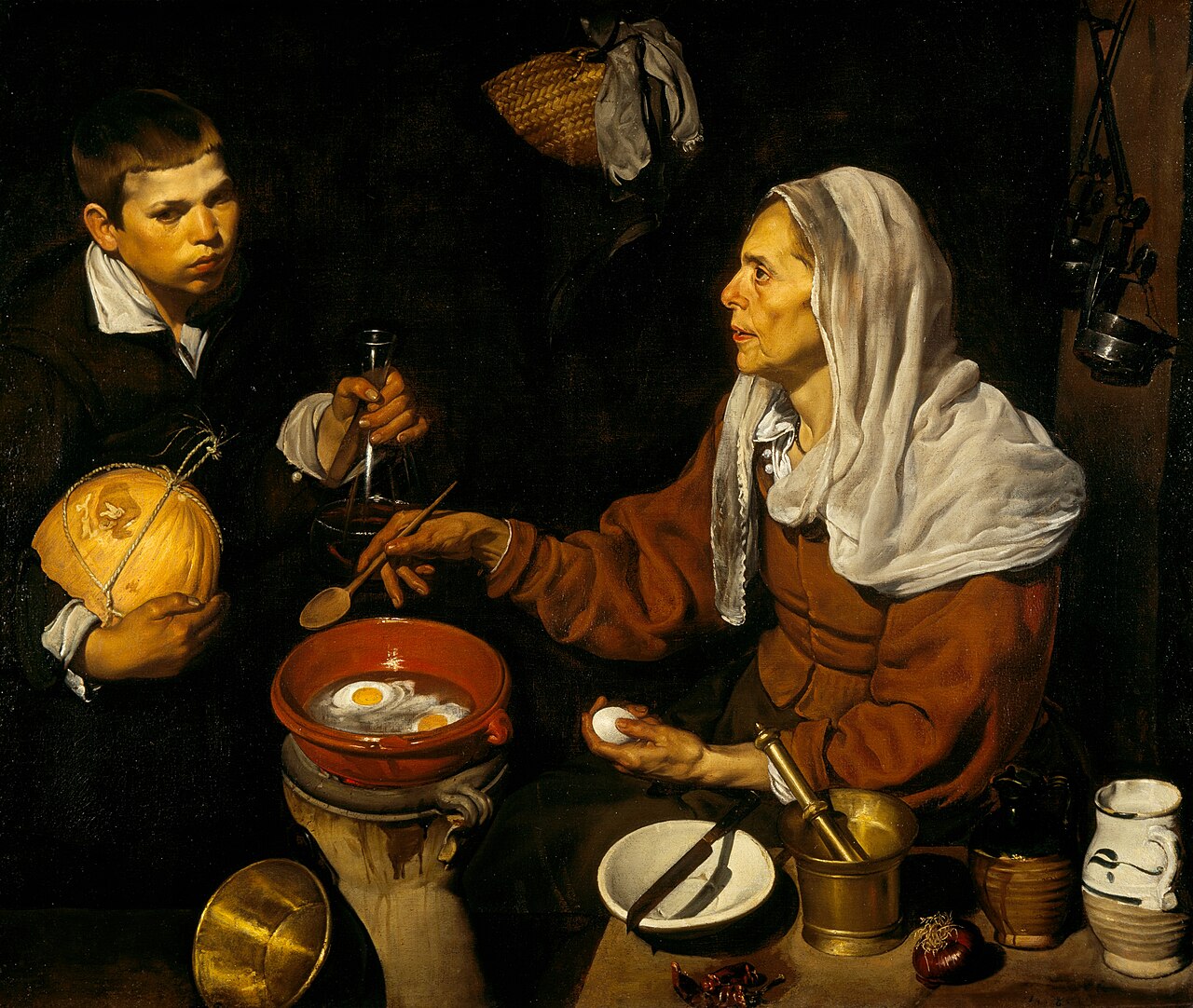
Old Woman Cooking Eggs
Diego Velázquez · c. 1618
 Painting
Primary source
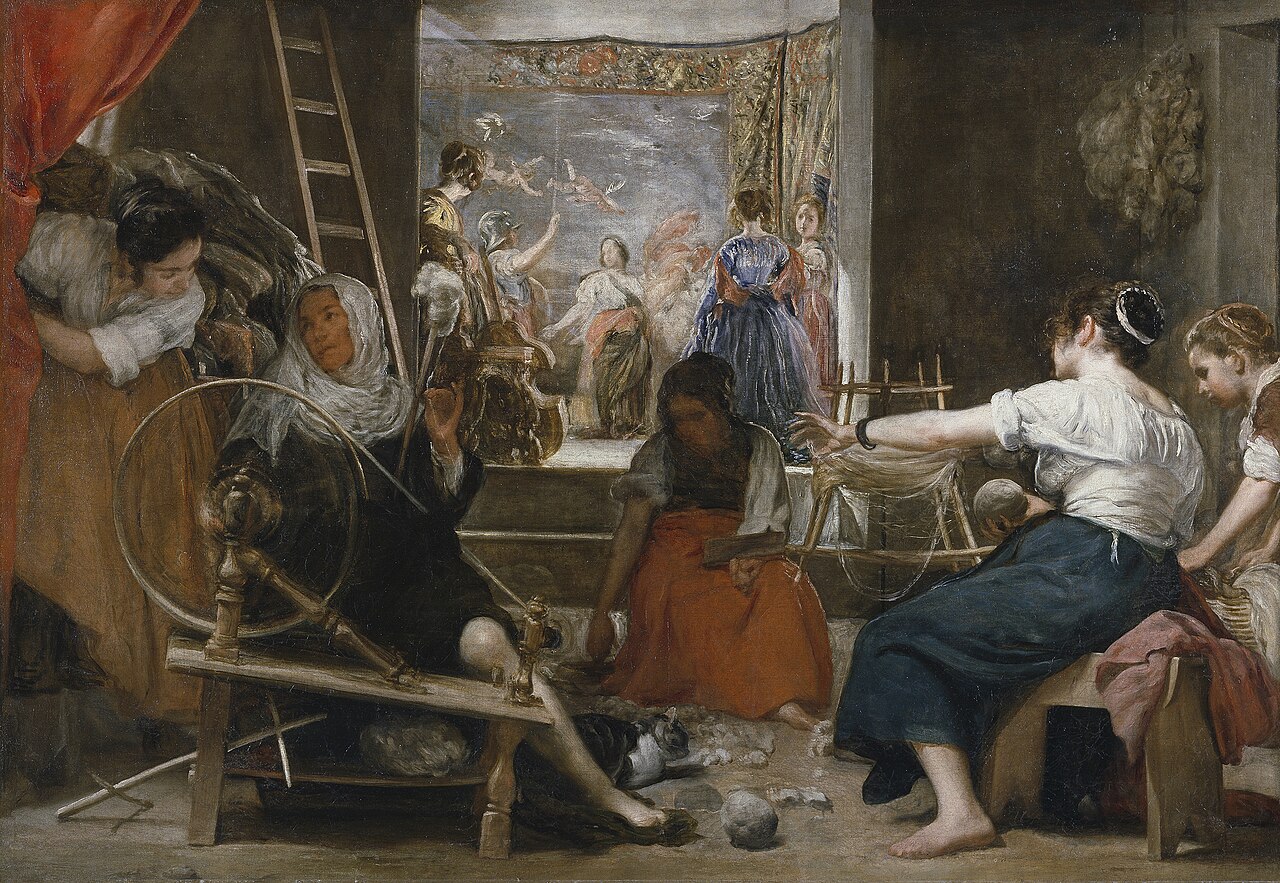
Las Hilanderas
Diego Velázquez · c. 1655–1658
Free account
Read every Diego Velázquez source
Sign up free →
Ready when you are
Start chatting with Diego Velázquez now.
20 messages free · No credit card · Available in 50+ languages.