


Primary sourcePaintingcirca 1655
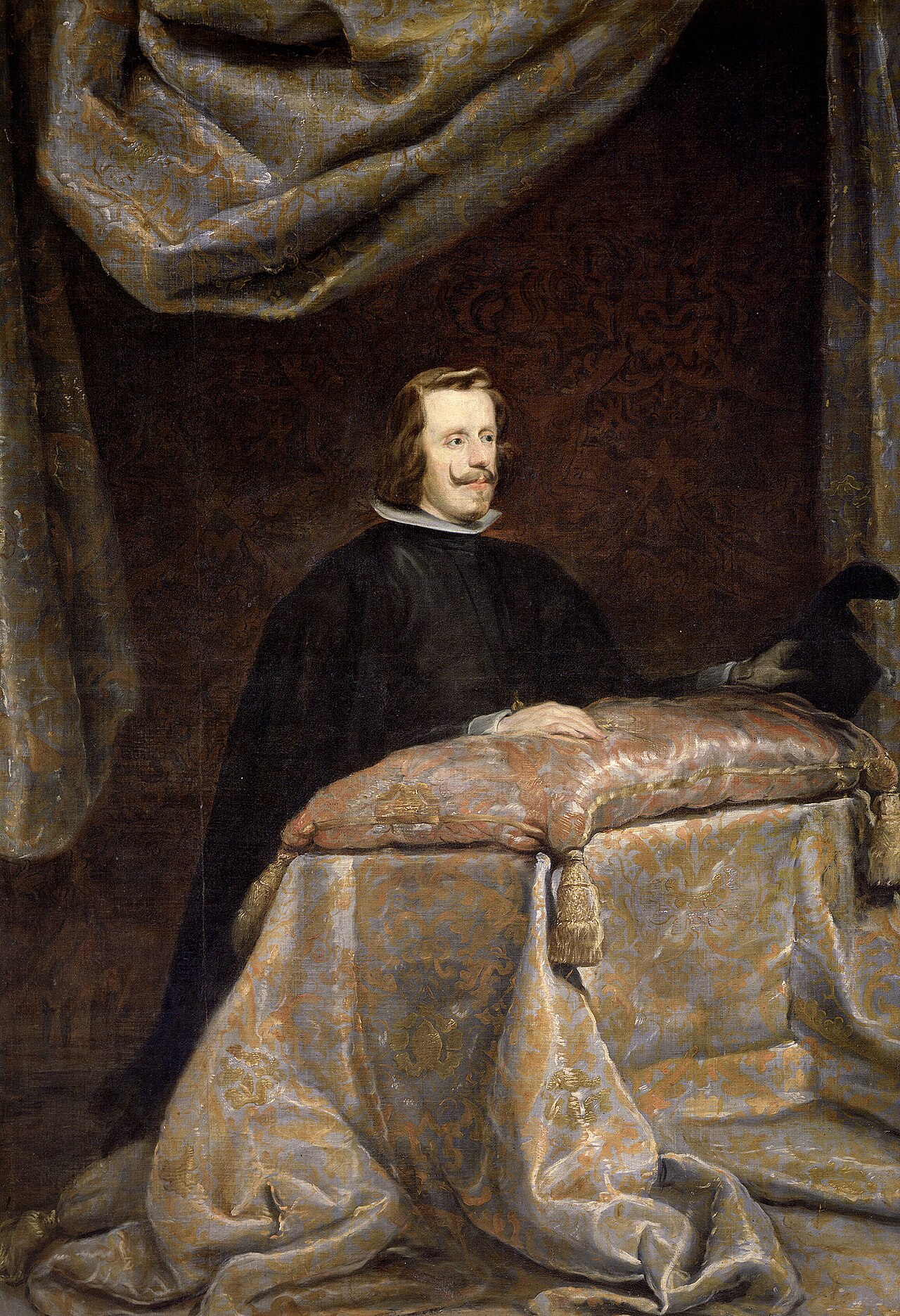
Philip IV in Prayer
Diego Velázquez · circa 1655
A late portrait by Velázquez of King Philip IV, painted around 1655. The king is shown with his hands resting on a cushion.
Shows Philip IV, Velázquez's patron, in a late portrait painted near the end of the painter's career.
About this source
What it is
This is a painting by Diego Velázquez, dated around 1655, that shows King Philip IV. The king has shoulder-length brown hair, a thin mustache and a white collar, and wears a black garment. He rests his hands on a pink and gold brocade cushion on a table. Grey-blue curtains hang behind him against a dark brown patterned wall. The title refers to prayer, and the work is catalogued as a late portrait of the king.
Why it matters
Philip IV was Velázquez's patron, and the painter served the court for decades. Portraits of the king in his later years show how the monarchy wanted to be seen at a time of political trouble. A devout pose linked the ruler to religion, which was central to Spanish identity and to royal authority.
Look closer
- What does the pose and the cushion tell you about how the king wanted to be seen?
- Why would a patron commission a portrait of himself at prayer, and who was its intended audience?
- What does the painting leave out about the king's rule and the costs of his wars?
This painting is part of the curated material that grounds the AI version of Diego Velázquez on Humy.ai — when students ask about related events, the AI can quote it and cite it.
More Diego Velázquez sources
Browse all 98 →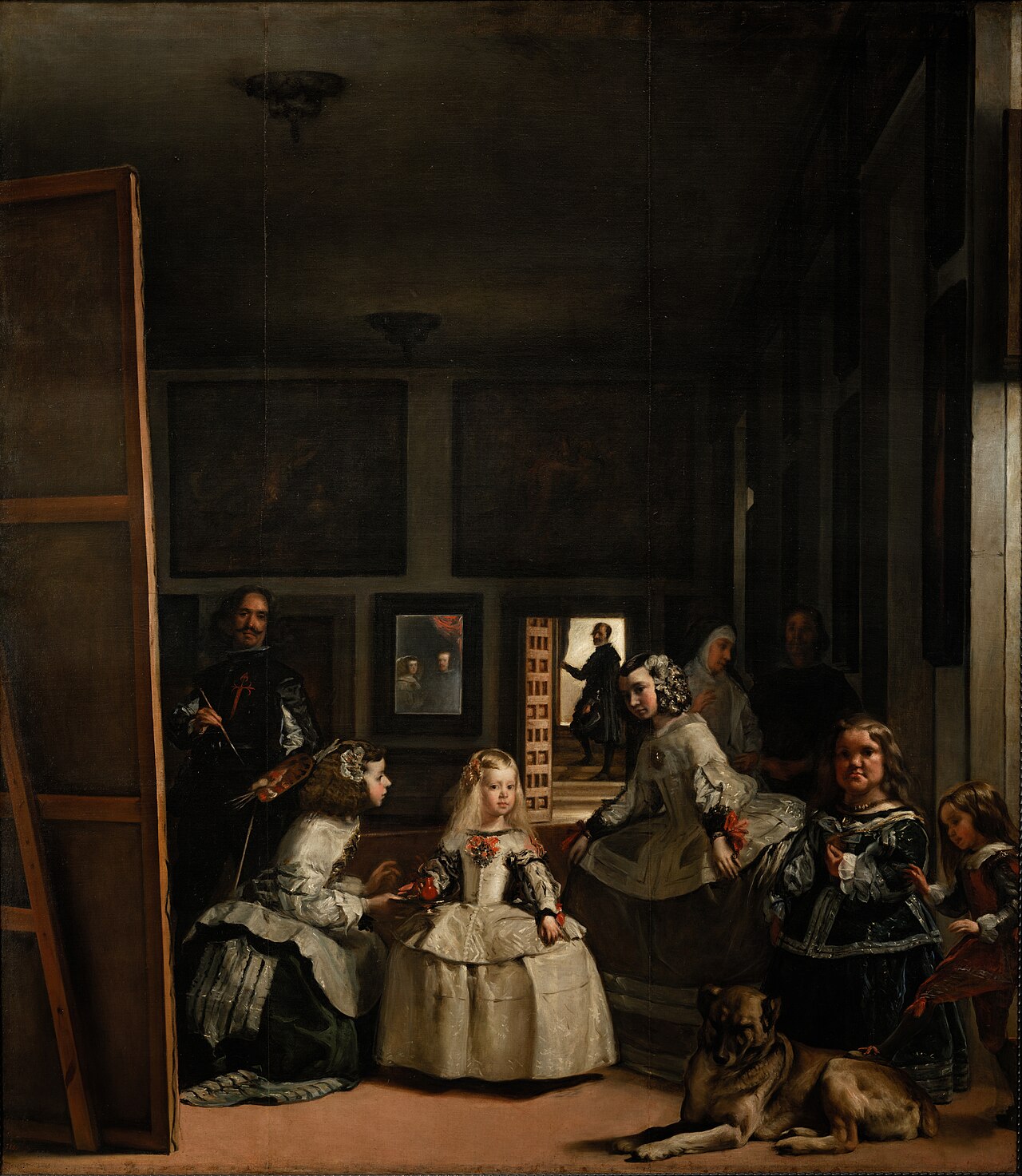 Painting
Primary source
Las Meninas
Diego Velázquez · 1656
 Painting
Primary source
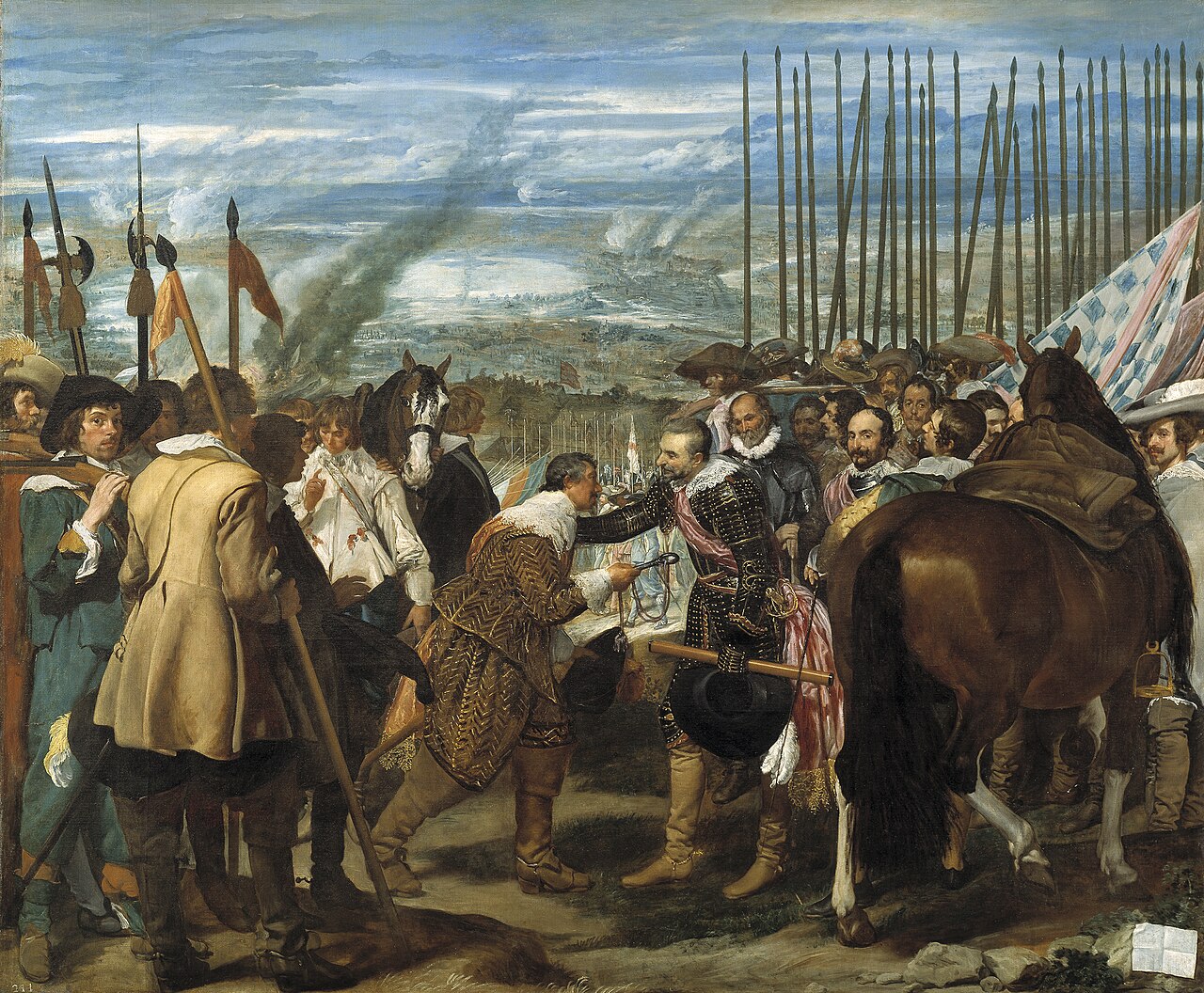
The Surrender of Breda
Diego Velázquez · 1634–1635
 Painting
Primary source
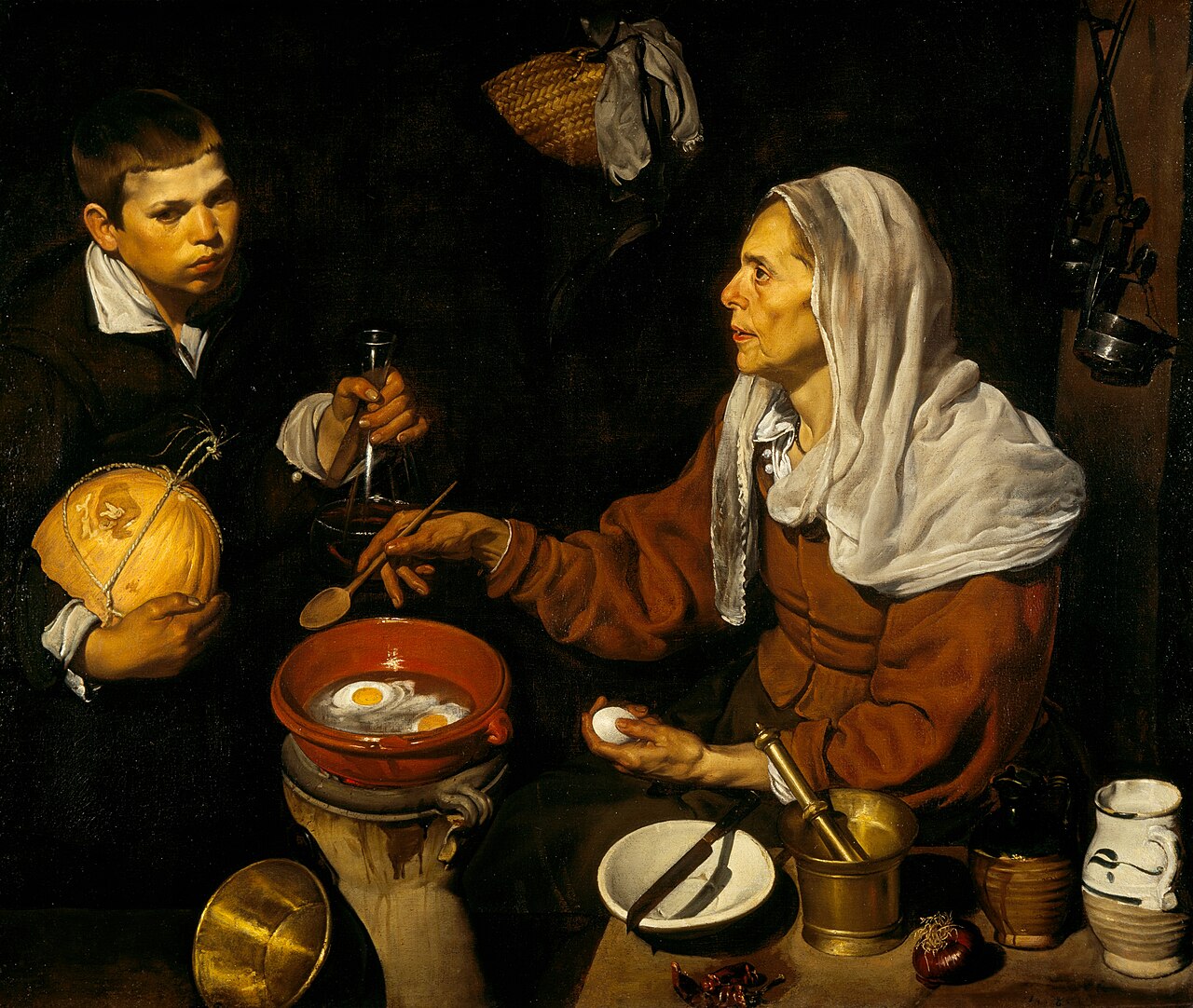
Old Woman Cooking Eggs
Diego Velázquez · c. 1618
 Painting
Primary source
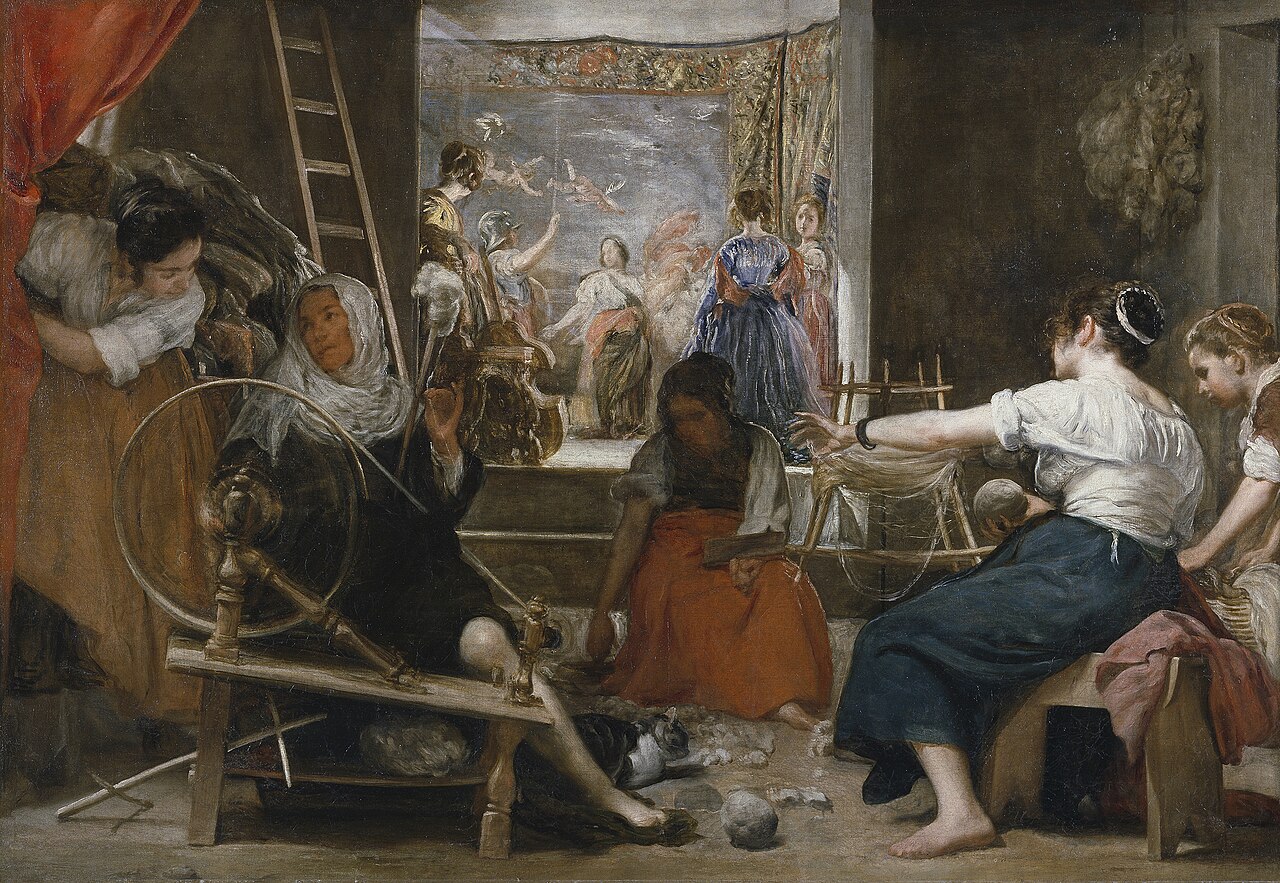
Las Hilanderas
Diego Velázquez · c. 1655–1658
Free account
Read every Diego Velázquez source
Sign up free →
Ready when you are
Start chatting with Diego Velázquez now.
20 messages free · No credit card · Available in 50+ languages.