


Secondary sourcePainting16th century
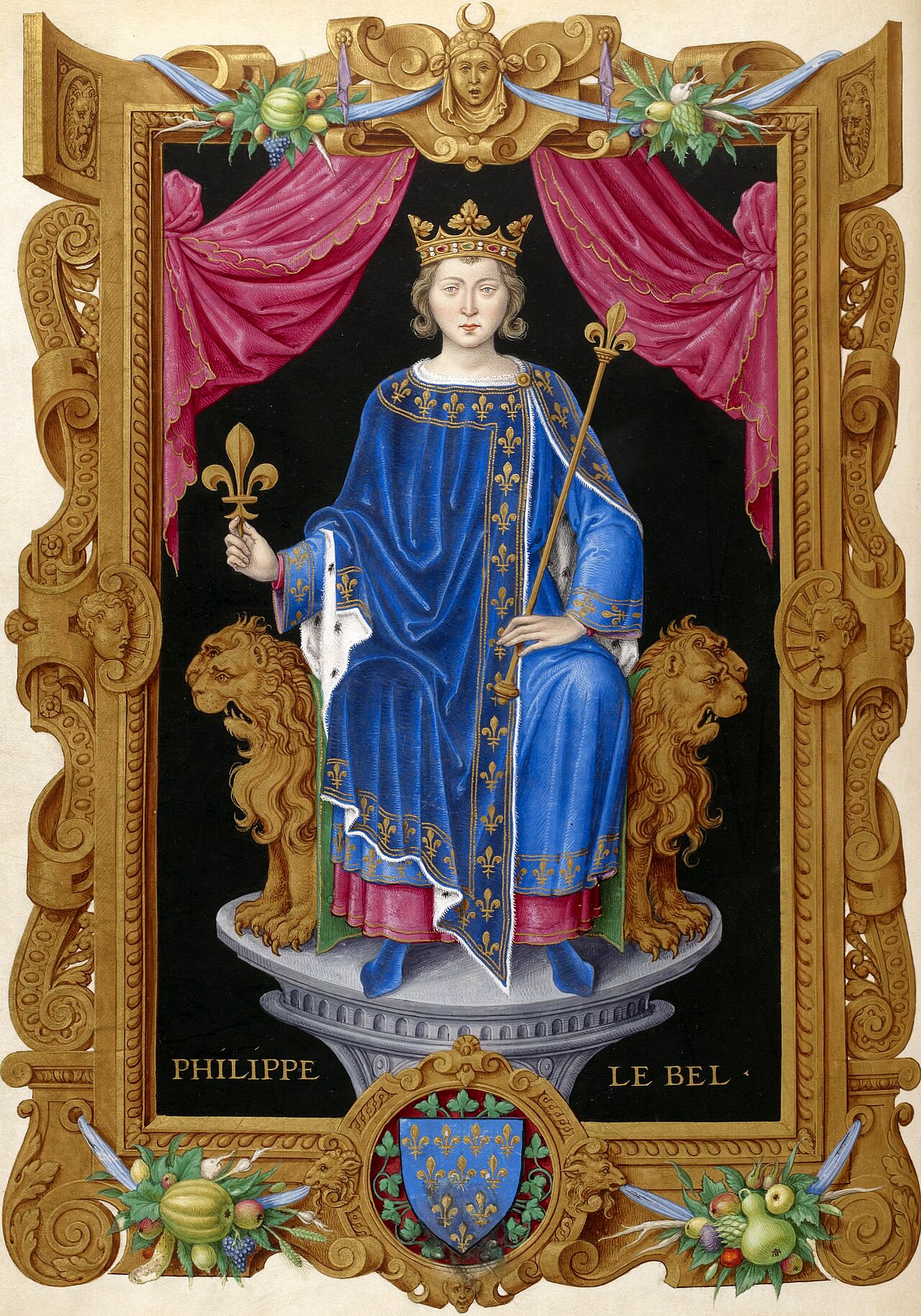
Philip IV's Great Seal, Painted Copy
anonymous · 16th century
A 16th-century painted copy of Philip IV's royal great seal, from Du Tillet's Recueil des rois de France.
This painting reproduces the image from Philip IV's own royal seal, used to authenticate his official acts.
About this source
What it is
This painted miniature from the 16th century reproduces the image engraved on Philip IV's great seal, including a smaller medallion of the royal counter-seal. It comes from Jean du Tillet's Recueil des rois de France, a collection of royal portraits and genealogies.
Why it matters
Royal seals were used to authenticate official documents and projected an image of majesty. This later copy shows how Philip IV's seal, and therefore his royal image, was remembered and reproduced centuries after his reign for a collection celebrating French kingship.
Look closer
- What symbols of royal power does the painting include, and where might they come from on the original seal?
- Why would someone in the 16th century want to copy a 13th-century seal design?
- What does the label 'PHILIPPE LE BEL' tell us about how this image was meant to be used?
This painting is part of the curated material that grounds the AI version of Philip IV of France on Humy.ai — when students ask about related events, the AI can quote it and cite it.
More Philip IV of France sources
Browse all 88 →Primary source
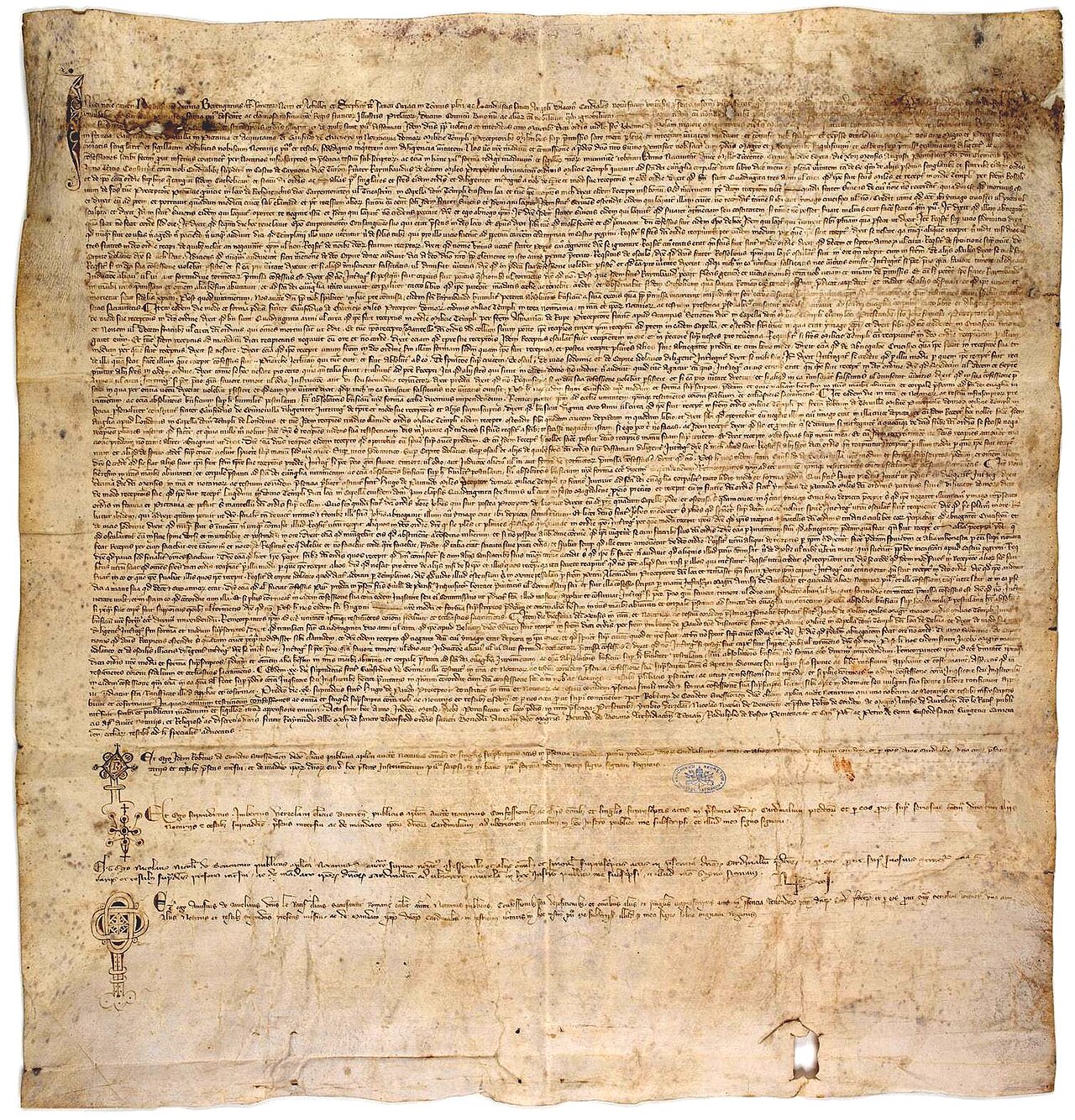
Unam sanctam
Boniface VIII · 18 November 1302
Primary source
Clericis laicos
Boniface VIII · 5 February 1296
 Painting
Primary source
Portrait of Philip IV of France with his family
Raymond de Béziers · c. 1313
 Letter
Primary source
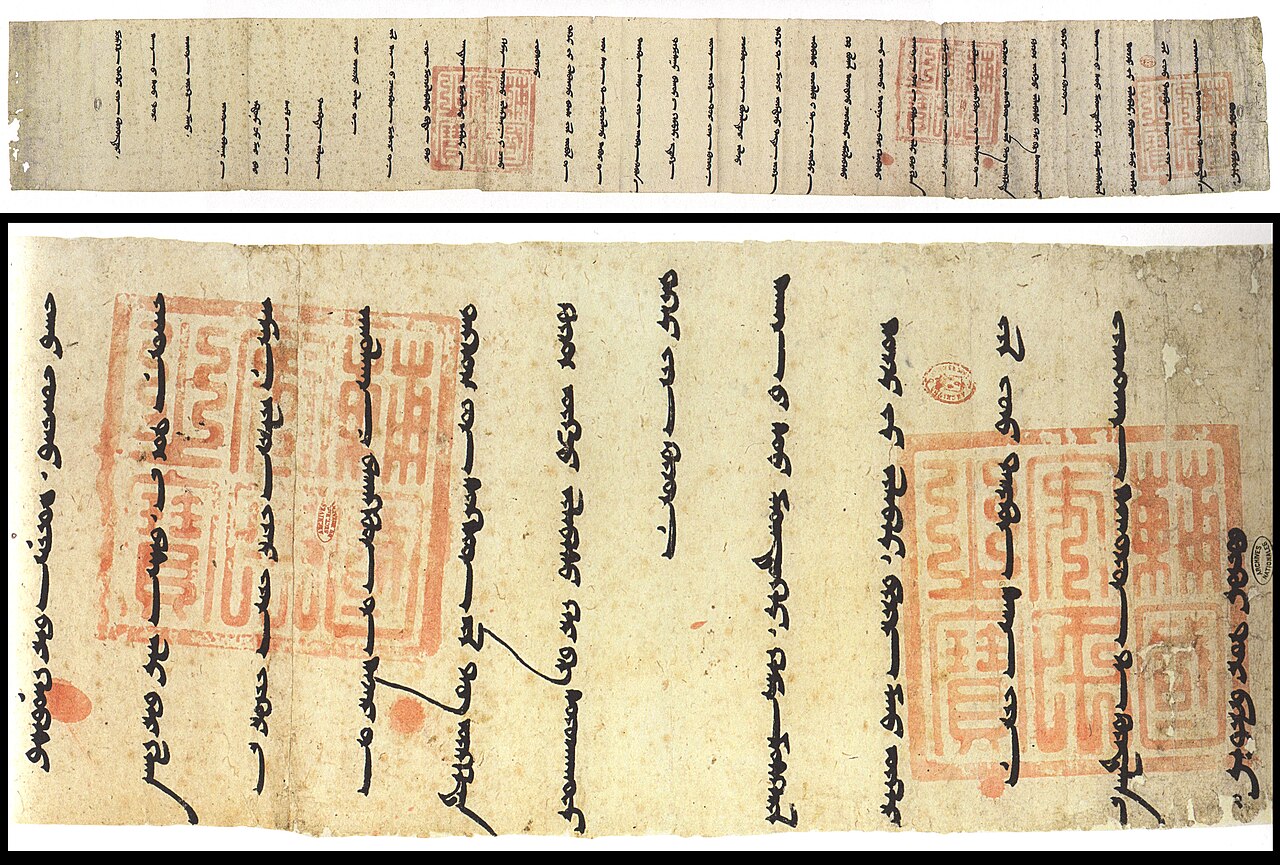
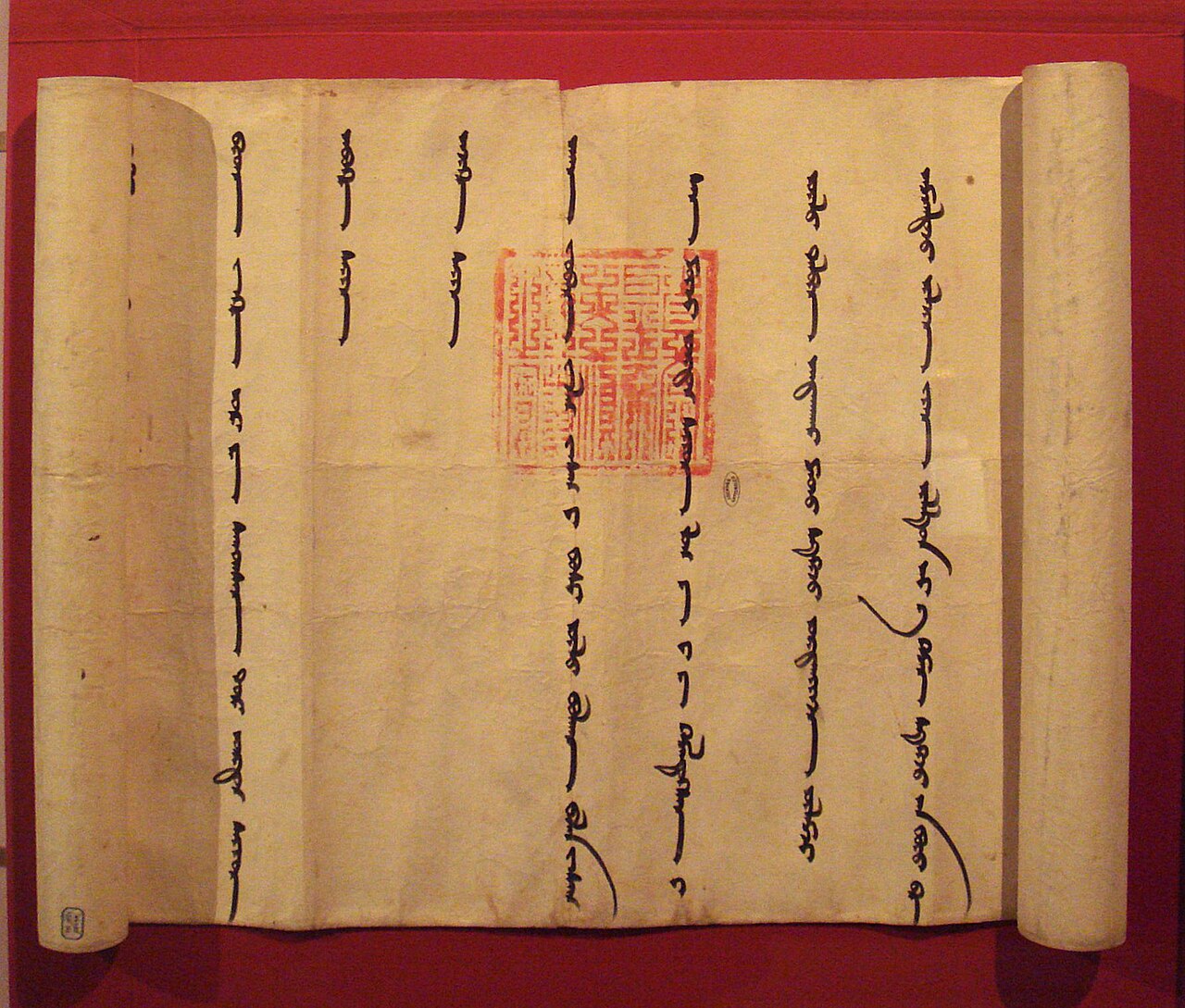
Letter from Arghun to Philip IV
Arghun · 1289
Free account
Read every Philip IV of France source
Sign up free →
Ready when you are
Start chatting with Philip IV of France now.
20 messages free · No credit card · Available in 50+ languages.