


Secondary sourceBook1820
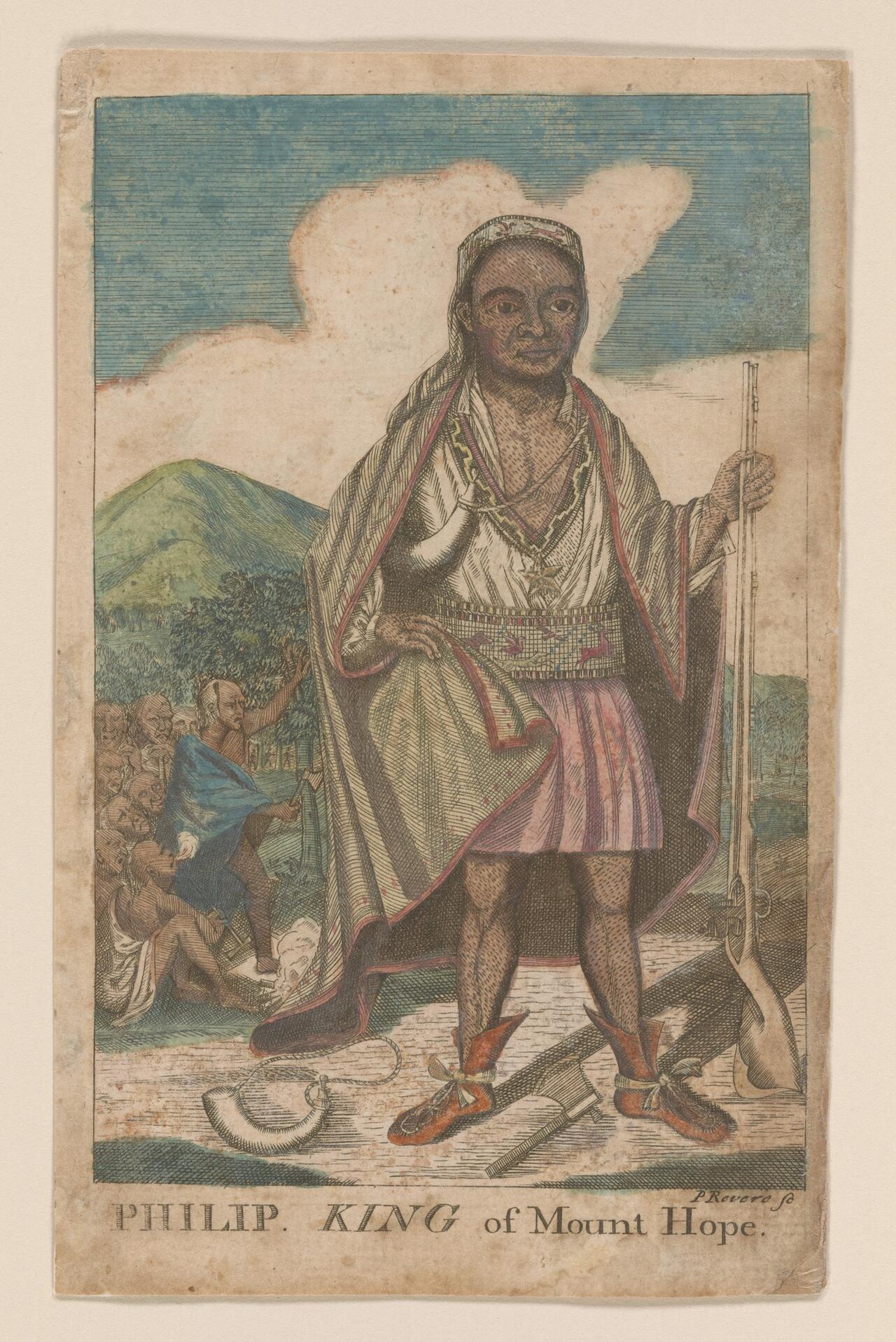
Philip of Pokanoket
Washington Irving · 1820
Washington Irving's 1820 literary sketch reimagining Metacom as a tragic, noble patriot resisting colonial encroachment.
A romanticized literary portrait that reshaped Metacom's memory as a tragic patriot for 19th-century American readers.
Free Humy account · No credit card · 120,912 sources to read
About this source
What it is
This is a short prose sketch written by the American author Washington Irving in 1820, part of a larger collection of his essays and tales. It retells the story of Metacom, known to the English as King Philip, more than a century after his death.
Why it matters
Irving's piece is an early example of how American writers began to romanticize Native leaders as tragic figures once Native resistance to colonization had largely been defeated. He portrays Metacom with sympathy and admiration, very different from the hostile tone of earlier colonial writers, showing how literature reshaped historical memory in the new United States.
Look closer
- How does Irving's language about Native people differ from that of earlier colonial writers?
- Why might an author writing in 1820 want to portray Metacom as a tragic hero?
- What is lost when a historical figure is turned into a literary symbol?
This book is part of the curated material that grounds the AI version of Metacomet and Massasoit on Humy.ai — when students ask about related events, the AI can quote it and cite it.
More Metacomet sources
Browse all 31 →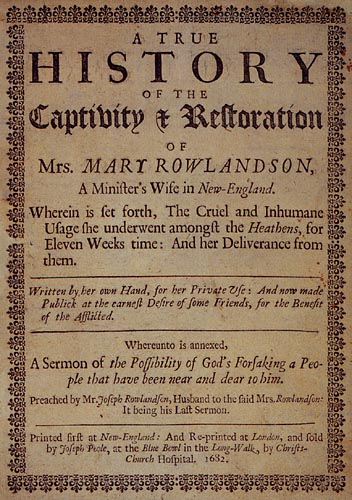 Book
Primary source
A Narrative of the Captivity and Restoration of Mrs. Mary Rowlandson
Mary Rowlandson · 1682
 Book
Primary source
Entertaining Passages Relating to Philip's War
Benjamin Church (with Thomas Church) · 1716
 Book
Primary source
The History of King Philip's War
Thomas Church · 1825
 Letter
Primary source
Letter to John Cotton from Mount Hope
William Bradford · 21 July 1675

Free account
Read every Metacomet source
Sign up free →
Ready when you are
Start chatting with Metacomet now.
20 messages free · No credit card · Available in 50+ languages.