


Secondary sourcePaintingbetween 1540 and 1560
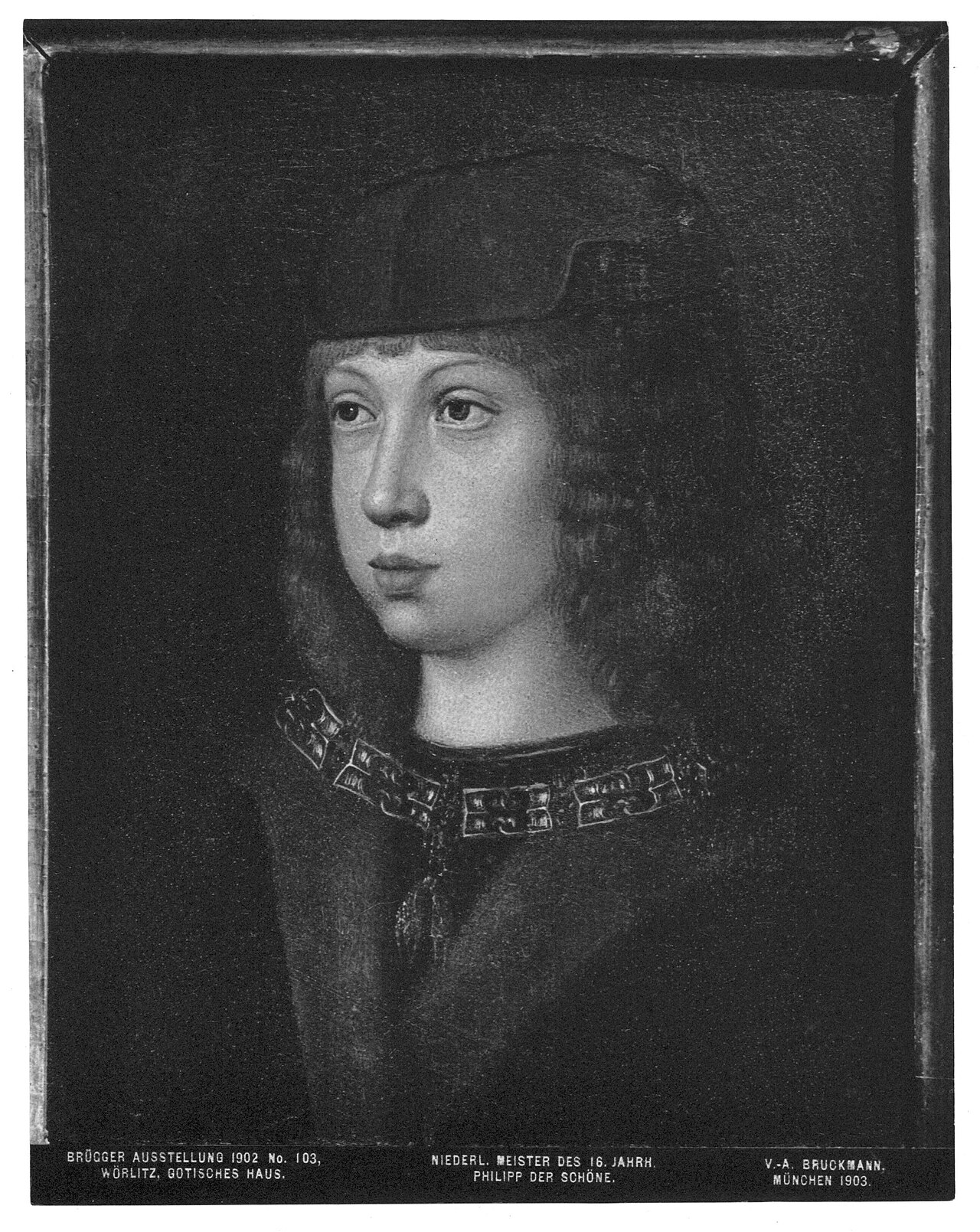
Philip the Handsome, Master of Affligem
Master of Affligem · between 1540 and 1560
A painted portrait of Philip the Handsome, made by the Master of Affligem around 1540 to 1560, long after his death.
A later portrait of Joanna's husband Philip the Handsome, included here because he is central to her marriage and her political story.
About this source
What it is
This is a painting of a young man in a dark flat cap and a dark fur-trimmed garment with an ornate collar, facing left against a dark background. The painting is attributed to the Master of Affligem and dated between 1540 and 1560. The image in this archive is a black and white photographic reproduction, and its printed captions mention a 1902 Brügger exhibition, the Wörlitz Gotisches Haus, and a 1903 Munich publication by V.-A. Bruckmann. The picture is therefore a later copy-style image, not an original portrait from Philip's lifetime.
Why it matters
Philip the Handsome, Joanna's husband, died in 1506. Portraits made decades after a person's death show how later artists and collectors imagined him, and which image of a ruler was kept for the public. Historians compare such images with documents and letters to see what is real and what is invented. This painting therefore tells us more about the 16th century and later interest in the Habsburgs than about Philip's own appearance.
Look closer
- What clothes and pose does the artist use to make the sitter look important?
- Why might a portrait be painted long after the sitter died, and who would want it?
- How can you tell that this is a later reproduction, and what does this mean for trusting its likeness?
This painting is part of the curated material that grounds the AI version of Joanna of Castile on Humy.ai — when students ask about related events, the AI can quote it and cite it.
More Joanna of Castile sources
Browse all 90 →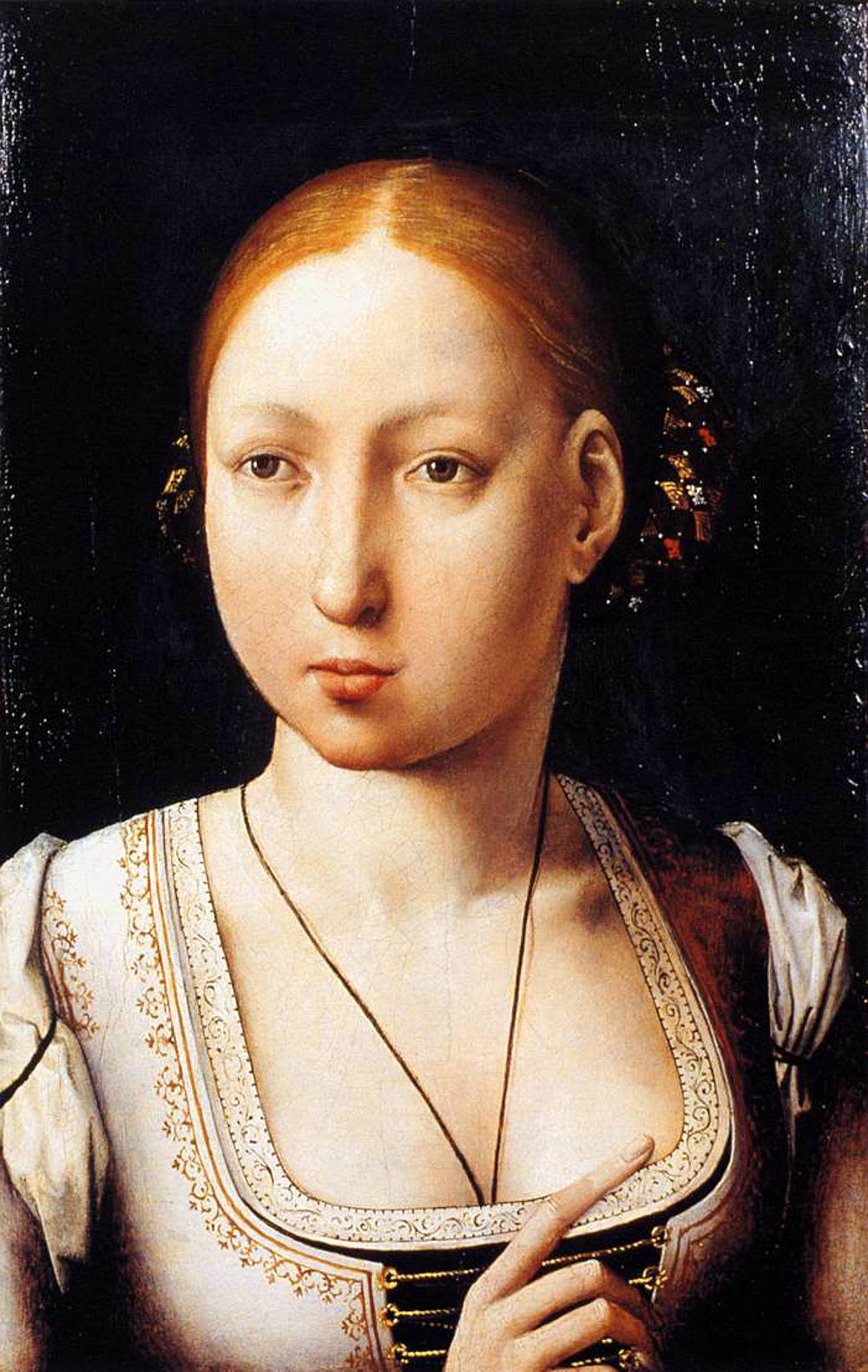 Painting
Primary source
Portrait of Joan the Mad
Juan de Flandes
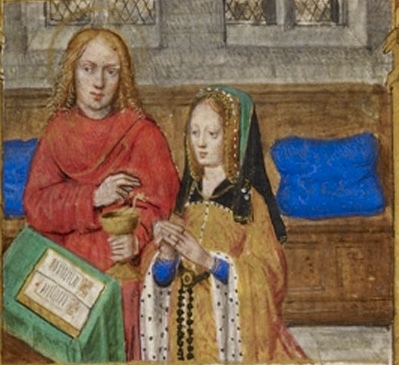 Artifact
Primary source
Hours of Joanna of Castile
Flemish illuminators (Ghent-Bruges school) · c. 1496-1506
Primary source
Testament of Isabella I of Castile
Isabella I of Castile · 12 October 1504
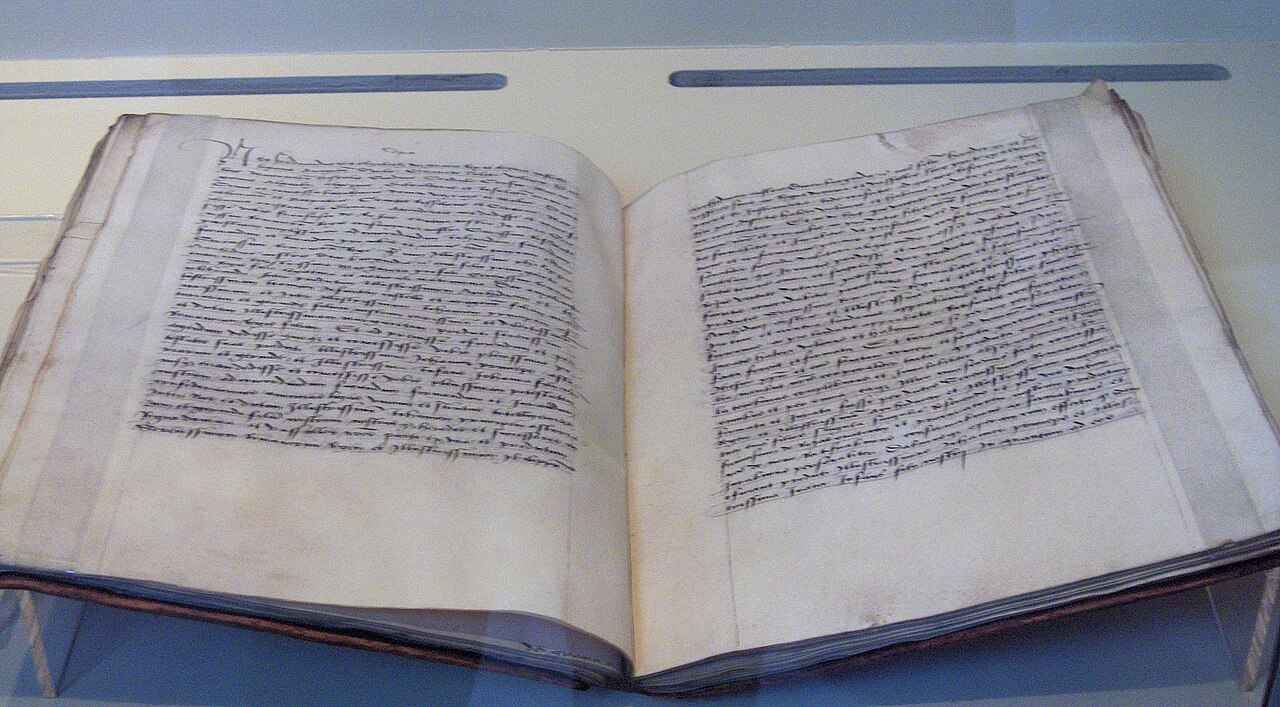 Document
Primary source
Marriage Articles of Philip the Handsome and Joanna of Castile
1495
Free account
Read every Joanna of Castile source
Sign up free →
Ready when you are
Start chatting with Joanna of Castile now.
20 messages free · No credit card · Available in 50+ languages.