


Primary sourcePainting1723
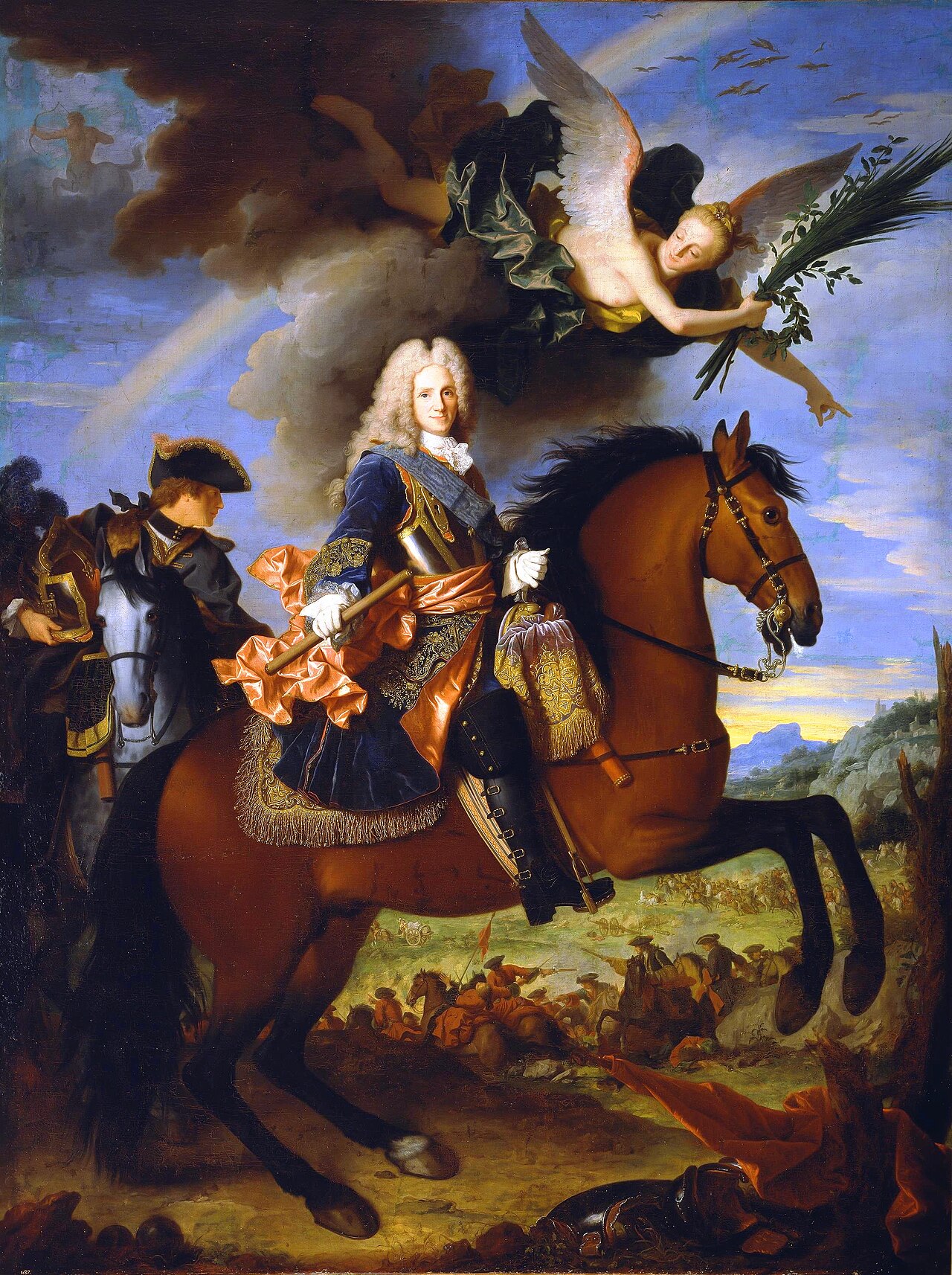
Philip V on Horseback
Jean Ranc · 1723
An equestrian portrait of Philip V of Spain, painted in 1723, presenting him as a warrior king with a battle scene in the background.
This equestrian portrait presents Philip V as a warrior king, matching his nickname 'el Animoso' earned on the battlefield.
About this source
What it is
This equestrian portrait, painted in 1723 by the French painter Jean Ranc, shows King Philip V riding a horse, dressed in a blue velvet coat with gold embroidery. It is held today at the Museo del Prado in Madrid.
Why it matters
The painting presents Philip as a military leader, with a battle scene and an angel holding a palm branch in the background, symbols of victory. Philip V, the first Bourbon king of Spain, was known by the nickname "el Animoso" (the Spirited), earned partly through his role on the battlefield. Equestrian portraits like this were a traditional way for European monarchs to project strength and authority.
Look closer
- What does the choice to paint the king on horseback, rather than standing or seated, suggest about the image he wanted to project?
- Why might the artist include a battle scene and an angel in the background instead of just a plain landscape?
- How much of this image is really about recording what Philip V looked like, and how much is about sending a message?
This painting is part of the curated material that grounds the AI version of Philip V of Spain on Humy.ai — when students ask about related events, the AI can quote it and cite it.
More Philip V of Spain sources
Browse all 93 →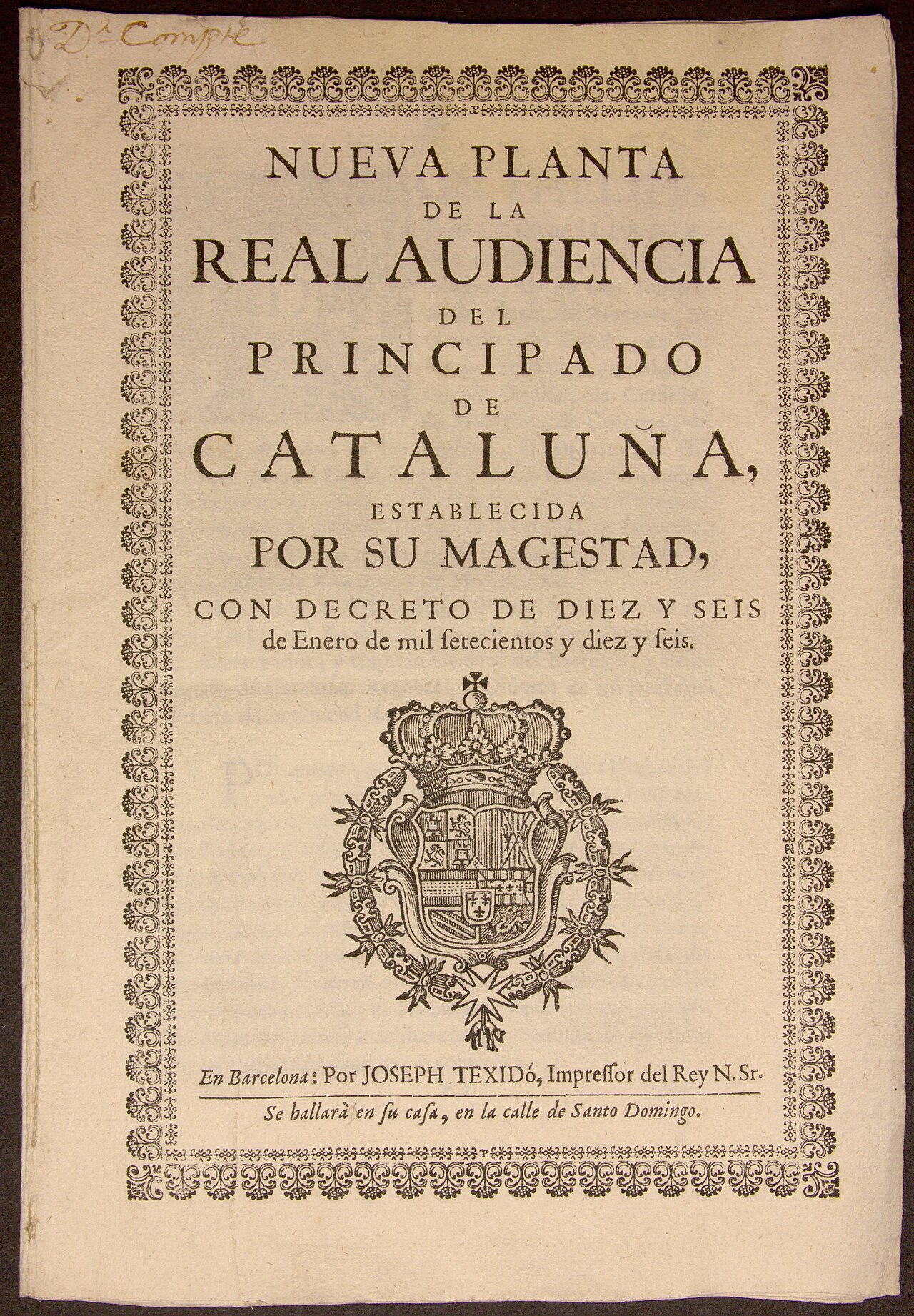 Document
Primary source
Nueva Planta Decrees
Philip V of Spain · 1707–1716
DocumentPrimary source
Nueva Planta Decree of the Principality of Catalonia
Philip V of Spain · 1716
 Document
Primary source
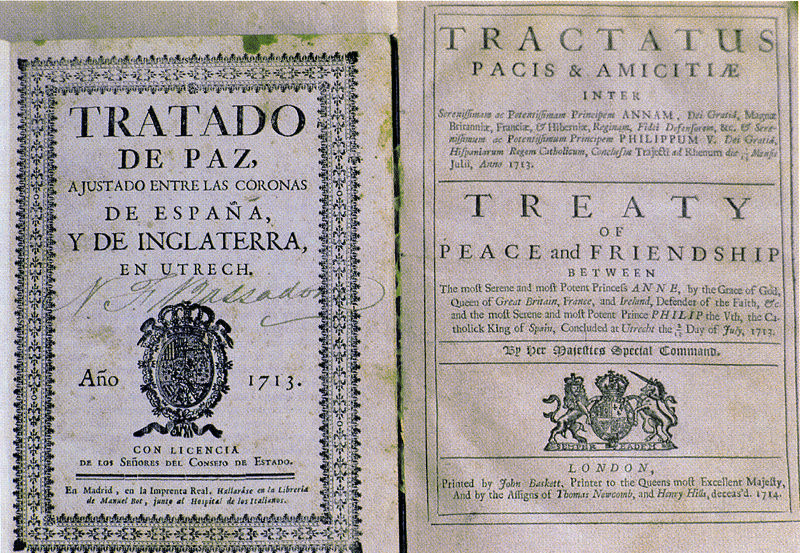
Peace of Utrecht
1713-1715
 Painting
Primary source
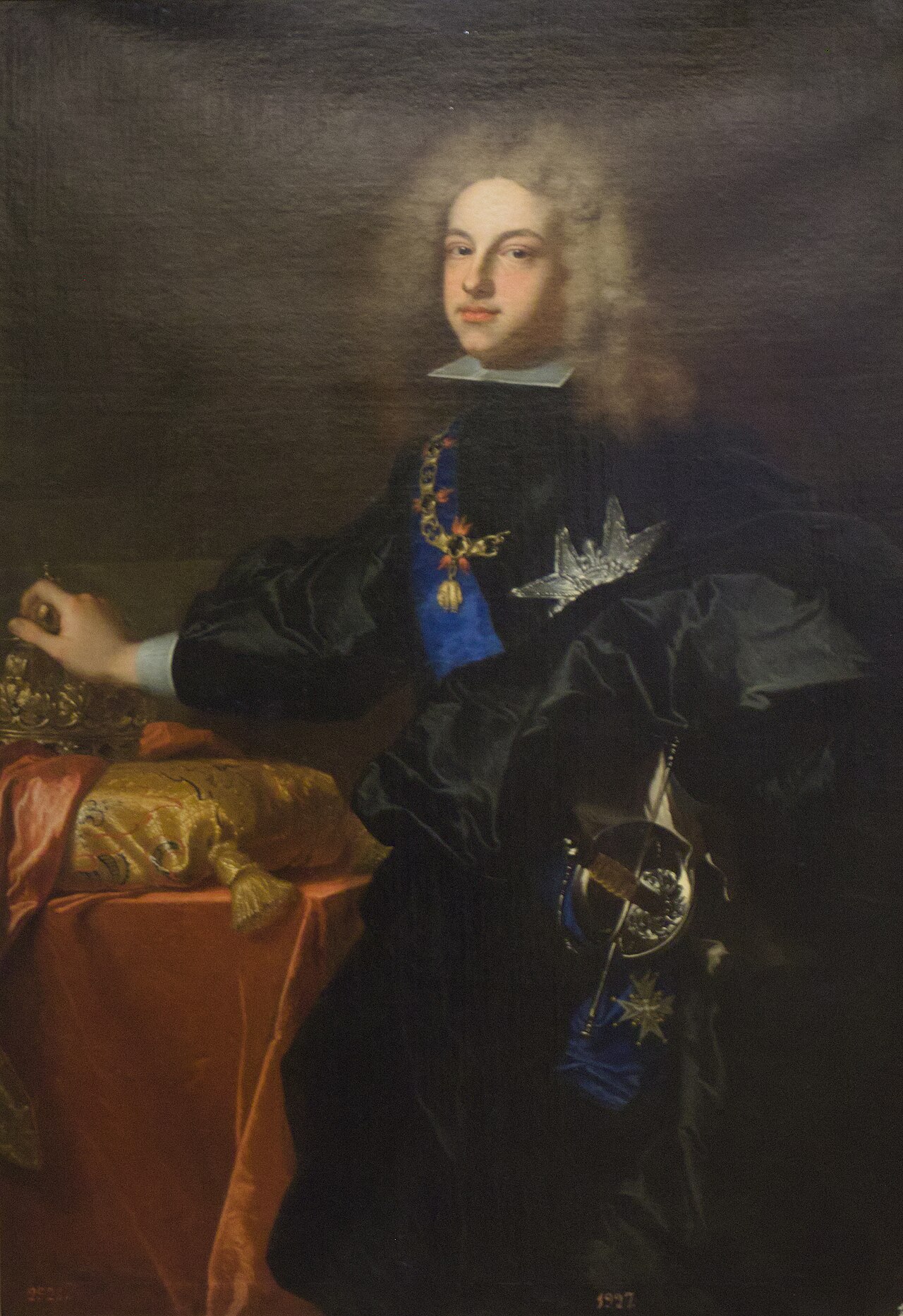
Philip V, King of Spain
Hyacinthe Rigaud · 1701
Free account
Read every Philip V of Spain source
Sign up free →
Ready when you are
Start chatting with Philip V of Spain now.
20 messages free · No credit card · Available in 50+ languages.