


Primary sourcePainting1773
Phillis Wheatley
Scipio Moorhead · 1773
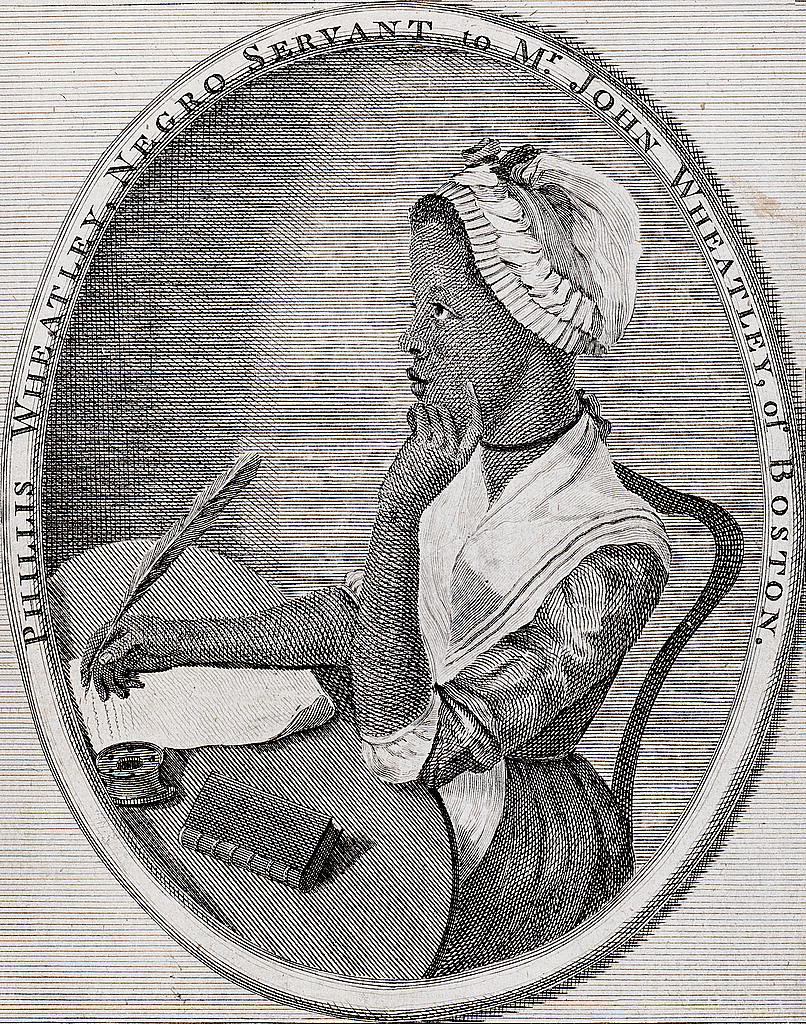
The frontispiece engraving of Phillis Wheatley, probably based on a portrait by the enslaved Black artist Scipio Moorhead, the only likeness made in her lifetime.
The only portrait of Wheatley made in her lifetime, used to prove she was the true author of her poems.
About this source
What it is
This engraving of Phillis Wheatley served as the frontispiece to her 1773 poetry collection. The original painting is lost, but copies of the print survive at institutions including the National Portrait Gallery. It is believed to be based on a work by Scipio Moorhead, an enslaved African American artist in Boston whom Wheatley praised in one of her poems.
Why it matters
The publisher required a portrait to help prove that an African American woman had really written the poems. The image shows Wheatley seated with a pen, an unusual depiction of a woman writing, and is possibly the earliest such portrayal in American art. It also links two enslaved Black artists of the same era.
Look closer
- Why did the publisher insist on including a portrait of the author?
- What does the pose, pen in hand, suggest about how Wheatley wanted to be seen?
- Why do we know so little for certain about the artist who made it?
This painting is part of the curated material that grounds the AI version of Phyllis Wheatley on Humy.ai — when students ask about related events, the AI can quote it and cite it.
More Phyllis Wheatley sources
Meet the AI Phyllis Wheatley →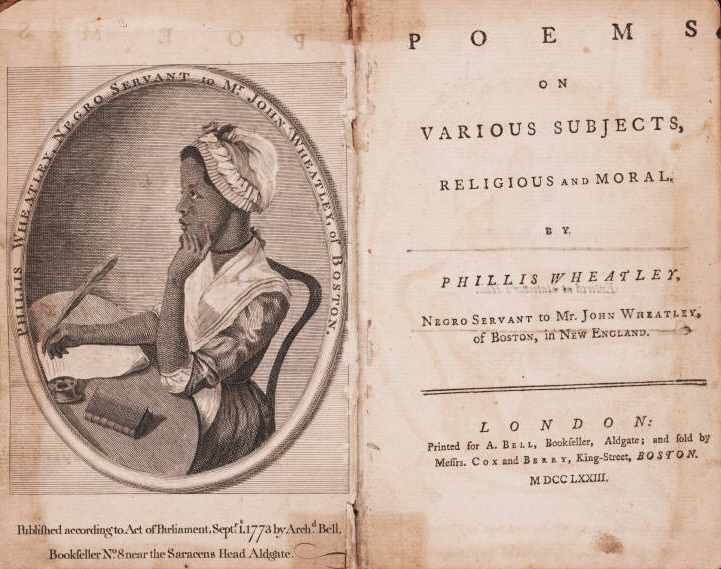 Book
Primary source
Poems on Various Subjects, Religious and Moral
Phillis Wheatley · 1773
 Book
Primary source
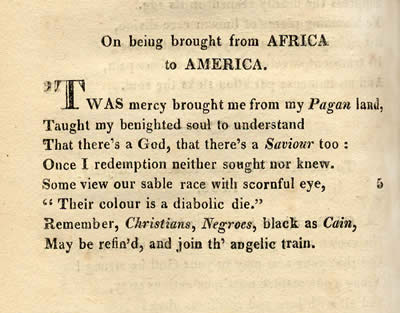
On Being Brought from Africa to America
Phillis Wheatley · 1768 (published 1773)
Primary source
To His Excellency General Washington
Phillis Wheatley · 1775
Primary source
Notes on the State of Virginia
Thomas Jefferson · written 1781-1783, published 1785
 Letter
Primary source
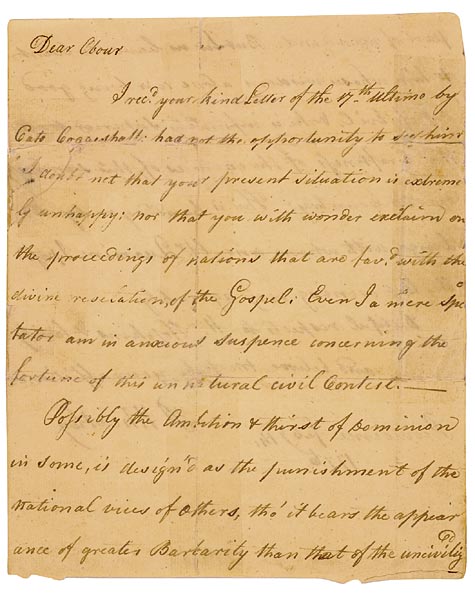
Letter to Obour Tanner, 1776
Phillis Wheatley · 1776
Ready when you are
Start chatting with Phyllis Wheatley now.
20 messages free · No credit card · Available in 50+ languages.