


Primary sourceSpeechafter 1908
Phonograph recording of Leo Tolstoy's voice
Leo Tolstoy · after 1908
An Edison phonograph recording of Tolstoy himself reading one of his late moral writings, 'Vremya prishlo'.
This is a rare surviving recording of Tolstoy's own voice reading one of his own texts late in life.
About this source
What it is
This is an audio recording of Leo Tolstoy's own voice, reading aloud his text "Vremya prishlo" ("The Time Has Come"). It was made using an Edison phonograph that Tolstoy received in 1908, in the last years of his life.
Why it matters
Sound recordings of people born in the early 19th century are extremely rare, so this phonograph cylinder lets listeners hear Tolstoy's actual voice rather than only reading his words on a page. It reflects his continued work in old age writing short moral and religious texts meant to be heard as well as read.
Look closer
- What does it add to hear Tolstoy's own voice rather than just reading his text?
- Why might Tolstoy have wanted to record his writings using a new technology like the phonograph?
- What questions can't a short audio recording answer about his life and ideas?
This speech is part of the curated material that grounds the AI version of Leo Tolstoy on Humy.ai — when students ask about related events, the AI can quote it and cite it.
More Leo Tolstoy sources
Meet the AI Leo Tolstoy →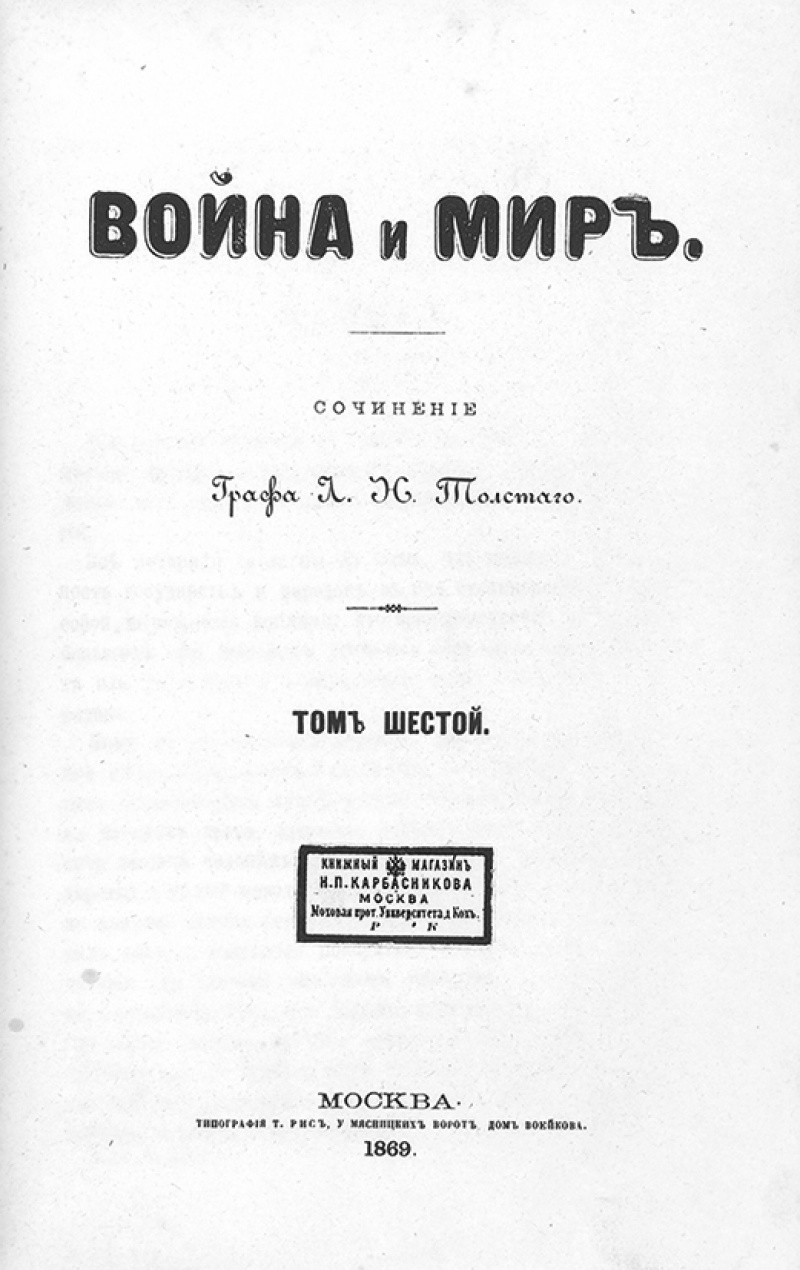 Book
Primary source
War and Peace
Leo Tolstoy · 1863–1869
 Photograph
Secondary source
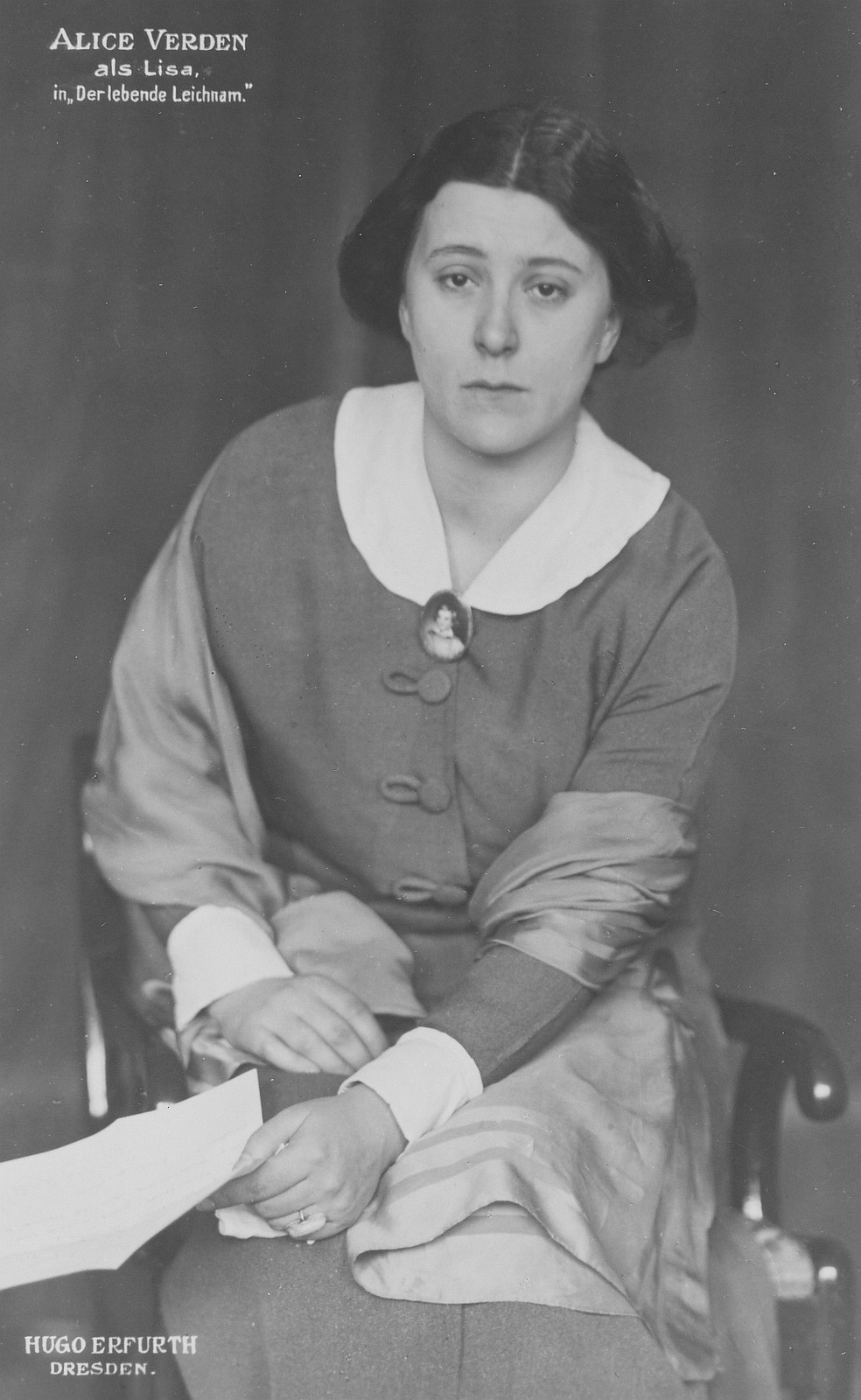
Alice Verden as Lisa in The Living Corpse
Hugo Erfurth · 23 December 1913
 Book
Primary source
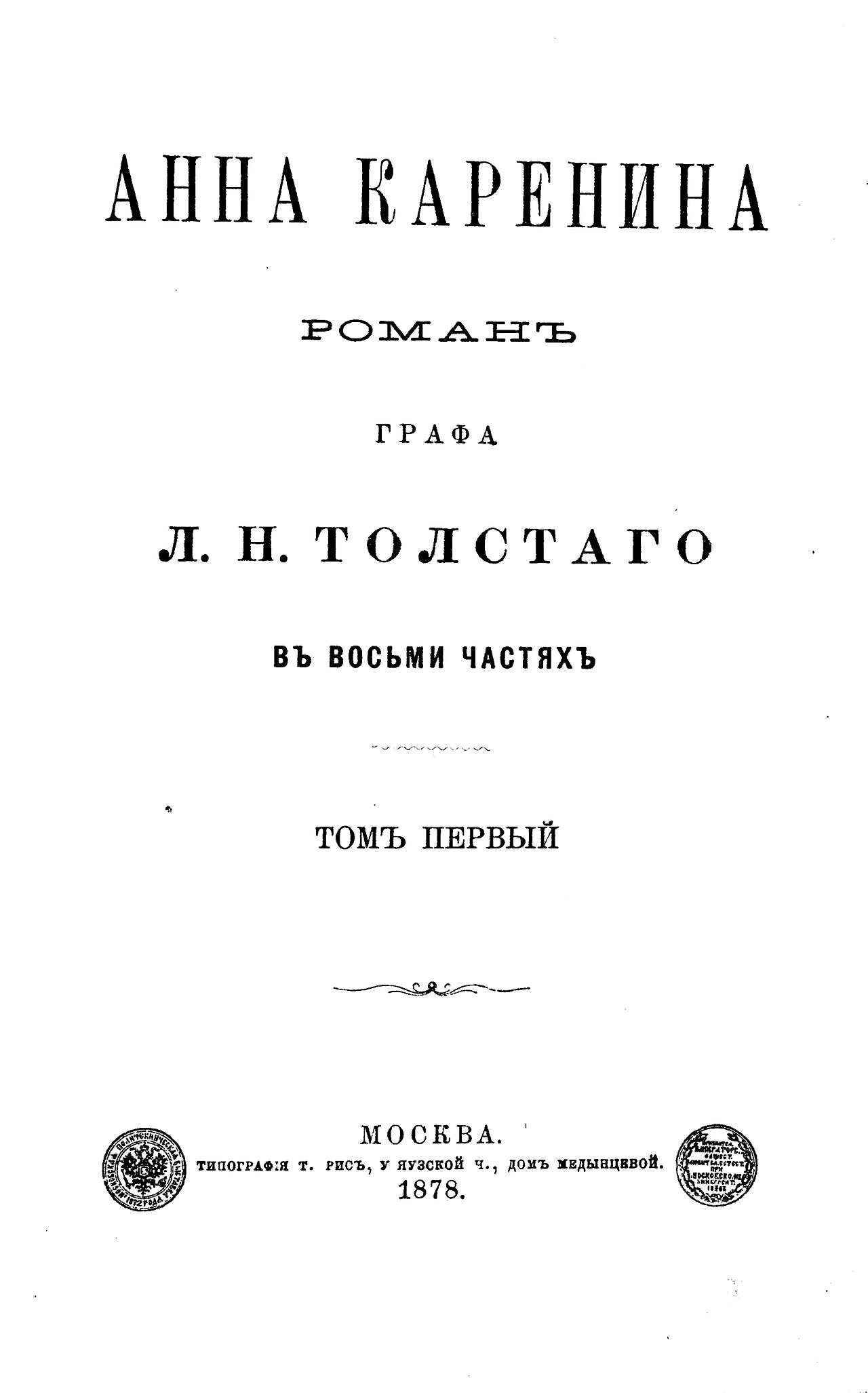
Anna Karenina
Leo Tolstoy · 1875–1878
 Book
Primary source
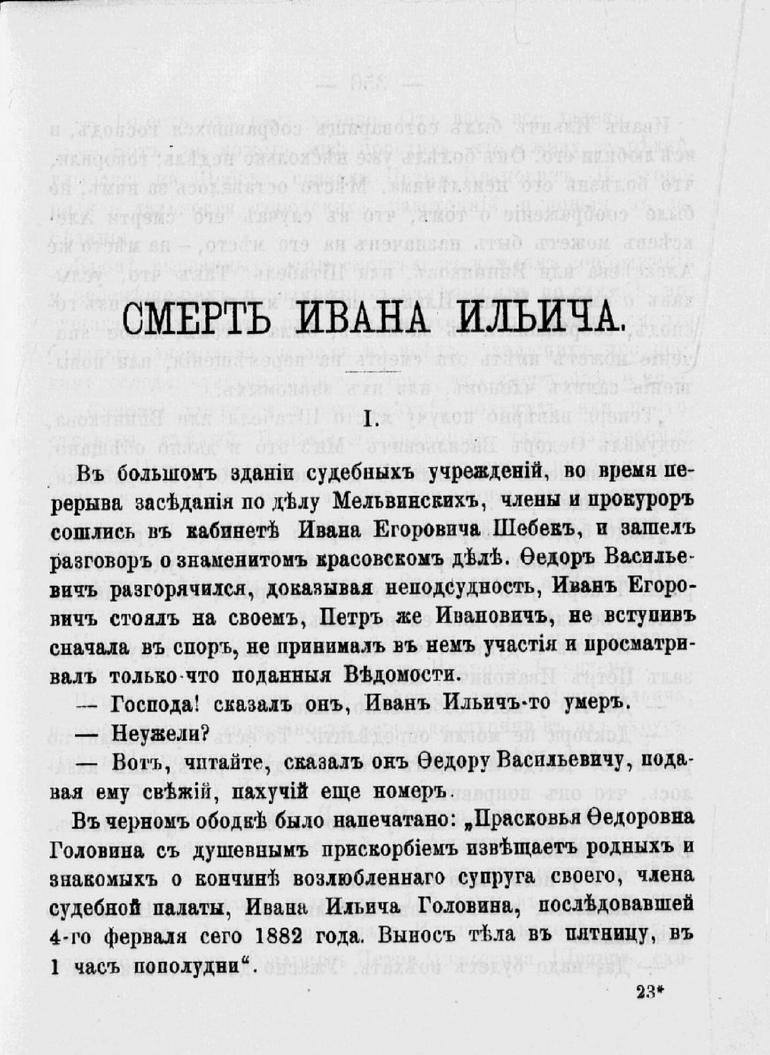
The Death of Ivan Ilyich
Leo Tolstoy · 1886 (written 1882)
Primary source
A Confession
Leo Tolstoy · written 1879–1880, published 1882
Ready when you are
Start chatting with Leo Tolstoy now.
20 messages free · No credit card · Available in 50+ languages.