


Primary sourcePhotograph1906
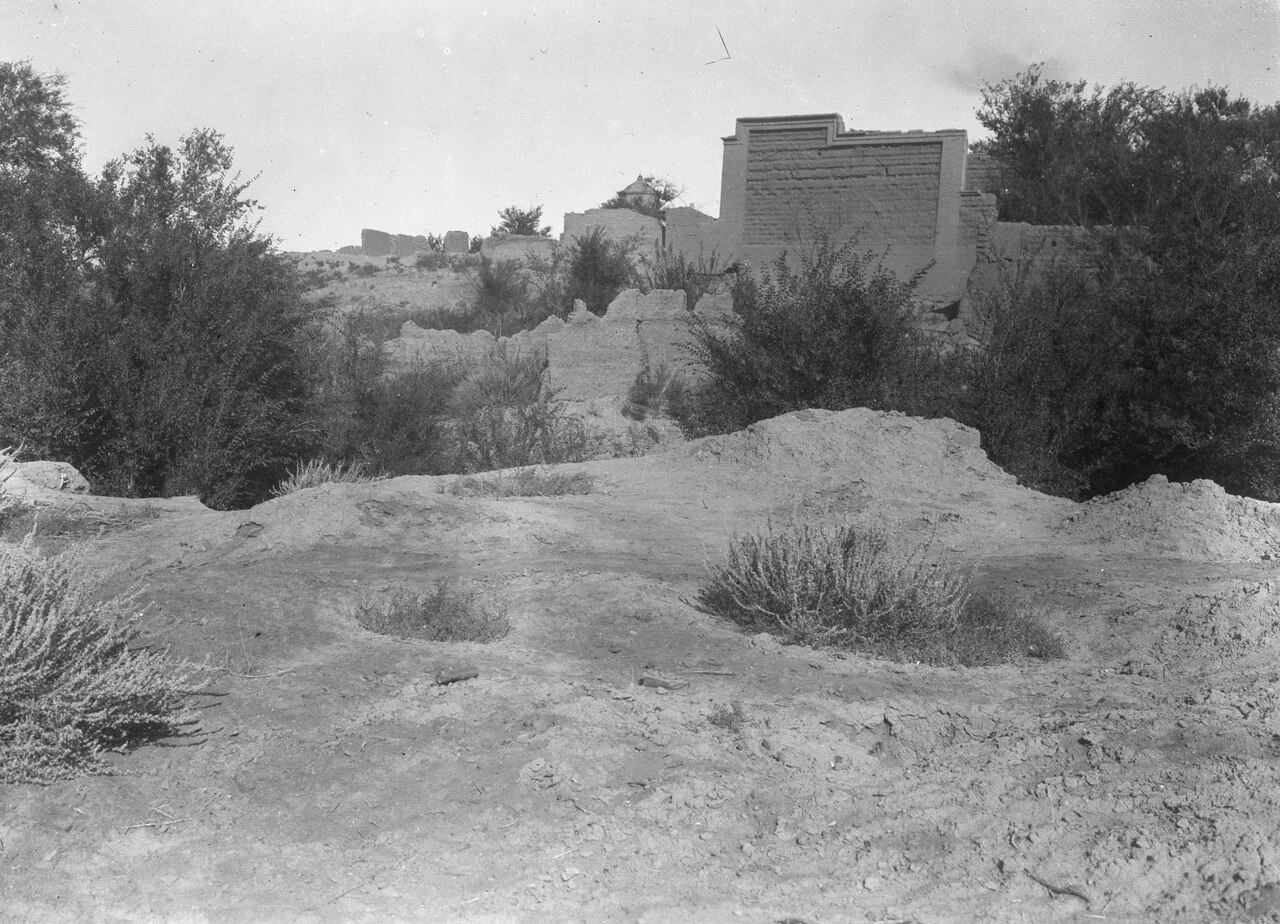
Photograph of a Village Destroyed During the Dungan Revolt
Carl Gustaf Emil Mannerheim · 1906
A 1906 photograph by Mannerheim showing the ruins of a village destroyed during the Dungan revolt in Xinjiang.
Mannerheim took this photograph himself while travelling through Xinjiang in 1906.
About this source
What it is
This photograph was taken by Carl Gustaf Emil Mannerheim in 1906 during his expedition across Central Asia. It shows the ruined mud-brick walls of a village said to have been destroyed during the Dungan revolt, with shrubs and trees growing among the remains.
Why it matters
Alongside his ethnographic photography, Mannerheim documented landscapes and the aftermath of conflict he encountered on his journey. This image is a record of the destruction left by the revolt, taken by an outside observer travelling through the region while reporting intelligence to Russia and collecting material for the Finno-Ugrian Society.
Look closer
- What can ruins like these tell historians about events that are otherwise poorly recorded?
- Why might a photograph of destruction be useful to a foreign observer like Mannerheim?
- What is missing from this photograph that might help us understand what actually happened here?
This photograph is part of the curated material that grounds the AI version of Carl Gustaf Emil Mannerheim on Humy.ai — when students ask about related events, the AI can quote it and cite it.
More Carl Gustaf Emil Mannerheim sources
Browse all 85 →Primary source
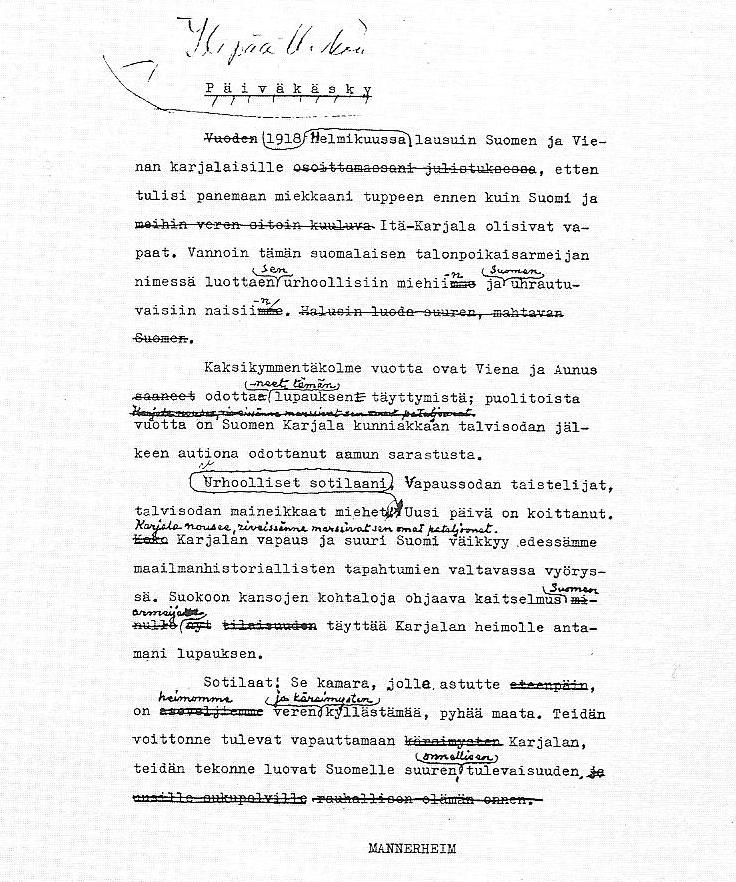
Sword Scabbard Declaration
Carl Gustaf Emil Mannerheim · 1918, renewed 1941
 Document
Primary source
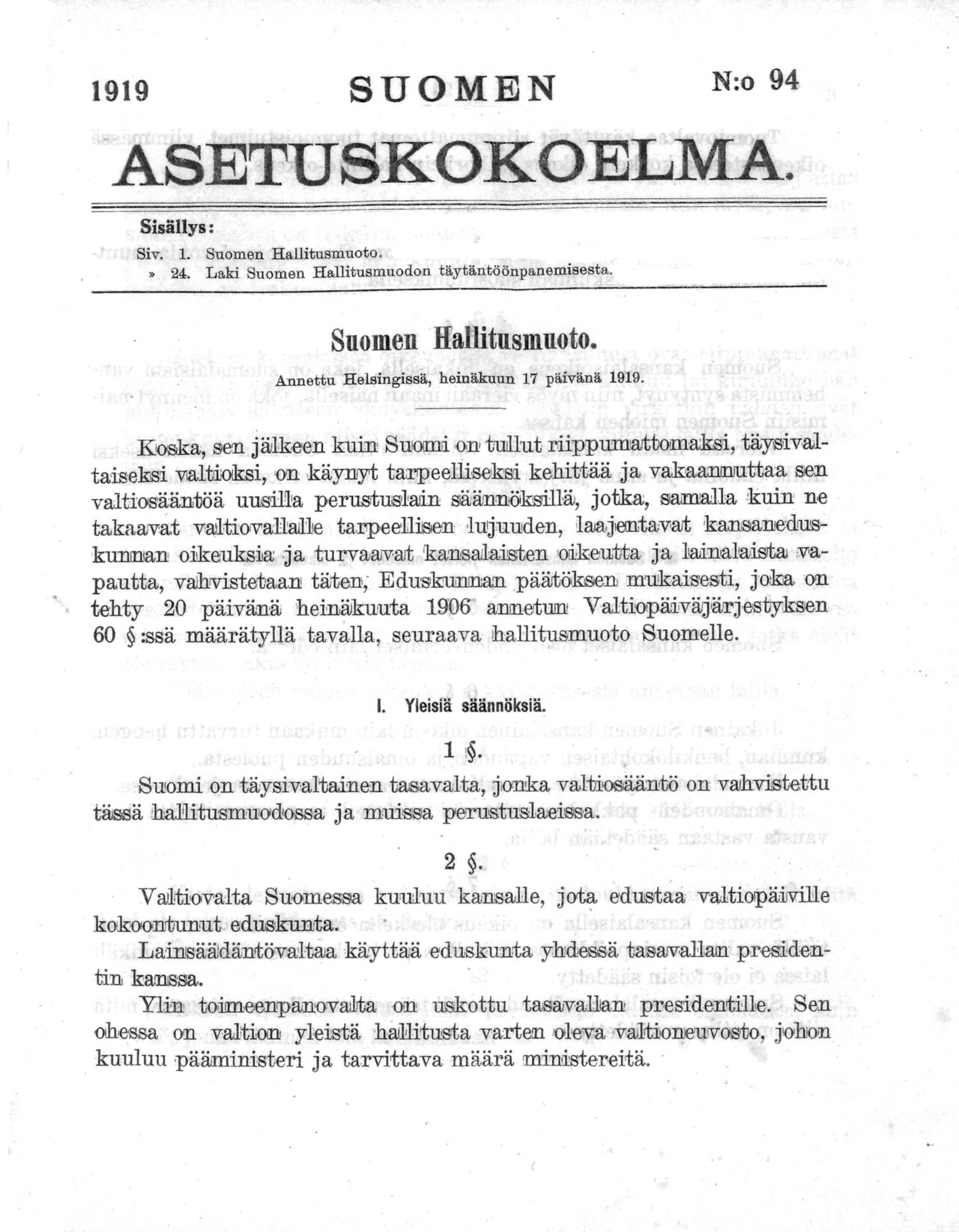
Finnish Constitution of 1919
C. G. E. Mannerheim · 17 July 1919
 Photograph
Primary source
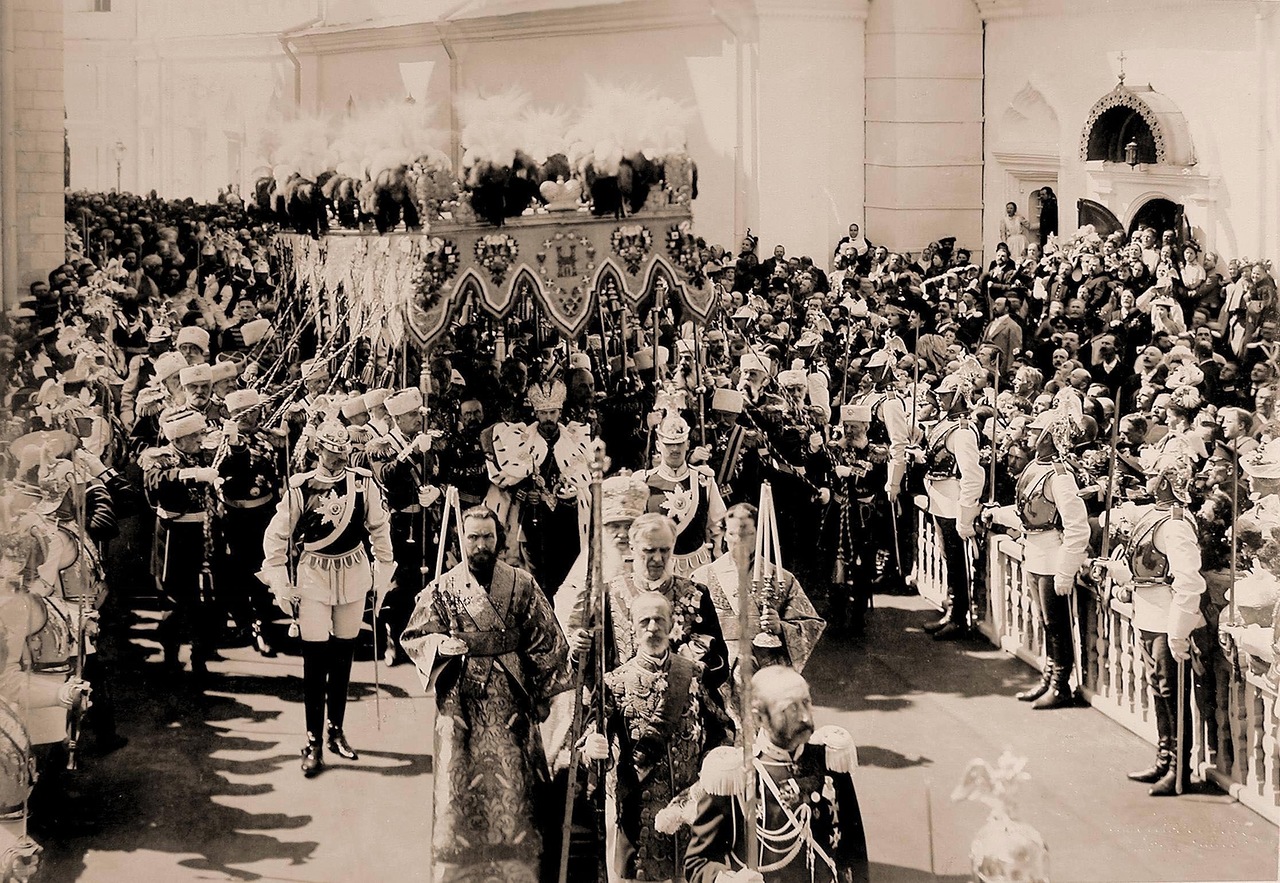
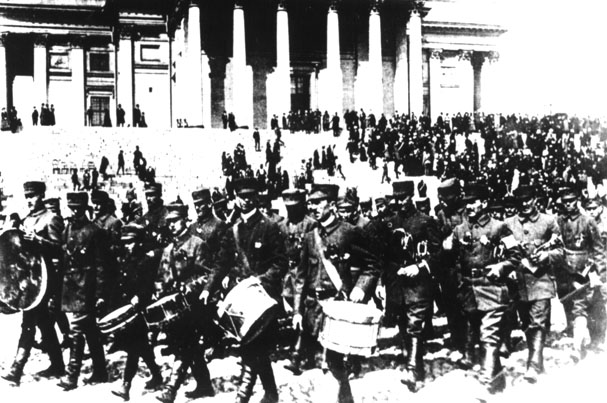
Coronation Procession of Nicholas II, 1896
T. Lizovsky · 1896
 Photograph
Primary source
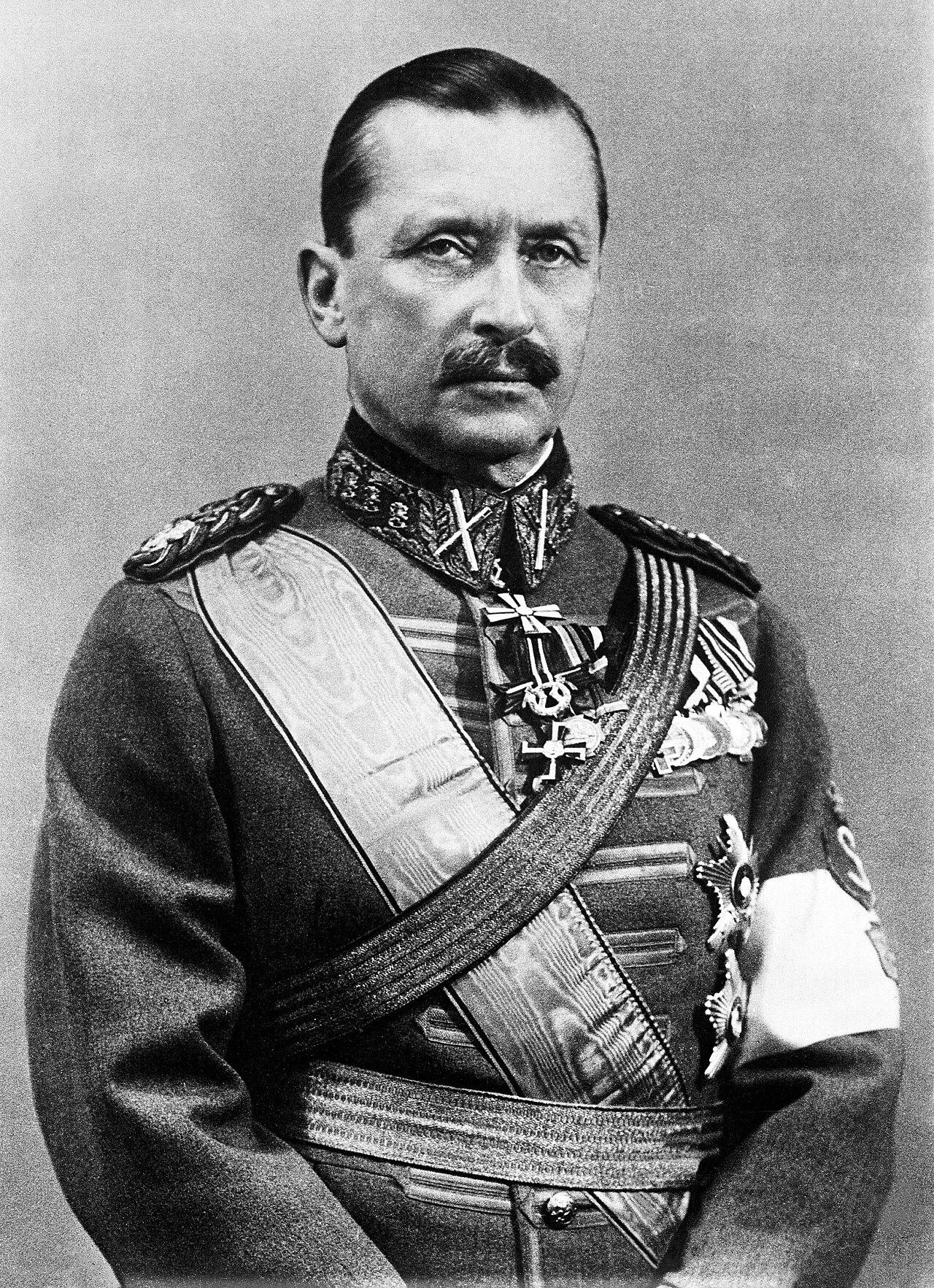
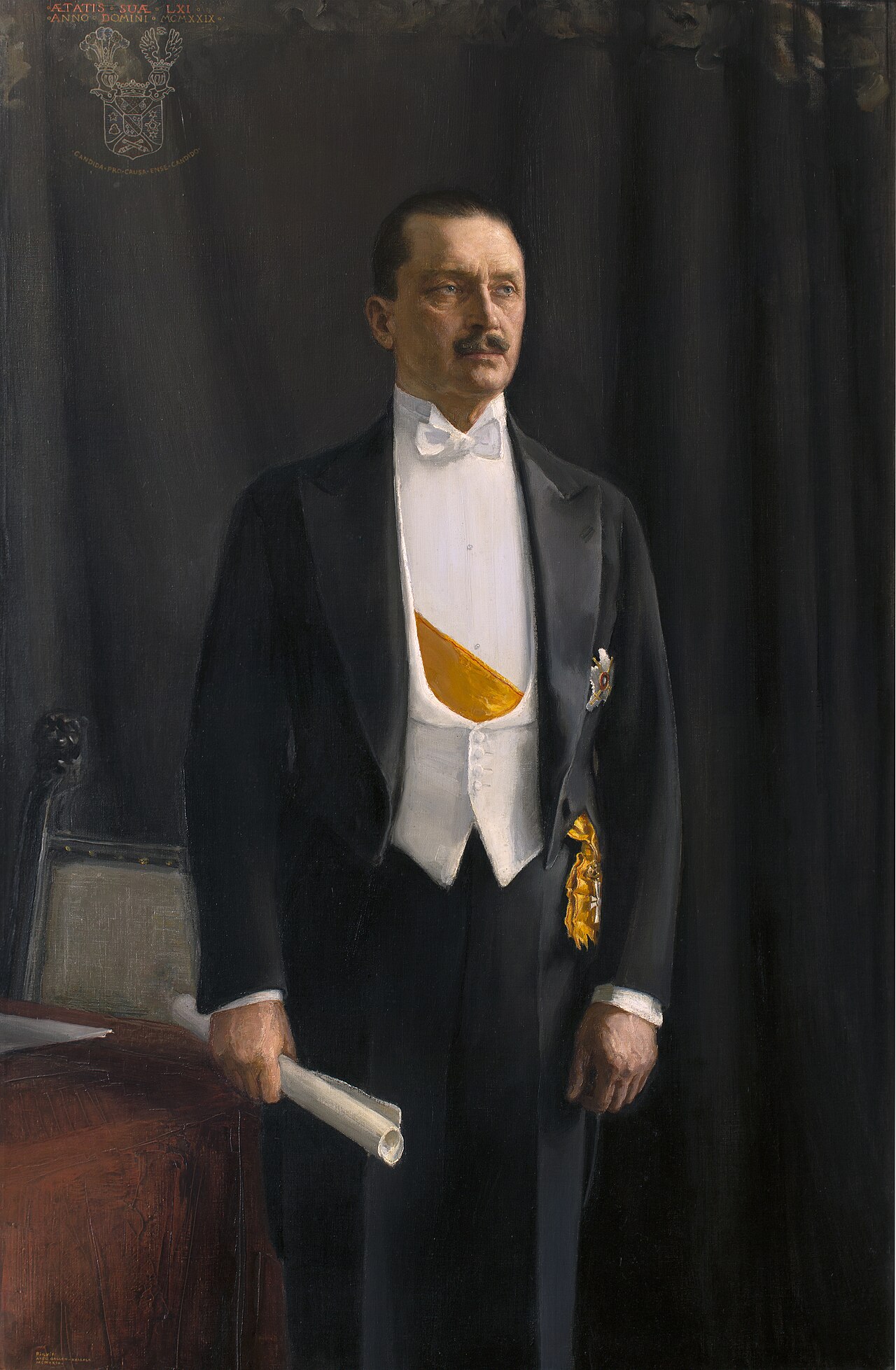
Portrait of Carl Gustaf Emil Mannerheim
1940
Free account
Read every Carl Gustaf Emil Mannerheim source
Sign up free →
Ready when you are
Start chatting with Carl Gustaf Emil Mannerheim now.
20 messages free · No credit card · Available in 50+ languages.