


Primary sourcePaintingc. 1810
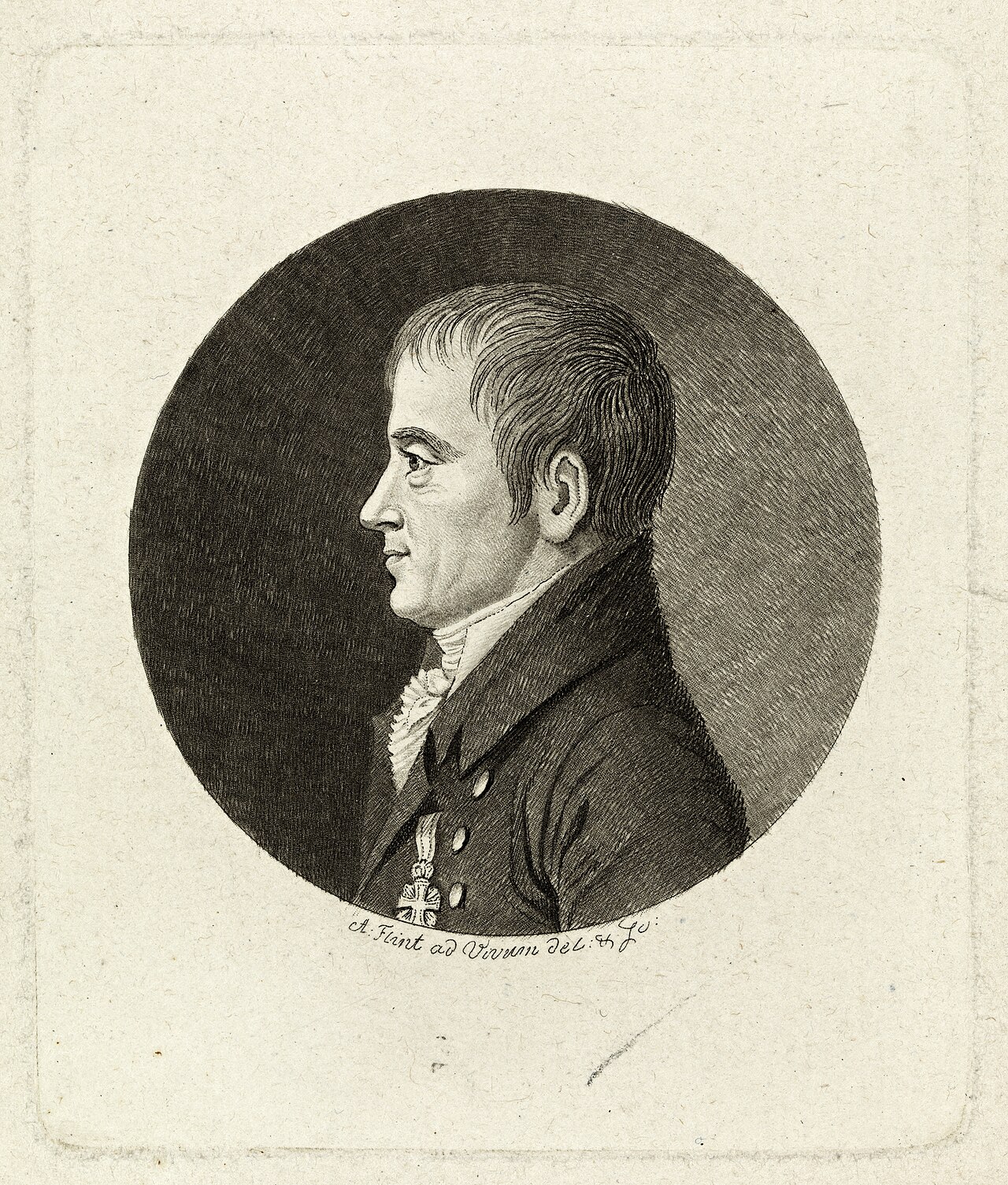
Physionotrace Portrait of Jacob Aall
Andreas Flint · c. 1810
An engraved profile portrait of Jacob Aall, a businessman and politician who, like Falsen, sat at the 1814 Riksforsamling on Eidsvoll.
Portrays Jacob Aall, a fellow delegate who sat alongside Falsen at the 1814 Constituent Assembly on Eidsvoll.
About this source
What it is
This is a physionotrace engraving, a mechanically traced profile portrait, made by Andreas Flint around 1810. It shows Jacob Aall, a Norwegian businessman who owned an ironworks and shipping business and later represented Nedenes amt at the 1814 Constituent Assembly on Eidsvoll.
Why it matters
Jacob Aall sat in the same assembly as Christian Magnus Falsen in 1814, representing the business interests of his region. Portraits like this one show the range of people, from jurists to industrialists, who gathered to write Norway's constitution, and help us picture the men Falsen worked alongside.
Look closer
- What does Aall's clothing and the medal on his chest suggest about his social status?
- Why might a precise mechanical tracing method like physionotrace have been used instead of a painted portrait?
- How might Aall's background as an industrialist have shaped his views compared to Falsen's as a jurist?
This painting is part of the curated material that grounds the AI version of Christian Magnus Falsen on Humy.ai — when students ask about related events, the AI can quote it and cite it.
More Christian Magnus Falsen sources
Browse all 38 →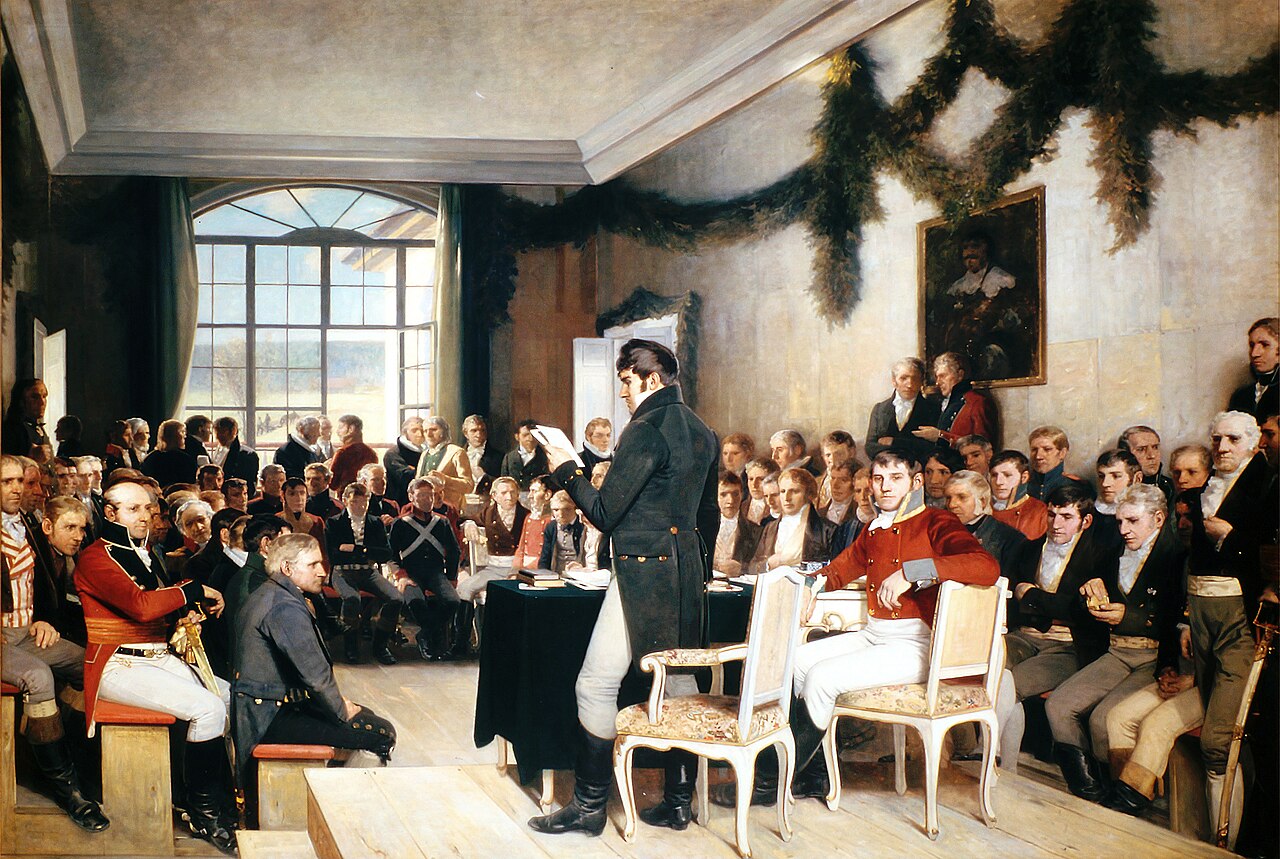 Document
Primary source
Constitution of Norway
Christian Magnus Falsen and Johan Gunder Adler · 1814
 Book
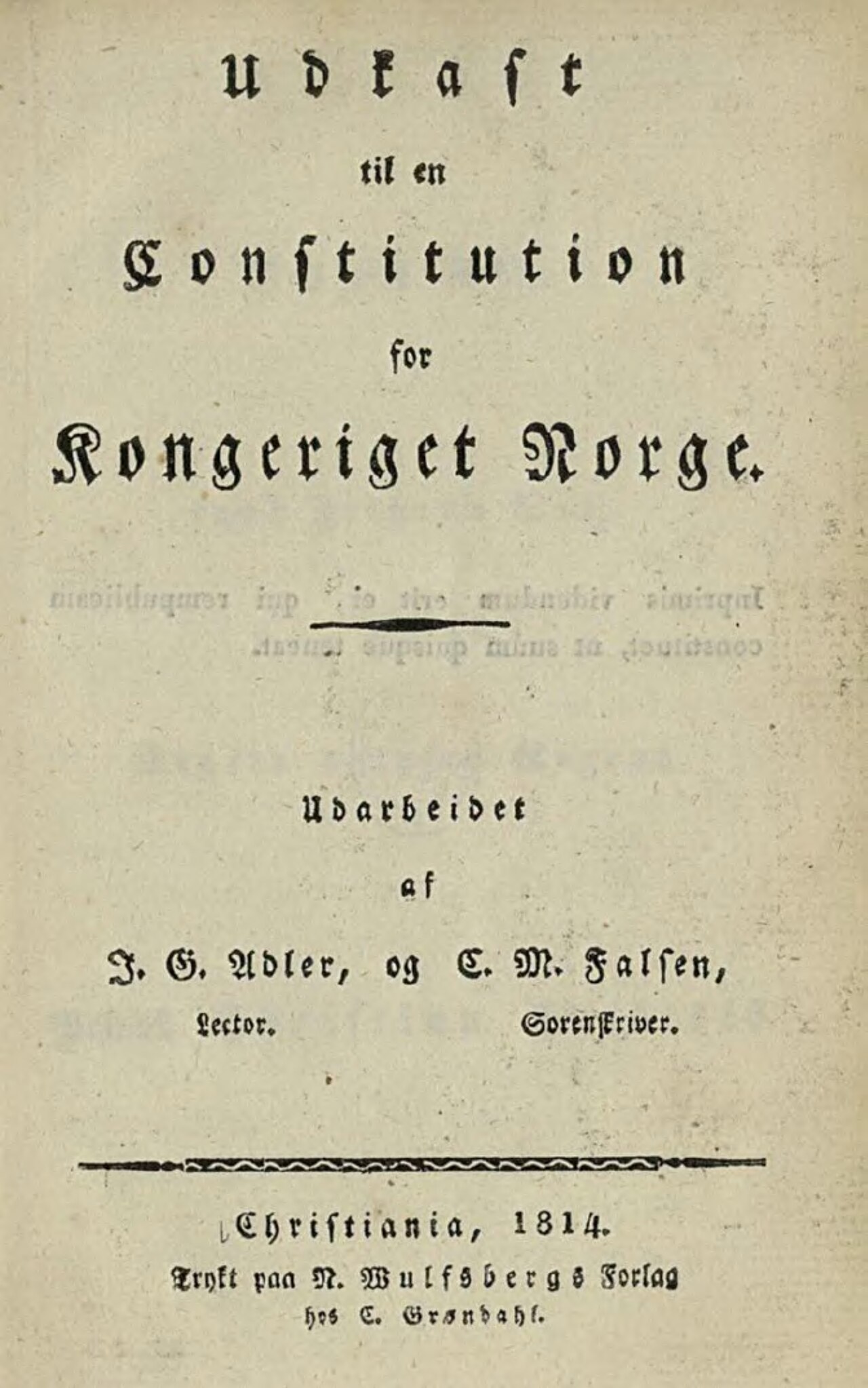
Primary source
Adler & Falsens Constitution
Johan Gunder Adler & Christian Magnus Falsen · 1814
 Document
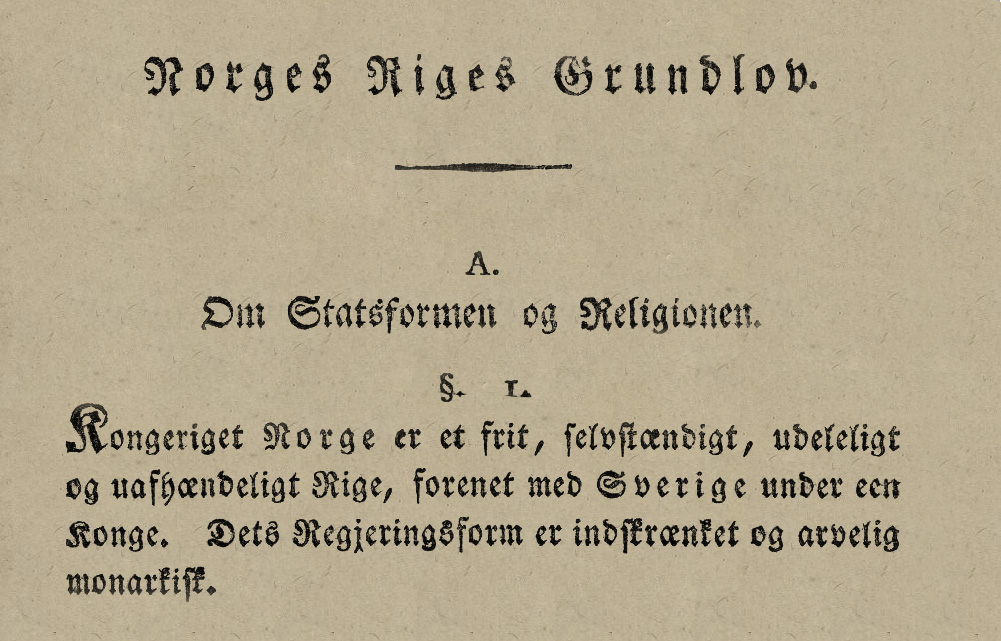
Primary source
Norwegian Constitution of November 1814, Article 1
Norwegian parliament · 4 November 1814
 Painting
Secondary source
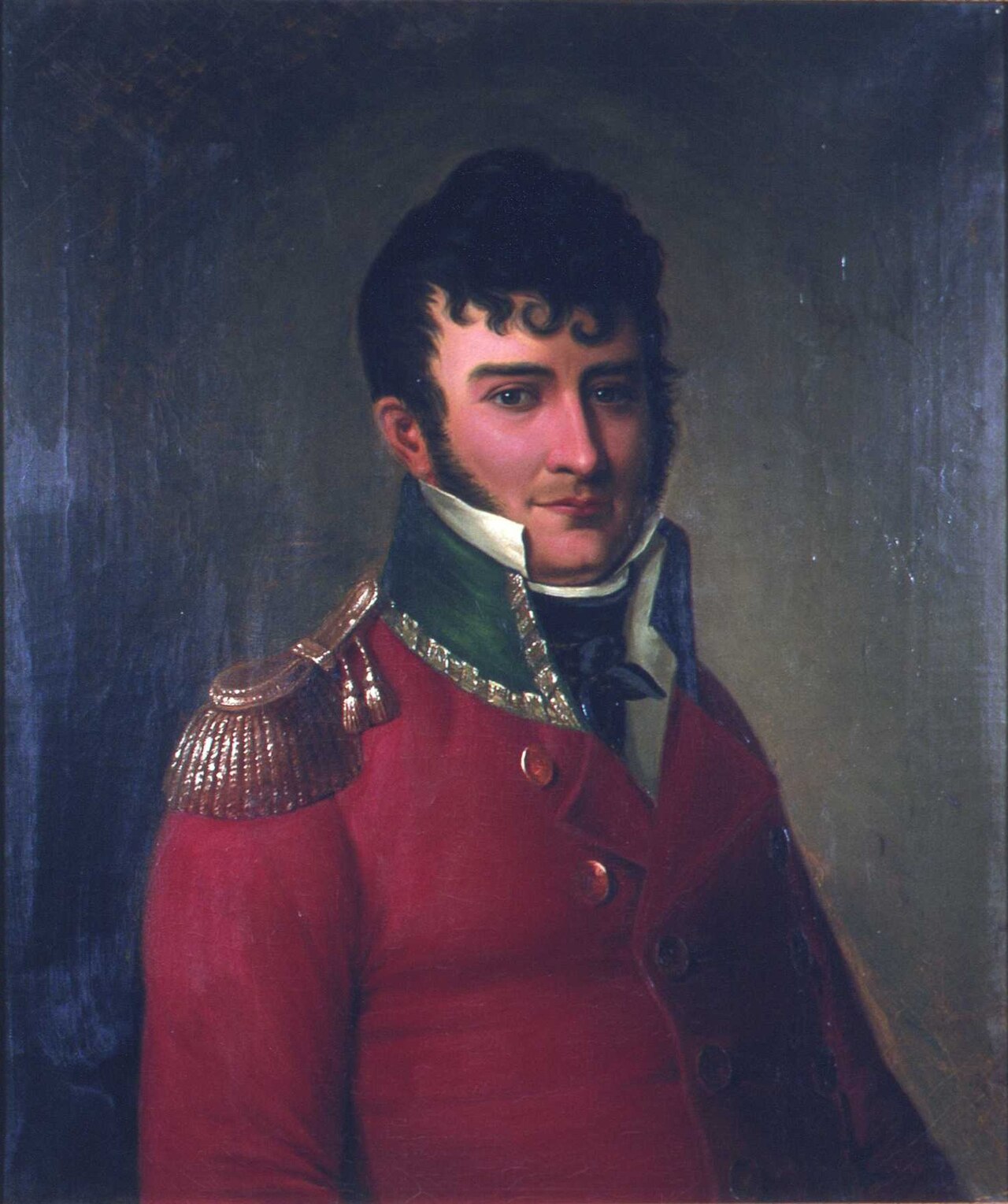
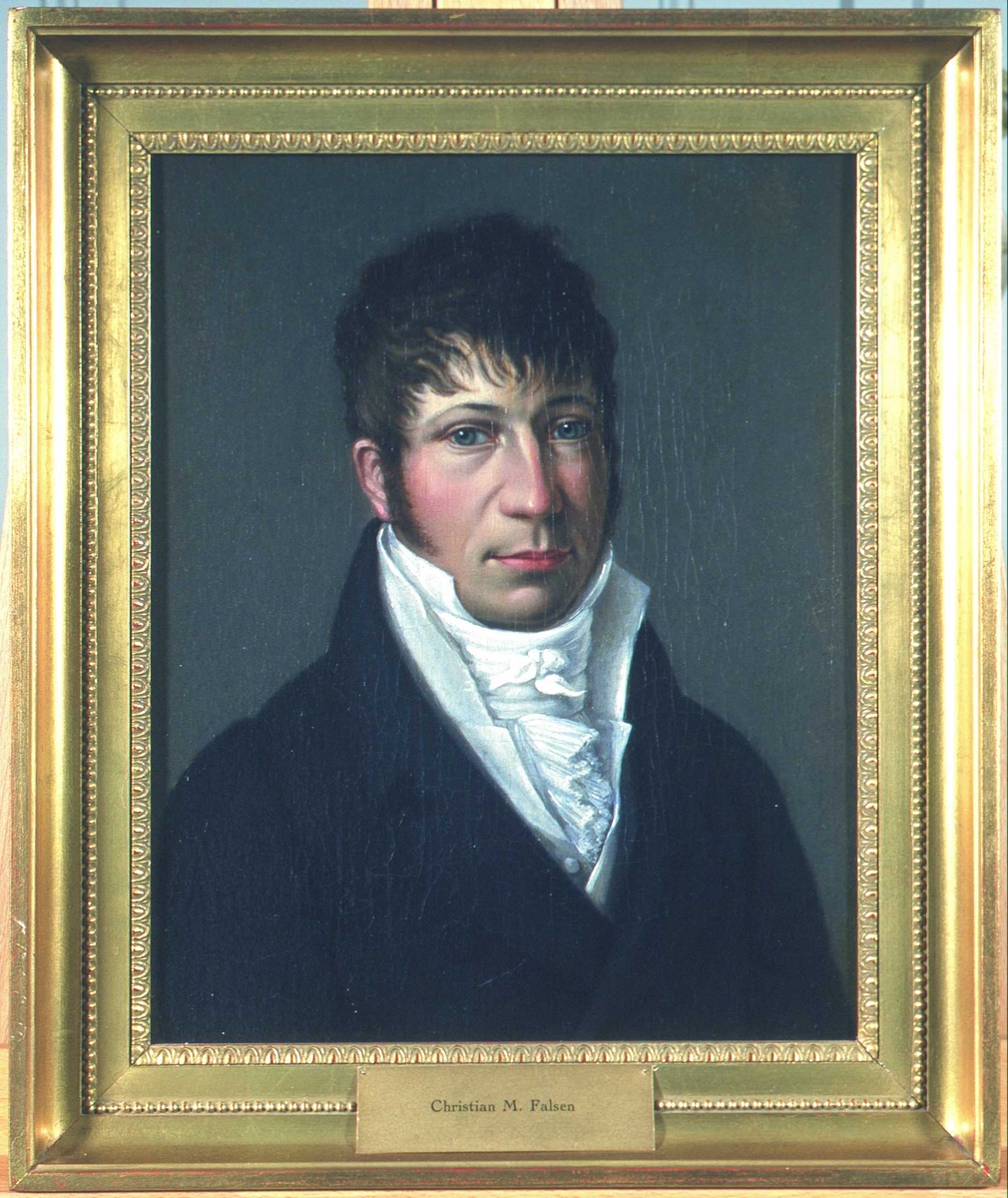
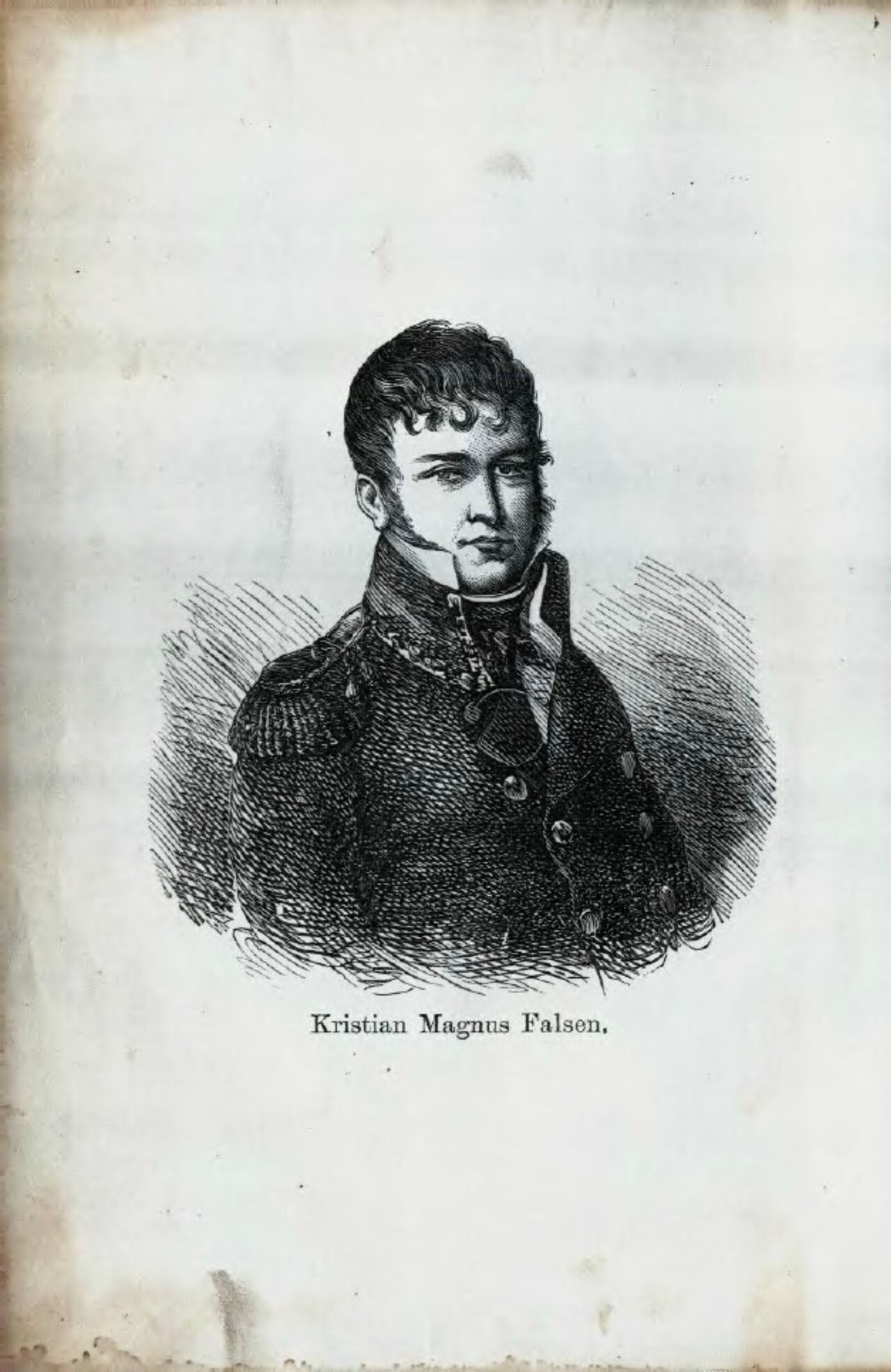
Portrait of Christian Magnus Falsen
Unknown (copy after lost original)
Free account
Read every Christian Magnus Falsen source
Sign up free →
Ready when you are
Start chatting with Christian Magnus Falsen now.
20 messages free · No credit card · Available in 50+ languages.